
Reviewed · MARRAKECH TOURS
Marrakech: Traditional Moroccan Cooking Class & Market Visit
The best part of this Marrakech cooking class happens before the cooking. You walk through a local souk with Kawtar or another guide, choose fresh produce and spices, then carry those ingredients to Khmisa’s intimate riad workshop in the Medina. I especially like the market shopping and the proper mint tea ritual, which is far more than dropping mint into hot water.
I also like that local Moroccan women lead the class and get everyone involved, from chopping vegetables to seasoning tagines. The food is generous, the recipes arrive by email afterward, and the $40 price includes the meal, ingredients, market stop, tea, and instruction. The main consideration is practical: the Medina walk and workshop are not suitable for wheelchair users, and a shared group can vary in size, up to about 12 people.
Key points before you book
- Shop before you cook: Help select fresh vegetables, chicken, herbs, and other ingredients in a less tourist-focused market.
- Learn the real tea ritual: The mint tea lesson covers the traditional preparation, not just steeping mint in boiled water.
- Cook several Moroccan dishes: Depending on the session, prepare three to six dishes, including starters, tagines, and milk pastilla dessert.
- Eat what you make: Lunch or dinner is included, and portions are described as plentiful and filling.
- Meet local hosts: Kawtar, Khmisa, Ilham, and other local women may guide the class, with English, French, and Arabic available.
- Take the class home: Electronic recipes and optional homemade spices make the food easier to recreate after Morocco.
A market start in the Marrakech Medina
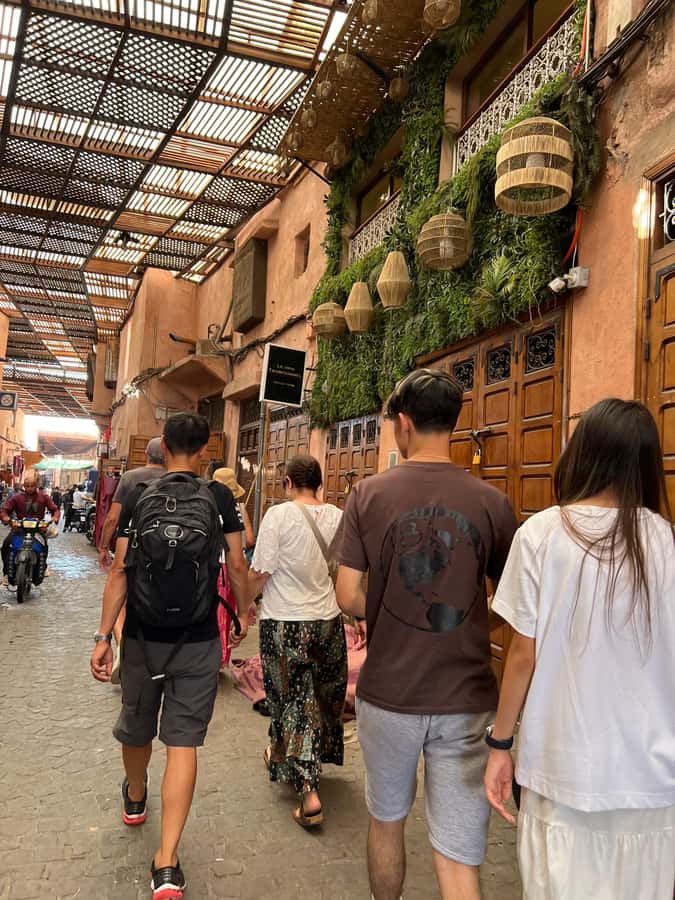
This experience begins with a short walk through a local food market. Before setting out, the guide discusses allergies and dietary restrictions, an important step since the class menu can include chicken, vegetables, spices, pastry, and dairy-based dessert.
The market visit is not just a quick stop for decoration. You help choose the ingredients that will become your meal. Stalls are filled with fresh produce, herbs, spices, and everyday Moroccan cooking supplies. You get to see how the raw ingredients look before they are chopped, seasoned, and placed in a tagine.
I like this part because it gives the cooking a clear connection to daily life in Marrakech. You are not simply handed a prepared basket of food. You see the shopping process and gain a better sense of how Moroccan cooks build a meal from fresh ingredients.
The walk is short, but the Medina can be busy and confusing. One useful meeting-point detail comes from the practical side of the experience: the mosque may be easy to identify, but the exact meeting spot can still be unclear. Look for precise instructions about the front entrance rather than relying only on the mosque name.
Wear comfortable shoes. The class does not include hotel pickup or drop-off, so you must also make your own way to the meeting point and return afterward.
More Cooking Classes in Marrakech
- Marrakech: Moroccan Cooking Class with Pickup
★ 4.6 · 1,862 reviews - Marrakesh: Moroccan Dishes Cooking Class with a Local Chef
★ 5.0 · 1,615 reviews - Marrakech: Moroccan Cooking Class with a Local Family
★ 4.9 · 668 reviews
Entering Khmisa’s intimate riad workshop
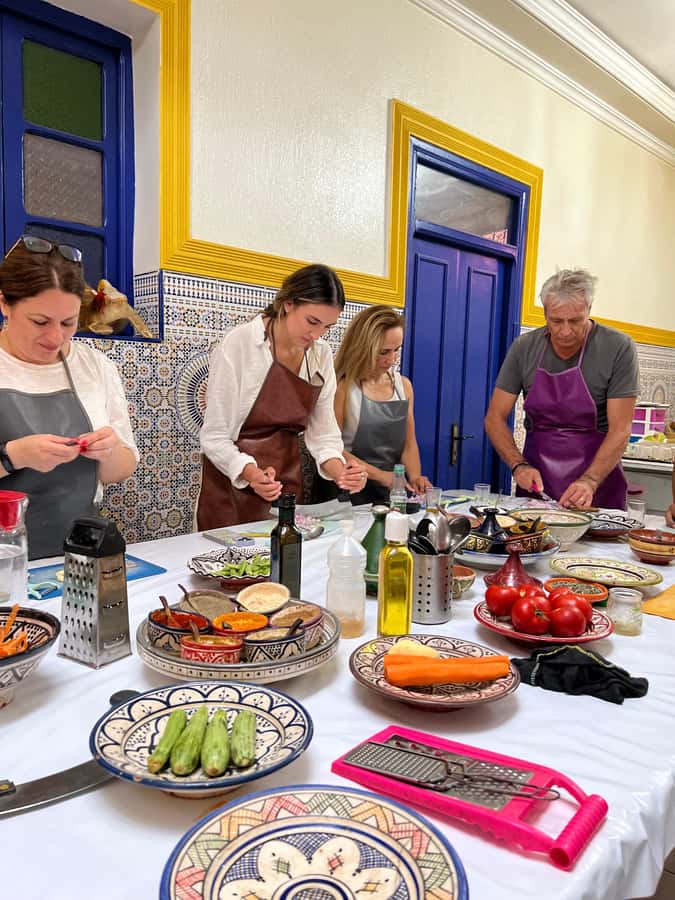
After the market, you continue to Khmisa Workshops, an intimate riad in the heart of the Medina. The setting gives the class a family-home feel rather than the polished, large-scale atmosphere of a hotel demonstration kitchen.
Local women with years of cooking and catering experience lead the session. Kawtar often acts as the main host, while Khmisa or another chef guides the cooking. Ilham has also helped translate for the chef, and Leila has led sessions. The exact team can vary, but the format remains personal and hands-on.
The workshop specializes in Moroccan cuisine and pastry. Its hosts have experience with Moroccan restaurants, catering services, and hotel establishments in Morocco and abroad. That combination matters: you get home-style warmth, along with cooks who understand how to explain traditional methods clearly.
The riad has air conditioning, which is a welcome detail when you are cooking in Marrakech. The room is arranged for shared participation, so you can work around the table with people from different countries. Group size can reach 12, though some sessions are much smaller, with six people providing more space and attention.
A shared class is part of the appeal. You prepare and eat together, and the social side is natural rather than forced. Still, if you want every step tailored to your group, private sessions are available on request and may need separate arrangements.
Learning Moroccan mint tea properly
Tea comes before the main cooking session. You are welcomed with Moroccan mint tea and shown the traditional preparation ritual step by step.
This is one of the most useful parts for anyone who thinks Moroccan tea is simply fresh mint placed in boiling water. The ritual involves more care, and the guide explains how the tea is prepared and served in the Moroccan style.
The lesson also sets the tone for the afternoon or evening. It gives everyone time to settle in, meet the hosts, and understand that Moroccan food is tied to hospitality as much as to ingredients.
You can expect the tea to be part demonstration and part participation. The class materials describe it as a traditional ceremony, and the experience is designed so you understand the process rather than just receive a glass.
Preparing starters, tagines, and dessert
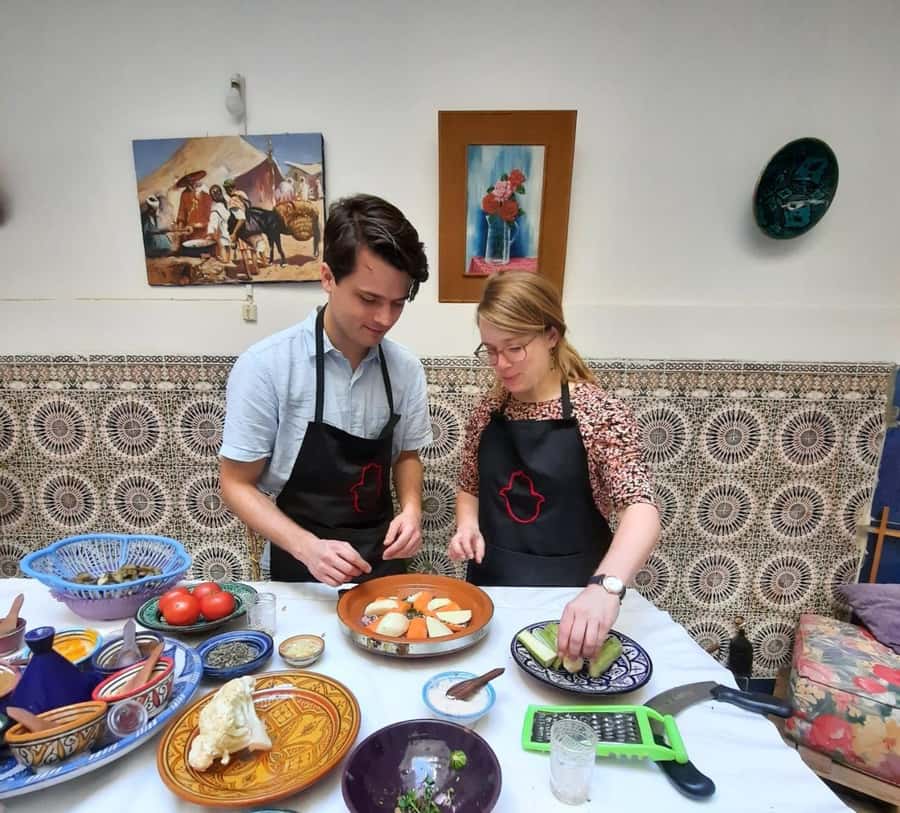
The menu changes, but the class generally includes three to six dishes. The structure may include several starters, one or two main dishes, and a traditional dessert.
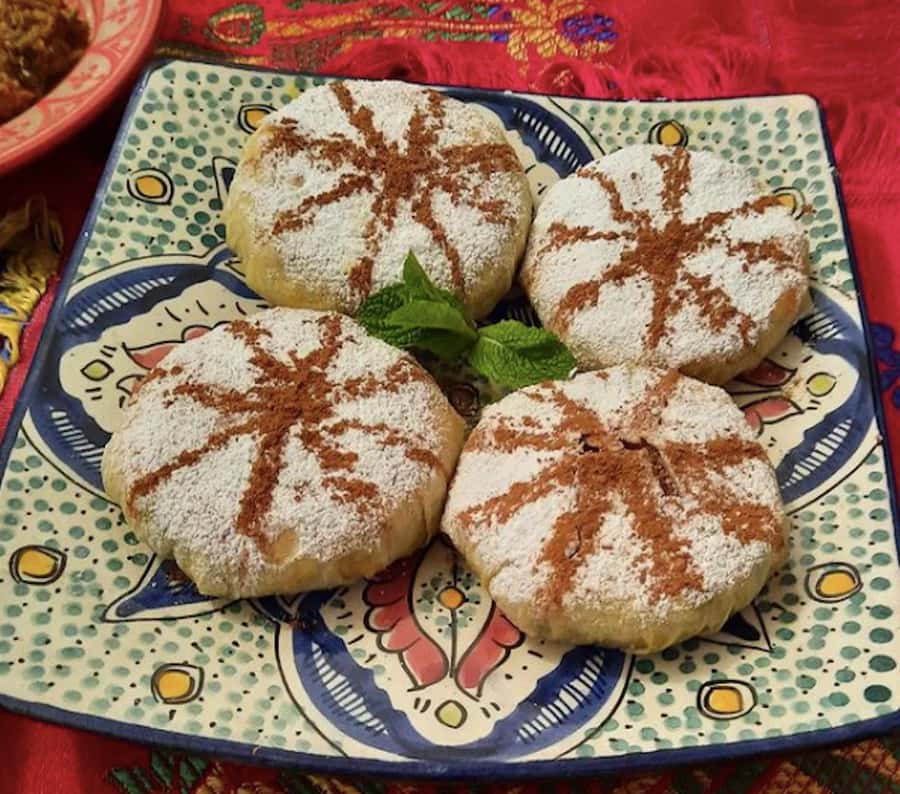
Past sessions have included four Moroccan salads or vegetable starters, a vegetarian tagine, a chicken tagine, and milk pastilla. The menu can also feature lemon chicken tagine, depending on the day and available ingredients.
This range is a strong point. You are not spending the whole class on one dish and then eating a small sample. You get a look at several parts of Moroccan cooking: fresh salads, spice mixtures, slow-cooked tagines, and a sweet pastry-based ending.
The cooking is organized as teamwork. You may chop vegetables, select ingredients, mix salads, add spices, and help arrange the tagines. The hosts aim to give everyone a turn, which works well for families and mixed-age groups.
The instructors explain the role of Moroccan spices as you work. You learn how seasoning is added and how the cooks judge the balance of a dish. The experienced chef may tell you what to add, then adjust the amount herself. That can be helpful because Moroccan cooking often depends on feel and proportion, not only fixed measurements.
The class is not a formal chef-training course. You will learn practical techniques and recipes, but the pace is relaxed and social. If you want technical instruction on knife skills or professional kitchen methods, this may feel informal. If you want to understand how Moroccan food is prepared in a home-style setting, the approach fits well.
More Markets in Marrakech
- Marrakech: Moroccan Cooking Class with Market Visit and Meal
★ 4.9 · 347 reviews - Moroccan Cooking Class & Marrakech Market Visit with Chef Khmisa
★ 5.0 · 1,504 reviews - Evening Marrakech: Gastronomic and Market Tour Inside the Medina
★ 4.5 · 283 reviews - Moroccan Cooking Class with Market Visit and Meal
★ 5.0 · 196 reviews
What the food is like at the shared meal
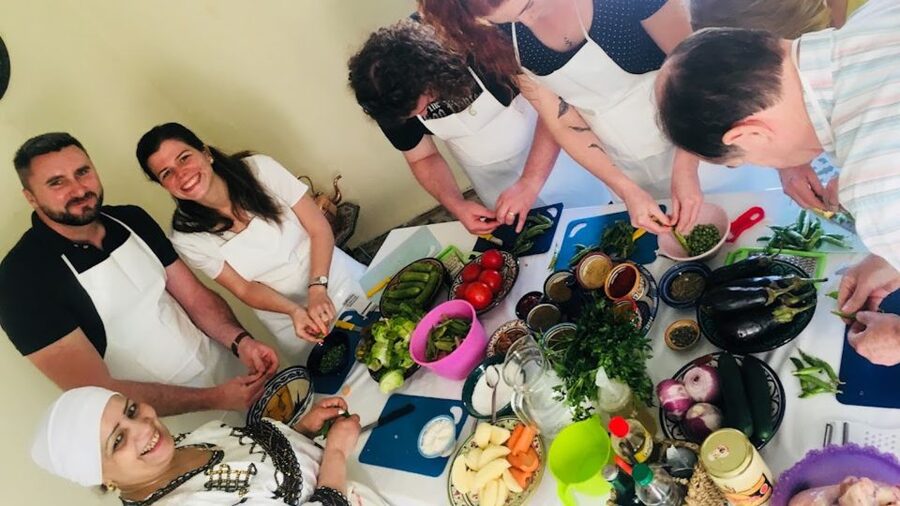
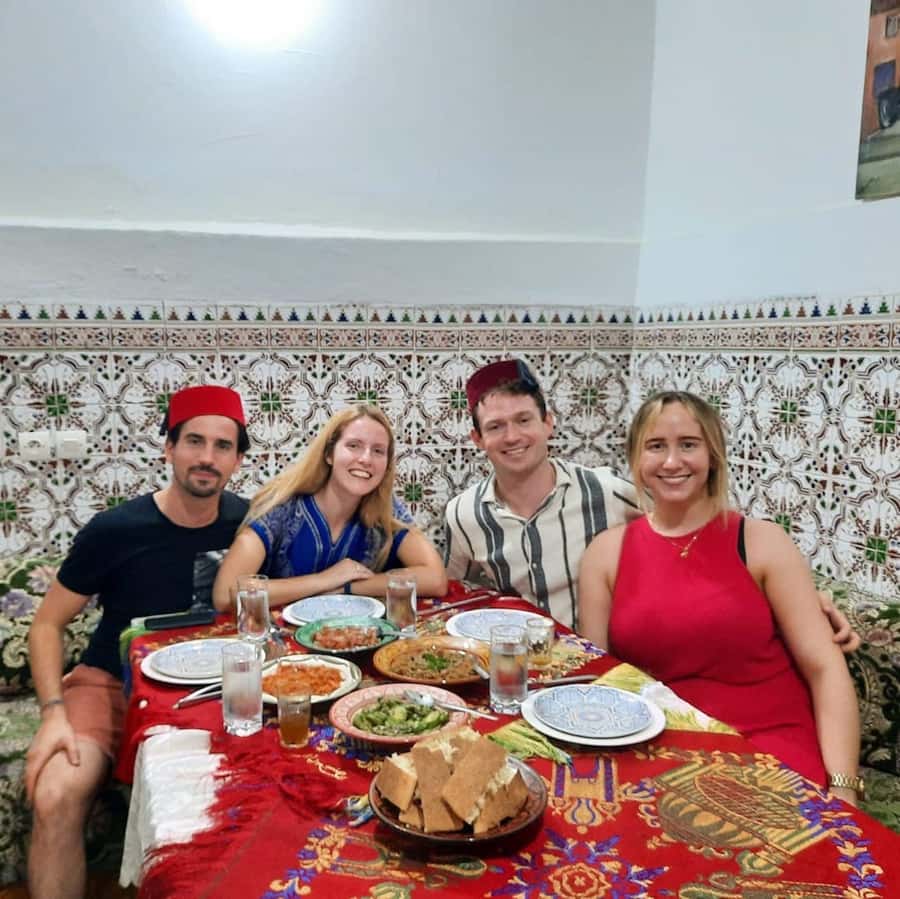
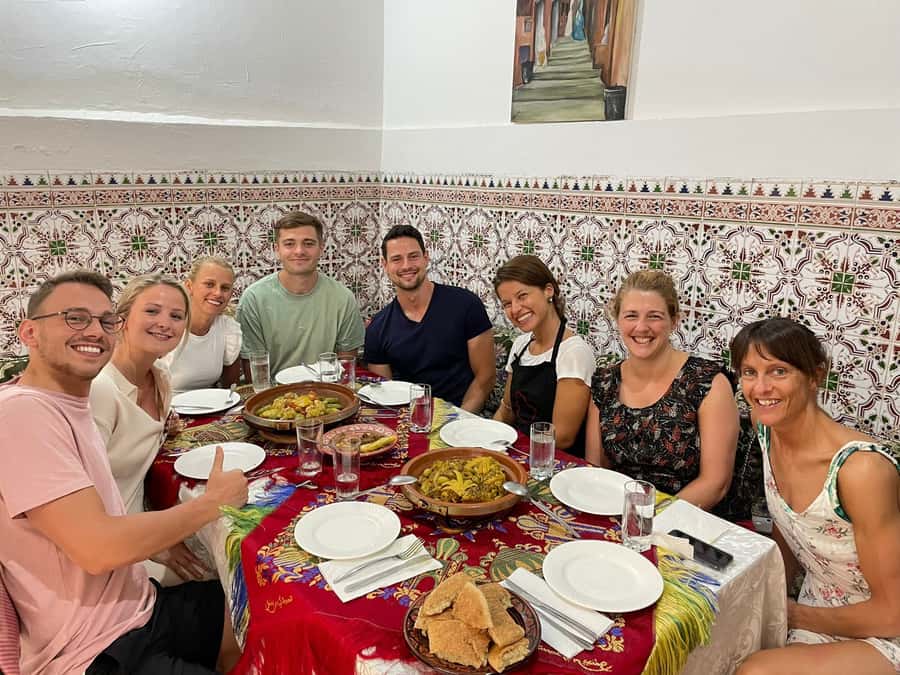
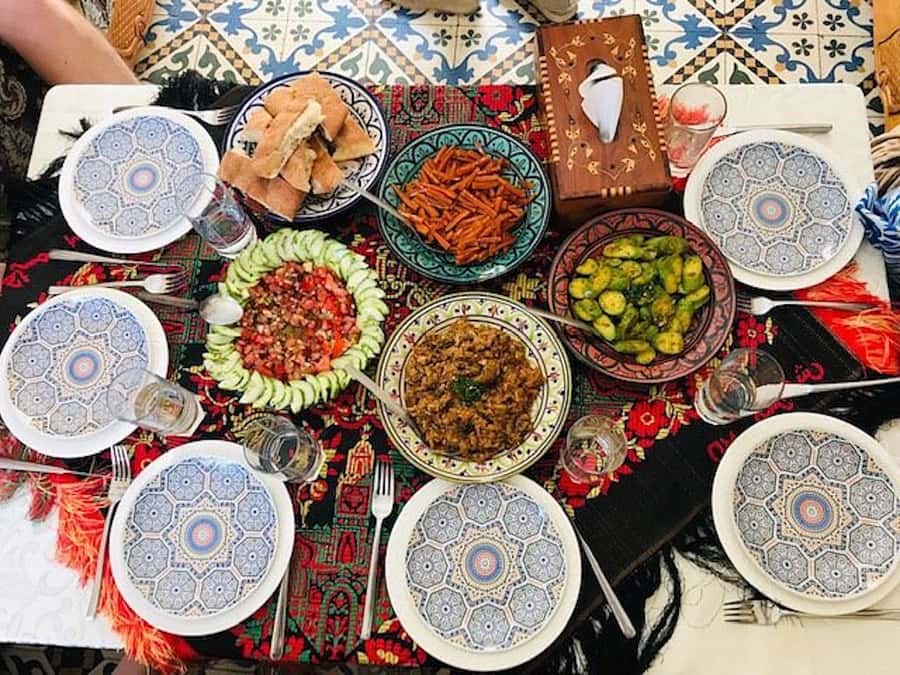
The final meal is the reward for the preparation, and it is included in the $40 price. You eat the food made by the group, usually with the people who cooked beside you.
The dishes are designed to be filling. A typical spread can include several starters, two mains, dessert, and mint tea. You should not expect a tiny tasting menu. The experience is built around sitting down to a proper lunch or dinner.
Chicken tagine receives particular attention in the class structure, while the vegetarian options are substantial rather than an afterthought. Vegetarian participants have prepared several starters and a vegetarian tagine, so you can still get a broad meal without meat.
Dietary needs should be discussed before the market walk. The activity specifically asks about allergies and restrictions at the start, but you should still explain your needs clearly when booking and again to the guide. The available menu depends on the arrangements for that session.
Eating together also gives the class a satisfying finish. You have seen the vegetables at the market, handled the spices, helped with the cooking, and then sit down to taste the result. That simple sequence makes the meal feel more meaningful than eating a dish prepared entirely by someone else.
Why the recipes matter after Marrakech
The electronic recipes are one of the best practical inclusions. Some Moroccan cooking classes are enjoyable in the moment but hard to repeat at home. Here, the recipes are sent afterward by email, giving you a clear way to make the dishes again.
The menu is based on ingredients that can often be found outside Morocco, though some spices or specialty products may need a visit to an international grocery shop. The class also offers fresh homemade spices before you leave. These can help you reproduce the flavors more closely.
The recipes are especially useful for tagines and Moroccan salads. You learn the basic ingredient combinations and preparation steps while making the food, then receive the written version once the trip is over.
I would save the recipes in two places before leaving Morocco. Email them to yourself and keep them with your travel photos or notes. It is easy to remember the taste of a chicken tagine but forget the order in which the ingredients were prepared.
The teaching style and group atmosphere
The tone is warm, patient, and informal. The local women running the class focus on involvement, so you are not expected to sit quietly while a chef performs in front of you.
The hosts use English, French, and Arabic. English communication is available, and translation may be used when the chef and guide have different language strengths. Ilham has translated during sessions, helping the lesson keep its energy and clarity.
That language setup can sometimes mean that explanations take a little longer. It is a small tradeoff for learning directly from local cooks rather than from a guide who only repeats a standard script.
The class suits families particularly well. An eight-year-old has taken part successfully, and older children and teenagers can help with shopping and preparation. Adults who enjoy food, culture, and meeting other people will also find plenty to do.
You should be ready to share the work. The activity is not a private lesson, and the group may include solo participants, couples, families, and friends. That mix is part of the experience, but it also means the amount of individual instruction depends on the group size.
Value at $40 per person
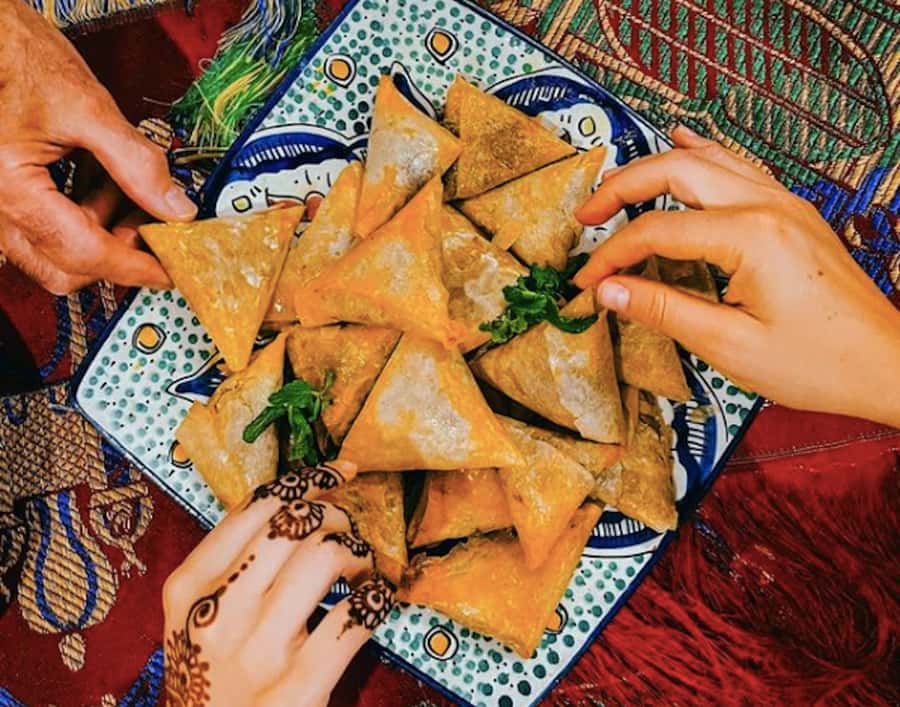
At $40 per person, this is a strong-value activity in Marrakech. The fee covers the market walk, all ingredients, a local guide, a Moroccan chef, mint tea, a full lunch or dinner, and electronic recipes.
You are also paying for access to a family-style setting and for the chance to shop for the food yourself. A restaurant meal gives you the finished dishes. This class gives you the meal plus the process, context, and recipes.
The value is best if you will actually cook again at home. If you only want to eat Moroccan food, a restaurant may be simpler. If you want a meal that teaches you something and gives you tools for later, the class offers much more for the same outing.
The price does not include transportation. Since hotel pickup and drop-off are not provided, allow extra time to reach the meeting point in the Medina. The class itself is often around two and a half hours, though the timing and menu can vary.
Reserve now and pay later if you need flexible planning. Cancellation is allowed up to 24 hours in advance for a full refund, which gives you some room to adjust your schedule.
Who should book this cooking class
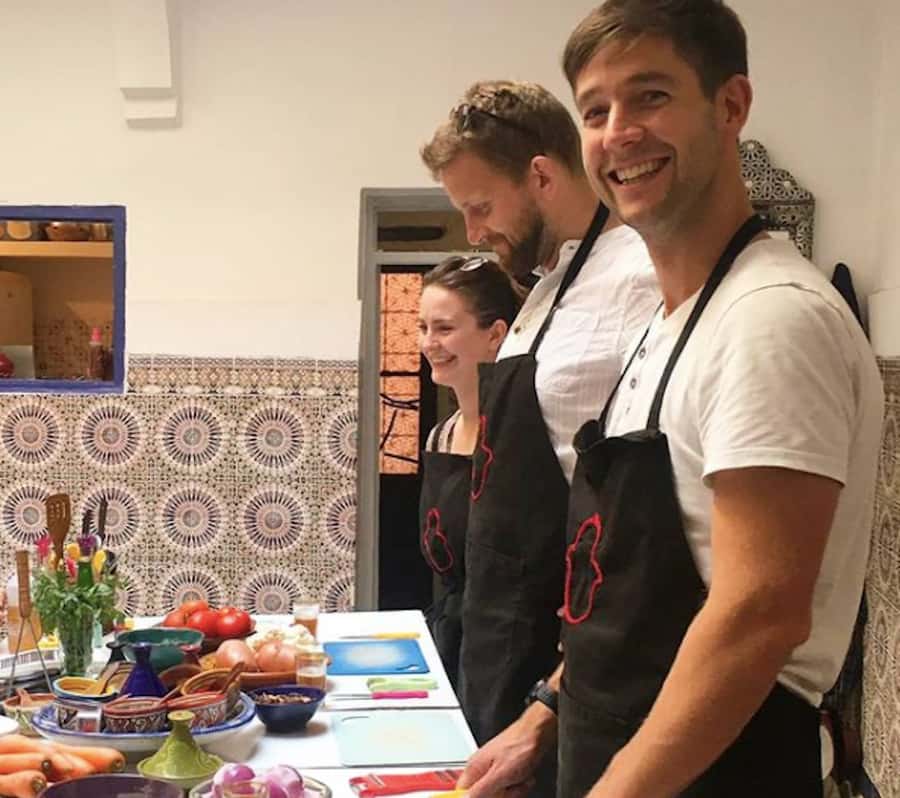
I would recommend this experience to several kinds of visitors:
- You want a direct connection to Moroccan food and daily life.
- You enjoy hands-on activities more than sightseeing from a distance.
- You are traveling with children or teenagers who need an activity with a clear role for everyone.
- You are vegetarian and want more than one meat-free dish.
- You like meeting people in a shared group setting.
- You want recipes you can make after returning home.
- You are curious about spices, pastry, tagine cooking, and Moroccan hospitality.
It may be less suitable if you have limited mobility, dislike walking through Medina streets, or want a private, highly polished culinary lesson. It is also not the right choice if you expect hotel pickup, since you must reach the meeting point yourself.
Pets, smoking, alcohol, and drugs are not allowed. Bring comfortable shoes and a hair tie, especially if you have long hair.
Should you book Khmisa Workshops?
Yes, if you want a warm, practical introduction to Moroccan cooking rather than a staged food show. The market visit, proper tea ritual, generous meal, and recipes make this more than a standard cooking demonstration.
I would book it early in your Marrakech stay if possible. The class can help you recognize spices, salads, and tagine flavors during the rest of your trip, and you may find yourself returning to dishes you learned to make.
Choose it with realistic expectations. You will share the workshop with others, walk through the Medina without hotel transport, and work in a relaxed family-style kitchen. For $40, that is a very good exchange for an authentic meal, useful instruction, and a welcoming look at Moroccan food culture.
FAQ
How much does the Marrakech cooking class cost?
The experience costs $40 per person. The price includes the market walk, ingredients, guide, chef, Moroccan tea, and lunch or dinner.
What does the market visit include?
You take a short walk through a local Moroccan food market and help shop for the fresh ingredients used in the class meal. The market is described as away from the more tourist-focused side of Marrakech.
Which languages are available?
The activity is available in English, French, and Arabic. A guide may translate for the chef during the cooking session.
How many people are in the class?
The group can include up to 12 people, though the size may vary. Private sessions are available on request.
What dishes will I make?
The menu includes three to six Moroccan dishes, with starters, a main course, and milk pastilla for dessert. Past sessions have included Moroccan salads, vegetarian tagine, chicken tagine, and lemon chicken tagine.
Is a meal included?
Yes. Lunch or dinner is included, along with Moroccan mint tea. You eat the food prepared during the session with the group.
Will I receive the recipes afterward?
Yes. Electronic recipes are sent afterward by email. Homemade spices may also be available to purchase before you leave.
Is the activity wheelchair accessible?
No. The experience is not suitable for wheelchair users. Hotel pickup and drop-off are also not included.
More Cooking Classes in Marrakesh
- Marrakech: Moroccan Cuisine Cooking Class in Local Home
★ 4.8 · 508 reviews - Marrakech: Moroccan Cooking Workshop at La Maison Arabe
★ 5.0 · 446 reviews - Marrakech: Tajine Cooking Class in a Traditional Riad
★ 4.8 · 424 reviews - Marrakech: Atlas Mountains Cooking Class with Berber Family
★ 4.9 · 299 reviews
More Shopping Tours in Marrakech
- Marrakech: Exclusive Private Shopping Adventure in The souks
★ 4.9 · 77 reviews - Marrakech & Souk Shopping Tour.
★ 4.8 · 62 reviews - Marrakech: Hidden Souks Shopping Tour with Private Guide
★ 4.1 · 53 reviews - Marrakech: Medina Souks, Hidden Markets and Shopping Tour
★ 4.8 · 33 reviews
Just listed out of Marrakesh
- Marrakech: Ouzoud Waterfalls Trip, Guide & Boat + Lunch★ 4.7 · 33 reviews
- Marrakech: Vibrant Dinner Show at The Lotus Club★ 3.9 · 33 reviews
- From Marrakech: 3-Day Merzouga and Sahara Desert Tour★ 4.5 · 33 reviews
- Marrakech: Private Souks Tour with Tea and Traditional Snack★ 4.6 · 33 reviews
- From Marrakech: Small Group To Essaouira & Medina Day Trip★ 4.3 · 33 reviews
- Marrakech: Medina Souks, Hidden Markets and Shopping Tour★ 4.8 · 33 reviews
- 2 Days Desert Agafay and Atlas Mountains Trek From Marrakech★ 3.8 · 33 reviews
- Agadir/Taghazout : Marrakech Guided Tour old Medina & Souks★ 3.7 · 34 reviews
Marrakech Tours, compared.

Agafay Desert Sunset, Camel Ride, and Dinner Show
Read our review →
Agafay Desert Quad & Camel Rides with Dinner Show
Read our review →
Agafay Desert Quad Biking Tour with Dinner-Show
Read our review →
Atlas Mountains, Ourika Valley, Waterfall & Lunch
Read our review →

Quad Bike Tour to Palm Oasis and Jbilat Desert
Read our review →Browse the lists this tour appears in