
Reviewed · SAHARA DESERT TOURS
From Marrakech: Merzouga 3-Day Desert Safari with Food
The best part of this three-day route to Merzouga is the steady change in scenery. You leave Marrakech’s busy streets, cross the High Atlas, pass Berber villages and kasbahs, walk into a narrow gorge, and finally reach the broad golden dunes of Erg Chebbi. The camel ride at sunset and the campfire after dinner give the trip its big finish.
I like the way the tour combines famous sights with long stretches of open road. Ait Ben Haddou and Todgha Gorges are not filler stops, and the overnight camp includes dinner, music, and a sunrise ride rather than only a quick photo stop. I also like the attentive driving reported by guides such as Hichaam, Youssef, Ajbli, Rarhib, and Mohamed Bakhouz.
The tradeoff is distance. Day 3 is a very long drive back to Marrakech, and even the outbound journey involves many hours in a minibus. Lunches and drinks are extra, and some scheduled restaurants and shops can feel expensive for what they offer.
Key Points at a Glance
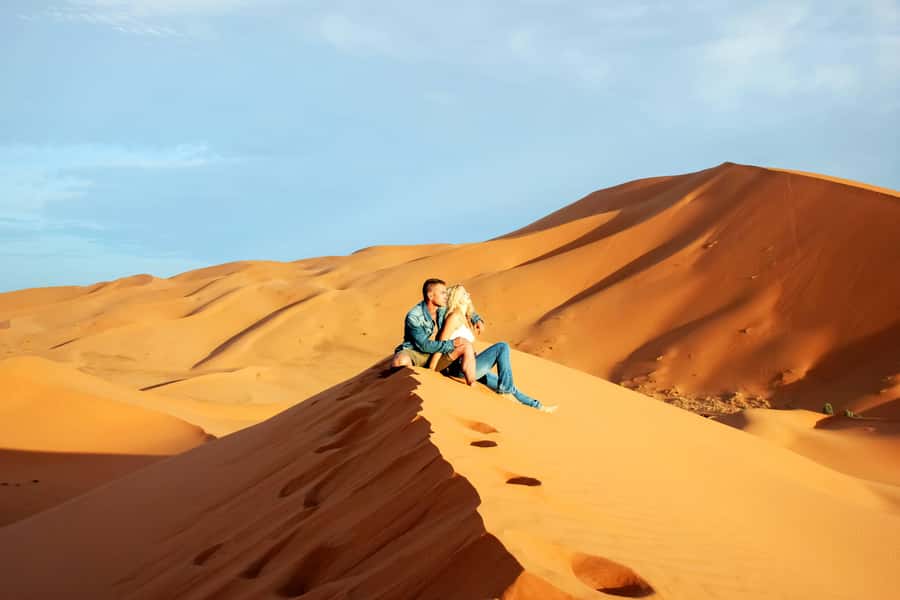
- Sunset camel ride: Cross the Erg Chebbi dunes during golden hour, then return by camel at sunrise.
- Two different overnight stays: Spend one night in a private hotel room or suite, then one night in a private desert tent.
- Ait Ben Haddou stop: Explore the UNESCO-listed fortified village, known for appearances in Gladiator and Game of Thrones.
- Todgha Gorges walk: Leave the vehicle for free time among the tall canyon walls near Tinghir.
- Price includes the main desert experience: At $122 per person, transport, accommodation, breakfasts, dinners, camel rides, and camp entertainment are covered.
- Long but well-broken-up driving: Toilet, water, lunch, photo, and sightseeing stops help, though this is not a relaxed road trip.
Why This Merzouga Safari Works So Well
At $122 per person, this is a strong-value way to reach the Sahara from Marrakech. The price includes hotel pickup and drop-off, an air-conditioned minibus or minivan, a multilingual driver-guide, two nights of accommodation, two dinners, two breakfasts, sunset and sunrise camel rides, onboard Wi-Fi, luggage handling, and camp music.
That package matters because Merzouga is far from Marrakech. Reaching the dunes independently would mean arranging several transfers, hotels, meals, and a desert camp. Here, the route is handled in one booking, and your luggage is stored and carried along the way.
You should still budget for lunch, drinks, tips, and optional activities. Quad biking costs €50 per person for a one-hour session, with at least two people required. Sandboarding is optional and taken at your own responsibility, since it is not covered by the operator’s insurance.
The tour has earned a 4.7 rating from more than 12,000 bookings, and the most consistent strength is the driver. Names vary by departure, but guides including Hichaam, Youssef, Ajbli, Oussama, Abdelaali, Himma, Rarhib, and Mohamed Bakhouz are repeatedly praised for safe driving, patience, humor, and checking that everyone is comfortable. Your experience depends partly on who is assigned, but the driver is more than a person behind the wheel. On this route, a good one makes the long hours feel manageable.
A few other Marrakesh days worth comparing
- From Marrakech: 3-Day Merzouga and Sahara Desert Tour
★ 4.9 · 15,308 reviews - Marrakech: 3-Day Merzouga Desert Experience Camel & Meals
★ 4.6 · 6,252 reviews - From Marrakech: 2-Day Sahara Tour to Zagora & Ait Ben Haddou
★ 4.4 · 1,925 reviews
Day One: From Marrakech Over the High Atlas
Pickup begins at about 7 AM. If your riad is inside a narrow Medina lane, the minibus may not reach the door. Instead, you will receive a nearby meeting point, usually within a short walk. Pickup details are sent through the GetYourGuide app and WhatsApp by 6 PM the day before.
The first major stage is the High Atlas crossing. The road passes one Berber village after another, with changing views as Marrakech gives way to mountain country. Bring a seatbelt, water, sunglasses, and a phone with space for photos. The vehicle has air conditioning and Wi-Fi, but a portable charger is still a smart item for the long day.
The tour uses frequent stops to break up the drive. These include toilets, water, photos, meals, and short visits. That rhythm helps, but you should not mistake the route for a quick transfer. You are covering a great deal of Morocco in three days.
Ait Ben Haddou: Morocco’s Famous Fortified Village
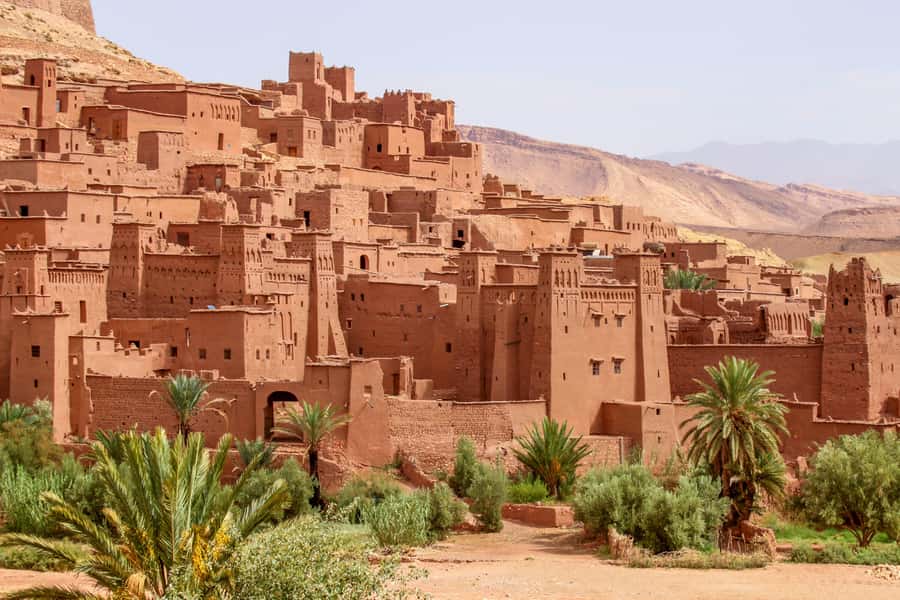
Ait Ben Haddou is the first major cultural stop. Its earthen walls and clustered kasbahs rise above the surrounding countryside, making it one of the most recognizable sites on the route. The fortified village has been used in major film productions, including Gladiator and Game of Thrones, as well as magazine photo shoots.
You get leisure time in the area and lunch at a local restaurant. A local guide is optional and costs €2 per person. I would consider paying for the guide if you want the buildings and lanes explained, since a short guided walk can add context that you will not get from photos alone.
The stop is also a good test of your footwear. The tour recommends comfortable shoes, and that advice is practical here. Surfaces can be uneven, and you will get more from the visit if you can walk without worrying about your feet.
Lunch is not included, so prices can vary. You may find the assigned restaurant convenient but more expensive than a simple local meal elsewhere. Since the group has a schedule, leaving the planned stop can be awkward, so carry cash and accept that convenience is part of the price.
Ouarzazate and the Road Toward Dades
After Ait Ben Haddou, the drive continues through Ouarzazate, often called the Gate of the Sahara. The town marks the shift from the High Atlas area toward the desert regions and kasbah country.
From there, you travel toward Boumalne Dades through the Dades Valley. This is one of the most rewarding parts of the road journey because the scenery keeps changing without requiring another formal attraction. You pass dry valleys, villages, and earth-colored architecture along the Road of 1001 Kasbahs.
The first night is at a kasbah-style hotel in the Dades area or Kelaat Mgouna. You receive a private air-conditioned room or suite with a private bathroom, dinner, and breakfast. The standard is practical rather than lavish. One report described the hotel as good and safe, with friendly staff, while another noted that hot water was not always available. If a comfortable shower is important to you, keep expectations sensible.
Same city, a completely different day out:
- Marrakech: Agafay Desert Sunset, Camel Ride, and Dinner Show
★ 4.6 · 35,119 reviews - From Marrakech: Ouzoud Waterfalls Guided Hike and Boat Trip
★ 4.7 · 33,630 reviews - Marrakech: Agafay Desert Quad & Camel Rides with Dinner Show
★ 4.8 · 27,382 reviews - Marrakech: Agafay Desert Quad Biking Tour with Dinner-Show
★ 4.8 · 16,569 reviews
Day Two: Tinghir and the Todgha Gorges
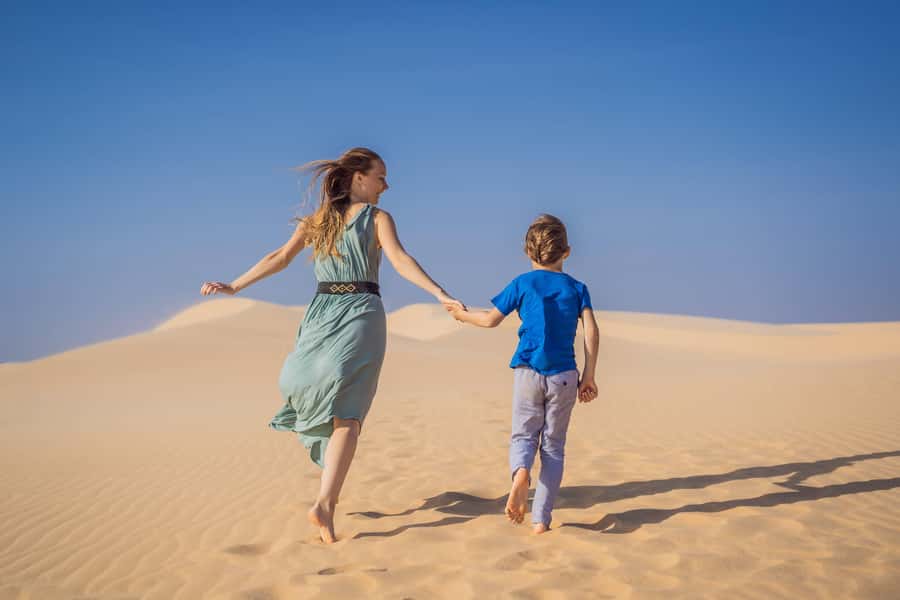
After breakfast, you leave the hotel for Tinghir and the Todgha Gorges. The canyon walls are the day’s main visual event, rising dramatically beside the road and walking area. You get free time to explore, take photos, and walk among the rock walls before lunch at a local café.
This stop gives the tour a useful change of pace. Instead of viewing Morocco through a vehicle window, you can stretch your legs and experience the scale of the gorge directly. One visitor wished for more time at Dades, so if you like walking and geology, you may also find the gorge stop shorter than you want.
The local guide arrangements can vary. Some guides are praised for taking visitors to several viewpoints and explaining the area well, while one account described a guide in Tinghir as overly pushy about purchases. You do not need to buy anything to enjoy the gorge. Be polite, stay with the group, and treat shopping suggestions as optional.
The Road to Merzouga and Erg Chebbi
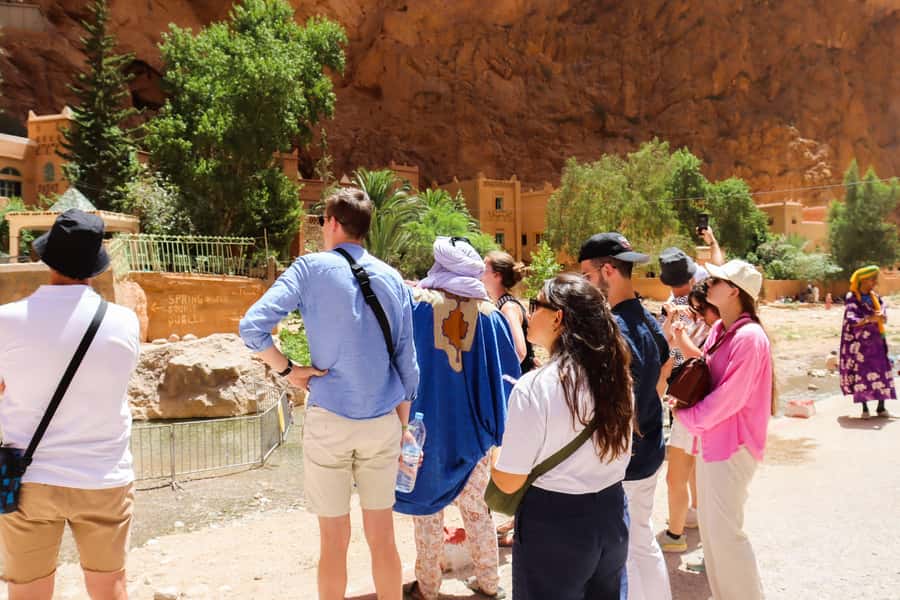
After lunch, the minibus continues toward Merzouga. This is another long driving section, but it leads to the main event: the Erg Chebbi dunes.
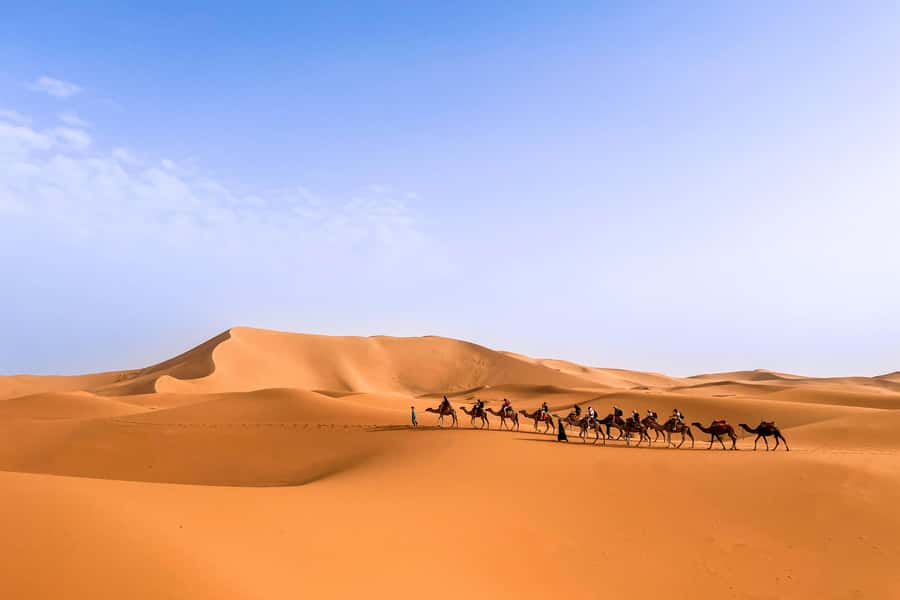
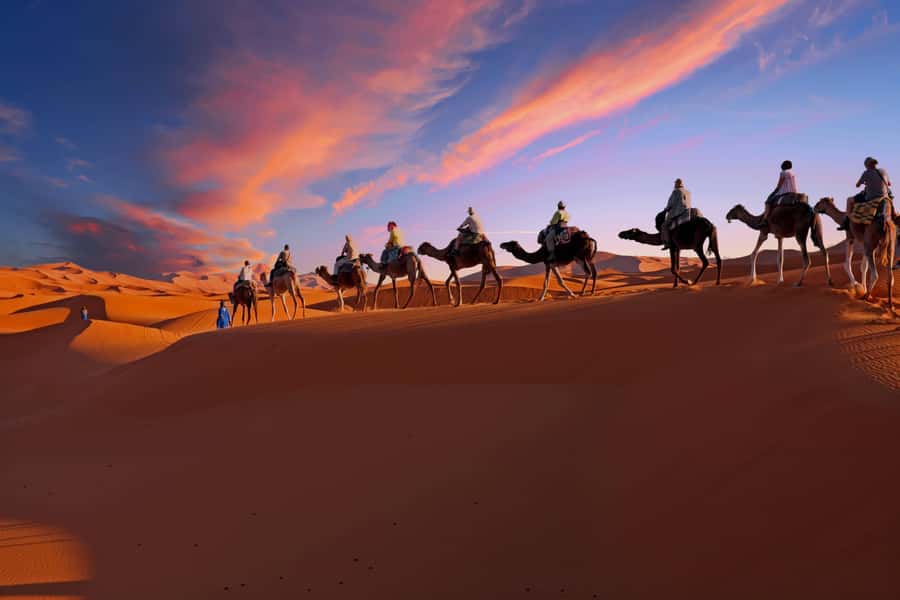
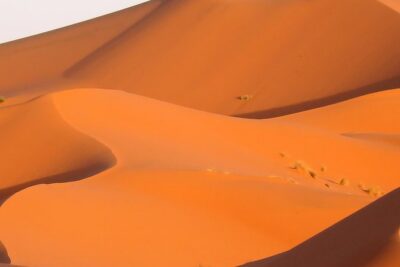
At Merzouga, you meet the camel caravan. The sunset ride takes you into the dunes during golden hour, when the sand changes color and the low sun creates long shadows. The ride itself is usually a slow, steady crossing rather than an athletic activity, but you should still expect a firm saddle and a different kind of motion than you get in a car.
If camels are not suitable for you, the standard camp allows you to walk to camp. You can also request a 4×4 transfer for €50 per car, available with both standard and luxury camp options. Ask about this in advance rather than waiting until departure.
Quad biking is also available for €50 per person for one hour, with a minimum of two people. If you choose it, ask for a clear safety briefing and practice time before heading into the dunes. A first-time rider may need several minutes to get used to the controls and loose sand.
A Night in the Desert Camp
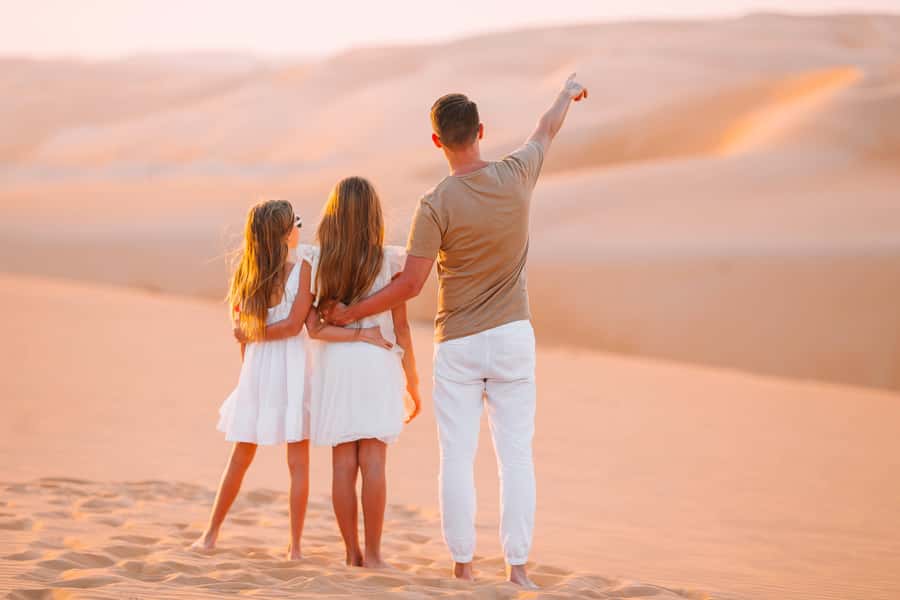
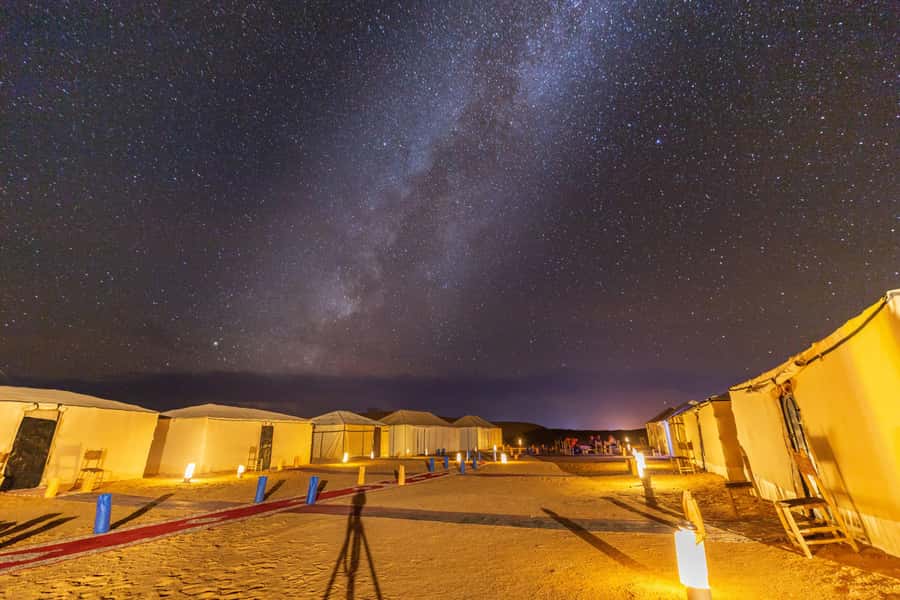
The camp is reached before nightfall. You stay in a private tent, but the bathroom arrangement depends on the option you book. Standard tents use shared bathrooms nearby. Luxury tents have private bathrooms inside, which can make a major difference after a full day on the road.
Both camp types include the key desert activities. You get sunset and sunrise camel rides, dinner, breakfast, and campfire music. Local nomads perform music and show you how to play traditional Tam Tam drums, giving the evening a social element rather than leaving you alone in a tent after dinner.
The luxury upgrade is worth considering if the price difference fits your budget. The private shower and toilet are useful, especially in cold weather or for anyone who values privacy. The luxury option does not change the basic dune setting, but it improves the night’s comfort.
Cold is the detail most likely to surprise you. February visitors repeatedly advise bringing warm layers, and the tents may not have heaters. Desert days can feel sunny and mild while the night becomes sharply cold. Pack a fleece, warm socks, a hat, and an extra layer even if Marrakech feels warm when you leave.
Water is another practical point. Water may not be available at camp unless you pay for it, so buy enough before reaching the dunes. Cash is useful because many stops and optional activities do not accept cards.
Sunrise and the Long Return to Marrakech
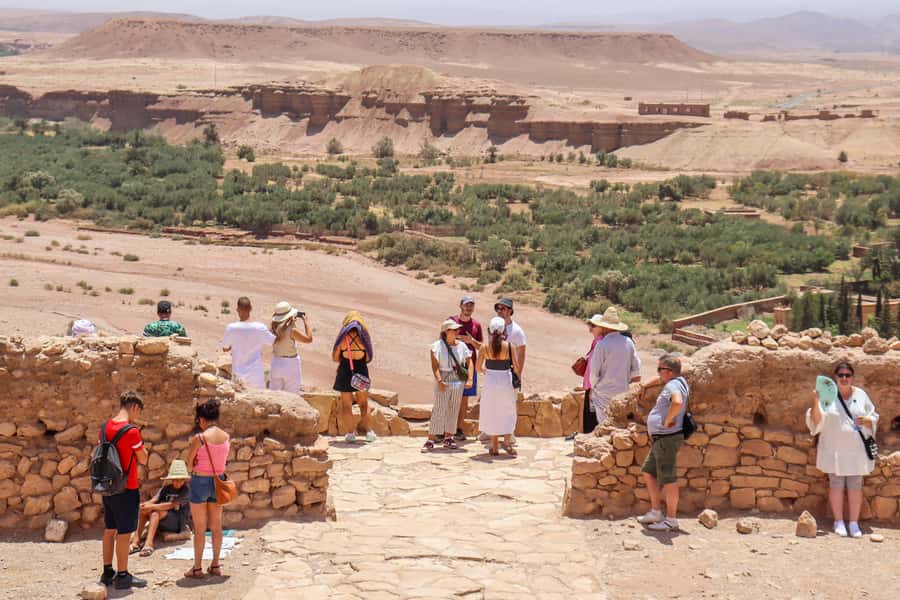
You can wake early for sunrise before breakfast. This is one of the quietest moments of the trip, when the dunes are lit from the opposite side and the camp has not yet fully started its morning routine.
After breakfast, a driver collects you for the return journey. The route back to Marrakech is long, with a lunch stop roughly halfway. You should plan for a full day in the vehicle and keep snacks, water, headphones, and a portable charger within easy reach.
The tour ends around 8 PM at your original departure point or near Djemaa El Fna. Do not schedule a flight, train, or important evening reservation immediately afterward. Weather can also affect the timing. If snow closes the usual High Atlas road, the group may take an alternative route through Taroudant, and rare weather problems can extend the trip.
The return drive is the clearest weakness of the tour. You are tired after the camp night, and the novelty has worn off. Still, the frequent stops and careful drivers help. Several people specifically praised drivers for checking seatbelts, keeping everyone together at stops, and making the journey feel safe.
Food, Stops, and Extra Costs
Breakfast and dinner are included on both nights. Vegetarian options are available. The food is part of the package, but lunches and drinks are not, so the final cost will be higher than the headline price.
You will stop at local restaurants during the road sections. These places are convenient and keep the group on schedule, but some charge tourist prices. Carry cash, ask the price before ordering extras, and bring snacks if you are particular about what you eat.
Shopping stops may appear along the route. You can browse without buying, and a firm but polite no is enough. One guide, Bajo Muhamad, was praised for helping prevent unwanted pressure in shops, but service can vary between local stops.
The $122 base price remains good value because the expensive logistical parts are covered: the vehicle, driver, hotels, camp, camel rides, and main meals. Think of it as a structured introduction to southern Morocco, not a bare-bones transfer.
Who Should Book This Three-Day Route
I would choose this tour if you have limited time in Morocco and want several major sights in one trip. It suits adults, couples, friends, and independent visitors who prefer a planned route rather than arranging desert transport themselves.
It is less suitable if you dislike long drives, need a slow pace, or want several hours at each attraction. The route covers mountains, kasbahs, valleys, gorges, and dunes quickly. You see a lot, but you do not get unlimited time anywhere.
The experience is not suitable for pregnant women or wheelchair users. Children may also find the long return drive difficult, even though stops break up the journey.
Private groups are available if you want more control over stops and company. For a shared departure, the driver’s personality matters. Drivers such as Hichaam, Youssef, Ajbli, and Rarhib have been praised for humor and flexibility, while Mohamed Bakhouz is noted for patience and care. Names cannot be guaranteed, so book for the route and included services rather than for a specific driver.
What to Pack for the Sahara
Keep these items in your day bag rather than buried in the luggage compartment:
- Comfortable shoes for Ait Ben Haddou and Todgha Gorges
- Sunglasses, a sun hat, and sunscreen
- Warm layers for the desert night
- Comfortable clothes for the camel ride
- A portable charger
- Cash for lunches, drinks, water, tips, and optional quad biking
- Your passport, or a copy if accepted for your booking
- A refillable water bottle or enough purchased water for the camp
A scarf can also be useful for sun and blowing sand, though it is not listed as a required item. Keep valuables with you and use the provided luggage storage for larger bags.
Final Verdict: A Strong Value, If You Accept the Driving
I would book this Merzouga safari if my priority were to see the Sahara, sleep in a desert camp, and visit Ait Ben Haddou and Todgha Gorges without building the route myself. The camel rides, camp dinner, Tam Tam drumming, and sunrise give you the classic desert experience, while the mountain and kasbah stops add real variety.
I would skip it only if long road days are a dealbreaker. The return to Marrakech is tiring, lunch stops can be overpriced, and standard camp bathrooms are shared. Choose the luxury tent if private facilities matter, pack warm clothes, buy water before camp, and keep your schedule clear on the final evening.
For $122 per person, this is a practical and memorable way to connect Marrakech with southern Morocco. It is not leisurely, but it gives you a lot of country, culture, and desert in three well-organized days.
FAQ
How long is the Merzouga desert safari?
The tour lasts three days. It starts at about 7 AM on Day 1 and returns to Marrakech around 8 PM on Day 3.
Where does pickup take place in Marrakech?
Pickup is available from your hotel or riad. If the property is not accessible by car, the driver provides a nearby meeting point, usually a short walk away.
Is the camel ride included?
Yes. Sunset and sunrise camel rides in the Merzouga Desert are included with both standard and luxury camp options.
What is included in the desert camp stay?
The camp stay includes a private tent, dinner, breakfast, music around the campfire, Berber drumming, and the included camel rides. Standard tents use shared bathrooms, while luxury tents have private bathrooms.
Are lunches included?
No. Lunches and beverages during the journey are not included. Personal expenses are also separate.
Can I choose a 4×4 transfer instead of riding a camel?
Yes. You can request a 4×4 transfer to camp for €50 per car. Walking to the camp is also available with the standard option.
Is quad biking available?
Yes. Quad biking is an optional one-hour activity costing €50 per person, with a minimum of two people. Sandboarding is also optional and is taken at your own responsibility.
More Safari in Marrakesh
- From Marrakech: Zagora 2-Day Desert Safari with Food & Camp
★ 4.5 · 1,137 reviews - Marrakech: Atlas Mountains and Desert Safari with Lunch
★ 4.5 · 212 reviews - Agadir/Taghazout : Quad Bike Safari Desert
★ 4.8 · 1,496 reviews - From Agadir or Taghazout: Quad Biking Safari Desert Trip
★ 4.5 · 1,046 reviews
More 3-Day Experiences in Marrakesh
- From Marrakech: Unforgettable 3-Day Desert Tour to Fes
★ 4.9 · 2,614 reviews - From Marrakech: 3-Day Sahara Tour with Private tent & Meals
★ 4.8 · 1,652 reviews - From Marrakech: 3-Day Sahara Desert Adventure to Fes
★ 4.5 · 1,405 reviews - From Marrakech: 3-Day Desert with luxury camp, camel & meals
★ 4.6 · 922 reviews
Just listed out of Marrakesh
- Marrakech: Ouzoud Waterfalls Trip, Guide & Boat + Lunch★ 4.7 · 33 reviews
- Marrakech: Vibrant Dinner Show at The Lotus Club★ 3.9 · 33 reviews
- From Marrakech: Small Group To Essaouira & Medina Day Trip★ 4.3 · 33 reviews
- From Marrakech: 3-Day Merzouga and Sahara Desert Tour★ 4.5 · 33 reviews
- Marrakech: Private Souks Tour with Tea and Traditional Snack★ 4.6 · 33 reviews
- Marrakech: Medina Souks, Hidden Markets and Shopping Tour★ 4.8 · 33 reviews
- 2 Days Desert Agafay and Atlas Mountains Trek From Marrakech★ 3.8 · 33 reviews
- Agadir/Taghazout : Marrakech Guided Tour old Medina & Souks★ 3.7 · 34 reviews
Sahara Desert Tours, compared.
3 Days Desert Tour From Marrakech To Merzouga Dunes & Camel Trek
Read our review →
3-Day Marrakech to Fes Sahara Desert Tour via Merzouga
Read our review →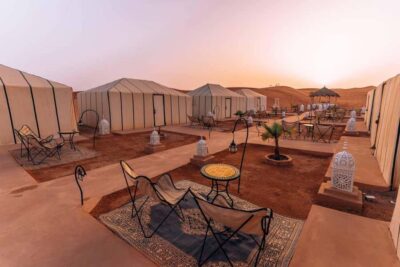
3-Day Merzouga Desert Experience Camel & Meals
Read our review →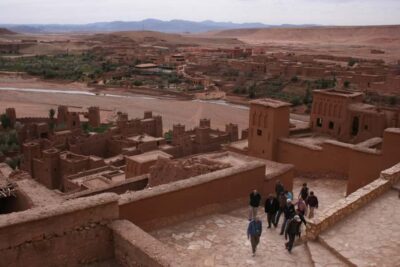
3-Day Tour to Merzouga Erg Chebbi with Food & Camel Trek
Read our review →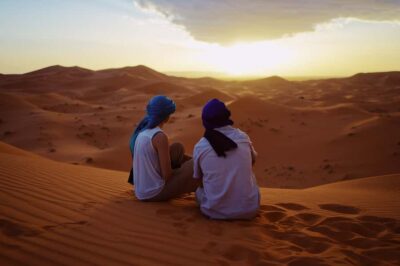
Sahara Desert 2-Day Tour with Merzouga Camp Stay
Read our review →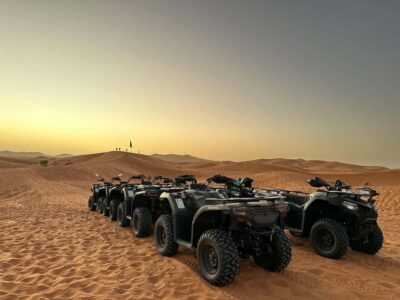
Browse the lists this tour appears in