
Reviewed · SAHARA DESERT TOURS
From Marrakech: Zagora 2-Day Desert Safari with Food & Camp
Zagora is the quick way to get a taste of Morocco’s desert. In two long days, you cross the High Atlas, walk through Ait Ben Haddou, ride camels into the sand at sunset, and sleep in a private tent with drums and dancing around the fire. It is a lot of Morocco in a short burst.
I like two things here: the route gives you far more than a camel ride, and the camp evening feels warm and human rather than staged. Drivers such as Housayn Imlil, Mustapha Fadli, and Mohamed are praised for safe driving and photo stops. The main drawback is the road time. Day one starts around 7 a.m., day two ends near 6 p.m., and much of both days is spent in a minibus.
Key points to know before booking
- Ait Ben Haddou adds real cultural value: You can explore the UNESCO-listed ksar and hire a local guide for about €2 to €3 per person.
- The camel rides are about the setting: Sunset and sunrise are included, but the ride can last around an hour and may be uncomfortable.
- The camp has private tents: Standard tents use shared showers and toilets, while luxury tents have private bathrooms inside.
- The road journey is part of the tour: Expect mountain views, regular toilet stops, and a long drive through the Draa Valley.
- Pack a small overnight bag: Your main luggage remains in the vehicle while you ride camels to camp.
- The price is strong for a two-day trip: At $113 per person, transport, camp, two breakfasts, two dinners, camel rides, and entertainment are included, but lunches, drinks, and some guide fees are extra.
What $113 buys you on the road to Zagora
At $113 per person, this is a good-value package if you want Morocco’s desert experience without arranging several separate transfers. The price covers pickup and return to your Marrakech hotel or riad, an air-conditioned minibus or minivan, a multilingual driver-guide, one night in a private tent, two camel rides, dinner, breakfast, camp music, and access to showers and toilets.
That list matters because desert trips can become expensive once transport and overnight lodging are added separately. Here, you pay extra for lunch, drinks, the optional guide at Ait Ben Haddou, and activities such as quad biking. You should also carry cash for tips, since the camel guide and driver play a large part in making the long trip run smoothly.
You get onboard Wi-Fi and secure luggage storage, useful touches during a long road day. Still, do not mistake this for a relaxed weekend in the desert. The tour leaves around 7 a.m. on day one and returns to Marrakech at about 6 p.m. on day two. You are choosing efficiency, not leisure.
A few other Marrakesh days worth comparing
- From Marrakech: 3-Day Merzouga and Sahara Desert Tour
★ 4.9 · 15,308 reviews - From Marrakech: Merzouga 3-Day Desert Safari with Food
★ 4.7 · 12,232 reviews - Marrakech: 3-Day Merzouga Desert Experience Camel & Meals
★ 4.6 · 6,252 reviews
Crossing the High Atlas from Marrakech
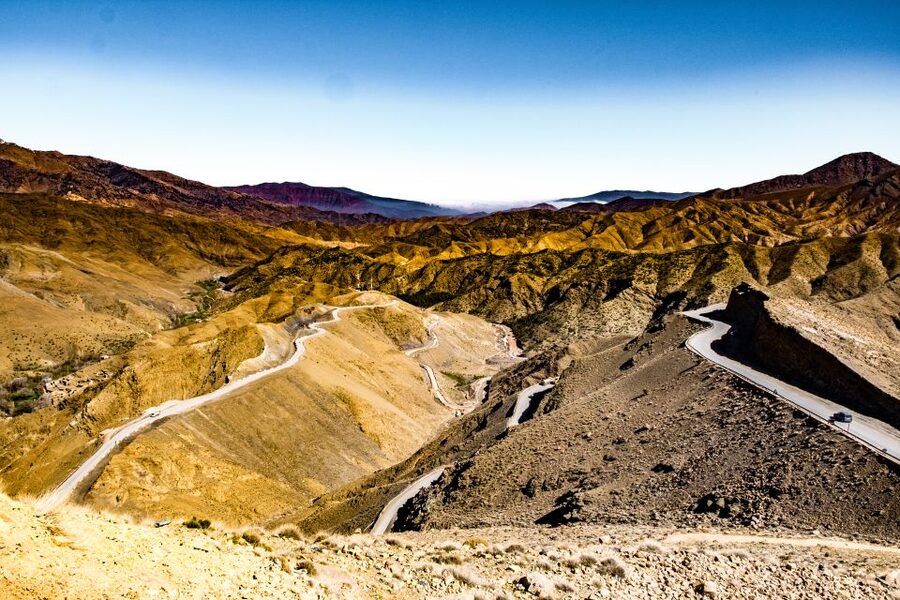
The first section takes you out of Marrakech and over the High Atlas through the Tizi n’Tichka pass. This is one of the most scenic parts of the trip, with mountain roads, changing views, and frequent chances to stop for photographs.
The road is winding, so bring water and take advantage of the planned breaks. Several drivers, including Houssain Ford, Nour Eddin, Abderrahman, and Kamel, receive special praise for stopping at viewpoints and keeping the van clean and comfortable. Your driver is not only behind the wheel. A good one explains what you are seeing, answers questions, and helps the hours pass.
The vehicle is air-conditioned, but temperatures change sharply along the route. Summer can be hot, while winter mornings and nights can be cold. In November through February, bring warm layers for the mountain stops and desert camp. Comfortable clothes, sunglasses, sunscreen, and a sun hat are sensible year-round.
Ait Ben Haddou and the cost of a local guide
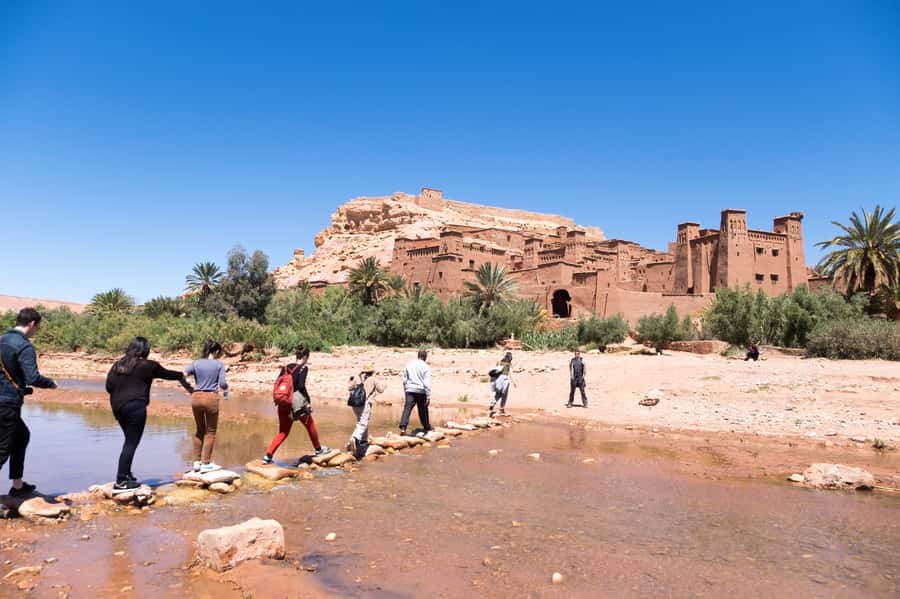
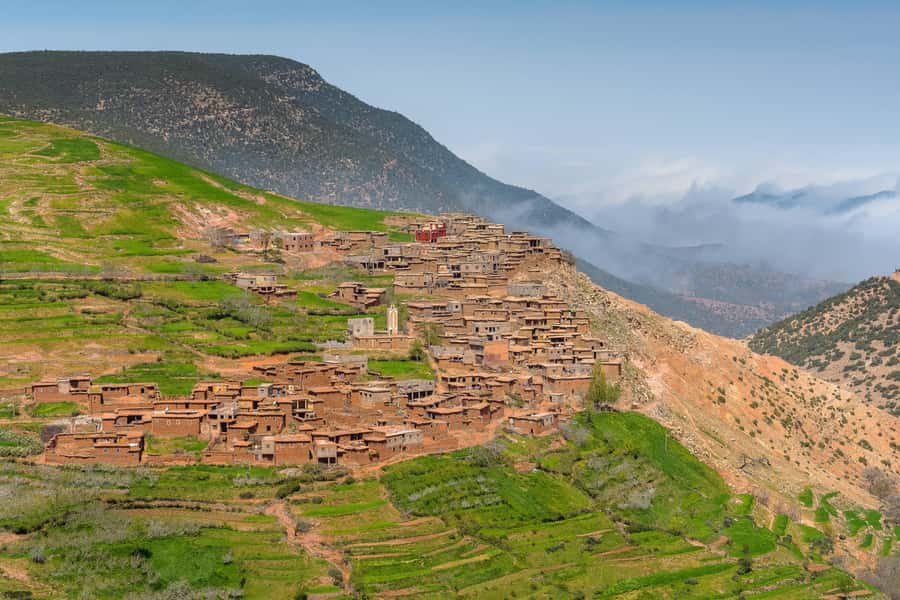
Ait Ben Haddou is the first major stop, and it earns its place on the route. This fortified earthen village, or ksar, has been used as a setting for major films and television productions, including Gladiator and Game of Thrones. Its clustered walls and towers make it instantly photogenic, but the place is more interesting when you look beyond its screen appearances.
You have free time to explore and eat lunch. A local guide is optional and costs about €2 to €3 per person. I would pay it if you want the layout and old trading life explained rather than simply walking through a series of lanes and doorways. Guides such as Abdul, Ali, Said, and Mohammed have been praised for bringing the site to life and explaining local art, carpets, and the area’s past.
Lunch is not included. Stops are arranged during the day, and the meal may cost more than one in Marrakech. One meal described by a participant came to roughly 120 dirhams, though prices and restaurants can vary. A small snack in your day bag is wise, especially if your group’s meal takes time to arrive.
Ait Ben Haddou can feel touristy in places, with shops lining parts of the route and opportunities to buy scarves, carpets, or souvenirs. One useful tip is to buy a head scarf before the final stop if you want one, since prices near the desert can be higher. Enjoy the place, take your photos, and remember that the movie connection is only one part of its appeal.
The Draa Valley and Agdez palm groves
After Ait Ben Haddou, the route continues toward Agdez and the Draa Valley. This stretch gives you a welcome change from Marrakech and the mountain roads. Date palms run through the valley, and ancient kasbahs appear among the oasis settlements.
This is a sightseeing drive rather than a long walking stop, so keep your camera ready and listen to your driver’s explanations. The Draa Valley is known for Morocco’s largest palm oasis, and the contrast between green palms, dry earth, and fortified buildings is one of the strongest visual changes of the tour.
The route may include stops in Ouarzazate or at other viewpoints, depending on the day and road conditions. That flexibility can work in your favor. Several drivers have made extra photo stops, helped with different drop-off points, or adjusted plans when weather blocked the desert road.
It is also the point where you notice the tour’s main cost: time. The drive from Marrakech to Zagora can take six hours or more with stops. You should not book this trip immediately before a flight unless your driver and schedule have been carefully confirmed. Some participants have made tight airport connections with help from their driver, but that is not a promise you should build your whole travel plan around.
Same city, a completely different day out:
- Marrakech: Agafay Desert Sunset, Camel Ride, and Dinner Show
★ 4.6 · 35,119 reviews - From Marrakech: Ouzoud Waterfalls Guided Hike and Boat Trip
★ 4.7 · 33,630 reviews - Marrakech: Agafay Desert Quad & Camel Rides with Dinner Show
★ 4.8 · 27,382 reviews - Marrakech: Agafay Desert Quad Biking Tour with Dinner-Show
★ 4.8 · 16,569 reviews
Riding camels into Zagora at sunset
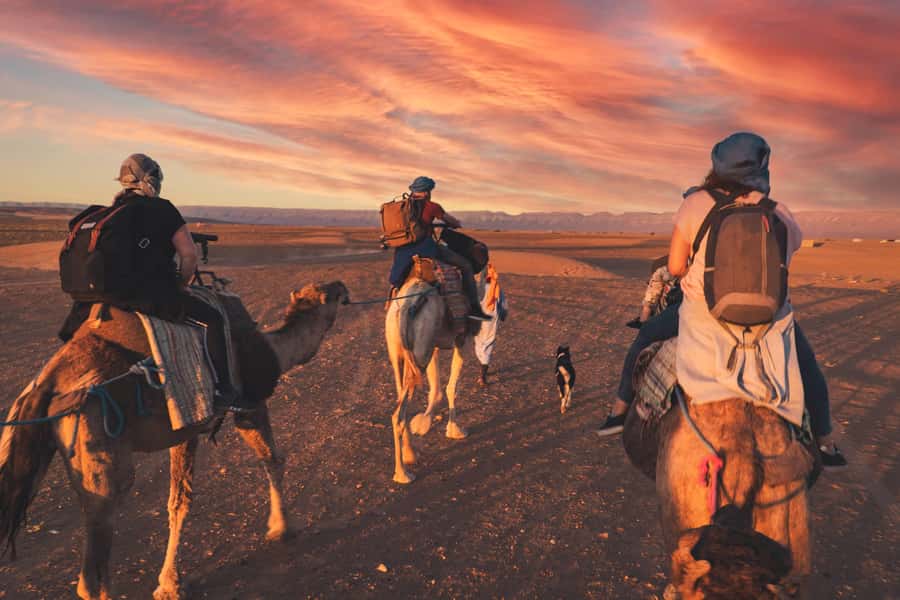
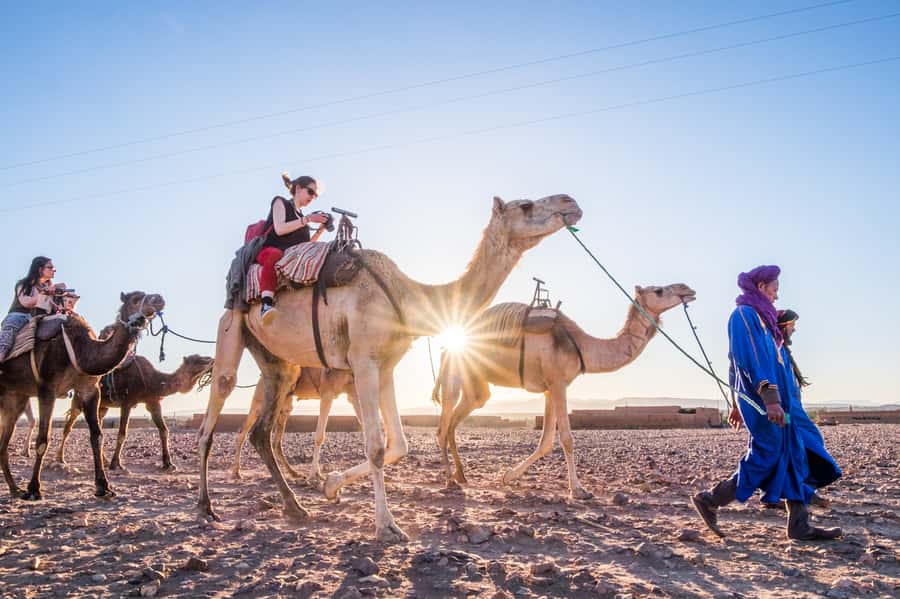
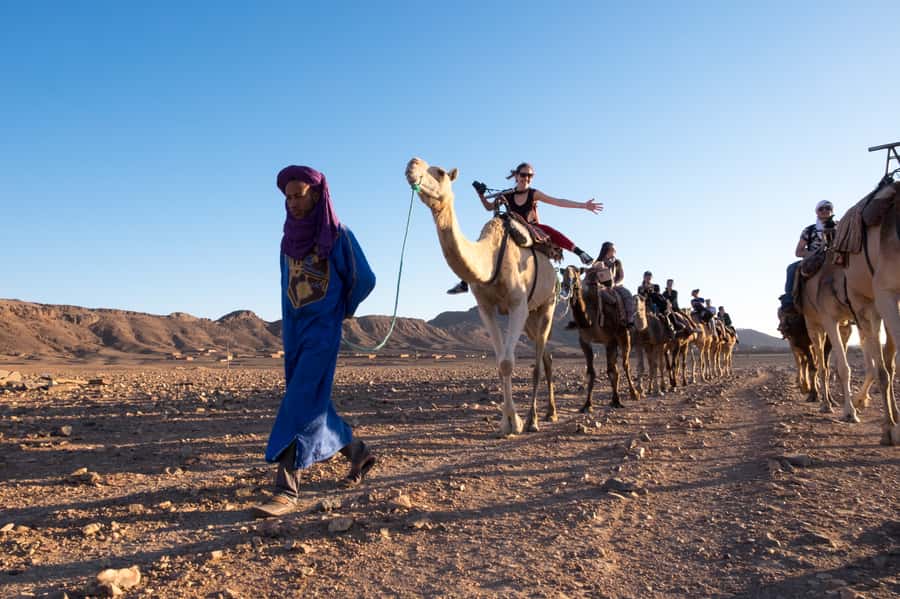
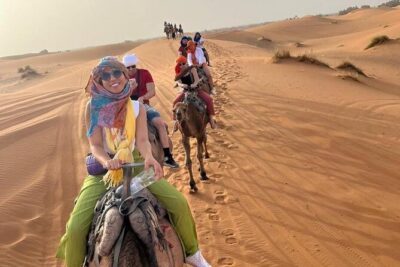
Near Zagora, you meet the camel team and ride toward camp as the sun drops. This is the emotional center of the trip. The light softens, the road noise disappears, and the slow movement of the camel gives you time to watch the desert change color.
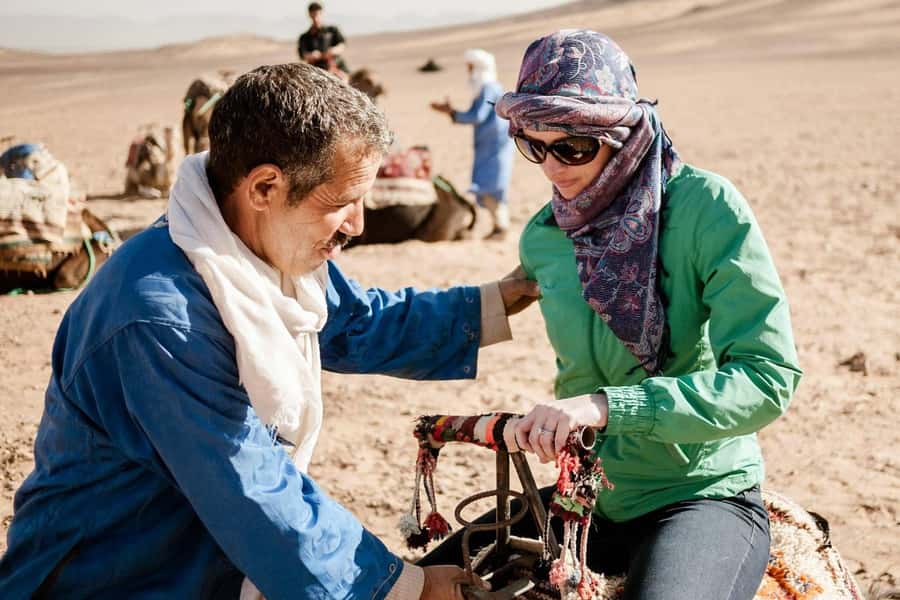
The ride is generally about an hour, though the return ride can be shorter. Long pants are a good idea. A camel’s saddle and rocking gait can become uncomfortable, especially if you are not used to riding. One of the best practical details is that you can walk beside your camel instead. You can also ask for a 4×4 transfer to camp for €50 per vehicle per way.
The camels are described as calm and well cared for, and the camel guides are repeatedly praised for being patient and attentive. Guides named Mohammed, Youssef, Ismael, and Abraham have helped visitors feel safe and included. Even so, treat the ride as a short cultural and scenic experience, not an endurance test.
Quad biking is available for €50 per person for one hour, with at least two people required. It is an optional extra, so decide before you arrive if you want a faster activity. The included camel ride remains the simpler choice and fits the evening setting better.
A private tent, dinner, and drums under the stars
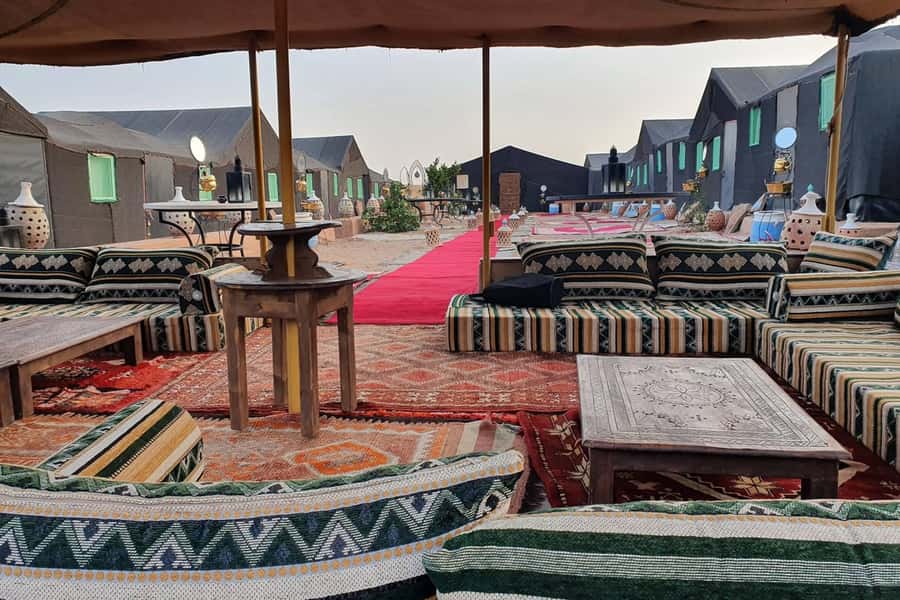
At camp, you check into a private tent. Standard and luxury options both provide private sleeping tents. The difference is the bathroom: luxury tents have private facilities inside, while standard tents use shared showers and toilets nearby.
Facilities are better than you might expect from a remote overnight stop. Toilets and showers are available, and the camp has been described as clean and comfortable. Bring a small microfiber towel, since towels may not be provided. Extra blankets are useful in colder months, when the desert night can feel surprisingly sharp after a warm afternoon.
Dinner is included, with vegetarian choices available. Moroccan tagine, bread, tea, and breakfast are part of the basic food arrangement, though lunch and drinks during the road journey are not. The camp dinner is a good chance to slow down after the drive, but food service can be less polished at some roadside stops. Keep your expectations practical rather than hotel-like.
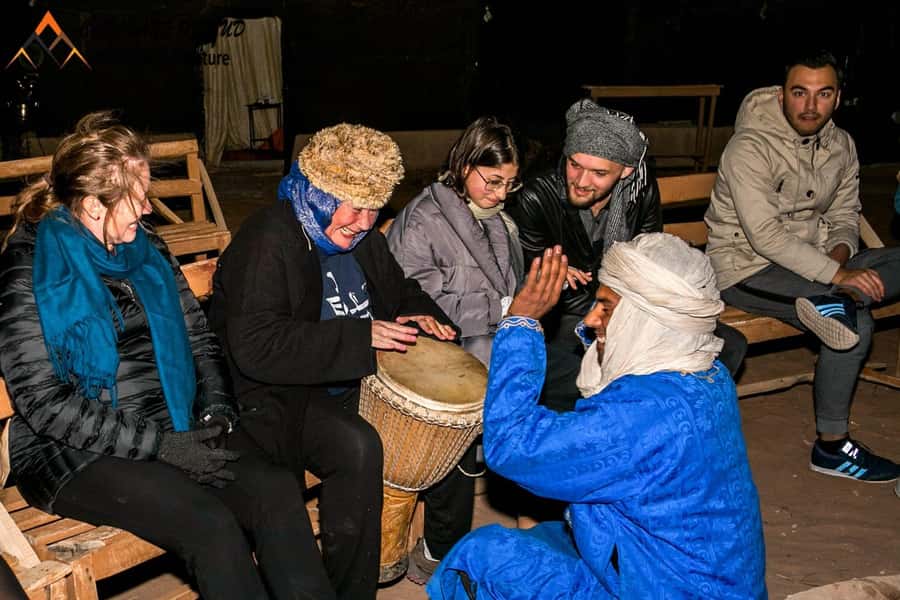
After dinner, the camp staff gather around a fire with tamtam drums, singing, tea, and dancing. You may be invited to play along. This is not a private luxury performance. It is a shared evening with the other people on the tour, and that is part of its charm. The hosts are often happy to answer questions about nomadic life, music, and the Zagora area.
The sky is the other entertainment. On a clear night, you may see an impressive spread of stars, and some people have even seen the Milky Way. Walk only where camp staff indicate, and keep a light nearby. The best part of the evening is often the quiet after the music ends.
Sunrise, breakfast, and the ride back
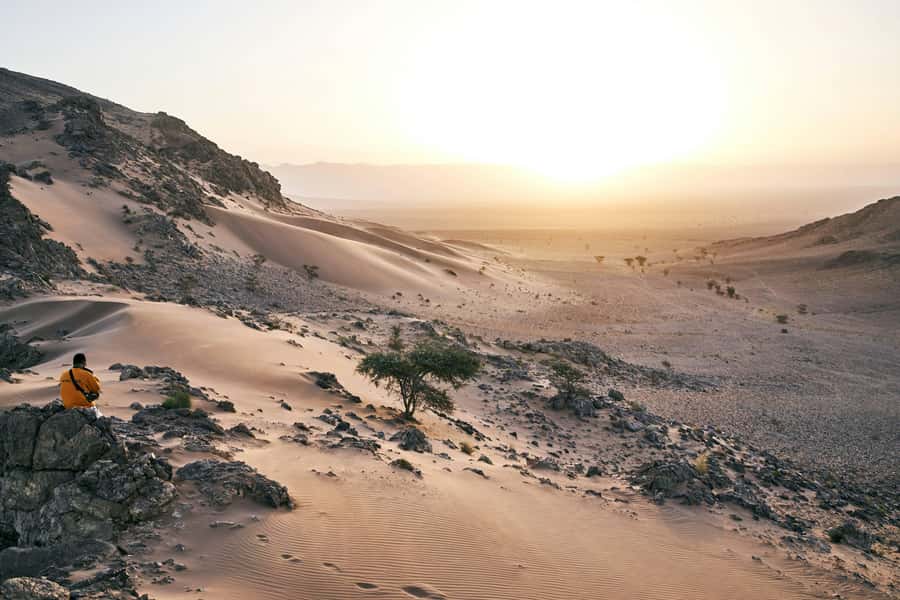
Sunrise is optional, but I would treat it as part of the value. You wake early, walk up a dune or nearby rise, and watch the first light reach the desert. The air is cold in winter, so put warm clothes beside your sleeping bag before you go to bed.
After sunrise, breakfast is served and you return to the main road by camel. The morning ride is usually shorter, but you still need long trousers and water. If you found the first ride painful, ask to walk or request the 4×4 option rather than forcing yourself through it.
The minibus then takes you back toward Marrakech. The return drive is long, with regular breaks for toilets, drinks, and water. You should expect to arrive around 6 p.m., tired but with enough time for a simple dinner and an early night.
Choosing standard or luxury camp
The camp category changes comfort, not the main desert program. Both options include a private tent, sunset and sunrise camel rides, dinner, breakfast, and the campfire gathering.
Choose the standard tent if you care most about keeping the price down and do not mind walking to shared facilities. It makes sense for younger, budget-minded travelers, solo visitors, and anyone treating the night as an adventure rather than a hotel stay.
Luxury is the easier choice if you want your own bathroom or prefer more privacy. The information supplied does not list every difference in bedding or decoration, so do not book it expecting a full resort. Its clearest advantage is the private in-tent bathroom.
Who will enjoy this trip most
This trip suits you if you have only two days, want a broad look at southern Morocco, and are comfortable with long hours in a vehicle. Couples, first-time visitors to Morocco, families with older children, and solo visitors can all fit well, especially when the driver is attentive.
It is less suitable if you dislike winding roads, need a slow itinerary, or want several hours to relax at camp. Pregnant women should not take this tour, and anyone with back, hip, or balance concerns should think carefully about the camel ride.
Pack one small overnight bag for the tent. Your main luggage stays in the vehicle, and you will not want to sort through a large suitcase beside the camels. Include warm layers, a swimsuit only if you plan to use the shower, sunscreen, a towel, medication, and a passport or accepted copy.
The tour can also start from Ouarzazate at no extra charge. Mention that when booking. Free cancellation is available up to 24 hours before departure, and you can reserve now and pay later, which helps if your Marrakech schedule is still moving.
Should you book the Zagora safari?
I would book this tour if you want the desert experience but cannot spare the extra days needed for a slower southern Morocco route. The strongest combination is the mountain crossing, Ait Ben Haddou, palm-filled Draa Valley, sunset camel ride, camp dinner, and sunrise. At $113, that is a lot of scenery and activity for one overnight trip.
I would not choose it if the thought of six-plus hours in a minibus each way sounds miserable. In that case, spend more time near Marrakech or arrange a longer desert itinerary. For everyone else, bring patience for the road, a towel for the camp, cash for lunch and tips, and realistic expectations about camel comfort. The night at Zagora is brief, but it gives you the desert memory most visitors came hoping to find.
FAQ
How long is the Zagora desert safari?
The activity lasts two days. It starts around 7 a.m. on day one and usually returns to Marrakech around 6 p.m. on day two.
Is pickup included from my Marrakech accommodation?
Yes. Pickup and drop-off at your hotel or riad in Marrakech are included.
What transport is used?
Transport is provided in an air-conditioned minibus or minivan. Onboard Wi-Fi and secure luggage storage are included.
Is Ait Ben Haddou included?
Yes. The route includes time to visit Ait Ben Haddou. A local guide is optional and costs about €2 to €3 per person.
Are meals included?
Moroccan dinner and breakfast are included. Vegetarian options are available. Lunch and drinks are not included.
Are the camel rides included?
Yes. Sunset and sunrise camel rides are included with all camp types.
Can I avoid riding a camel?
Yes. You can walk to camp or ask for a 4×4 transfer. The 4×4 option costs €50 per vehicle per way.
What is the difference between standard and luxury tents?
Both provide private tents. Luxury tents have private bathrooms inside, while standard tents use shared showers and toilets nearby.
Should I bring a towel?
Yes. A microfiber towel is recommended because towels may not be provided at the camp.
Is the tour suitable during pregnancy?
No. Pregnant women should not take this activity.
More Safari in Marrakesh
- Marrakech: Atlas Mountains and Desert Safari with Lunch
★ 4.5 · 212 reviews - Agadir/Taghazout : Quad Bike Safari Desert
★ 4.8 · 1,496 reviews - From Agadir or Taghazout: Quad Biking Safari Desert Trip
★ 4.5 · 1,046 reviews - Agadir: Desert Quad Bike Safari with Hotel Pickup & Drop-off
★ 5.0 · 371 reviews
Just listed out of Marrakesh
- Marrakech: Ouzoud Waterfalls Trip, Guide & Boat + Lunch★ 4.7 · 33 reviews
- Marrakech: Vibrant Dinner Show at The Lotus Club★ 3.9 · 33 reviews
- From Marrakech: Small Group To Essaouira & Medina Day Trip★ 4.3 · 33 reviews
- From Marrakech: 3-Day Merzouga and Sahara Desert Tour★ 4.5 · 33 reviews
- Marrakech: Private Souks Tour with Tea and Traditional Snack★ 4.6 · 33 reviews
- Marrakech: Medina Souks, Hidden Markets and Shopping Tour★ 4.8 · 33 reviews
- 2 Days Desert Agafay and Atlas Mountains Trek From Marrakech★ 3.8 · 33 reviews
- Agadir/Taghazout : Marrakech Guided Tour old Medina & Souks★ 3.7 · 34 reviews
Sahara Desert Tours, compared.
3 Days Desert Tour From Marrakech To Merzouga Dunes & Camel Trek
Read our review →
3-Day Marrakech to Fes Sahara Desert Tour via Merzouga
Read our review →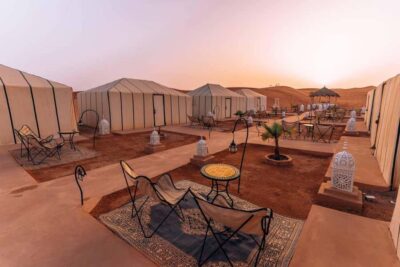
3-Day Merzouga Desert Experience Camel & Meals
Read our review →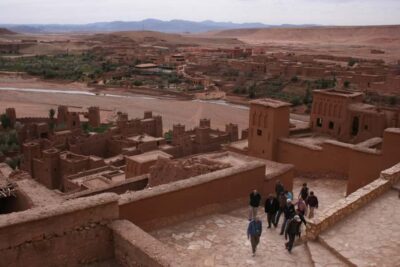
3-Day Tour to Merzouga Erg Chebbi with Food & Camel Trek
Read our review →
Sahara Desert 2-Day Tour with Merzouga Camp Stay
Read our review →Browse the lists this tour appears in