
Reviewed · SAHARA DESERT TOURS
From Marrakech: 3 Day Round Trip To Merzouga Desert & Camel
Merzouga is the payoff: golden dunes, a camel ride at sunset, drums after dinner, and a dawn return across the sand. But the road there is part of the experience, taking you from the High Atlas to old kasbahs, palm-filled valleys, and Todra Gorge in just three days. The change from snowy mountain country to open Sahara is the trip’s great visual trick.
I like the generous package for $76: two dinners, two breakfasts, two hotel nights, two camel rides, and sandboarding are included. I also like the human side of the trip. Guides such as Fouad, Khalid, Ismail, Yassine, and Mohamed are often singled out for keeping groups safe, cheerful, and organized. The catch is simple: you spend a lot of time in the vehicle, and winter nights in the desert can be bitterly cold.
Key points at a glance
- Ait Benhaddou in three hours: Walk through Morocco’s most famous earthen kasbah village, with time for photos, a guided visit, shopping, and lunch.
- Todra Gorge and the Dades Valley: See steep rock walls, oases, Berber villages, and the changing scenery around Tinghir.
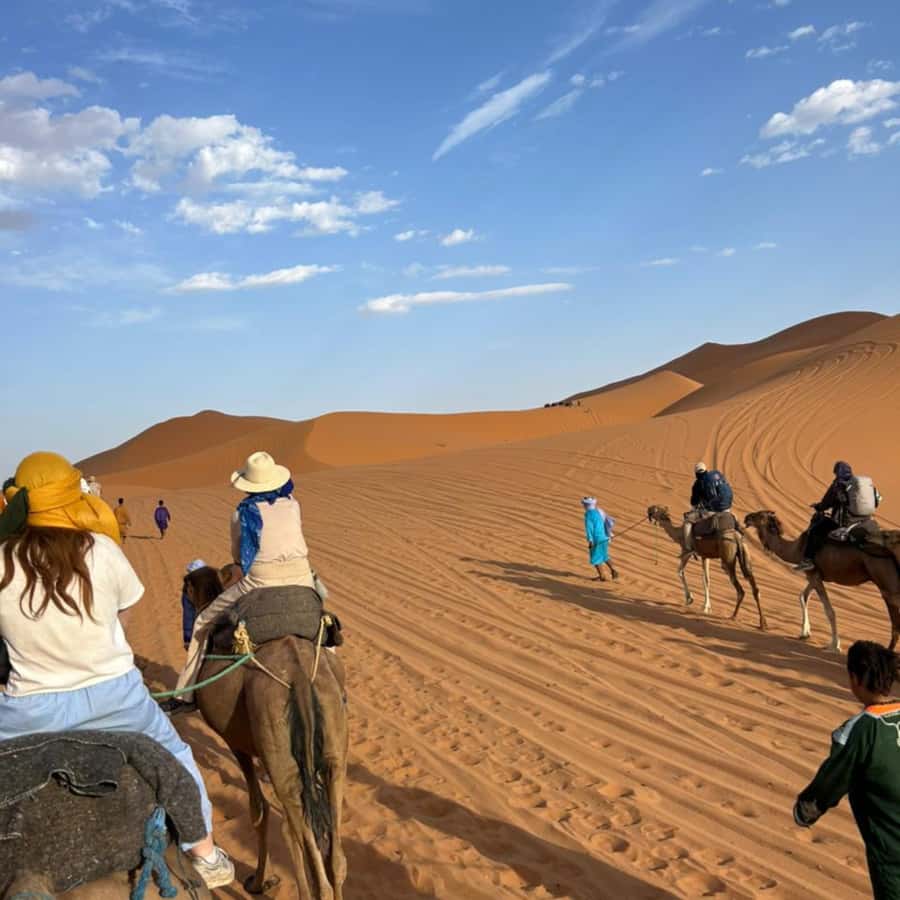
- Two camel rides included: Ride into the dunes for sunset, then return by camel at sunrise the next morning.
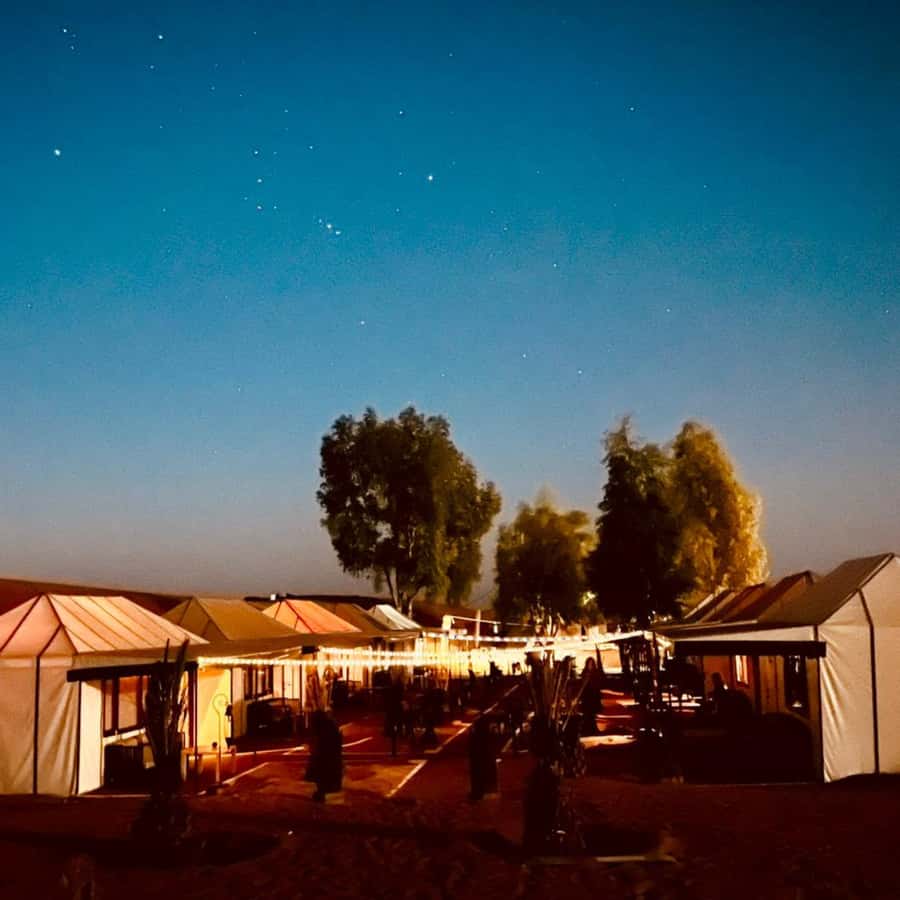
- A real desert night: Sleep in Berber-style tents, eat dinner, listen to drums, and watch the stars away from Marrakech.
- Excellent value at $76: Transport, accommodation, meals listed above, camel rides, and sandboarding are covered.
- The tradeoff is distance: Day three is a long return drive, ending in Marrakech around 7:30 PM.
Why this Marrakech to Merzouga trip works
If your main goal is to see the Sahara but you do not have your own car, this trip solves a real problem. Merzouga is far from Marrakech, and arranging transport, hotels, a camel trek, and a desert camp on your own can be awkward and expensive. Here, one driver and one booking tie the whole route together.
You also get much more than sand. The trip crosses the Tizi n’Tichka pass, enters the old kasbah country around Ouarzazate, follows the Rose Valley toward Tinghir, passes through Todra Gorge, and reaches the dunes near the Algerian border. In three days, you see a striking slice of southern Morocco.
The format can be private or small group. That matters. In a small vehicle, you get a more social ride and usually more conversation with the guide. A private departure gives you more control over stops and pace, though the supplied details do not set out a separate private-tour price.
The tour begins around 7:00 AM from your Marrakech accommodation or a nearby meeting point. The exact pickup point can change, so wait for the operator’s message the day before. At the meeting point, the driver will look for you by name.
A few other Marrakesh days worth comparing
- From Marrakech: 3-Day Merzouga and Sahara Desert Tour
★ 4.9 · 15,308 reviews - From Marrakech: Merzouga 3-Day Desert Safari with Food
★ 4.7 · 12,232 reviews - Marrakech: 3-Day Merzouga Desert Experience Camel & Meals
★ 4.6 · 6,252 reviews
Day one: High Atlas roads and Ait Benhaddou
The first morning starts with a steep climb toward the Tizi n’Tichka pass. This is one of the best stretches of the trip for broad mountain views and glimpses of traditional High Atlas Berber villages. The road winds through high country, so sit where you can see out and keep your camera handy.
The mountain crossing is also where the long driving begins. You will make stops, including photo breaks and practical pauses, but this is not a relaxed local bus journey. The road from Marrakech to southern Morocco takes time, and the mountain bends can make the ride tiring for some people.
Ait Benhaddou is the day’s major sight. The village is a fortified group of earthen buildings, lanes, towers, and walls, and it is protected as a UNESCO World Heritage site. Your visit is planned for about three hours, giving you time to walk, take photos, join a guided visit, and browse local goods.
I would not rush Ait Benhaddou. The pleasure is in looking closely at the mud-colored walls, climbing through the lanes, and seeing how the village fits the dry hills around it. The site has also appeared in major films, which gives it extra appeal for movie fans, but its value is not limited to its screen history.
Lunch is taken at Ait Benhaddou. Drinks and personal spending are not included, so keep some Moroccan dirhams available. You may also encounter shops or cooperative stops during the trip. You are free not to buy anything, but the time spent at these stops can reduce time for viewpoints or nature walks.
After lunch, the route continues through Ouarzazate, with a supermarket stop, then on toward Tinghir through the Rose Valley. The scenery changes from high mountain rock to dry valleys and cultivated strips of green. That contrast is one reason this road trip feels fuller than a direct transfer to the desert.
Tinghir and the Rose Valley overnight
Tinghir is your first overnight base. The plan includes a hotel stay with dinner and breakfast, and the stop breaks up the journey before Merzouga. You should expect a practical overnight rather than a luxury retreat, although the accommodation is described as comfortable and several departures have included private rooms and heated hotel rooms.
The Rose Valley and the Tinghir area show how water supports life in southern Morocco. Palm groves, gardens, villages, and dry hills appear close together. A local walk may include views of gardens, rug-making, and Berber village life, depending on the day’s arrangement.
The two-hour Tinghir visit includes sightseeing, walking, photos, and free time. That is enough for a useful introduction, but not enough for a long exploration of every valley path. If you enjoy local craft, the rug stop can be interesting. If you prefer scenery, you may find yourself wishing for more time outdoors and less time in shops.
Dinner and breakfast are covered. Lunch is not clearly included in the package, so budget for it separately. The same goes for drinks, snacks, tips, and any personal purchases.
Day two: Todra Gorge before the Sahara
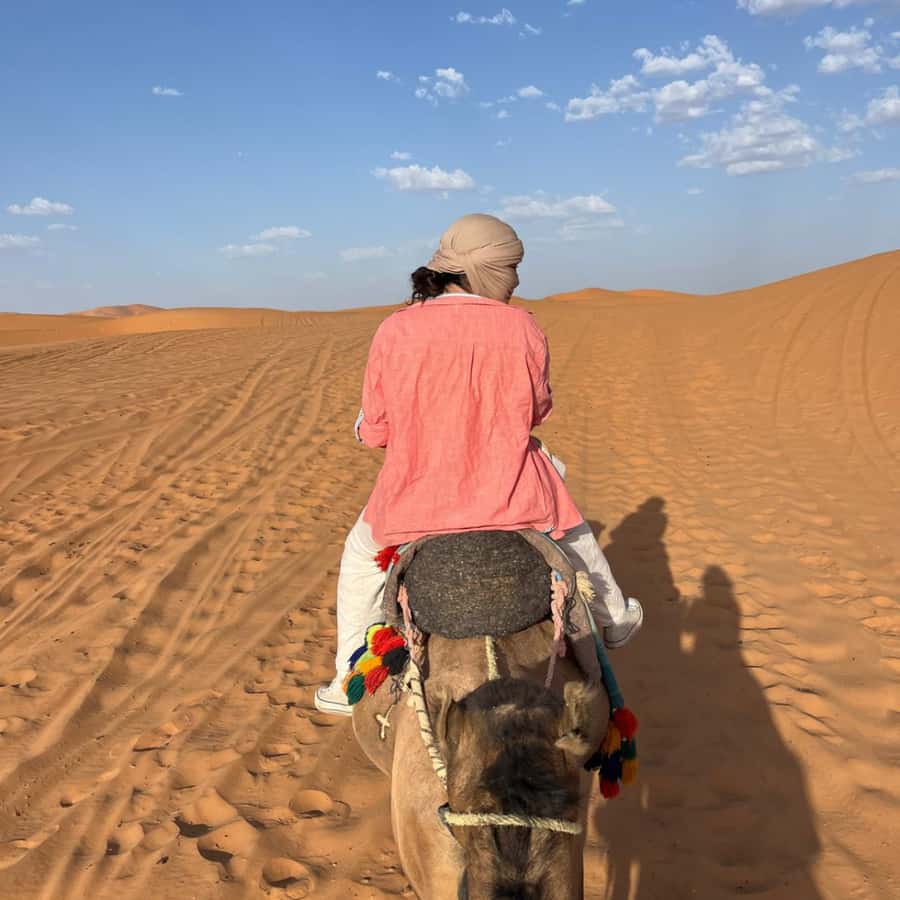
After breakfast, you leave Tinghir for Todra Gorge and the road toward Merzouga. Todra is one of the route’s strongest stops. Tall rock walls close in around the gorge, while nearby oases and village gardens soften the dry setting.
The visit combines photos, walking, and a guided look at the area. Some outings include a short hike of roughly an hour to an hour and a half around gardens and the valley. Bring shoes you can walk in, not just sandals for the camel ride.
After Todra, the route passes Tinjdad, Jorf, and Erfoud. These names may mean little on a map, but together they mark the gradual move into the Tafilalet region and the Saharan oasis zone. You can watch the countryside dry out and open up as the road approaches Merzouga.
The vehicle ride is long, but the stops make it more manageable. Several guides and drivers are praised for bathroom breaks, scenic photo stops, music, jokes, and a calm approach to the road. Names often associated with especially warm service include Khalid, Fouad, Yassine, Ismail, Abdul, Hassan, Mohamed, and Salah. Your assigned guide may be different, so treat these as examples, not a promise.
You reach a hotel in Merzouga and have a short rest. Then you take only what you need for the desert night in a smaller bag and leave your main luggage at the hotel. Pack this small bag carefully. Include warm layers, toiletries, a phone charger, water money, and anything you need overnight.
Same city, a completely different day out:
- Marrakech: Agafay Desert Sunset, Camel Ride, and Dinner Show
★ 4.6 · 35,119 reviews - From Marrakech: Ouzoud Waterfalls Guided Hike and Boat Trip
★ 4.7 · 33,630 reviews - Marrakech: Agafay Desert Quad & Camel Rides with Dinner Show
★ 4.8 · 27,382 reviews - Marrakech: Agafay Desert Quad Biking Tour with Dinner-Show
★ 4.8 · 16,569 reviews
Camel sunset and the Merzouga camp
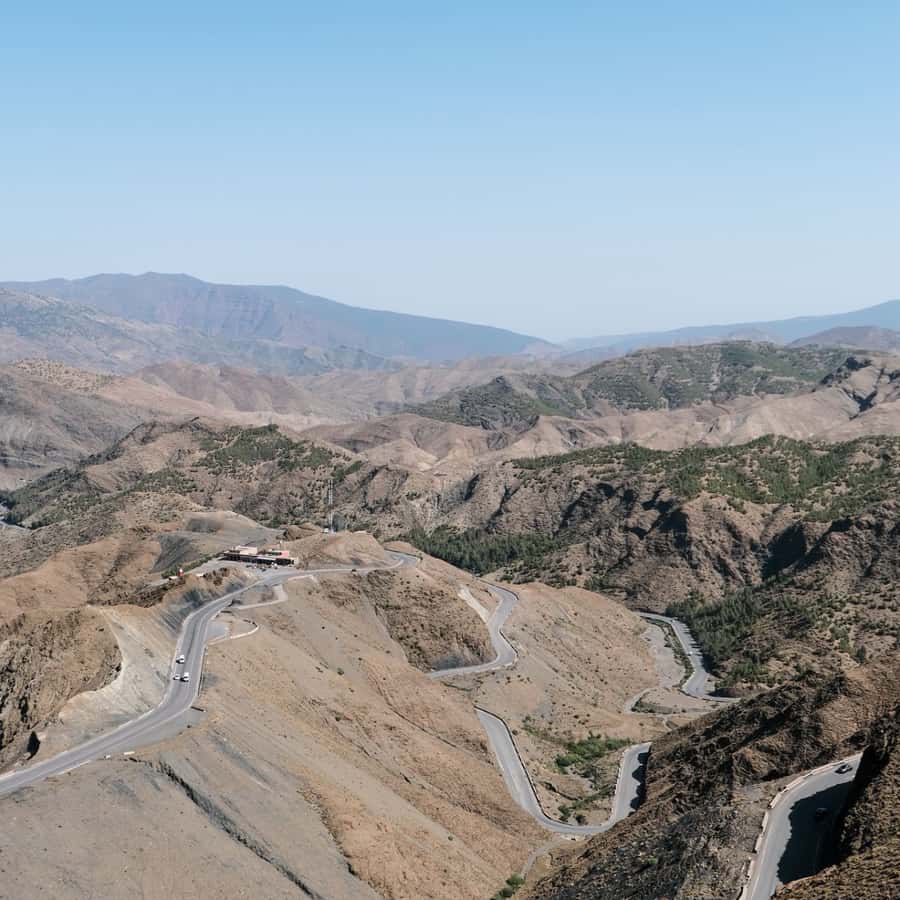
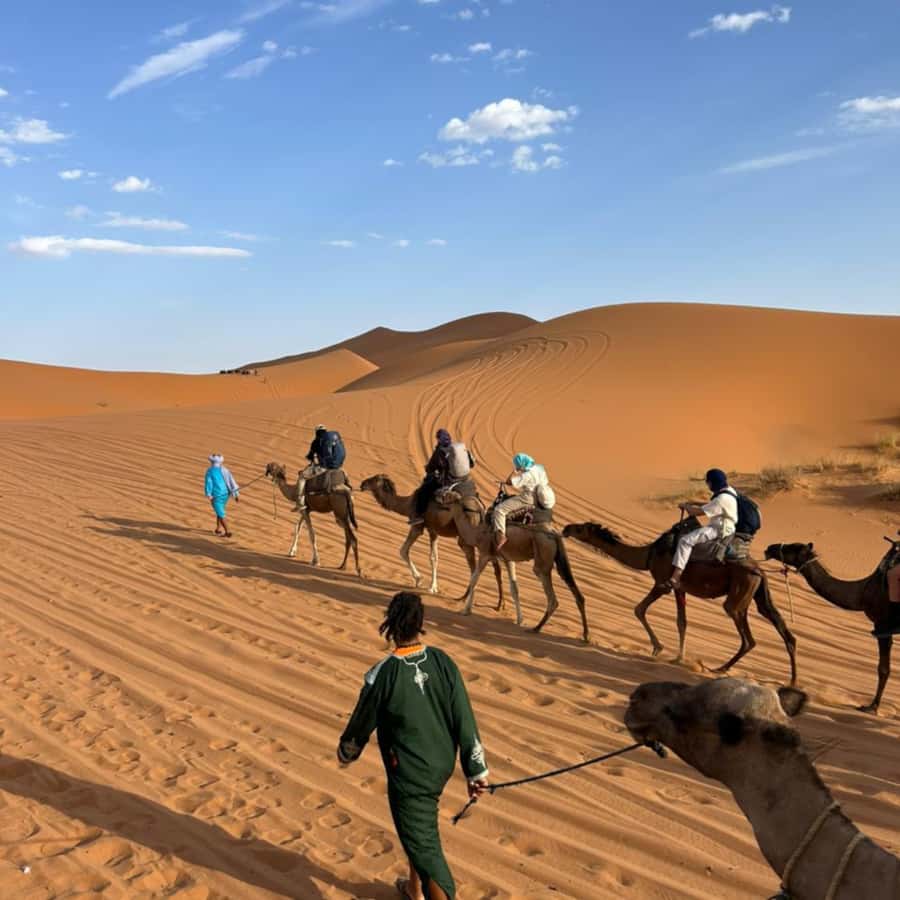
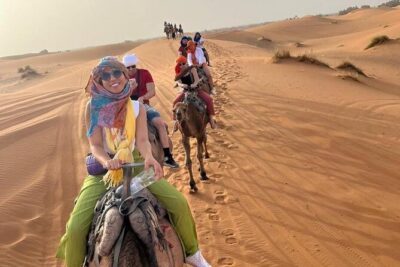
The camel ride begins near the Erg Chebbi dunes. Each person gets one camel, and the ride takes you across the sand toward camp. It is not a fast adventure ride. Expect a slow, swaying journey with time for photographs and views.
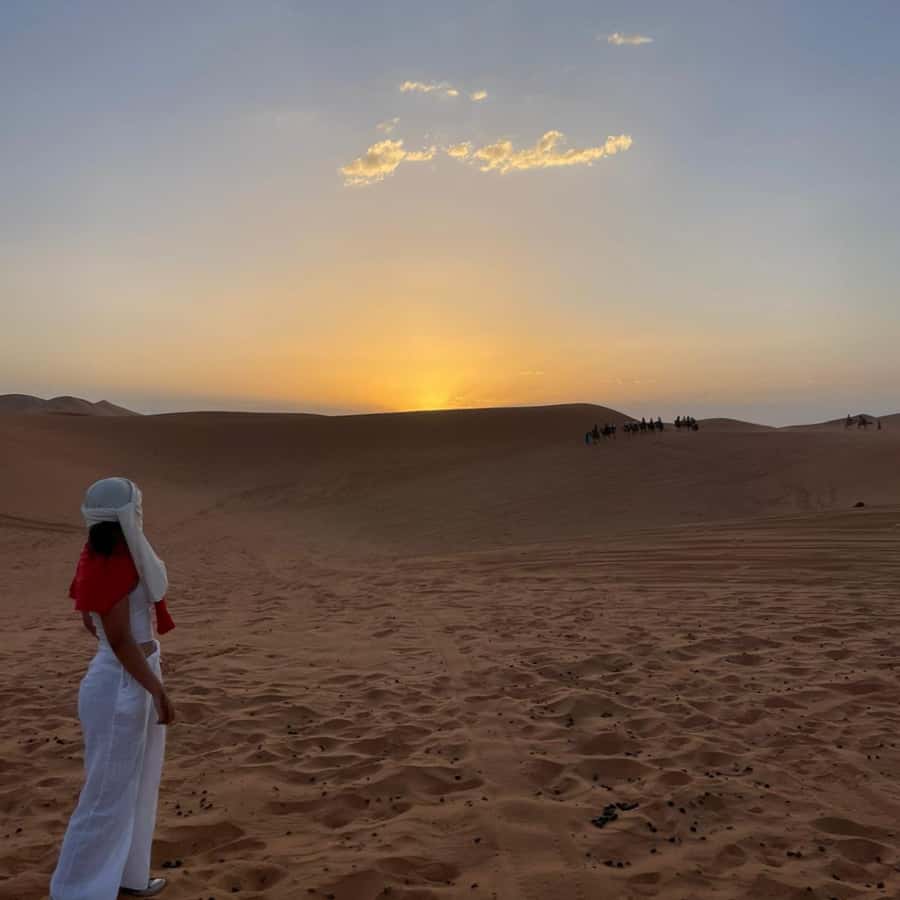
The sunset ride is the emotional center of the tour. When you reach camp, you leave the camels and walk toward higher dunes for sandboarding and sunset views. Sandboarding is included, but it is a simple, playful activity rather than a full equipment-heavy sport. Wear clothes that can handle sand, since it gets everywhere.
The camp is described as Berber nomad tents. Dinner is included, followed by Moroccan music and drumming around the camp. The atmosphere depends partly on your group, but this is usually the most social evening of the trip. You may share food, music, dancing, and conversation with people from several countries.
Stargazing is another strong reason to spend the night here. Away from Marrakech, the sky can feel enormous. The quiet after the music is just as memorable as the music itself.
Do not assume summer-style temperatures at night. Winter departures can be very cold, and tent heating or insulation is not guaranteed in the basic description. Some camp arrangements have comfortable beds, showers, and toilets, but standards can vary. Bring a warm fleece, long trousers, thick socks, and a hat. A sun hat is also recommended for the daytime.
Day three: Sunrise and the long road back
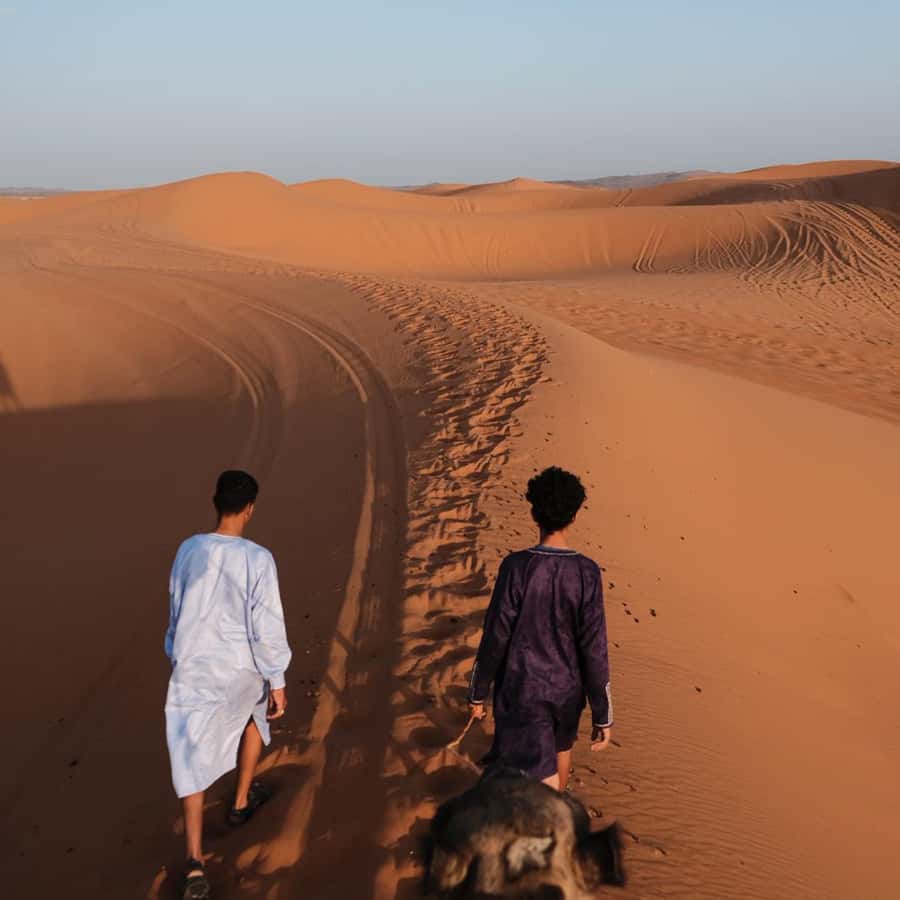
The camp wakes early for sunrise. You ride the camels back to Merzouga, then have breakfast and a shower at the camp before beginning the return journey. The morning camel ride is shorter in spirit than the sunset ride, but it gives you a completely different view of the dunes in cool light.
After Merzouga, the road heads back through Berber villages and southern Moroccan scenery to Ouarzazate, then follows the route toward Marrakech. The return drive is the least glamorous part of the trip. You have already seen the main sights, and the hours add up.
The benefit is that you return to Marrakech without arranging another transfer. The stated arrival is late afternoon or around 7:30 PM, with drop-off at your hotel or the nearest point accessible to your riad. Do not schedule a flight, train, or tight dinner reservation for that evening.
What the $76 price really covers
At $76 per person, the package offers a lot for a three-day route. Included are:
- Transport in a comfortable vehicle with a professional driver
- Fuel
- Two nights of accommodation
- Two dinners and two breakfasts
- Camel rides at sunset and sunrise
- Sandboarding
- Service from a guide in English, Spanish, French, Arabic, or Portuguese
That price makes the trip particularly useful for solo visitors and couples who want the Sahara without hiring a private car. It also removes the need to negotiate separate camel, camp, and transfer arrangements.
The low price does not mean every expense is covered. You pay for drinks, lunches unless specifically arranged, snacks, personal purchases, and optional activities such as quad biking. A local guide can cost an extra two or three euros per person. Quad biking has been a favorite paid add-on for some people, but it is not part of the base price.
Food can become repetitive over three days, usually leaning toward familiar Moroccan dishes. Several people find the meals very good, while others would prefer more variety. If you have dietary needs, tell the operator before departure rather than waiting until the roadside stop.
Guides, drivers, and the group experience
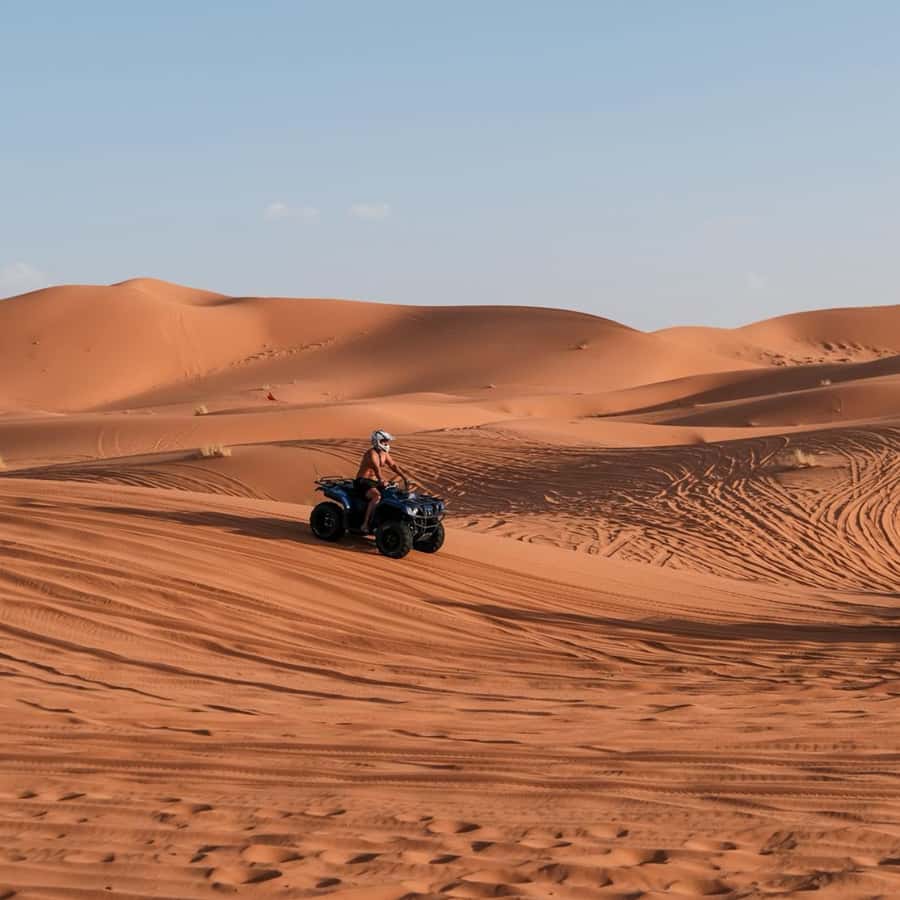
The strongest part of the human service is the guide’s role between stops. A good guide keeps the timing clear, answers questions, helps with practical problems, and makes a mixed group feel comfortable. Fouad is praised for high energy and good humor, Khalid for calm organization, Ismail for patience, and Yassine for close attention to the group. Again, names are assigned by departure.
Drivers matter just as much. The Atlas roads are winding, and the trip covers a large distance. Drivers such as Moha, Mohamed, Hassan, Salah, and Bouhda are noted for careful driving, frequent breaks, and keeping the ride relaxed.
A small-group trip can be a pleasure if you like meeting people. Solo visitors often find the social format helpful, and couples can still have a memorable desert night. If you need silence, privacy, or a flexible schedule, choose the private option if available and confirm its terms before paying.
Who should book, and who should think twice
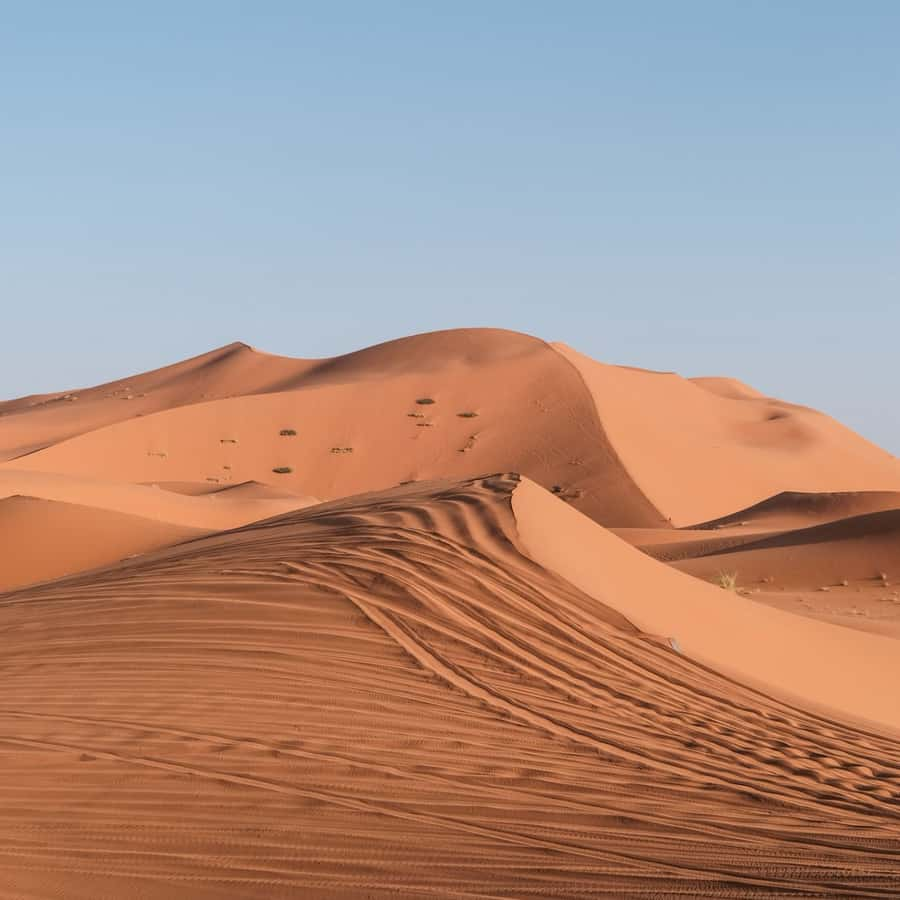
I would choose this tour if you have only three days, want the Sahara as a priority, and value a wide mix of sights over slow travel. It suits first-time visitors, solo travelers who want built-in company, and budget-minded couples.
You should think twice if long vehicle rides bother you, if you want several hours at every stop, or if you need guaranteed luxury accommodation. The schedule is packed, and the final return to Marrakech is long.
Pack a sun hat, sunglasses, sunscreen, comfortable walking shoes, a warm layer, and a small overnight bag. Keep cash for drinks, lunches, tips, and optional purchases. Also respect local people when taking photographs. Ask before photographing faces closely.
Final verdict: is Merzouga worth three days?
For $76, I think this is a strong way to reach Merzouga from Marrakech. You get the Atlas Mountains, Ait Benhaddou, Tinghir, Todra Gorge, camel rides, sandboarding, camp dinner, music, sunrise, and transport back to the city.
The decision comes down to pace. If you can accept a lot of road time and basic desert conditions, book it. If the Sahara is your main reason for visiting Morocco and you want the best value in a short schedule, this trip gives you the essential experience without asking you to organize every piece yourself.
FAQ
How long is the tour?
The experience lasts three days, with pickup from Marrakech around 7:00 AM on the first day and an expected return around 7:30 PM on the third day.
What places are visited?
The route includes the Tizi n’Tichka High Atlas pass, Ait Benhaddou, Ouarzazate, the Rose Valley, Tinghir, Todra Gorge, Erfoud, Berber villages, and the Merzouga desert.
Are camel rides included?
Yes. One camel ride is included for sunset on the way to camp, and another is included for sunrise on the return to Merzouga.
Is sandboarding included?
Yes. Sandboarding is included during the Merzouga desert portion of the tour.
What meals are included?
The package includes two dinners and two breakfasts. Drinks, personal expenses, and other meals are not included in the stated price.
Can I book a private tour?
Private and small-group options are available. Check the specific option carefully because the product has several choices and the meeting point can vary.
What languages are available?
Guides may provide the tour in English, Spanish, French, Arabic, or Portuguese. The operator contacts you the day before to confirm the meeting point.
More 3-Day Experiences in Marrakesh
- From Marrakech: Unforgettable 3-Day Desert Tour to Fes
★ 4.9 · 2,614 reviews - From Marrakech: 3-Day Sahara Tour with Private tent & Meals
★ 4.8 · 1,652 reviews - From Marrakech: 3-Day Sahara Desert Adventure to Fes
★ 4.5 · 1,405 reviews - From Marrakech: 3-Day Desert with luxury camp, camel & meals
★ 4.6 · 922 reviews
Just listed out of Marrakesh
- Marrakech: Ouzoud Waterfalls Trip, Guide & Boat + Lunch★ 4.7 · 33 reviews
- Marrakech: Vibrant Dinner Show at The Lotus Club★ 3.9 · 33 reviews
- From Marrakech: 3-Day Merzouga and Sahara Desert Tour★ 4.5 · 33 reviews
- Marrakech: Private Souks Tour with Tea and Traditional Snack★ 4.6 · 33 reviews
- From Marrakech: Small Group To Essaouira & Medina Day Trip★ 4.3 · 33 reviews
- Marrakech: Medina Souks, Hidden Markets and Shopping Tour★ 4.8 · 33 reviews
- 2 Days Desert Agafay and Atlas Mountains Trek From Marrakech★ 3.8 · 33 reviews
- Agadir/Taghazout : Marrakech Guided Tour old Medina & Souks★ 3.7 · 34 reviews
Sahara Desert Tours, compared.
3 Days Desert Tour From Marrakech To Merzouga Dunes & Camel Trek
Read our review →
3-Day Marrakech to Fes Sahara Desert Tour via Merzouga
Read our review →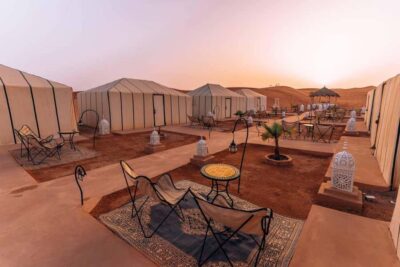
3-Day Merzouga Desert Experience Camel & Meals
Read our review →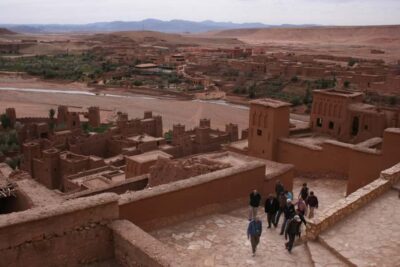
3-Day Tour to Merzouga Erg Chebbi with Food & Camel Trek
Read our review →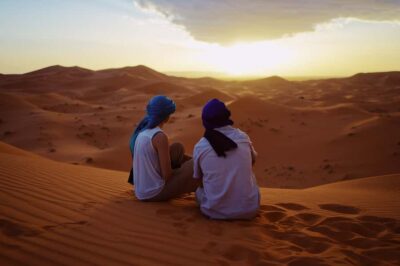
Sahara Desert 2-Day Tour with Merzouga Camp Stay
Read our review →Browse the lists this tour appears in