
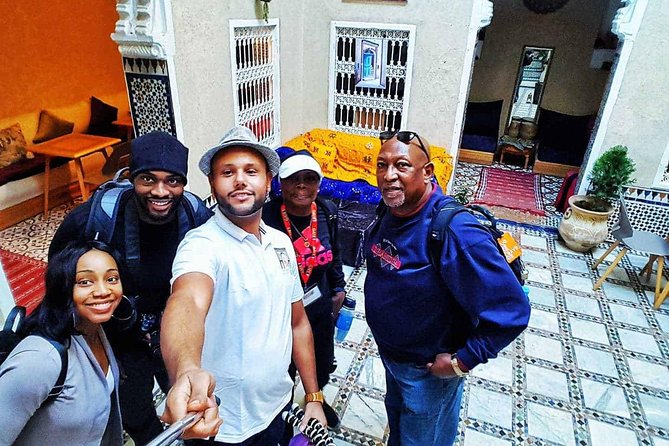
Reviewed · RABAT TOURS
Rabat Food Tour in the Old Town
Rabat’s best food is not limited to a steaming tagine. This three-hour walk through the medina takes you from market bread and small local bites to a full two-course meal, then finishes with mint tea and almond cookies beside the Bouregreg River. Along the way, guides such as Mohamed, Iman, Imane, and Boutaina explain what you are eating and how it fits into Moroccan daily life.
I like the mix of ordinary local foods and classic dishes, since you may taste bread, yogurt, olives, dates, snacks, and several tagines rather than eating tagine at every stop. I also like the small group limit of 12, which makes narrow lanes easier to manage and gives you room to ask questions. The main consideration is the walking: uneven medina streets and alleyways call for comfortable shoes, and the generous food portions mean you should arrive hungry.
Key points at a glance
- Bread at Rabat’s Central Market: Begin with a simple staple and watch the food scene take shape around you.
- Several medina tastings: Expect a changing mix of sweet and savory foods, including items you might not spot on your own.
- A sit-down meal at Dar El Medina: The two-course lunch or dinner is more substantial than the earlier samples.
- Culture beside the food: Guides explain local customs, ingredients, city history, and everyday eating habits.
- A calm riverfront finish: Mint tea and almond cookies are served at a café near the Kasbah des Udayas.
- Small-group format: The maximum group size is 12, with bottled water, snacks, tea or coffee, and taxes included.
Why food is the right way to meet Rabat
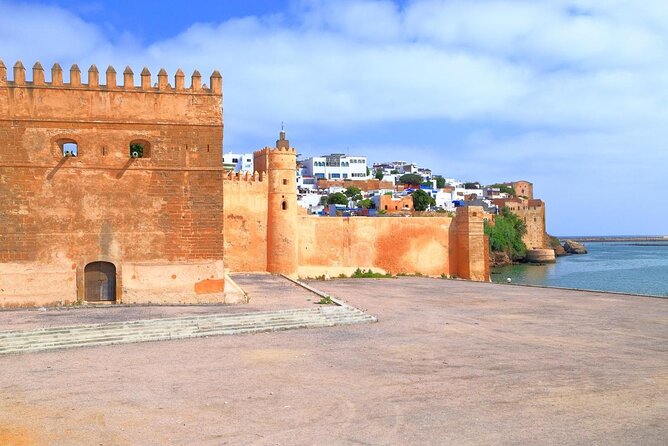
Rabat can feel more measured and less frantic than Morocco’s larger tourist centers. That makes a food walk especially useful. Instead of rushing from one major sight to another, you move through the city at street level, stopping to inspect ingredients, watch food being prepared, and ask questions as they come up.
The route begins near Rabat Ville train station on Avenue Mohammed V. This broad avenue has French-style architecture and gives you a clear starting point before the lanes narrow near the old medina. Your first tasting usually takes place near the end of the boulevard, at or around the Central Market.
This setting matters. Bread is not a decorative extra in Moroccan meals. It is an everyday food, and tasting it at the market helps you begin with something familiar and useful. You also get an early look at how locals shop and how small food businesses fit into the city.
I would choose this tour early in a Rabat visit if food is one of your main ways of understanding a place. Your guide can explain unfamiliar foods, answer practical questions, and offer ideas for what to order later in Morocco. Several guides also give advice about ingredients and local purchases, which can be useful if you plan to shop or cook during your stay.
A few other Morocco days worth comparing
- From Marrakech: Merzouga 3-Day Desert Safari with Food
★ 4.7 · 12,232 reviews - Marrakech: Street Food Tour with a Local Guide
★ 4.9 · 3,119 reviews - Marrakech: Street Food Tour by Night
★ 4.8 · 2,838 reviews
Central Market bread and the first taste of Rabat
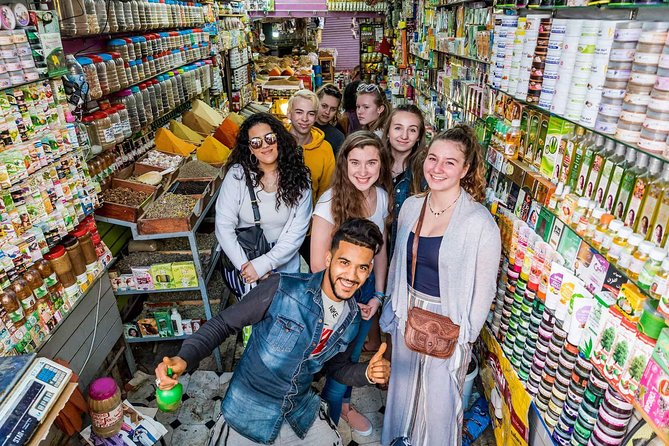
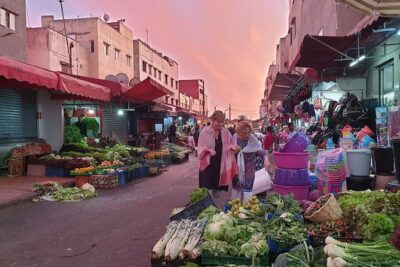
The Central Market stop lasts about 15 minutes. It is short, but it gives the tour a grounded beginning. Rather than opening with a formal restaurant course, you start with bread and the atmosphere of a working market.
The exact bread and stall can vary, so you should think of this as an introduction rather than a full market visit. It is also worth remembering that a 15-minute stop leaves little time for browsing. Stay with the group, listen to the explanation, and save larger purchases for another visit unless your guide suggests otherwise.
This is one of the tour’s more useful features because it helps you notice basic foods. A guide can point out ingredients and preparation methods that may otherwise look ordinary or confusing. If you are the kind of person who wants to understand what people eat every day, this stop should be more interesting than a polished tasting menu.
Walking the old medina’s narrow lanes
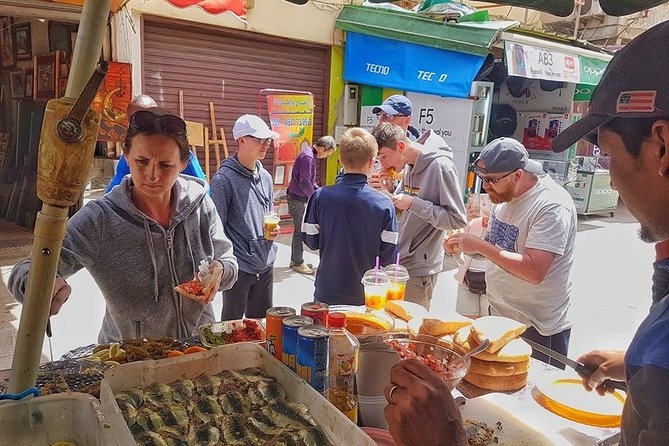
From the market, the tour heads into the Rabat medina for about an hour. This is the longest tasting section, and it is where the walk becomes most personal. You move through streets and side lanes, stopping at small food stalls and shops that can be hard to locate without someone who knows the area.
Expect several samples rather than one large dish at each stop. The foods described for the tour and its tastings include bread, olives, dates, yogurt, snacks, sweet treats, and other local specialties. Some groups have also tasted several varieties of tagine before sitting down to the main meal.
The variety is important. Moroccan food is often reduced to tagine, couscous, and mint tea in travel brochures. This tour gives you a broader look at everyday eating, including simple snacks and ingredients that may not appear on a standard restaurant menu.
Guides also talk about the culture and history of Rabat as you walk. Mohamed is noted for his humor and strong English, while Iman is described as patient and especially good at discussing ingredients and home cooking. Imane has guided first-time visitors through both sweet and savory foods, and Boutaina has been praised for making the stops enjoyable and easy to follow.
A good guide makes a major difference here. The medina is a maze of turns, and food stalls may not advertise themselves in a way that makes sense to a first-time visitor. You can focus on tasting and looking around instead of trying to keep track of every corner.
There is a practical trade-off. The old town walk is not a smooth, level promenade. Crowds, narrow passages, and uneven surfaces are part of the setting. A moderate fitness level is required, and comfortable walking shoes are a must. You should also keep your expectations flexible, since market stops can change with the day, season, and available food.
The two-course meal at Dar El Medina
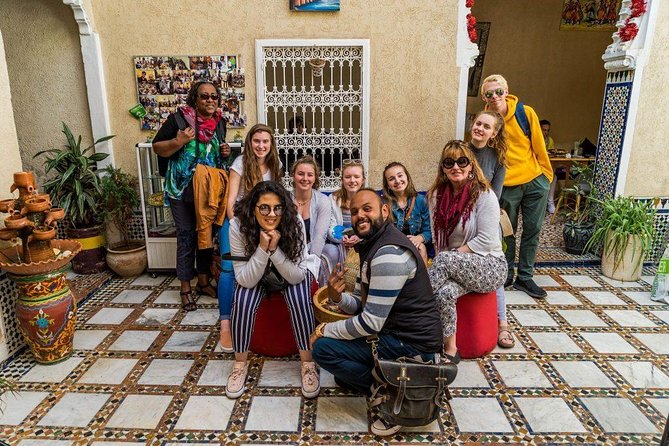
After the small tastings, you usually sit down for a two-course lunch or dinner at Dar El Medina. This stop lasts about an hour and gives the tour a proper meal after the grazing in the market.
For many people, this will be the point when the experience feels complete. Earlier bites help you sample widely, but a sit-down meal allows you to slow down and enjoy Moroccan cooking without standing in a crowded lane. The food is described as plentiful, and the meal may include several Moroccan dishes served for the group to try.
The timing also works well. You have had enough small samples to understand some of the flavors, so the restaurant meal becomes a chance to put that knowledge into practice. If your guide has explained ingredients along the way, you can recognize more of what arrives at the table.
Live music has been noted at Dar El Medina on Saturdays and Sundays. It is not presented as a guaranteed feature for every departure, so treat it as a possible extra rather than a reason to book on its own. The restaurant is on a narrow side street, which adds atmosphere but reinforces the need to follow your guide through the medina.
If you have a large appetite, this tour should suit you well. If you prefer a light lunch, you may find the combination of many samples and a full meal too much. Tell the operator about dietary needs when booking. Vegetarian and vegan options are available if requested in advance, but the tour is built around shared local tasting, so clear communication matters.
Same city, a completely different day out:
- Marrakech: Agafay Desert Sunset, Camel Ride, and Dinner Show
★ 4.6 · 35,119 reviews - From Marrakech: Ouzoud Waterfalls Guided Hike and Boat Trip
★ 4.7 · 33,630 reviews - Marrakech: Agafay Desert Quad & Camel Rides with Dinner Show
★ 4.8 · 27,382 reviews - Marrakech: Agafay Desert Quad Biking Tour with Dinner-Show
★ 4.8 · 16,569 reviews
Mint tea and almond cookies by the Bouregreg River
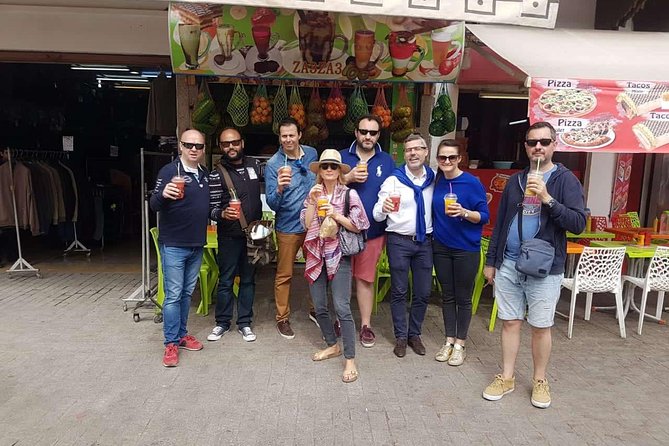
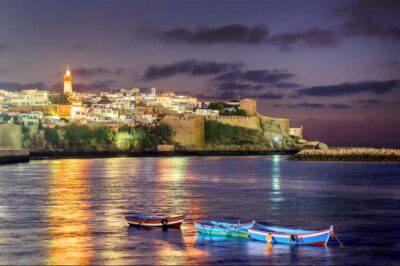
The final tasting stop lasts about 30 minutes at a café on the Corniche Bouregreg. The tour ends near the Kasbah des Udayas, by the river. After the tight lanes of the medina, this open setting gives you a chance to sit, finish the food walk, and take in a different side of Rabat.
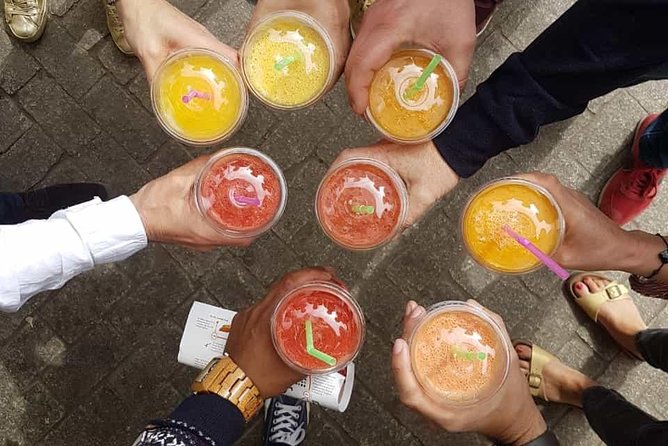
The closing treat is Moroccan mint tea with almond cookies. It is a fitting finish because tea is both a drink and a social ritual in Morocco. Here, you can ask final questions, compare the foods you tasted, and enjoy the riverfront rather than ending abruptly at the restaurant.
The endpoint is also practical. You are near the Kasbah des Udayas area, so you can continue sightseeing afterward if you still have energy. The tour does not include hotel transport, but it begins close to public transportation and ends at a café near the river. Plan your route back before you start, especially if you are staying outside central Rabat.
What the $72.12 price covers
At $72.12 per person, this is not the cheapest way to eat in Rabat. You could certainly buy individual snacks and drinks for less. The value comes from combining food, navigation, interpretation, and a full two-course meal in one three to four-hour experience.
Your price includes bottled water, snacks, coffee or tea, the two-course lunch or dinner, the local guide, and taxes and handling charges. Alcohol is not included. Hotel pickup and drop-off are also not included, so those are costs and arrangements you need to handle yourself.
I see the strongest value in the guide’s access to small stalls and side streets. A meal in a restaurant is easy to arrange, but it will not necessarily show you the foods people buy in the market or explain what is being made in front of you. The tour also saves you from guessing how to order or where to stop in an unfamiliar medina.
The group limit of 12 helps justify the price. It is not a private tour, but it is small enough for a guide to keep the group together and respond to questions. This matters in crowded lanes, where a larger group can become slow and impersonal.
The tour is booked, on average, 45 days in advance. That suggests you should reserve ahead if your Rabat dates are fixed. Confirmation is provided at booking, and free cancellation is available up to 24 hours before the start time. If the minimum number of participants is not reached and the tour is canceled, you are offered another date or experience, or a full refund.
Who will enjoy this food walk most
I would recommend this tour to anyone who wants a strong first taste of Rabat rather than a lesson focused only on famous Moroccan dishes. It is especially useful for first-time visitors, since the guide combines food with practical city information and cultural context.
It also suits adventurous eaters. The samples can include foods you may not recognize, and the tour is designed to move beyond familiar tagines. You do not need to know Moroccan cuisine in advance, but you should be willing to try new textures and flavors.
This is a good choice for couples, families with older children, and small groups of friends. The food stops create conversation, while the walking keeps the experience active. The maximum of 12 people offers a social setting without the feel of a large bus tour.
I would be more cautious if you have limited mobility, dislike uneven streets, or want a quiet, seated meal from start to finish. The tour includes a moderate amount of walking, and the medina portion is central to the experience. It is also not ideal for someone who wants a predictable menu with every dish decided in advance.
Dietary needs can be accommodated for vegetarians and vegans, but you must advise the operator at booking. The tour includes no alcohol, so it is best suited to people looking for food, tea, conversation, and local context rather than wine pairings.
The guide can shape the whole experience
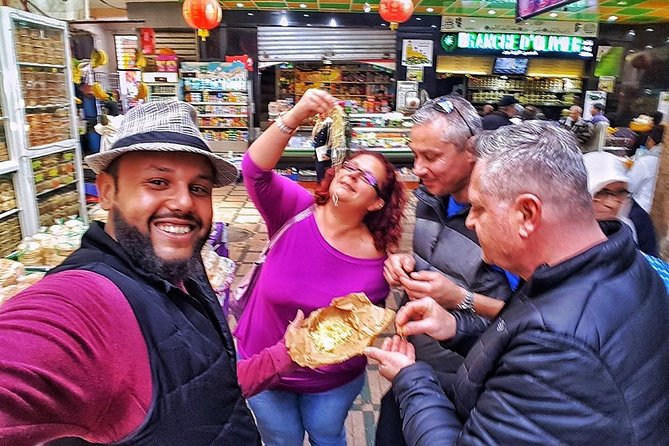
The food is important, but the guide is the difference between a series of snacks and a useful introduction to Rabat. The strongest guide style here is conversational. You want someone who can explain a food, answer a history question, keep the group together, and adjust the pace when the medina gets crowded.
Mohamed is repeatedly identified as warm, funny, and easy to understand in English. He is also described as good at combining cultural information with the food stops. Iman brings an informed home-cook’s perspective, with practical suggestions for using unfamiliar ingredients. Imane has been praised for being welcoming and clear, particularly for visitors making Rabat their first stop in Morocco.
Guide assignments can vary, so you should not assume a particular person will lead your departure. Still, the range of guide feedback points to a consistent strength: the experience is designed around personal explanation rather than simply handing you food and moving on.
I would use the walking time to ask questions. Ask what a snack is called, how it is normally eaten, what ingredients to buy, and which foods are common at home rather than aimed at tourists. That is where this tour can offer more value than a standard restaurant meal.
Practical advice before you go
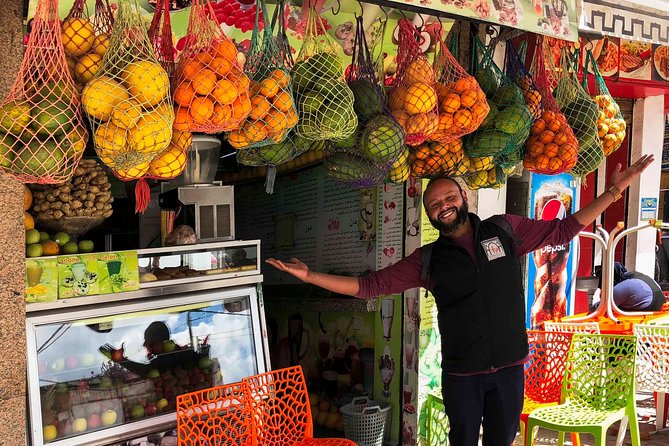
Arrive ready to eat, but do not have a heavy meal beforehand. The route includes bread, snacks, sweets, and a sit-down meal, so the portions add up quickly.
Wear comfortable shoes with good grip. You will walk through the medina’s streets and alleyways, and the route is not designed for dress shoes or flimsy sandals. A small bottle is not essential because bottled water is included, but you may still want a light day bag for personal items.
Start at Rabat Ville on Avenue Mohammed V. The tour ends at a café on the Bouregreg riverfront near the Kasbah des Udayas, not back at the starting point. Since hotel transport is not included, check your onward route before you set out.
Tell the operator about vegetarian or vegan requirements when booking. The activity requires a minimum number of participants, and confirmation arrives at the time of booking. You can cancel for a full refund up to 24 hours before the start time, but late changes and cancellations are not accepted.
The advertised duration is about three hours, with the total experience sometimes reaching three to four hours. Leave a little space in your schedule rather than arranging a tight appointment immediately afterward.
Should you book the Rabat Food Tour?
I would book this tour if you want to understand Rabat through everyday food, prefer a guide-led walk through the old town, and have room for a substantial meal. The combination of market bread, medina snacks, Dar El Medina, and riverfront tea gives you a useful range in one outing.
The $72.12 price makes the most sense if you value the guide, the included meal, and the time saved finding food stalls yourself. It makes less sense if your main goal is simply to eat cheaply or if you prefer to explore the medina independently.
For most food-focused visitors, the tour offers a well-paced introduction with a high reported score of 4.9 from 102 ratings and a 99 percent recommendation rate. Book ahead, wear sensible shoes, request dietary accommodations early, and arrive hungry.
FAQ
How long does the Rabat Food Tour last?
The tour lasts approximately three to four hours, with the planned food walk taking about three hours.
How much does the tour cost?
The listed price is $72.12 per person.
Where does the tour begin?
It begins at Rabat Ville on Avenue Mohammed V in Rabat, Morocco.
Where does the tour end?
The tour ends at a riverside café on the Corniche Bouregreg, near the Kasbah des Udayas.
What food is included?
The experience includes market and medina tastings, snacks, bottled water, coffee or tea, and a two-course lunch or dinner. The tastings may include bread, olives, dates, yogurt, sweets, and other Moroccan specialties.
Is a vegetarian or vegan option available?
Yes. Vegetarian and vegan options are available, but you must advise the operator about dietary requirements when booking.
Is hotel pickup included?
No. Hotel pickup and drop-off are not included. The tour begins near public transportation.
How much walking is involved?
A moderate amount of walking is involved through Rabat’s market, medina streets, and alleyways. Comfortable walking shoes are recommended, and participants should have a moderate fitness level.
Just listed out of Morocco
- Marrakech: Ouzoud Waterfalls Trip, Guide & Boat + Lunch★ 4.7 · 33 reviews
- Full Day Private Tour to Tetouan and Chefchaouen★ 5.0 · 33 reviews
- Agadir: 30 min Jet Ski Rental with Transfers★ 4.6 · 33 reviews
- From Marrakech: Ourika Valley Trip, Waterfall Hike & Lunch★ 4.4 · 33 reviews
- Fez Cooking Class★ 5.0 · 33 reviews
- Agadir: 2h Surf Lesson with Local Instructors★ 5.0 · 33 reviews
- Camel Riding Agadir★ 4.5 · 33 reviews
- Agadir : City Sightseeing Tour★ 4.7 · 33 reviews
Rabat Tours, compared.
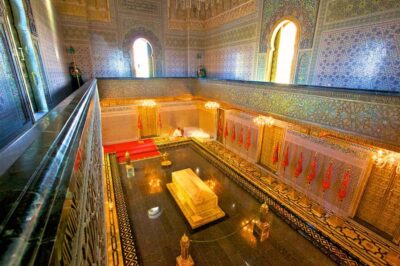
Guided City Tour with Mausoleum Mohammed V Visit
Read our review →
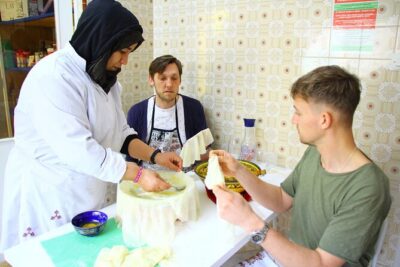
Join Best Moroccan Cooking Class with Chef Khadija ( Over 35 years Experience )
Read our review →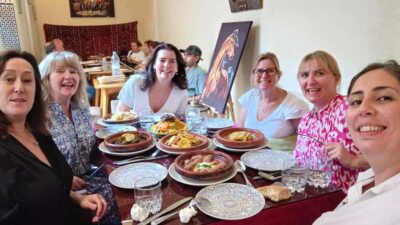
Private Cultural Walking Tour of Rabat with Licensed Tour Guide
Read our review →
Browse the lists this tour appears in