
Reviewed · RABAT TOURS
Join Best Moroccan Cooking Class with Chef Khadija ( Over 35 years Experience )
The best part of this Rabat cooking class happens inside Chef Khadija’s traditional villa, where tea, sweets, family hospitality, and a homemade Moroccan meal come together. You help prepare dishes such as chicken tagine, couscous, batboute bread, vegetable sides, or pastilla, then sit down to eat what you made.
I like the genuine home setting, which feels more personal than a restaurant kitchen, and the practical note-taking: Chef Khadija provides paper and pens so you can recreate the recipes later. The tea and homemade sweets are another fine touch. The main consideration is that this may feel more like a private chef experience than a formal, hands-on lesson, since Khadija does much of the cooking.
Key points to know before booking
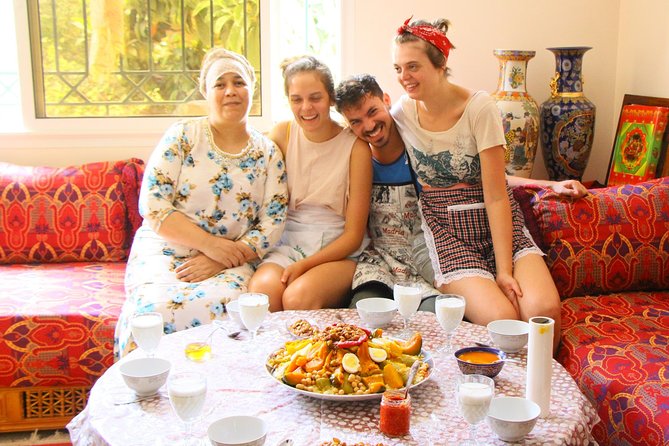
- Chef Khadija brings more than 35 years of experience to a relaxed class in her own villa home.
- Mint tea and Moroccan sweets begin the visit, giving you a warm local welcome before the cooking starts.
- The menu can be tailored for vegetarian and vegan diets, as well as for people who want meat or fish.
- You may prepare several dishes in one session, including tagine, breads, couscous, salads, and cooked vegetables.
- Classes start at 10:30am or 3pm, though the advertised two-and-a-half-hour visit may run longer.
- The class is near public transportation and ends where it begins, at the meeting point near Mosquée Sheikh Saif.
Arriving at Chef Khadija’s Rabat villa
The meeting point is listed at Mosquée Sheikh Saif, on Avenue As Sanaobar in Agdal Riyad. The activity returns to this same point at the end, so you do not need to arrange a second pickup across Rabat.
The house setting is central to the appeal. You are not simply watching a chef prepare food in a rented studio. You enter a traditional Moroccan villa, meet Khadija, and begin with mint tea and sweets. This opening matters because Moroccan food is tied closely to hospitality. Tea is not just a drink here. It sets the pace for the visit and gives you time to discuss the menu before work begins.
The house has also been described as exceptionally clean and welcoming, with a beautiful interior and a pleasant neighborhood. If you are coming by taxi, the address has been relatively easy to find. Since the meeting point uses a mosque and a street address rather than a major hotel, keep the full location details with you and allow a little extra time for the first visit.
Chef Khadija may be joined by family members, including her son and her sister Marla. Marla has been able to assist in English, which can help if you do not speak French or Arabic. Khadija herself speaks limited English, but clear demonstrations, notes, and help from family can make the lesson workable for English speakers.
More cooking classes out of Morocco:
- Marrakech: Moroccan Cooking Class with Pickup
★ 4.6 · 1,862 reviews - Marrakech: Traditional Moroccan Cooking Class & Market Visit
★ 4.8 · 1,861 reviews - Marrakesh: Moroccan Dishes Cooking Class with a Local Chef
★ 5.0 · 1,615 reviews
Tea, sweets, and choosing the menu
The first course is not a course at all. It is the welcome. You receive Moroccan green tea prepared with mint and traditional sweets, then talk through what you will cook.
If you have already discussed your menu, the class can begin with that plan. If not, Khadija asks what sort of meal you want. This is useful because Moroccan cooking covers a wide range of dishes, and the right choice depends on your interests, dietary needs, and how much cooking you want to do.
Possible dishes drawn from the class include:
- Chicken tagine
- Couscous with beef, zucchini, pumpkin, caramelized onions, almonds, and dates
- Batboute bread
- Pastilla
- Za’alook, a cooked eggplant dish
- Vegetable sides such as zucchini, green beans, sweet potatoes, and carrots
- Two or more salads or cooked vegetable dishes
You should discuss vegetarian or vegan requirements before the class. The experience can accommodate both, but a menu agreed in advance will make the cooking smoother. Meat eaters can expect traditional options such as chicken tagine or beef couscous.
I like that the menu is not locked into one single recipe. A visitor who already knows Moroccan food can request something specific, such as Za’alook or pastilla. Someone new to the cuisine can let Khadija choose a balanced meal with a main dish, bread, and sides.
Cutting, seasoning, and learning the Moroccan method
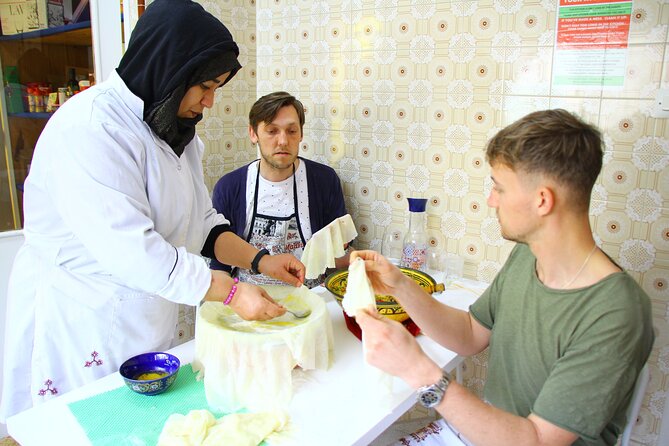
The practical work starts in the kitchen. You may cut onions and vegetables, prepare ingredients, shape bread, and assist with other parts of the meal. Khadija guides the process and explains the steps as she goes.
The class is especially useful for learning how Moroccan food gets its flavor. The spices are not treated as a mystery powder added at the end. You see how ingredients are prepared, combined, and cooked into a dish. The vegetable sides are a good example. Zucchini and green beans become memorable not because of complicated equipment, but because of their seasoning and careful cooking.
You may also learn the small measurements that rarely appear in polished restaurant recipes. One person particularly valued Khadija’s explanation of what a half tea cup means when measuring liquid. These details can make the difference between a recipe you admire and one you can actually cook at home.
Bring attention and a phone or notebook. Khadija provides paper and pens for notes, along with the steps needed to recreate the dishes. You are also welcome to take photographs and videos, so you can record the preparation, the finished plates, and perhaps the traditional clothing offered during the meal.
The level of participation can vary. Some people want to chop, mix, shape, and cook as much as possible. Others are happier helping with preparation while Khadija handles the more demanding work. Based on the way the class operates, I would not book this expecting a fully hands-on professional kitchen lesson where you independently prepare every dish.
Instead, think of it as a home cooking demonstration with meaningful participation. You learn by doing some tasks, watching an experienced cook, asking questions, and tasting the results.
What you may cook in one session
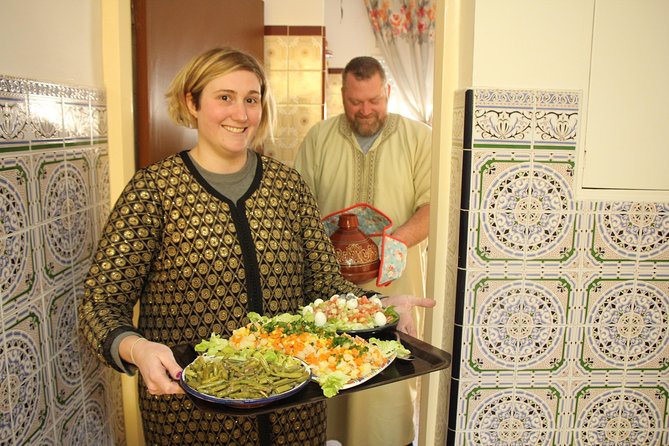
The menu can be surprisingly generous for a single class. A common combination is chicken tagine with two vegetable sides and bread. That gives you a clear look at the Moroccan meal structure: a central dish, vegetables prepared with different seasoning, and bread for scooping and sharing.
Chicken tagine is a strong choice for first-time visitors. It shows how a few familiar ingredients can become a dish with a distinctly Moroccan character. The cooking method is as important as the spice blend, and Khadija’s long experience helps explain the order of the work.
Batboute is another practical choice. This soft Moroccan bread gives you something to shape and prepare with your hands, and it is easier to remember at home than a highly elaborate pastry. A class combining tagine and batboute also gives you both a main dish and a useful staple.
Couscous offers a different lesson. The version prepared in one class included beef, zucchini, pumpkin, caramelized onions, almonds, and dates. That combination shows how Moroccan cooking balances savory meat, sweet fruit, nuts, and vegetables in one meal.
Pastilla is the ambitious option. It is a detailed dish with many steps and layered flavors, so it suits someone who wants a more involved cooking project. Ask about the menu ahead of time if pastilla is your priority, since the session may otherwise focus on tagine, couscous, or a simpler combination.
The range of dishes also makes this a good repeat activity. A first visit could focus on tagine and bread. A return visit might be devoted to Moroccan pastries or pastilla.
A few other Morocco days worth comparing
- Moroccan Cooking Class & Marrakech Market Visit with Chef Khmisa
★ 5.0 · 1,504 reviews - Half-Day Cooking Class with Local Chef Laila in Marrakech
★ 5.0 · 952 reviews - Marrakech: Pottery Workshop with Moroccan Tea
★ 4.8 · 756 reviews - Marrakech: Moroccan Cooking Class with a Local Family
★ 4.9 · 668 reviews
Sitting down to the meal
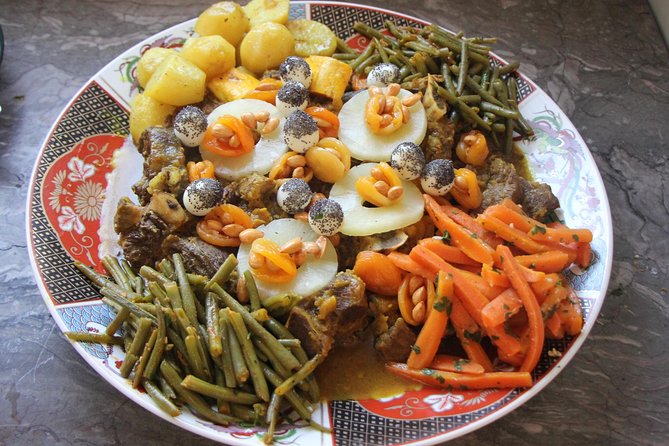
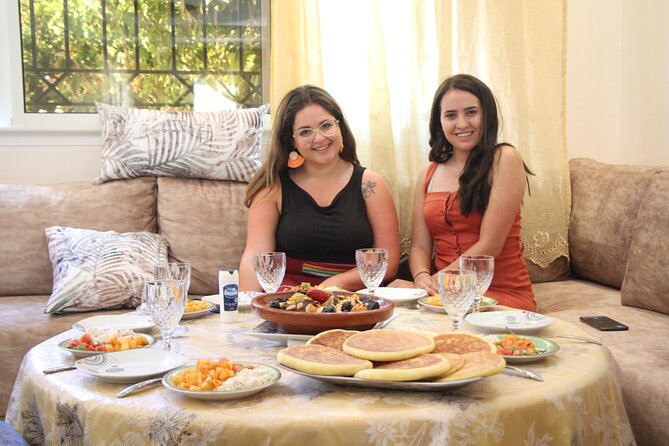
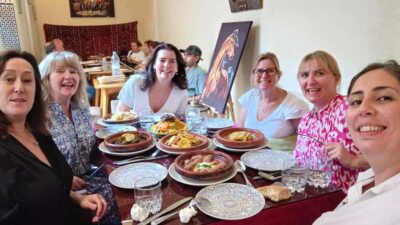
At the end, you eat the food prepared during the class. This is where the home setting pays off. Instead of leaving with a small sample, you get a proper Moroccan lunch or dinner, often with several dishes on the table.
The morning class starts around 10:30am and is scheduled to finish around 2pm. The listing gives an approximate duration of two hours and thirty minutes, but plan for more time. Some sessions have lasted about three and a half to four hours, especially when the meal includes several dishes and conversation.
That longer pace is not necessarily a problem. Moroccan meals are social, and the cooking itself is part of the visit. Still, do not schedule a tight afternoon tour immediately afterward. The 3pm class may run into the evening, while the morning option is best treated as a major part of your day rather than a quick activity between monuments.
Takeout containers may be available, which is handy if the meal is larger than you can finish. One family also found the class suitable for a child who loved helping with the preparation. Children who enjoy food and simple kitchen tasks may have a good time, though the adult in charge should decide how much participation is appropriate.
The people make the class work
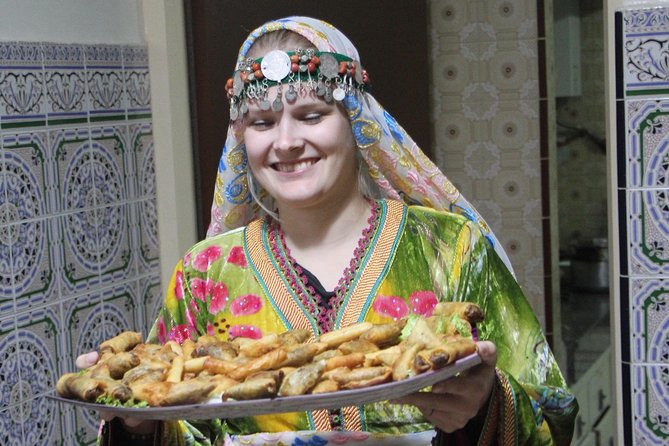
Chef Khadija is the heart of the experience. She has more than 35 years of cooking experience and is described as organized, patient, humorous, and warm. Those qualities matter in a home kitchen, where the rhythm is less formal than in a culinary school.
She also comes across as a caring mother and family host. You may meet her son, sister, or other family members during the visit. That can make the class feel more like an invitation into Moroccan domestic life than a standard activity built only around a recipe.
The language issue deserves a clear note. Khadija speaks little English, but this has not prevented the class from working for English-speaking visitors. Demonstration, gestures, written notes, and help from Marla can bridge much of the gap. If you need highly detailed explanations in English at every step, communication may require patience.
French speakers may find the class easier in some situations, and the experience has also worked well for visitors attending alone. You do not need a large group to make the visit worthwhile. A solo participant can receive direct attention and still share a full meal.
The maximum group size is listed as six, while the description also mentions groups of up to eight. Because those numbers differ, confirm the size when booking if a small group is important to you.
Is $52.34 a fair price?
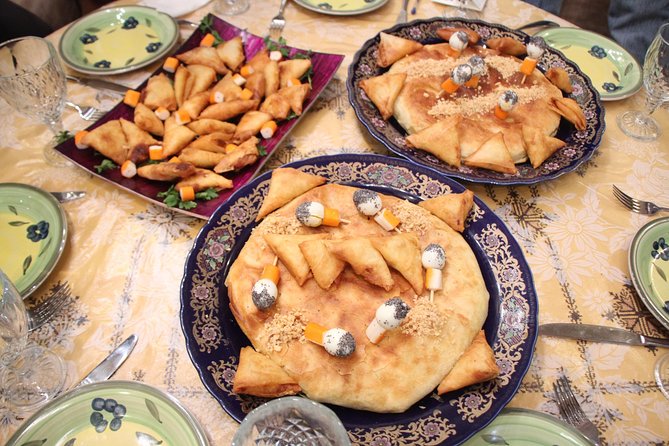
At $52.34 per person, this is not the cheapest way to eat in Rabat. You can find a less expensive Moroccan meal elsewhere. The value comes from what is included around the food: a welcome in a private home, instruction from an experienced cook, several prepared dishes, tea and sweets, a sit-down meal, and written guidance for cooking again later.
The price makes more sense if you treat the activity as both lunch and a cultural visit. You are paying for time, ingredients, teaching, and hospitality, not only for a plate of tagine.
It is also better value for people who will use the recipes at home. If you enjoy cooking, the notes and explanations about measurements, seasoning, and preparation can continue to pay off after you leave Morocco.
For someone who wants only a quick meal, the price may feel high. For a person who wants an informal introduction to Moroccan home cooking, it is a reasonable spend, especially if the menu includes several dishes and the visit lasts closer to four hours.
Who should book this Rabat cooking class?
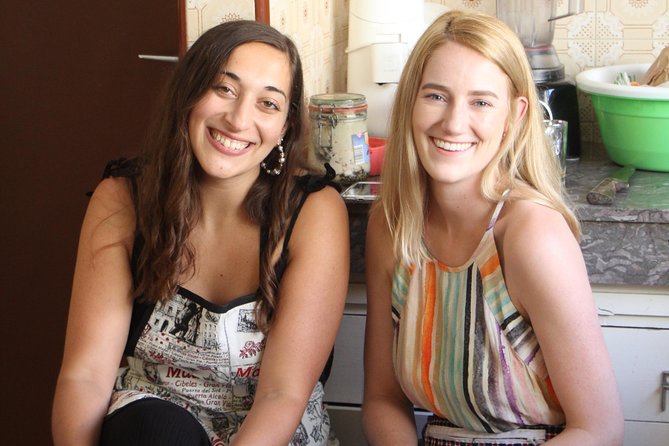
I would choose this class if you want to understand Moroccan food from the kitchen outward. It suits couples, families, solo participants, and small groups who enjoy eating slowly and asking questions.
It is a particularly good fit for:
- Home cooks who want recipes they can repeat
- Families with children who enjoy helping in the kitchen
- Vegetarians and vegans who want a menu arranged in advance
- Visitors who prefer local homes to restaurant demonstrations
- Anyone interested in tagine, couscous, Moroccan bread, or vegetable dishes
- People who want a relaxed activity away from the usual sightseeing route
You may want another type of class if you expect every participant to prepare every dish independently, work at a professional cooking station, or receive lengthy English instruction. The experience is personal and practical, but it is also shaped by the pace of a family home.
Book ahead if your schedule is fixed. The activity is often reserved about 22 days in advance, and there are only a few places per session. You receive confirmation when booking, and free cancellation is available until 24 hours before the start time. Changes or cancellations inside that 24-hour window are not refunded, and the activity requires a minimum number of participants.
Should you book Chef Khadija’s class?
Yes, if your idea of a good cooking class includes tea, family hospitality, a generous meal, and recipes you can take home. Chef Khadija’s villa gives the experience a local feel that a hotel kitchen cannot easily reproduce, and the range of possible dishes lets you shape the meal around your interests.
Go in with the right expectation. You will help prepare the food, but Khadija may handle much of the cooking. Allow three to four hours rather than rushing off after two and a half, confirm your menu and group size, and tell the host about dietary needs before you arrive.
For a first taste of Moroccan home cooking in Rabat, this is a practical and personable choice. It gives you food to eat now, techniques to remember later, and a welcoming look at the people behind the cuisine.
FAQ
Where does the cooking class begin?
The meeting point is near Mosquée Sheikh Saif on Avenue As Sanaobar in Agdal Riyad, Rabat. The activity ends back at the same meeting point.
How long does the cooking class last?
The advertised duration is about two hours and thirty minutes. Plan for extra time, since some visits have lasted around three and a half to four hours.
What time does the class start?
You can choose a morning start around 10:30am or an afternoon start at 3pm.
What food can I prepare?
Menus may include chicken tagine, couscous, batboute bread, pastilla, Za’alook, and vegetable dishes such as zucchini, green beans, sweet potatoes, and carrots. The exact menu should be discussed with Chef Khadija.
Can vegetarian or vegan diets be accommodated?
Yes. Vegetarian and vegan menus can be arranged, along with menus for people who want meat.
How many people can join?
The additional information lists a maximum of six participants. The activity description also refers to groups of up to eight, so confirm the group size when booking.
Is the class suitable for someone attending alone?
Yes. The class can be taken alone or with a group, and a solo participant can prepare and enjoy the meal with Chef Khadija and her family.
What is the cancellation policy?
You can cancel for a full refund up to 24 hours before the local start time. Cancellations or changes made less than 24 hours before the start are not refunded. If the minimum number of participants is not met and the activity is canceled, you are offered another date, another experience, or a full refund.
Just listed out of Morocco
- Marrakech: Ouzoud Waterfalls Trip, Guide & Boat + Lunch★ 4.7 · 33 reviews
- Full Day Private Tour to Tetouan and Chefchaouen★ 5.0 · 33 reviews
- Agadir: 30 min Jet Ski Rental with Transfers★ 4.6 · 33 reviews
- From Marrakech: Ourika Valley Trip, Waterfall Hike & Lunch★ 4.4 · 33 reviews
- Fez Cooking Class★ 5.0 · 33 reviews
- Agadir: 2h Surf Lesson with Local Instructors★ 5.0 · 33 reviews
- Camel Riding Agadir★ 4.5 · 33 reviews
- Agadir : City Sightseeing Tour★ 4.7 · 33 reviews
Rabat Tours, compared.
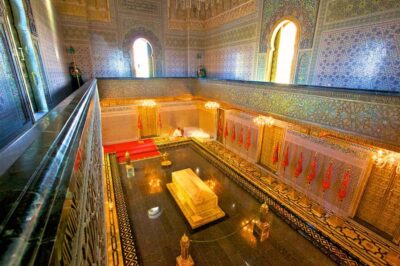
Guided City Tour with Mausoleum Mohammed V Visit
Read our review →

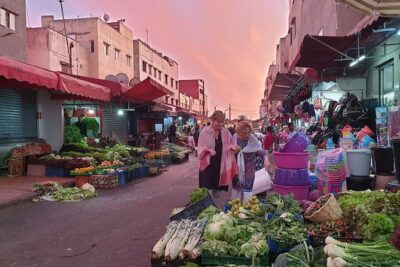
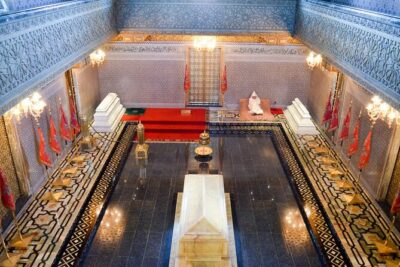
Private Cultural Walking Tour of Rabat with Licensed Tour Guide
Read our review →
Browse the lists this tour appears in