
Reviewed · RABAT TOURS
Rabat: Guided City Tour with Mausoleum Mohammed V Visit
Rabat’s best feature is how much history fits into a half-day. This tour links the ceremonial Mohammed V Mausoleum and Hassan Tower with the ancient Chellah, the blue-and-white Kasbah of the Udayas, and the old Medina, so you get both the grand capital and its everyday streets. I especially like the air-conditioned car with Wi-Fi and the chance to explore with a local guide rather than puzzle out the city alone.
I also like the relaxed pace reported by past participants, including time for mint tea and Moroccan cookies in the Kasbah. Guides such as Youssef, Hamid, Osman, and Rachid have earned praise for their clear explanations and friendly manner. The main caution is value: at $104 per person, this is not a bargain if you only want transportation, and the four-hour schedule can feel short.
Key points to know before booking
- Mausoleum and Hassan Tower together: Two of Rabat’s most important monuments make a strong opening pair.
- Chellah costs extra: Allow $7 per person for the entrance fee, which is not included.
- The Kasbah gets the most personal feel: Narrow lanes, blue-and-white houses, ocean views, and possible tea time make this a highlight.
- A guide makes the difference: Youssef, Hamid, Osman, Rachid, Mohamed, and other named guides have been praised for history, patience, and local insight.
- Four hours is efficient, not leisurely: You can see the main sights, but you will not have unlimited time at every stop.
- Passport required: Bring it for access arrangements at the Royal Palace.
Why this four-hour Rabat tour works
Rabat can feel spread out when you first arrive. Its monuments, riverfront quarters, old walls, and royal district do not all sit in one compact square. This tour solves that problem with a private guide and an air-conditioned vehicle, letting you cover the major sights without spending half the morning arranging taxis.
The format is simple. Pickup is offered from select hotels in Rabat city center, and you should wait in the lobby 15 minutes before the scheduled time. Bottled mineral water is included, along with Wi-Fi in the vehicle. The guide languages are Arabic, English, and French, so you can request the language that suits you when booking.
The strongest part is the human explanation. Rabat’s monuments are attractive on their own, but the city becomes easier to understand when someone connects the royal capital, Roman-era Chellah, Islamic architecture, Andalusian influence, and modern Moroccan identity. Guides praised by name include Youssef Elkahili, Hamid, Osman, Rachid, Mohamed, Hamad, and Abdo. The most useful comments describe guides who answer questions, explain the setting around each monument, and adjust their pace to the group.
That said, the exact quality of your day depends heavily on the guide assigned. One participant found the guide distracted by phone calls and less willing to answer questions beyond the planned script. That is a fair reminder that a guided tour is not automatically personal or flexible. If your guide is engaged, the experience can feel like a thoughtful introduction to Rabat. If not, the car and sightseeing stops alone do not justify the full price.
A few other Morocco days worth comparing
- Casablanca City Tour with Hassan II mosque ticket
★ 5.0 · 2,480 reviews - Blue City magic: Affordable Day Trip from Fez to Chefchaouen
★ 4.6 · 1,960 reviews - Marrakech: Private Guided Half-Day City Tour
★ 5.0 · 1,249 reviews
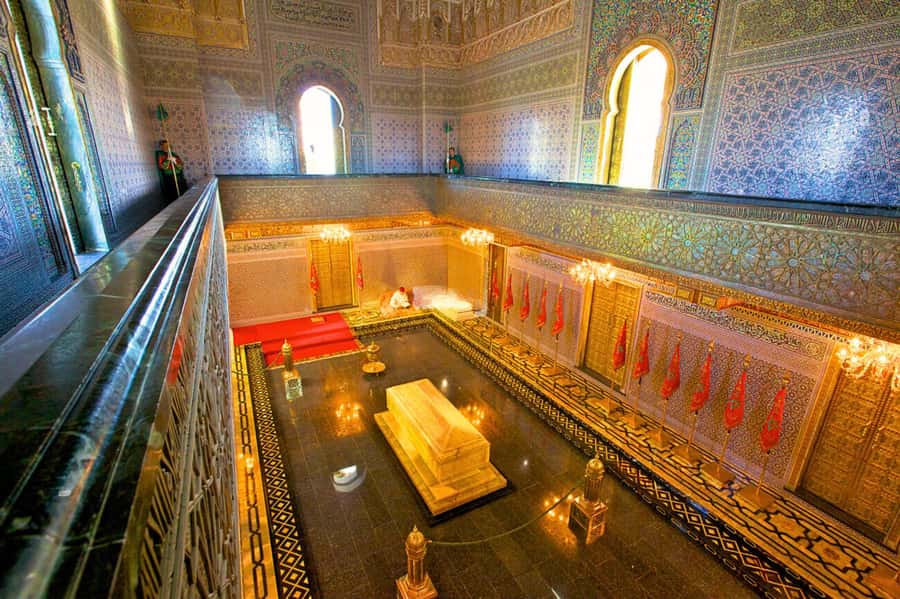
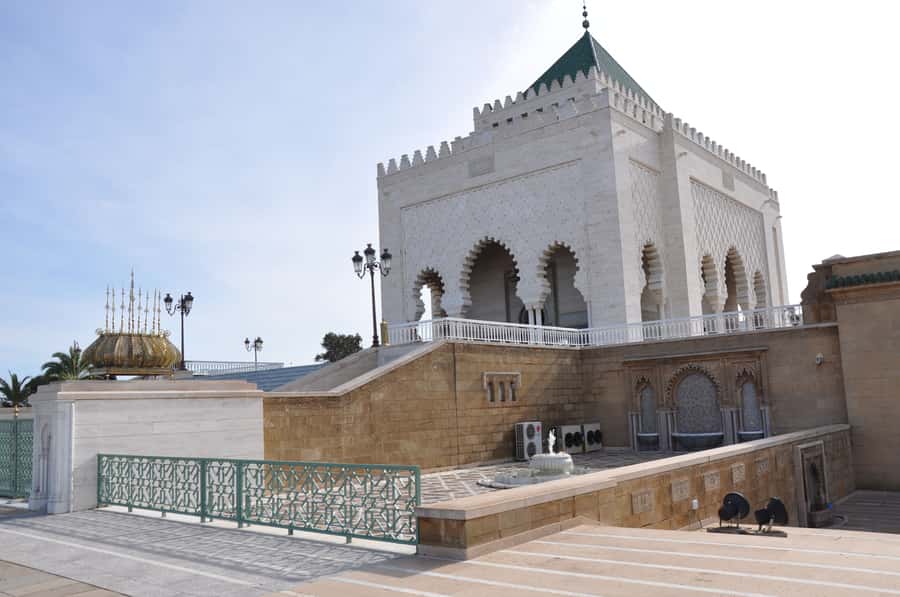
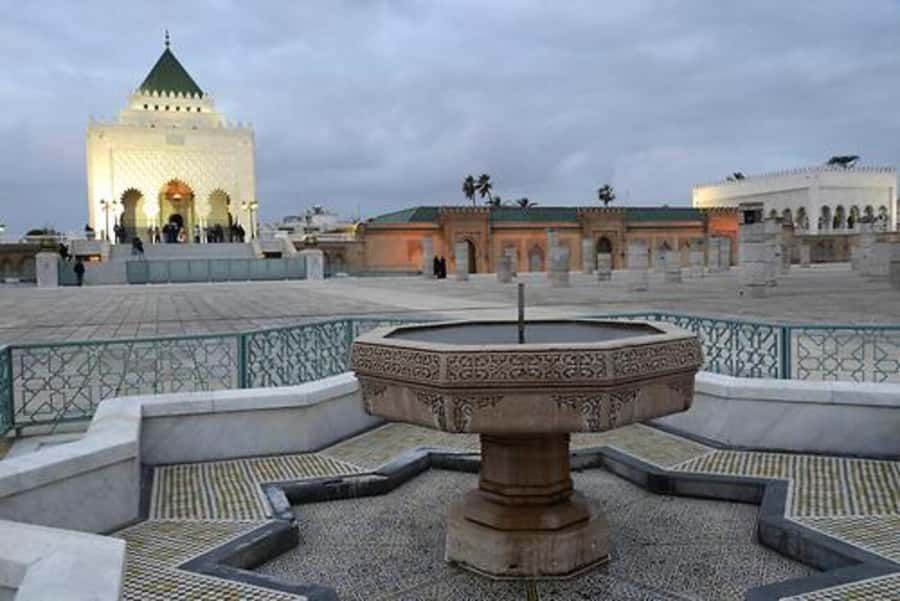
Mohammed V Mausoleum and Hassan Tower
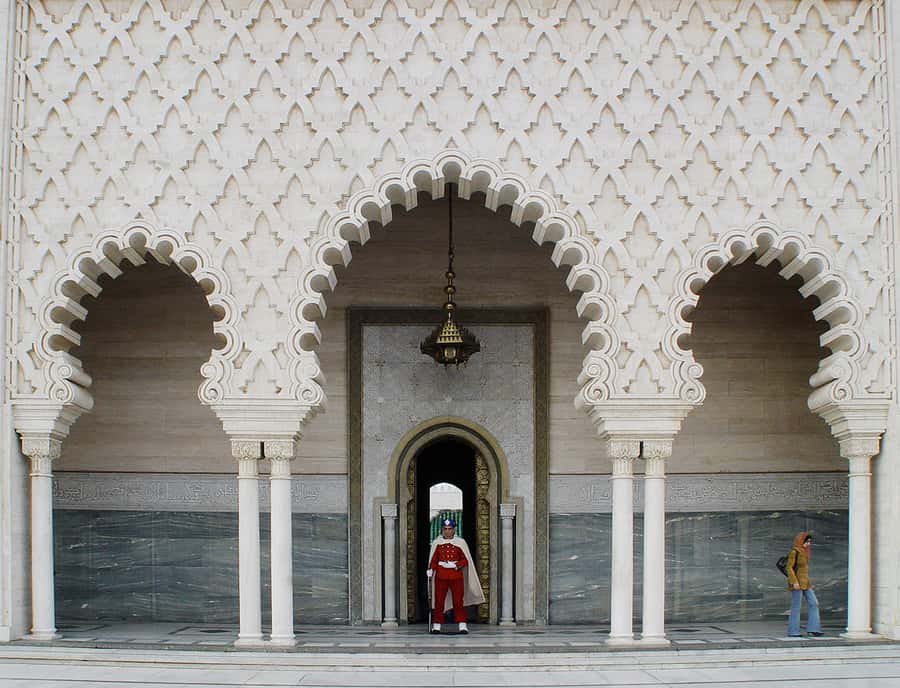
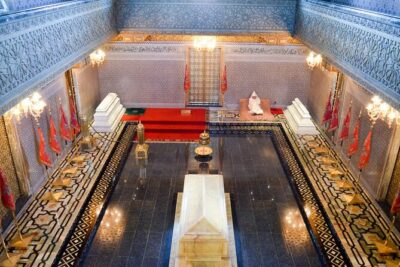
The tour begins with the Mohammed V Mausoleum, one of Rabat’s most important ceremonial sites. The building honors Morocco’s former kings and is known for its formal design and careful decoration. You can expect time to admire the exterior and enter the mausoleum area, but do not confuse this with a private or exclusive visit. The site itself is free to visit, and the guide may not accompany you inside.
That point matters because the experience is sometimes understood as including special access. The practical benefit here is the guide’s explanation and the convenience of arriving as part of a planned route, not a private opening or restricted viewing. Bring your passport, since it is required for access to the Royal Palace and related arrangements.
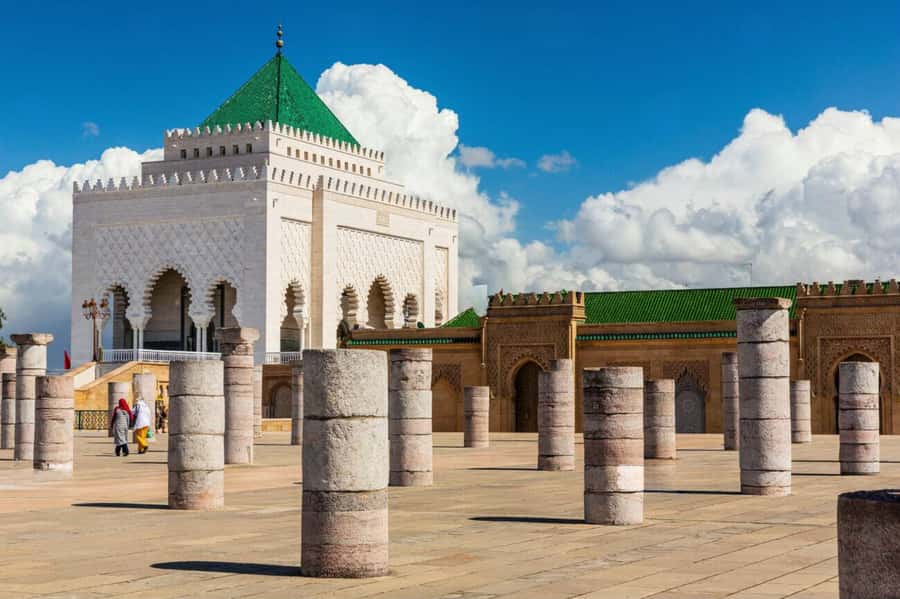
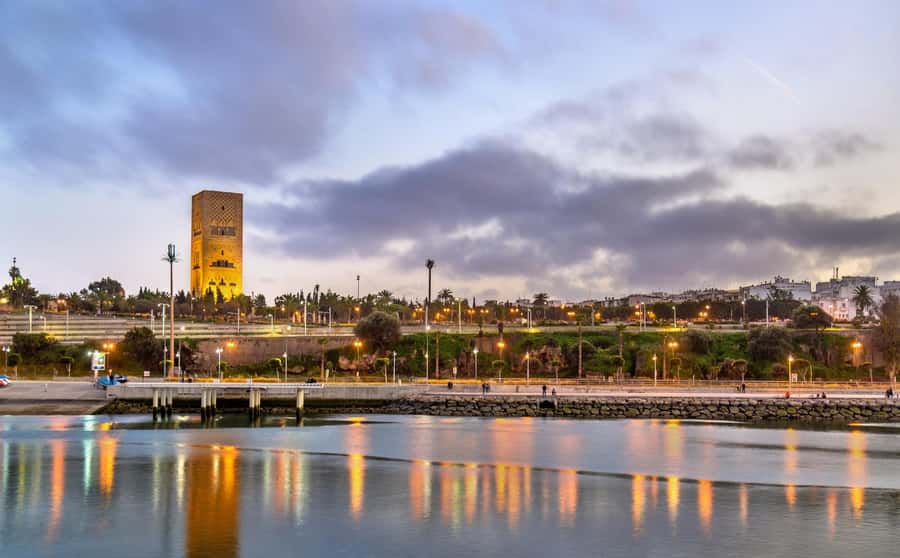
Nearby, Hassan Tower gives you a second major monument with a very different story. The tower was intended to be the minaret of an enormous mosque, but the project was never finished. The remaining structure and rows of columns still make the site memorable, especially when a guide explains the original plan and the craftsmanship visible in the stonework.
I like these two stops together because they show different sides of Rabat. The mausoleum represents modern royal memory and national ceremony. Hassan Tower connects you to an ambitious medieval building project that ended unfinished. You do not need to be an architecture expert to appreciate the contrast.
Allow some flexibility here. The listed sequence places the mausoleum first, followed by the Royal Palace, then Hassan Tower, but the exact order may shift. Four hours is enough for an overview, though the time at each stop will be limited if you want many photographs or a slow inspection of every detail.
The Royal Palace exterior and the passport rule
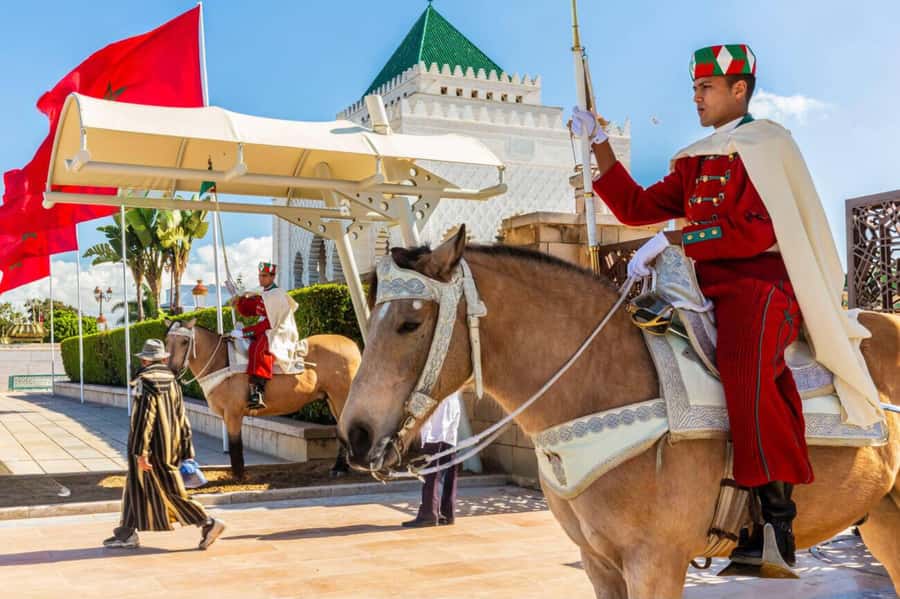
The Royal Palace is an official residence of Morocco’s monarchy. The palace grounds are not presented as a standard public interior visit, so expect to admire the architecture and formal setting from permitted areas rather than tour the rooms.
The passport requirement deserves attention. You must carry your passport during the tour for access to the Royal Palace. It is an easy item to forget if you prefer to leave documents in your hotel safe, but without it you may face a problem at this stop.
For me, this is a short sightseeing pause rather than the emotional center of the tour. The palace adds context because Rabat is Morocco’s capital and royal seat, but it is less interactive than the Kasbah or Medina. If you are most interested in daily life, ask your guide to keep the palace stop concise and save more time for walking in the old quarters.
Chellah, where Roman and Islamic Rabat meet
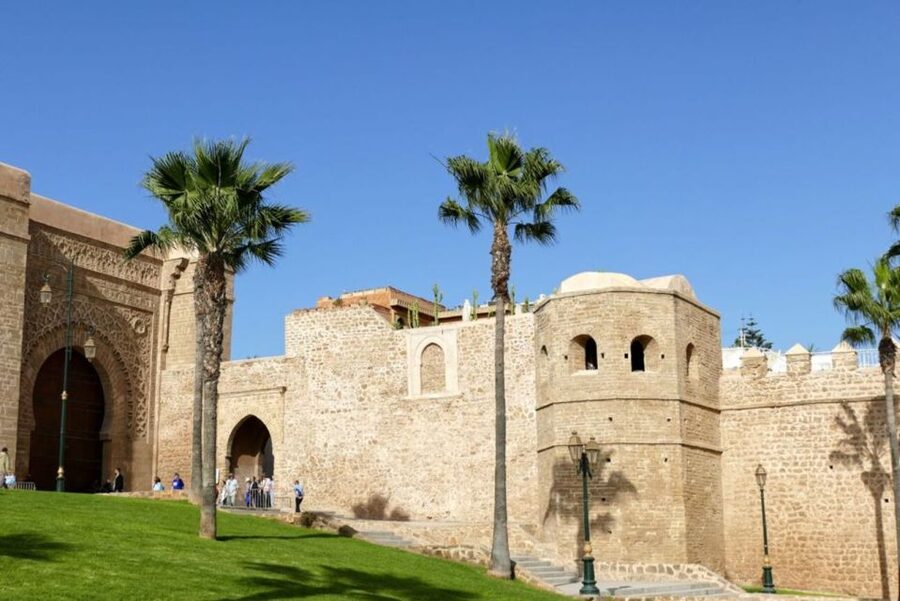
Bab Chellah leads to an ancient fortress and necropolis with Roman and Islamic layers. It is one of the more unusual stops because you are not looking at a single period of Moroccan history. The site brings older Roman remains together with later Islamic structures, giving your guide a chance to explain how Rabat developed across many centuries.
The entrance fee is extra, at $7 per person. Factor that into the cost before you book. The tour price is $104 per person, so the added fee is small beside the main charge, but it is still useful to know in advance.
Chellah is also where the four-hour limit can become noticeable. A full appreciation of an archaeological site usually rewards slow walking and time to read the setting. Here, you may receive a well-organized introduction rather than an unhurried archaeological visit. If Chellah is your top priority, tell the guide early. A private format should give you more room to express that preference, though the overall schedule still has to fit the other stops.
Same city, a completely different day out:
- Marrakech: Agafay Desert Sunset, Camel Ride, and Dinner Show
★ 4.6 · 35,119 reviews - From Marrakech: Ouzoud Waterfalls Guided Hike and Boat Trip
★ 4.7 · 33,630 reviews - Marrakech: Agafay Desert Quad & Camel Rides with Dinner Show
★ 4.8 · 27,382 reviews - Marrakech: Agafay Desert Quad Biking Tour with Dinner-Show
★ 4.8 · 16,569 reviews
Andalusian Gardens and a pause in the Kasbah
The Andalusian Gardens offer a welcome change of pace. After monuments and formal royal spaces, you get a quieter place for a short walk, with Andalusian-style design and a calmer mood. I see this as a useful breathing space, not a destination that requires a long visit.
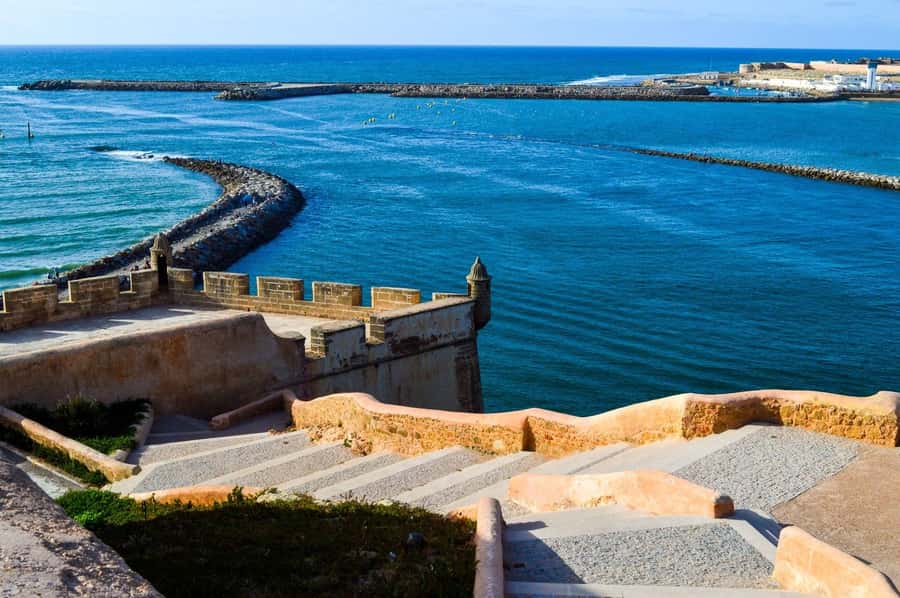
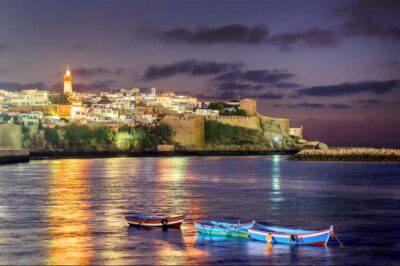
The Kasbah of the Udayas is likely to be the tour’s most memorable section. The fortress sits on a hill above the Atlantic, and its narrow lanes are lined with blue-and-white houses, flowers, and views toward the water. The setting feels more intimate than the broad ceremonial spaces around Hassan Tower.
This is where local knowledge can add real value. One guide, Rachid, grew up inside Rabat’s old Medina, while Osman shared personal memories of growing up near the Kasbah. Details like these can turn a walk through painted lanes into a clearer picture of how the quarter functions as a living neighborhood, rather than just a pretty photo stop.
You may also stop for mint tea and Moroccan cookies. That pause is not listed as a formal inclusion, so treat it as something that may depend on the guide, timing, and local arrangements. Still, it captures the appeal of the Kasbah: you can slow down, talk, and absorb the atmosphere instead of racing from monument to monument.
Wear shoes that feel secure. The Kasbah’s lanes are narrow and winding, and the route is a walking experience rather than a drive-by view. The information provided does not give a specific accessibility plan, so anyone with mobility concerns should ask the operator about the walking route before booking.
Rabat’s Medina and the final walk
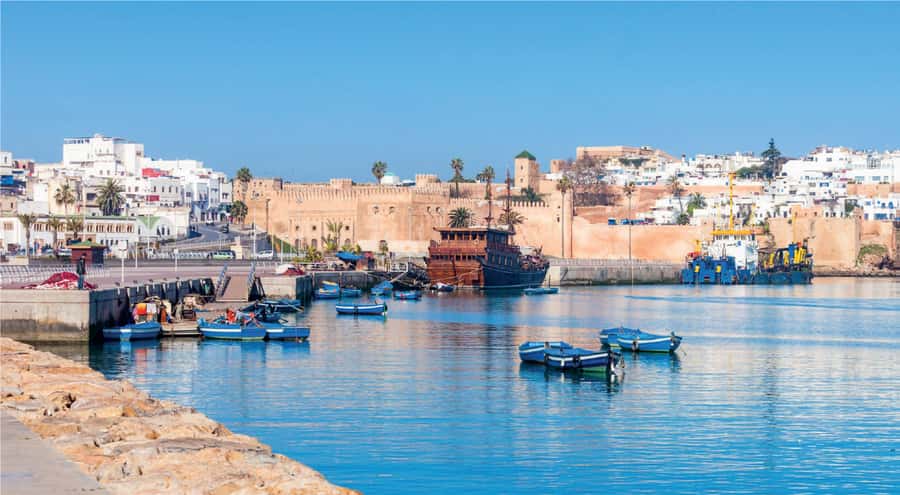
The tour finishes around the ancient walls and Medina, Rabat’s historic core. This is the place to see ordinary city movement: market stalls, local shopping, changing smells, and the sound of people going about their day. The experience is less polished than the royal quarter, which is exactly why it adds balance.
I would use this final section to ask practical questions. Your guide can help explain what you are seeing, point out the difference between tourist-oriented shops and everyday commerce, and give you a better sense of how the old quarter fits into present-day Rabat. The supplied details do not promise shopping stops or included purchases, so you should not expect a planned buying session.
The Medina is also where a guide may be most useful. You can walk it independently, but understanding a place is easier when you know what the walls, lanes, and market activity represent. One participant described the tour as a good way to get a broad snapshot of the old Medina, especially because the guide had grown up there.
Do not expect hours of free wandering. The Medina is the final part of a route that already includes several major sites. If you want to shop, eat, or explore the lanes at your own speed, plan extra time after the tour.
What the $104 price really buys you
At $104 per person, this experience sits in the premium half-day category. You are paying for a private guided format, hotel pickup and drop-off from select central hotels, an air-conditioned vehicle, Wi-Fi, and bottled water. You are also paying for route planning across parts of Rabat that are not best handled as one simple walk.
The value depends on your priorities. If you are staying in Rabat for a short time, arriving without a car, or want historical context at each stop, the price can make sense. A strong guide such as Youssef, Hamid, Osman, or Rachid can save you research time and help you notice connections that are easy to miss on your own.
If you are traveling alone, the price deserves extra thought because it is charged per person. One solo participant found the format worthwhile, especially because the guide provided context and an easy pace. For a couple or small group, the private setup may feel more reasonable, particularly if everyone wants the same route.
There is also a direct comparison to keep in mind. A similar four-hour experience in Casablanca was described as costing much less for two people. Prices vary by city and service, so this is not a perfect comparison, but it highlights the issue: you should book this for the guide and convenience, not simply for a ride between monuments.
Chellah’s $7 admission is not included. The Mausoleum is free to visit, so do not assume the price covers special entry there. Free cancellation up to 24 hours before the start and the reserve-now, pay-later option make the booking less rigid, but they do not change the basic value question.
Who should book this Rabat experience?
I would recommend it most strongly if you have only half a day in Rabat and want the main sights arranged in a sensible order. It also suits you if you prefer local explanation, dislike negotiating transport, or want hotel pickup in a comfortable vehicle.
It works well for families and first-time visitors because the car reduces the effort between stops. The warm, patient style praised in guides such as Youssef and Hamid can also help if you want history explained in plain English rather than delivered as a long academic lecture.
Solo visitors may appreciate the ease and company, though the per-person price is harder to justify. Independent walkers who enjoy getting lost in markets may prefer to visit the Medina and Kasbah alone, then hire a guide only for specific monuments.
I would hesitate if you want deep time at Chellah, long shopping sessions, or a private interior visit to the Royal Palace. The tour gives you a strong first look, not unlimited time or guaranteed personal access to every site.
Final verdict: book it for context, not just transport
This is a well-planned introduction to Rabat, with the Kasbah of the Udayas and its local stories likely to be the high point. The route covers the royal, Roman, Islamic, and everyday sides of the capital, while the vehicle keeps a lot of ground manageable.
Book it if you want a guide who can connect the sights and you value a calm, organized half-day. Before paying, remember the $7 Chellah fee, carry your passport, and ask for a guide who welcomes questions. Skip it if you mainly need a driver or want to set your own pace, since $104 per person is a lot for transportation alone.
FAQ
How long is the Rabat city tour?
The tour lasts four hours.
What sights are included?
The route includes the Mohammed V Mausoleum, Royal Palace exterior, Hassan Tower, Bab Chellah, Andalusian Gardens, Kasbah of the Udayas, and the old Medina walls and market area.
Is hotel pickup included?
Yes. Pickup and drop-off are included from select hotels in Rabat city center. You should wait in the hotel lobby 15 minutes before the scheduled pickup.
What languages can the guide speak?
Live guides are available in Arabic, English, and French.
Is transportation provided?
Yes. Transportation is provided in an air-conditioned vehicle with Wi-Fi on board.
Is the Chellah entrance fee included?
No. The Chellah entrance fee is $7 per person and must be paid separately.
Do I need to bring my passport?
Yes. You must carry your passport during the tour for access to the Royal Palace.
Can I cancel the booking?
You can cancel up to 24 hours in advance for a full refund. The reserve-now, pay-later option lets you book without paying immediately.
Just listed out of Morocco
- Marrakech: Ouzoud Waterfalls Trip, Guide & Boat + Lunch★ 4.7 · 33 reviews
- Full Day Private Tour to Tetouan and Chefchaouen★ 5.0 · 33 reviews
- Agadir: 30 min Jet Ski Rental with Transfers★ 4.6 · 33 reviews
- From Marrakech: Ourika Valley Trip, Waterfall Hike & Lunch★ 4.4 · 33 reviews
- Fez Cooking Class★ 5.0 · 33 reviews
- Agadir: 2h Surf Lesson with Local Instructors★ 5.0 · 33 reviews
- Camel Riding Agadir★ 4.5 · 33 reviews
- Agadir : City Sightseeing Tour★ 4.7 · 33 reviews
Rabat Tours, compared.


Join Best Moroccan Cooking Class with Chef Khadija ( Over 35 years Experience )
Read our review →

Private Cultural Walking Tour of Rabat with Licensed Tour Guide
Read our review →
Browse the lists this tour appears in