
Reviewed · MARRAKECH TOURS
Marrakech: Traditional Moroccan Crepes & Bread Cooking Class
Marrakech’s most useful souvenirs do not always fit in your suitcase. In this two-hour bread class, you learn to make msemen, harcha, and batbout, three everyday Moroccan favorites that appear at breakfast tables and tea gatherings. You mix, shape, cook, and eat the results in a small workshop near Bab Doukkala.
I like the hands-on format, since you work the dough instead of watching a chef do everything. I also like the mint tea ritual at the end, along with the chance to sit down with your food and chat about Morocco. The main consideration is communication: the teaching can be partly visual, and one participant found it hard to ask questions when the demonstrator did not speak English. The recipes are included electronically, but you may need to follow up if they do not arrive promptly.
Key things to know before booking
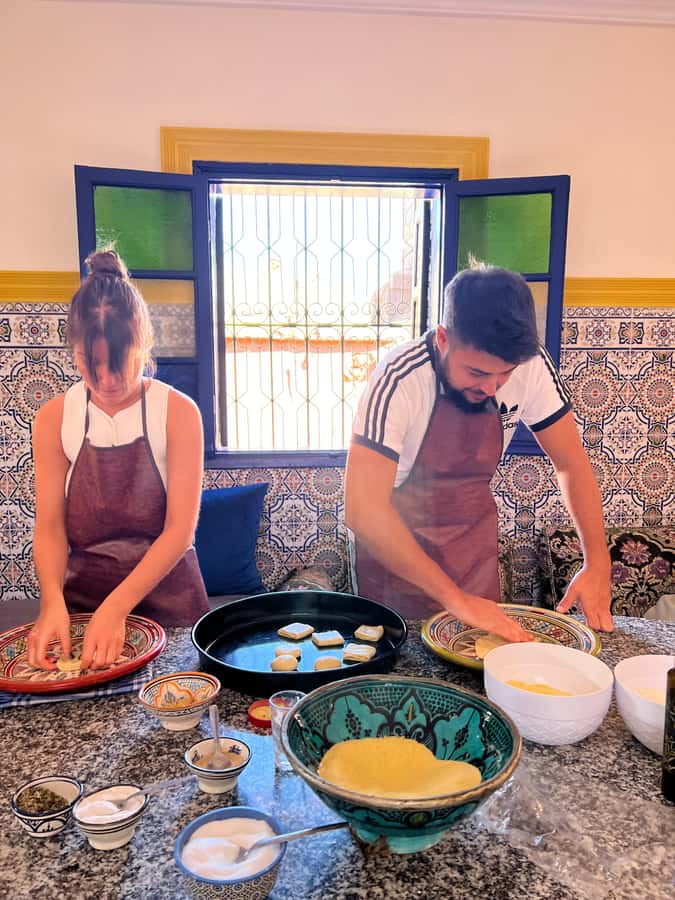
- You make three distinct breads: flaky msemen, crumbly harcha, and soft, pocket-like batbout.
- The group is limited to 10 people, giving you a reasonable chance to get help with shaping and cooking.
- Mint tea is part of the lesson, including preparation, pouring, and tasting.
- The class takes place near Bab Doukkala, at 44 Der Hajra, with no transport included.
- All ingredients, utensils, and an apron are provided, so you only need comfortable clothes and water.
- This is best for bread lovers and curious cooks, but it is not suitable for children under four, people with food allergies, or anyone with gluten intolerance.
Finding the workshop near Bab Doukkala
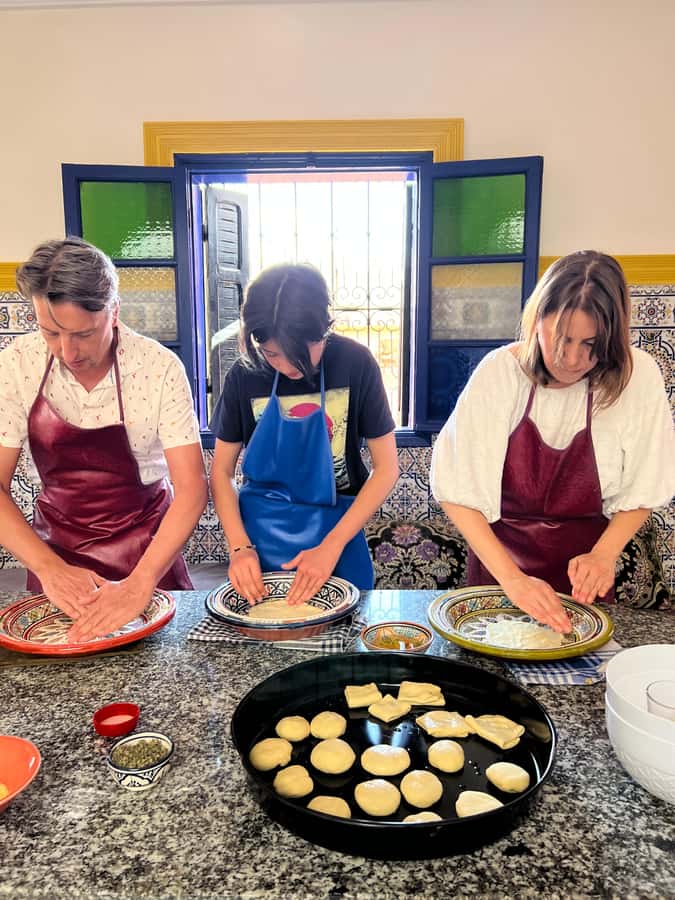
The class is held at 44 Der Hajra, in the Bab Doukkala area of Marrakech. You arrange your own way there, so allow time to find the address, especially if you are coming from the medina’s more familiar tourist streets.
The walk to the workshop can be part of the appeal. You may pass through food markets used more by local residents than by visitors, giving you a look at daily shopping and neighborhood life before the cooking begins. One useful touch is the WhatsApp direction message that has been sent before class, which can make the address easier to locate.
This is not a hotel kitchen or a polished restaurant demonstration. It has the feel of cooking in a Moroccan home, which is exactly why the setting works. You are there to handle flour, watch the dough change, and eat what you make. Wear clothes you can work in, and do not arrive expecting a formal dining room.
More Cooking Classes in Marrakech
- Marrakech: Moroccan Cooking Class with Pickup
★ 4.6 · 1,862 reviews - Marrakech: Traditional Moroccan Cooking Class & Market Visit
★ 4.8 · 1,861 reviews - Marrakesh: Moroccan Dishes Cooking Class with a Local Chef
★ 5.0 · 1,615 reviews
Your first task: learning the three Moroccan breads
The class focuses on three preparations that look similar at first but use different doughs and cooking methods. That variety gives the two hours a good rhythm. You are not repeating one recipe all morning, and each bread teaches a different bit of Moroccan baking technique.
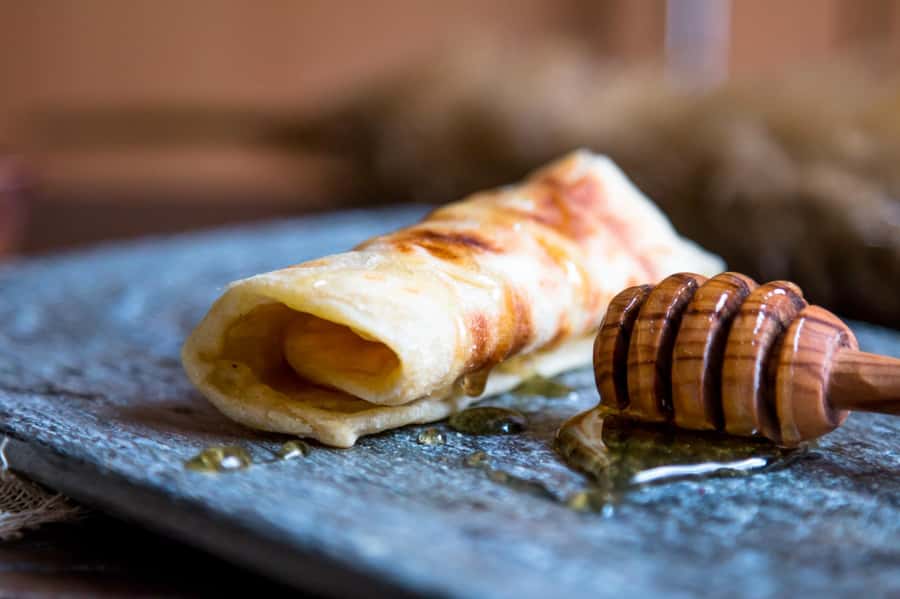
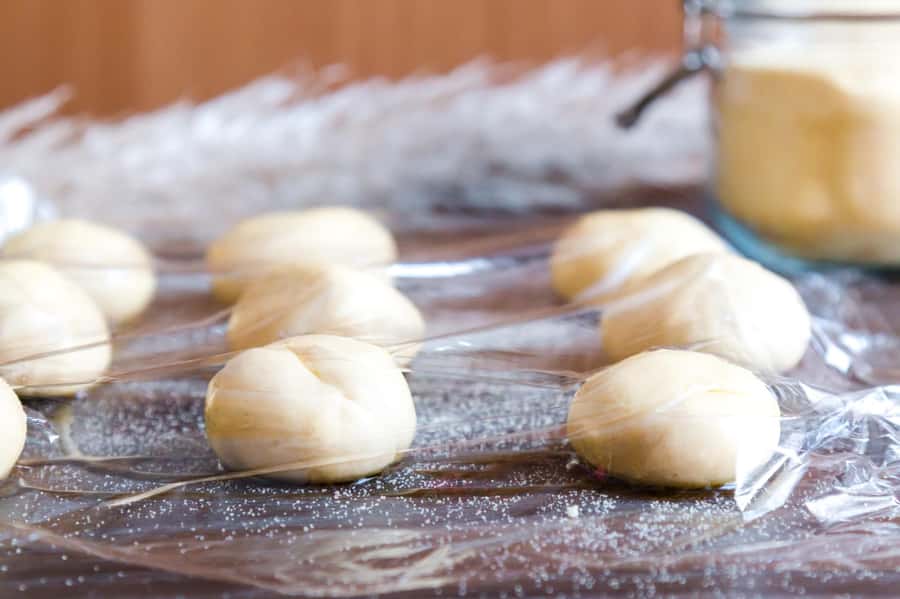
Msemen is the flaky Moroccan crepe most likely to catch your attention. The dough is worked and shaped so the finished bread develops thin layers. It is often eaten at breakfast or with tea, and learning to make it helps explain the bread you may already have enjoyed at your hotel.
The important lesson is in the handling. You need to pay attention to how the dough is stretched, folded, and cooked. This is where a hands-on guide matters. Fatima has been praised for demonstrating techniques clearly and helping people directly, while Jamila has also led sessions with patient, practical assistance. The instruction may rely as much on gestures and demonstration as on spoken explanation.
Harcha is different. This semolina pancake, sometimes described as a galette, has a more crumbly texture than msemen. You learn that Moroccan breads are not one single style. The ingredients and texture change, and so does the way you bring the dough together and cook it.
Batbout is a soft Moroccan flatbread, often compared with pita because it can puff and form a pocket. It gives you a third method to learn and a useful bread to try at home later. Making all three in one session lets you compare flaky, crumbly, and soft textures while the steps are still fresh in your mind.
How the two-hour class unfolds
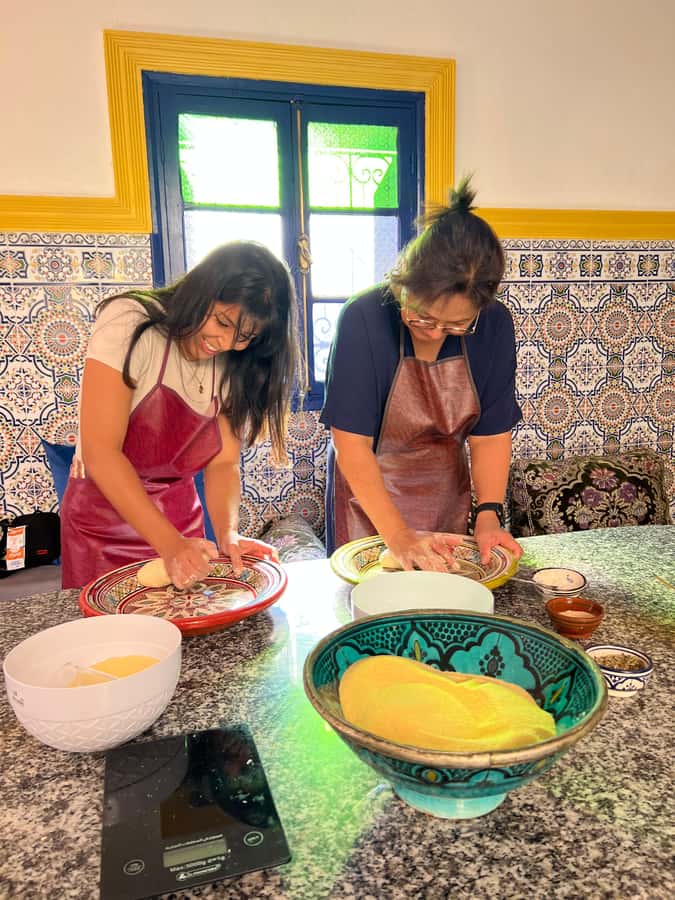
The host welcomes you, provides an apron, and sets out the ingredients and utensils. Since everything needed for the lesson is supplied, you can get straight to the work without buying flour, semolina, oil, or cooking tools first.
The demonstration comes before or alongside your own preparation. You watch the host show the method, then take control of your portion from start to finish. That means mixing, shaping, and cooking rather than simply receiving a plate of finished food.
The class is limited to 10 participants, though some sessions may be smaller. A group of nine still leaves room to ask for help, and a class of only two or three can feel almost private. The smaller format is particularly helpful for msemen, where the shaping technique benefits from close attention.
The pace should suit a beginner. The class is presented as an interactive baking lesson, not a professional pastry course. You do not need advanced cooking skills, but you do need to follow the demonstrations and be willing to work with sticky dough.
Once the breads are cooked, they cool briefly and are set out for tasting. You may have more food than you can finish during the session. Boxes have been provided in smaller classes for leftovers, so ask about taking extra bread with you if there is too much on the table.
The mint tea ritual is part of the lesson
Moroccan mint tea is not just a drink added at the end. Its preparation is a social ritual, and this class gives it proper space after the bread is cooked.
You help prepare the tea, then learn how it is poured and served. The ritual gives the class a calmer finish after the flour and cooking work. Sit down with the breads, tea, and simple accompaniments such as olives, jam, or honey when available.
I like this part because it connects the food to Moroccan hospitality. You are not only learning three recipes. You are also seeing how bread and tea fit together as a shared pause in the day.
The tea lesson also makes the experience worthwhile for people who are less confident in the kitchen. You still get a cultural activity, a tasting, and a social moment even if your msemen folds are not perfect.
More cooking classes out of Marrakesh:
- Marrakech: Moroccan Cooking Class with a Local Family
★ 4.9 · 668 reviews - Marrakech: Moroccan Cuisine Cooking Class in Local Home
★ 4.8 · 508 reviews - Marrakech: Moroccan Cooking Workshop at La Maison Arabe
★ 5.0 · 446 reviews - Marrakech: Tajine Cooking Class in a Traditional Riad
★ 4.8 · 424 reviews
What makes the food lesson useful at home
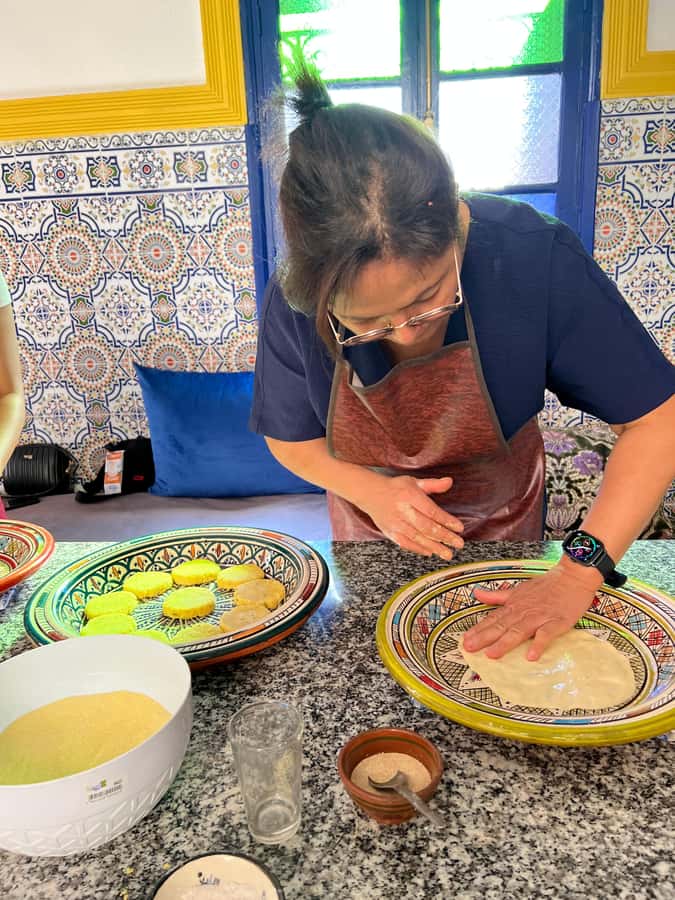
The recipes are sent electronically, giving you a way to repeat the breads after your holiday. That matters more here than it would in a class where the final dish depends on special equipment or hard-to-find ingredients.
The techniques are the real takeaway. You learn how to shape the dough, cook the different breads, and understand how the finished textures should look and feel. One participant returned home ready to make the pancakes eaten during the rest of the trip, which is a good sign that the class offers something practical rather than a one-time photo opportunity.
Still, do not expect every recipe to arrive instantly. One person had to chase the electronic recipes, so check your messages after the class and contact the provider if they are missing.
The amount of food can also be generous. That is good value, but it can create a small problem if you have a full day of meals planned afterward. Come hungry, and bring a container or ask for a box if the workshop offers one for leftovers.
Language, teaching style, and group size
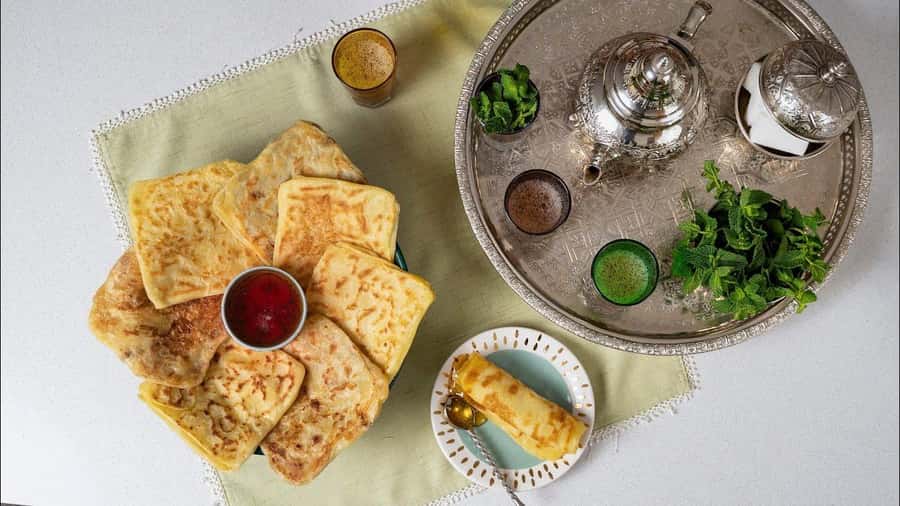
The instructors work in Arabic, French, and English. The exact balance may vary by session. Some classes have a translator or English-speaking support, while other lessons depend more on watching the chef’s hands.
That is not necessarily a problem for a practical bread lesson. Dough shaping is visual, and the demonstrations are central. One class had very little spoken communication but still worked because Jamila gave direct, hands-on help. Another participant felt the lack of English made it hard to ask questions, so you should keep that tradeoff in mind if detailed culinary explanations matter to you.
Fatima and Jamila are names associated with particularly warm, hands-on sessions. The strongest part of the teaching is not a long lecture. It is the host stepping in to show how to stretch, fold, press, or cook the dough.
With a maximum of 10 people, you get a better chance of personal help than in a large cooking school. If you want one-on-one instruction, book for a smaller group when possible, though group size can change from one date to another.
The $37 price and what you receive
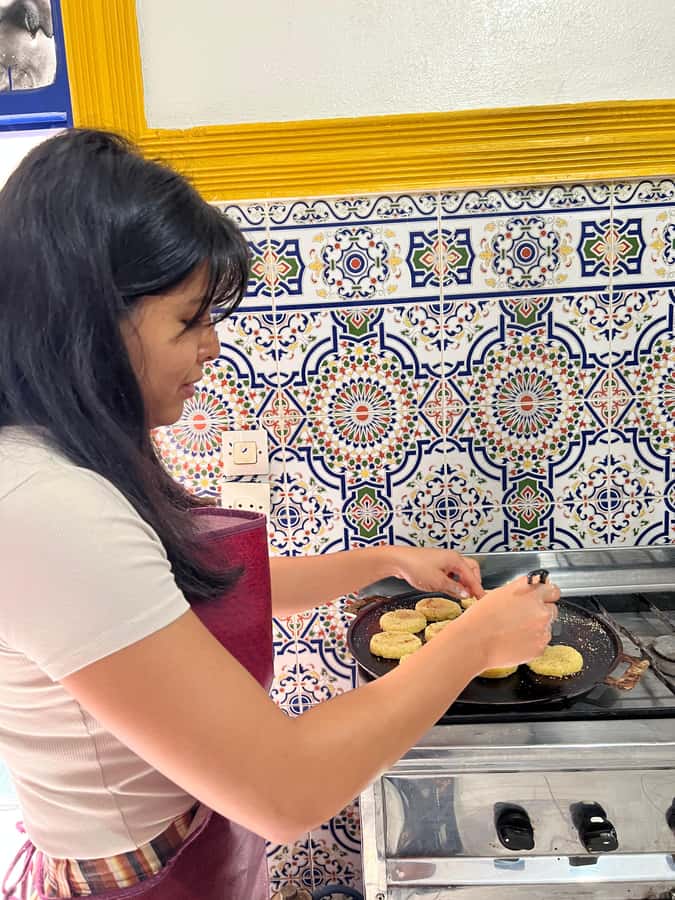
At $37 per person, the price is fair for a two-hour activity that includes instruction, an apron, all ingredients, cooking utensils, tasting, mint tea, and electronic recipes. You are also paying for a small-group setting and a workshop near the center of Marrakech, not only for the flour and semolina.
The value improves if you use the recipes later. Three breads, three different techniques, and a tea ritual give you more substance than a short demonstration followed by a snack.
Transportation is not included, and personal expenses are extra. That keeps the advertised price simple, but you should plan your route to 44 Der Hajra and allow for any local transport you need.
This is also good value for a family with older children. One family of four, including two children, enjoyed the activity together. The formal restriction is that children under four are not suitable, and young children still need to be comfortable around hot cooking surfaces and baking work.
Who should book this Marrakech class?
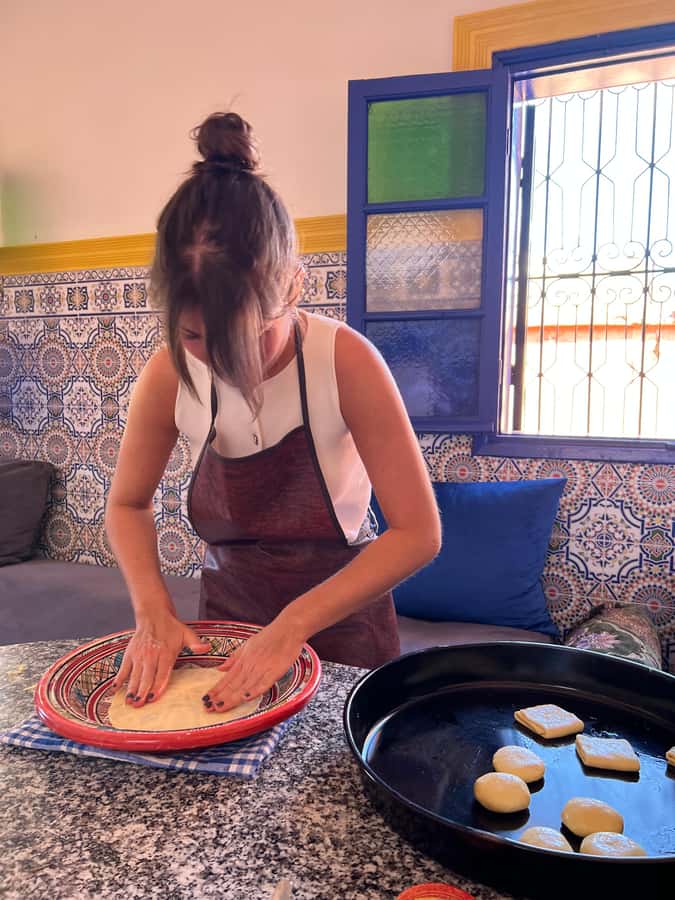
I would choose this class if you enjoy food, want a break from sightseeing, or have been eating Moroccan bread all week and want to know how it is made. It suits couples, small groups, solo visitors who like meeting people, and families with children over four.
It is especially useful for someone who wants a manageable introduction to Moroccan cooking. You do not need to commit to a full-day food course, and you leave with recipes that can be tried again.
This may not be the right pick if you have a gluten intolerance, food allergies, or little interest in eating bread. All three featured preparations contain gluten-based ingredients, and the activity is not suitable for people with gluten intolerance or food allergies.
You should also think twice if your priority is detailed English instruction. The class can work across a language gap, but the teaching may be partly nonverbal. If you want long explanations about Moroccan food culture or precise answers to every question, confirm the language support before booking.
Practical tips for a smoother session
Arrive in comfortable clothing suitable for baking. Flour, oil, and dough are part of the activity, so this is not the time for clothes that need careful protection.
Bring water. The class provides the food ingredients and utensils, but water is listed as something you should bring yourself.
Keep your schedule flexible after the class. The activity lasts two hours, but the best part is sitting down to taste the breads and tea rather than rushing away the moment cooking ends.
If you are staying in Marrakech for several days, consider placing this class early in your visit. You can then recognize msemen, harcha, and batbout at breakfast and markets, and you may have time to use the recipes at home later.
Cancellation is free up to 24 hours before the start time, and you can reserve now and pay later. Those options help if your Marrakech plans are still moving around.
Should you book the Moroccan crepes and bread class?
Book it if you want a friendly, useful food experience rather than a show. The small groups, hands-on teaching, three different breads, mint tea ritual, and generous tasting make the $37 price sensible.
Go in knowing that the class is informal and that English communication can vary. Bring comfortable clothes, an appetite, and patience with dough. If you love Moroccan breakfast breads, this is one of the better ways to turn a favorite holiday food into a skill you can take home.
FAQ
How long does the Marrakech bread cooking class last?
The class lasts two hours. Check the available start times when booking.
What breads do you make?
You make three Moroccan preparations: msemen, harcha, and batbout. Msemen is a flaky crepe, harcha is a semolina pancake or galette, and batbout is a soft Moroccan flatbread.
Is Moroccan mint tea included?
Yes. You help prepare traditional Moroccan mint tea, take part in the tea ritual, and taste it with your finished breads.
Where is the workshop located?
The workshop is at 44 Der Hajra, near Bab Doukkala in Marrakech. Transportation to and from the experience is not included.
What languages are spoken during the class?
Instruction is available in Arabic, French, and English. The amount of spoken English may vary by session, and some teaching may be visual or hands-on.
Are ingredients and cooking equipment provided?
Yes. The class includes an apron, all necessary ingredients, utensils, guidance, and explanations. Wear comfortable baking clothes and bring water.
More Workshops in Marrakesh
- Marrakech: Pottery Workshop with Moroccan Tea
★ 4.8 · 756 reviews - Marrakech: Moroccan Cooking Class with Market Visit and Meal
★ 4.9 · 347 reviews - Marrakech: Atlas Mountains Cooking Class with Berber Family
★ 4.9 · 299 reviews - Marrakech: Moroccan Cooking Class for vegetarians and vegan
★ 4.9 · 156 reviews
Just listed out of Marrakesh
- Marrakech: Ouzoud Waterfalls Trip, Guide & Boat + Lunch★ 4.7 · 33 reviews
- Marrakech: Vibrant Dinner Show at The Lotus Club★ 3.9 · 33 reviews
- From Marrakech: Small Group To Essaouira & Medina Day Trip★ 4.3 · 33 reviews
- From Marrakech: 3-Day Merzouga and Sahara Desert Tour★ 4.5 · 33 reviews
- Marrakech: Private Souks Tour with Tea and Traditional Snack★ 4.6 · 33 reviews
- Marrakech: Medina Souks, Hidden Markets and Shopping Tour★ 4.8 · 33 reviews
- 2 Days Desert Agafay and Atlas Mountains Trek From Marrakech★ 3.8 · 33 reviews
- Agadir/Taghazout : Marrakech Guided Tour old Medina & Souks★ 3.7 · 34 reviews
Marrakech Tours, compared.

Agafay Desert Sunset, Camel Ride, and Dinner Show
Read our review →

Agafay Desert Quad & Camel Rides with Dinner Show
Read our review →
Agafay Desert Quad Biking Tour with Dinner-Show
Read our review →
Atlas Mountains, Ourika Valley, Waterfall & Lunch
Read our review →


Quad Bike Tour to Palm Oasis and Jbilat Desert
Read our review →Browse the lists this tour appears in