
Reviewed · ATLAS MOUNTAINS DAY TRIPS
Marrakech: 2-Day Atlas Mountains Trek with Village Stay
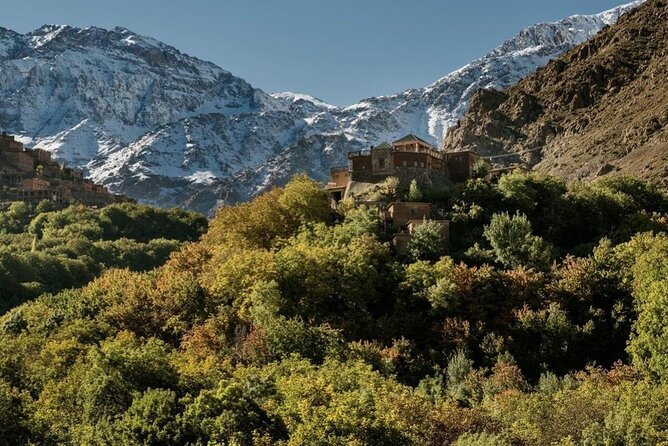
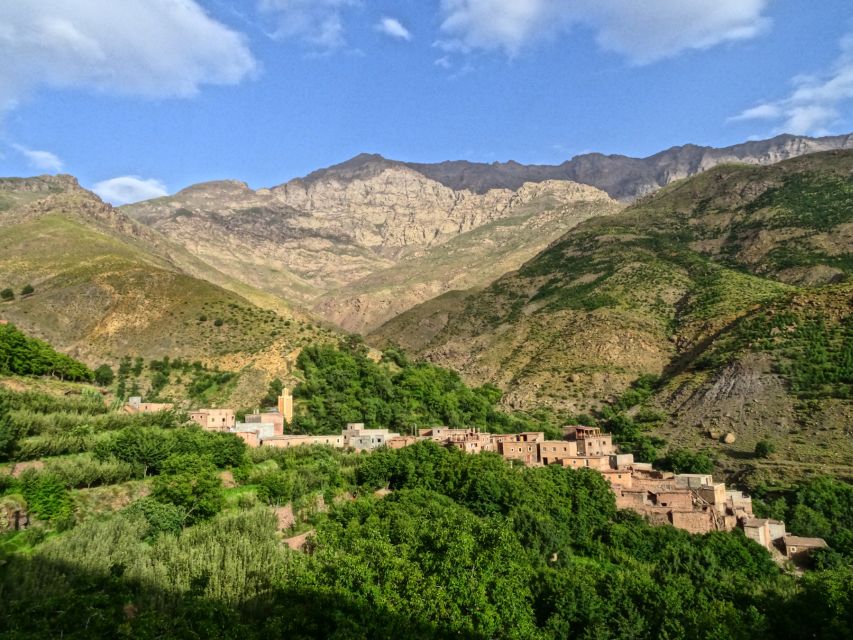
The best part of this two-day trek is the sudden change of world. Within about an hour of leaving Marrakech, the medina noise gives way to mountain roads, juniper woods, walnut groves, stone villages, and wide views toward Mount Toubkal, North Africa’s highest peak. You spend the night in a Berber village, not in another city hotel.
I like two things especially: the route gives you real walking time without requiring a Toubkal summit attempt, and the cook serves generous Moroccan meals along the way. Guides such as Kamal, Mustafa, Hassan, Mohamed, and Mourad are praised for setting a steady pace and explaining Amazigh culture. The main catch is simple: this is a real mountain trek, and cold nights, rocky paths, and steep sections can catch unprepared hikers off guard.
Key points to know before booking
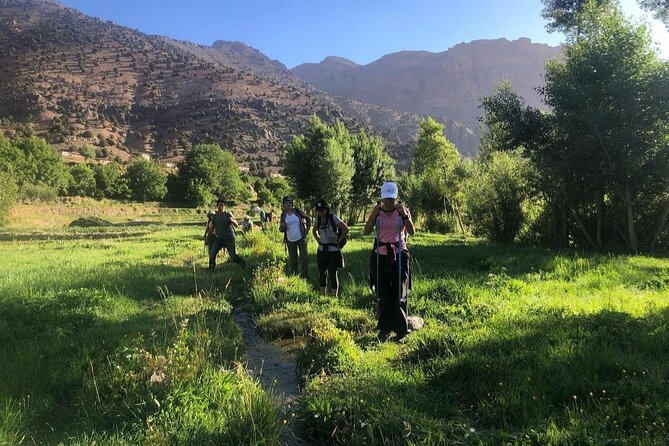
- About 10 kilometers of walking per day: Actual walking time can range from roughly 3 to 5 hours, depending on the group and route conditions.
- A high pass on day one: Tizi Mzik brings big views but also the steepest uphill work of the trip.
- A village night instead of a resort stay: Accommodation is clean and comfortable in some cases, but facilities are basic and heating may not be available.
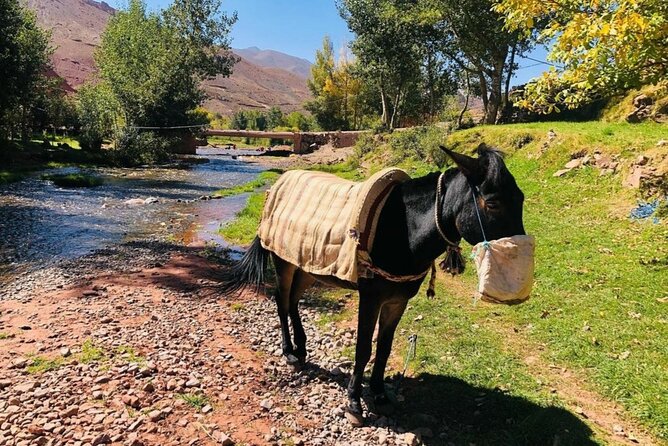
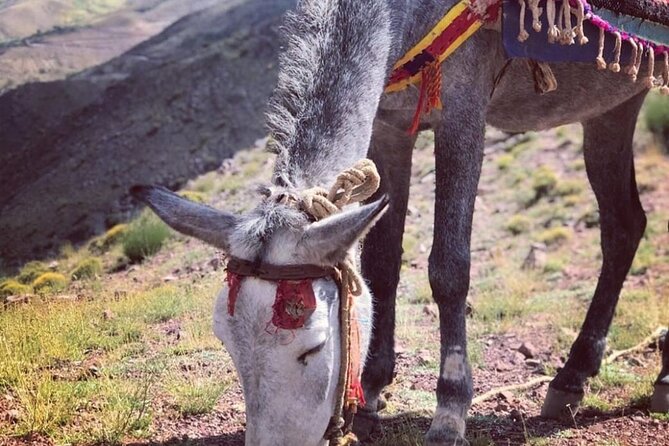
- Mules carry larger bags: You normally keep a daypack while muleteers transport clothing and other luggage.
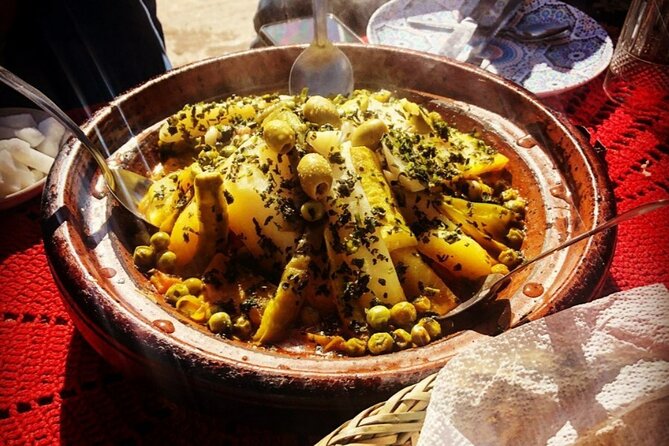
- Food is a major strength: Lunch, dinner, breakfast, tea, and coffee are included, with plentiful tagine and other Moroccan dishes.
- Small groups help: Numbers are limited to 14, and guides can adjust the pace or change routes when snow or difficult conditions appear.
Leaving Marrakech for the High Atlas
Pickup begins at your Marrakech hotel, followed by a drive south toward the mountains. The road passes through Tahnnaout, the Oued Ghighaya area, and Asni before reaching Imlil. This transfer is part of the pleasure, since the flat city setting gradually changes into dry valleys, terraced slopes, and villages built into the folds of the Atlas.
The drive can take longer depending on pickup order and traffic. One practical point is worth noting: you may spend close to an hour on the road after the final Marrakech pickup, and longer if you are collected first. Still, the journey gives you a useful preview of the communities and valleys you will walk through.
At Imlil, you meet your guide, cook, muleteers, and the rest of the group. A glass of mint tea helps mark the change from sightseeing to trekking. Groups can be quite social, especially for solo visitors, but a maximum of 14 people means the outing remains more manageable than a large coach excursion.
More Hiking Tours in Marrakech
- From Marrakech: Ouzoud Waterfalls Guided Hike and Boat Trip
★ 4.7 · 33,630 reviews - From Marrakech: Atlas Mountains Full-Day Hiking Trip w Lunch
★ 4.8 · 7,417 reviews - Marrakech: Ourika Valley Trip with Waterfall Hike
★ 4.6 · 6,792 reviews
Crossing Tizi Mzik into Azzaden Valley
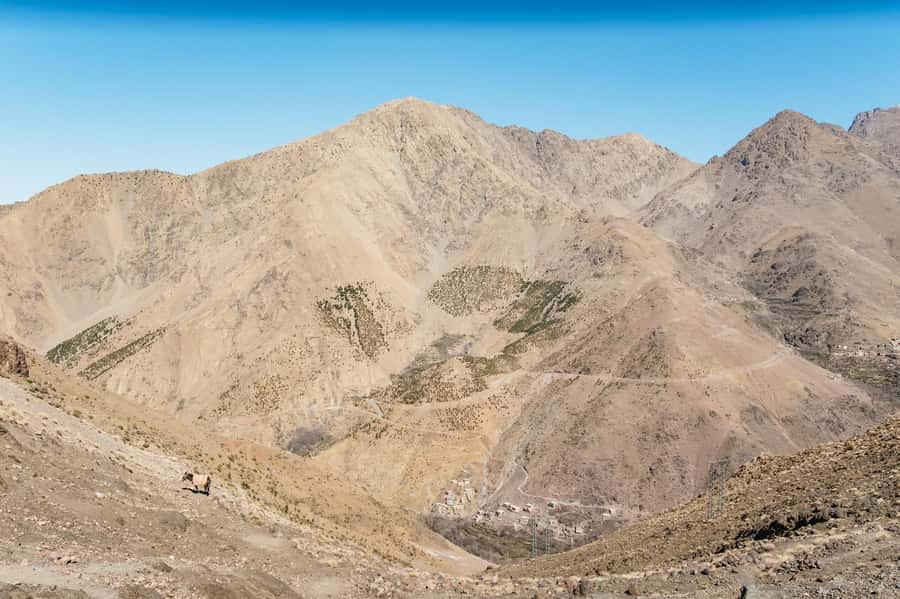
The first walking day heads toward Azzaden Valley by way of Tizi Mzik pass. This is the trip’s defining climb. The path is not a paved walking track, and you should expect gravel, stones, uneven ground, and sections that feel steep if you are not used to hills.
The stated walking time is 5 to 6 hours per day, though actual groups often finish in about 3 to 4 hours of walking, with breaks. Distance estimates range from about 7 miles to 10 kilometers each day. That variation matters: the route is moderate for regular hikers, but it can feel strenuous for anyone unused to altitude or long uphill sections.
At the pass, stop for lunch and take in the broad views over Azzaden Valley and neighboring peaks. Eating outside at a mountain pass is one of the most memorable details here. The food is not a packed sandwich affair. Your cook prepares traditional Moroccan dishes, and portions are generally generous enough to fuel the rest of the walk.
The weather can change quickly. In summer, direct sun makes the uphill work hot. In winter, snow may cover the route, and a sunny morning can turn cold when clouds arrive. Guides including Kamal and Hussain have redirected groups when snow blocked the planned path, so route changes are possible for safety.
Down through juniper woods to Tizi Oussem
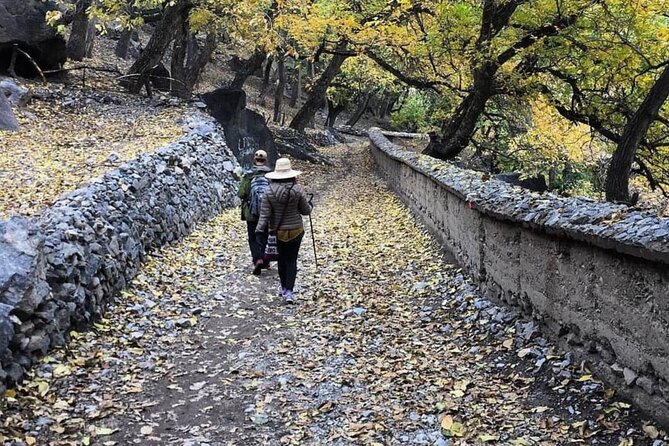
After lunch, the route drops through a juniper forest toward Tizi Oussem. Descending can be harder on your knees than climbing, especially on loose gravel. Good hiking shoes with firm grip are far more useful than ordinary trainers.
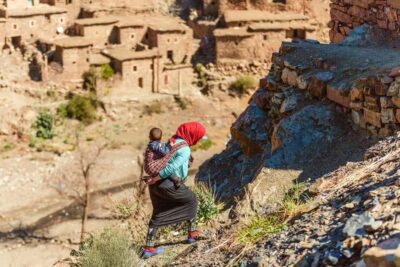
This section brings the strongest sense of ordinary mountain life. The villages are working communities, not staged attractions, and the route connects settlements through paths used by local people. Your guide can explain how the villages function and share information about Amazigh culture, the people often referred to as Berbers.
The guide makes a real difference here. Past groups have worked with Kamal, Mustafa, Hassan, Mohamed, Mourad, Mostafa, and others. Names are not guaranteed when you book, but the important quality to look for is a guide who walks at the group’s pace, checks water and energy levels, and knows alternate routes. Several guides have lent walking poles or helped hikers down awkward slopes.
You reach Tizi Oussem or another nearby high village in the afternoon. The exact accommodation can vary. It may be described as a traditional site, riad, lodge, or village guesthouse, with examples including Riad Imnane Lodge and accommodation in Tamguist. Rooms have sometimes been twin or triple, while bathroom arrangements may be ensuite or shared.
What the village night is really like
This is not a luxury mountain retreat. It is a simple overnight stay with a bed, basic facilities, and, in some cases, a hot shower that takes patience. Some groups find the rooms comfortable and clean, while others encounter hard mattresses or no towels. I would pack a small towel just in case.
The biggest issue is temperature. Several winter departures report nighttime temperatures close to freezing, with no indoor heating. Blankets and sleeping bags are supplied, but you should still bring warm layers, thick socks, gloves, and a sleeping bag liner. A fleece jacket that feels excessive in Marrakech may become your most useful item after sunset.
The reward is the quiet. After a day on the trail, you can sit with mint tea, look over the valley from a terrace, and eat dinner in a setting far removed from Marrakech. The included tagine and other meals are a real benefit, especially because you do not need to arrange dinner in an unfamiliar village.
Dietary flexibility has also been possible. Vegetarian and gluten-free meals have been prepared when requested, but you should communicate dietary needs in advance rather than assume every menu will suit you.
A few other Marrakesh days worth comparing
- Marrakech: Atlas Mountains, Ourika Valley, Waterfall & Lunch
★ 4.8 · 15,834 reviews - From Marrakech: Atlas Mountains Day Trip with Camel Ride
★ 4.8 · 4,709 reviews - Marrakesh: Ourika Valley & Atlas Mountains, Day Trip + Lunch
★ 4.9 · 1,865 reviews - Marrakech: Atlas Mountains, Camel Ride, Waterfalls, & Lunch
★ 4.9 · 1,351 reviews
Day two: Id Issa, Tizi Oujdid, and the walnut grove
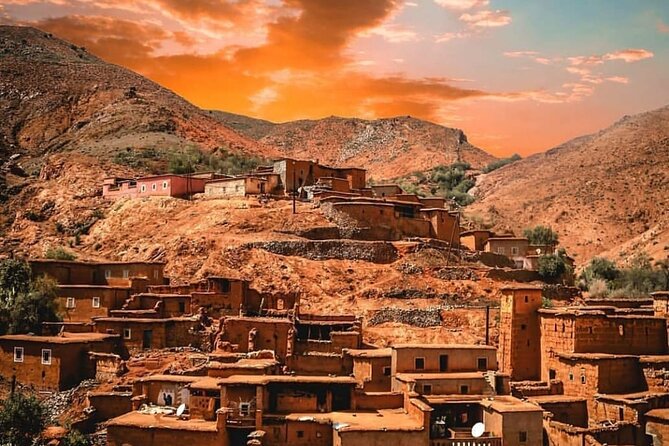
After breakfast, you walk toward Id Issa. The morning light shows the valley at its best, with colorful slopes, village buildings, and mountain ridges changing shade as the sun rises. This is usually a gentler start than the first day, though the route still includes rocky ground and uneven drops.
At Id Issa, you have time to look around before continuing toward Tizi Oujdid pass. The trail passes through Matat and then reaches another high point. The route may be easier or harder depending on weather, fitness, and the guide’s chosen path. In winter, snow can turn a straightforward section into a more demanding walk.
The descent eventually leads to a walnut grove beside a river. This is a fine place for lunch and a welcome pause after the pass. The setting gives you a different view of the Atlas than the high ridges do: water, trees, village paths, and steep mountain walls all come together in one quiet stop.
Walking time on day two is often around 3 to 4 hours, though the advertised schedule allows 5 to 6 hours. Some hikers find the route ideal for beginners with basic fitness. Experienced walkers may find it too short and should consider a longer trek or a Toubkal-focused trip instead.
Food, luggage, and the practical details
The package includes lunch and dinner on day one, breakfast and lunch on day two, plus coffee and tea. Cooks such as Ibrahim and Omar have been singled out for flavorful, filling food, and the meals are an important part of the value. Do not expect restaurant choice, but do expect home-style Moroccan cooking served at useful points along the route.
Bring your own drinking water. Bottled water may be available at the lodge or along the way, but it is not included in the package. Small change is sensible for purchases, and extra toilet paper is a practical addition.
Mules carry heavier luggage, including spare clothes and overnight items. That lets you walk with a lighter daypack, but it does not mean you can bring unlimited baggage. Keep essentials such as water, sunscreen, rain protection, medication, and warm layers with you.
The included sleeping bags are useful, but they are not a substitute for clothing. Pack for two climates in one day: lightweight layers for sunny walking and warm layers for the evening. Sunglasses, a sun hat, sunscreen, comfortable shoes, and a camera are listed essentials. I would add waterproof hiking shoes, gloves, a buff, thick socks, and walking poles, particularly from late autumn through early spring.
How difficult is the trek?
The tour is best described as moderate, with a few demanding parts. You do not climb Mount Toubkal, but you cross mountain passes and walk on steep, rocky trails. Basic fitness is enough for many people, provided you can manage several hours of walking and take uphill sections slowly.
You should not book this as a casual stroll through pretty villages. Some paths run near steep drops, and loose ground can be slippery. A fear of heights may make parts uncomfortable. Pregnant women should not join, as the activity is specifically unsuitable for them.
The guides usually allow regular pauses and adapt the pace. That matters in a mixed group, since one person may be a regular hill walker while another is attempting a mountain trek for the first time. If you are older, less fit, or uncertain about altitude, tell the guide early and use the available support rather than trying to prove a point.
Why the $96 price is strong value
At $96 per person, the cost includes hotel pickup and drop-off, transport, guide, cook, muleteers, mules for luggage, one night’s accommodation, sleeping bags, all listed meals, coffee, and tea. Paying separately for transport, food, a guide, and a village night would quickly reduce the apparent price advantage.
The value is strongest if you want a short taste of the Atlas without arranging mountain logistics yourself. You get a local crew, route support, meals, and a cultural element in only two days. The tradeoff is that the accommodation is functional rather than polished, and the exact walking distance can feel shorter than the advertised 5 to 6 hours.
Free cancellation up to 24 hours before departure and reserve-now, pay-later booking make this easier to fit around a Marrakech stay. Starting times depend on availability, so check the departure details before committing your sightseeing schedule.
Who will enjoy this most?
I would recommend this trek to you if you want a clear contrast with Marrakech and enjoy active travel. It suits solo visitors, couples, families with older children, and beginners who have reasonable fitness and proper footwear. Groups have included children aged 10 and 12, though the mountain terrain still requires care and steady supervision.
It is also a good choice for people who want culture without giving up scenery. You walk through villages, talk with local people through your guide, eat regional food, and sleep in a mountain community. That feels more personal than a day trip that only stops for photographs.
I would choose another option if you want a serious summit challenge, long daily mileage, or hotel-level comfort. The two-day route is less demanding than a Toubkal trek, and some experienced hikers may wish it lasted longer. It also demands better cold-weather preparation than the Marrakech setting suggests.
Should you book the Atlas Mountains village trek?
Book it if you have two days, want mountain scenery without a summit expedition, and are happy with simple accommodation. The strongest reasons are the Tizi Mzik views, the peaceful village night, the generous Moroccan food, and the care provided by the guide and mule team.
Pack seriously: grippy hiking shoes, warm layers, gloves, sunscreen, water, and a rain jacket. If you do that, this $96 trip offers a highly practical way to trade Marrakech’s noise for high valleys, quiet paths, and a more direct look at mountain life.
FAQ
How long is the Marrakech Atlas Mountains trek?
The activity lasts two days. Walking is advertised at about 5 to 6 hours per day, though actual walking time can be closer to 3 to 5 hours depending on pace, breaks, and route conditions.
Does the trek include hotel pickup and drop-off?
Yes. Pickup from your hotel in Marrakech and return drop-off are included.
Where does the hike begin?
The trek begins in Imlil after the drive from Marrakech. You meet the trekking crew there and start with mint tea before walking toward Tizi Mzik and Azzaden Valley.
Is accommodation included?
Yes. One night of accommodation and sleeping bags are included. The stay is in a simple mountain lodge, riad, or village guesthouse. Room and bathroom arrangements can vary, and heating may not be available.
Are meals included?
Yes. The package includes lunch and dinner on the first day, breakfast and lunch on the second day, plus coffee and tea. Vegetarian and gluten-free meals have been provided when arranged in advance.
What languages can the guides speak?
Guiding is available in Arabic, English, French, Spanish, and German. The exact language and guide depend on the departure group.
More Hikes in Marrakesh
- Marrakech: ourika valley lunch & guided hike to waterfalls
★ 4.9 · 3,737 reviews - Marrakesh: Ouzoud Waterfalls Trip with Hike & Boat Option
★ 4.9 · 1,435 reviews - Marrakech: Atlas Mountains & Valleys Waterfall Hike w/ Lunch
★ 4.8 · 1,236 reviews - From Marrakesh: Atlas Mountains Talamrout Summit Day Hike
★ 4.9 · 835 reviews
More 2-Day Experiences in Marrakesh
- From Marrakech: 2-Day Sahara Tour to Zagora & Ait Ben Haddou
★ 4.4 · 1,925 reviews - From Marrakech: 2-Days luxurious experience to Zagora Desert
★ 4.9 · 1,502 reviews - From Marrakech: Zagora 2-Day Desert Safari with Food & Camp
★ 4.5 · 1,137 reviews - Marrakech/Ouarzazate: 2-Day Desert with Camel, 4×4 & Meals
★ 4.6 · 926 reviews
Just listed out of Marrakesh
- Marrakech: Ouzoud Waterfalls Trip, Guide & Boat + Lunch★ 4.7 · 33 reviews
- Marrakech: Vibrant Dinner Show at The Lotus Club★ 3.9 · 33 reviews
- From Marrakech: Small Group To Essaouira & Medina Day Trip★ 4.3 · 33 reviews
- From Marrakech: 3-Day Merzouga and Sahara Desert Tour★ 4.5 · 33 reviews
- Marrakech: Private Souks Tour with Tea and Traditional Snack★ 4.6 · 33 reviews
- Marrakech: Medina Souks, Hidden Markets and Shopping Tour★ 4.8 · 33 reviews
- 2 Days Desert Agafay and Atlas Mountains Trek From Marrakech★ 3.8 · 33 reviews
- Agadir/Taghazout : Marrakech Guided Tour old Medina & Souks★ 3.7 · 34 reviews
Atlas Mountains Day Trips, compared.
Atlas Mountains, Ourika Valley, Waterfall & Lunch
Read our review →
Ourika Waterfalls, Atlas Mountains, Guide + Lunch
Read our review →
Atlas Mountains & Agafay Desert Tour w Camel Ride
Read our review →
Atlas Mountains, Waterfalls, Ourika Valley +Lunch
Read our review →
Atlas Mountains & 5 Valleys Tour from Marrakech – All inclusive –
Read our review →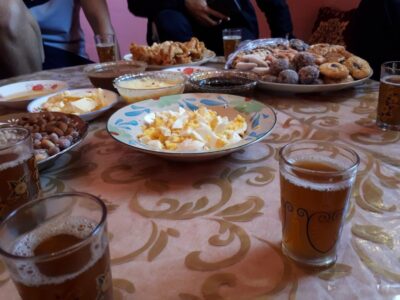
Agadir or Taghazout: Paradise Valley Atlas Mountains Tour
Read our review →Browse the lists this tour appears in