
Reviewed · SAHARA DESERT TOURS
From Marrakech: 2-Days luxurious experience to Zagora Desert
Zagora offers a fast, affordable taste of Morocco’s desert world: a sunset camel ride, a private tent, dinner by a fire, music, and a sky full of stars. The route also includes Ait Ben Haddou, the country’s most famous kasbah, and the palm-filled Drâa Valley.
I like the strong mix of scenery and culture, especially the sunset ride and the evening of drumming, singing, and dancing at camp. I also like the price: at $89 per person, the trip includes transport, a camel, dinner, breakfast, a tent, and hotel pickup. The catch is simple: two days means roughly 13 to 14 hours in a vehicle, so this is a desert sampler, not a slow desert journey.
Key points to know before booking
- Ait Ben Haddou breaks up the first long drive, with time to explore one of Morocco’s most recognizable fortified villages.
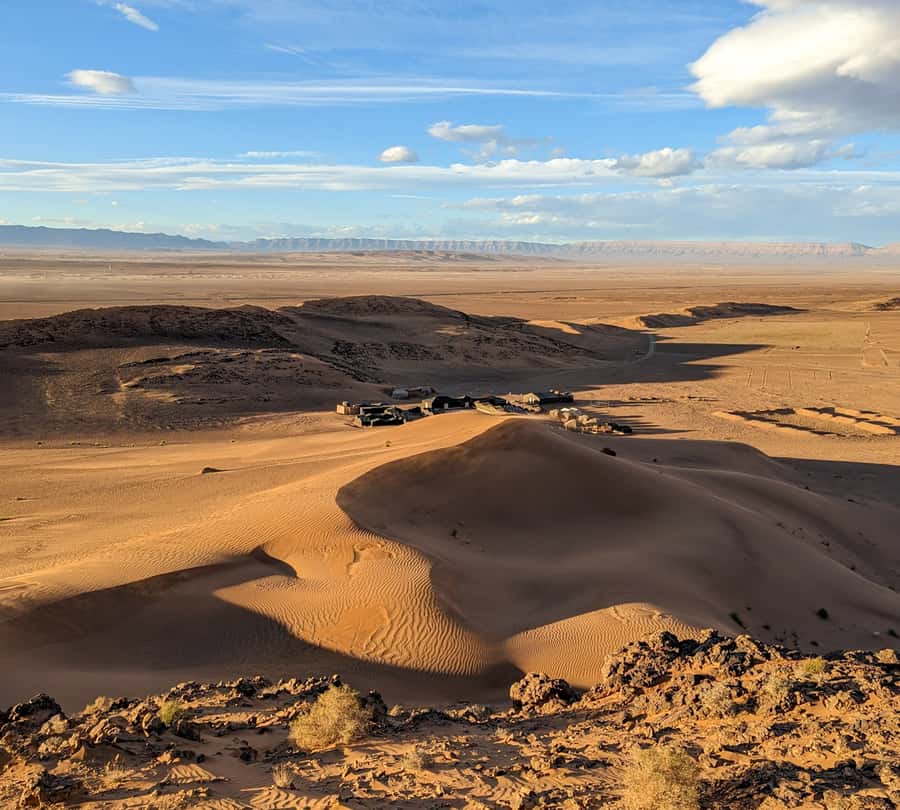
- The Zagora desert is rocky rather than a sea of tall sand dunes, but sunset and sunrise are still the stars of the trip.
- One camel is provided for each person, with luggage left in the van while you carry only a small bag to camp.
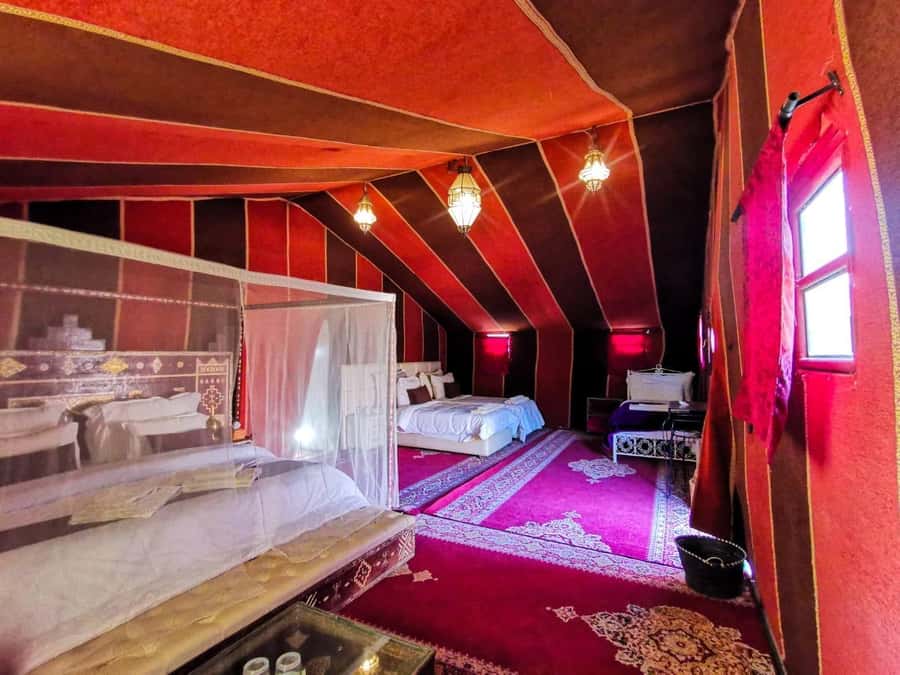
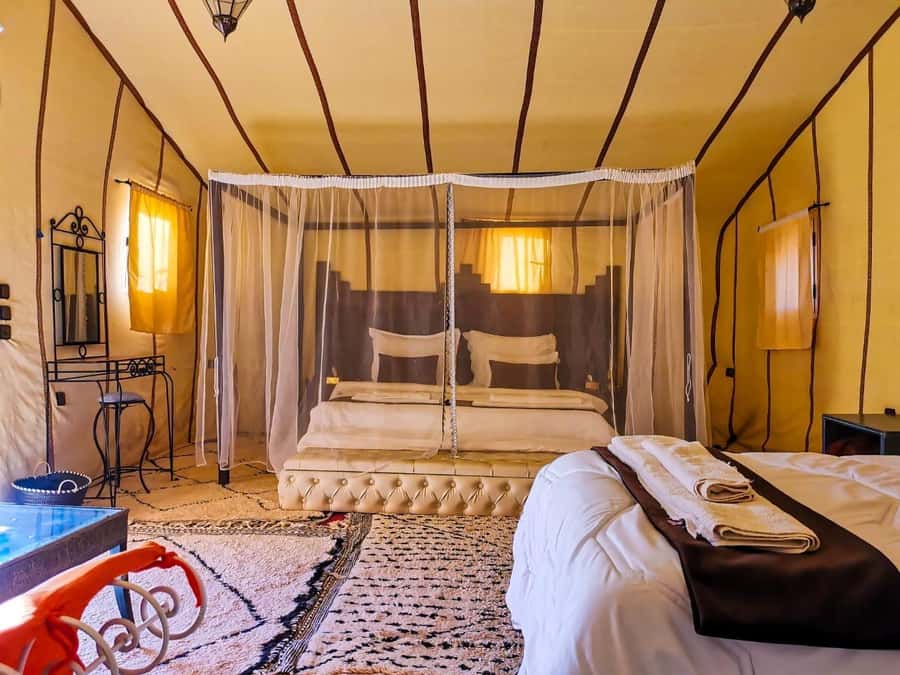
- Camp choices matter: standard means a private tent with shared bathrooms, while luxury adds an ensuite bathroom and better bedding.
- Guides make a real difference, with names such as Simo, Omar, Zohair, Hicham, Houssin, and Mohamed el Qayed praised for warmth and organization.
- The best value comes from the full package, but you should budget extra for two lunches, drinks, water, and optional quad biking.
The real appeal: a desert night in only two days
This trip is designed for one purpose: getting you from Marrakech to a desert camp and back in a tight window. You will not spend several quiet days crossing the Sahara, but you will see a remarkable slice of southern Morocco.
The route combines the High Atlas Mountains, Ait Ben Haddou, the Drâa Valley, and Zagora. That range is the reason I find the tour appealing. You get changing scenery almost all day, then a clear, simple payoff at sunset: a camel ride to camp, dinner, live music, and time outdoors beneath the stars.
The camp itself gives you a private tent rather than a basic shared sleeping space. That helps, particularly after a long day on the road. Still, keep your expectations grounded. This is a desert camp, so sand can turn up in the tent, bedding, or bathroom area, and temperatures can swing sharply between day and night.
The tour has earned a 4.9 rating from more than 1,500 bookings, and the praise centers on the same things I would watch for when choosing a trip like this: friendly guides, clean transport, a well-kept camp, smooth pickup, and a memorable evening program. The strongest guide comments name Simo, Omar, Abdul, Zohair, Hicham, Houssin, and Mohamed el Qayed. Since guide assignments can change, treat those names as examples of the service style rather than a guarantee.
A few other Marrakesh days worth comparing
- From Marrakech: 3-Day Merzouga and Sahara Desert Tour
★ 4.9 · 15,308 reviews - From Marrakech: Merzouga 3-Day Desert Safari with Food
★ 4.7 · 12,232 reviews - Marrakech: 3-Day Merzouga Desert Experience Camel & Meals
★ 4.6 · 6,252 reviews
Crossing the High Atlas from Marrakech
Day one begins with pickup at your hotel or riad in Marrakech. You need to provide the accommodation details and a working WhatsApp number so the operator can arrange the nearest practical pickup point and contact you once you are in Morocco.
The vehicle has air conditioning, and the drive includes stops for photographs, food, tea, and short breaks. The route climbs through the High Atlas, where the views change from Marrakech’s busy streets to mountain passes, villages, and broad open country.
This is a scenic road trip, but it is still a road trip. The first day involves around seven hours of driving, including stops. Some people find the time passes quickly because of the changing views and conversation with the guide. Others may find it tiring, especially if they hoped for a relaxed holiday pace.
A good driver-guide can make a large difference here. Hicham is praised for making frequent photo stops and keeping the journey lively. Houssin is also singled out for helpful driving and a smooth return through the mountains. Guides such as Mohamed el Qayed and Zohair are noted for explaining the route and answering questions along the way.
Do not count on water being supplied throughout the day. Bring your own bottle, and keep Moroccan dirhams handy for snacks, lunch, and small purchases.
Ait Ben Haddou: the trip’s major historic stop
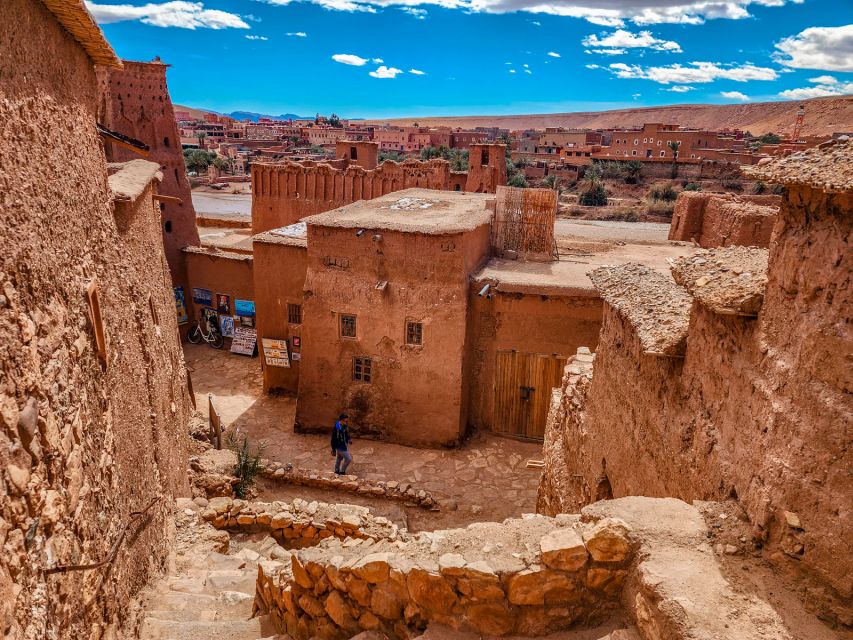
Ait Ben Haddou is the first major attraction. This fortified settlement, built from earthen materials, is one of Morocco’s best-known sights and a UNESCO World Heritage Site. Its clustered towers and walls have also made it a favorite film location.
The stop gives you a chance to walk through the old settlement, see the construction up close, and take in the surrounding country from higher viewpoints. It is more than a quick roadside photo stop, but the exact amount of time depends on the day’s pace and group arrangements.
There is an important guide detail to check. On shared tours, a local guide is not always included in the basic visit, though a group tour may be available for about €2 on arrival. The supplied details also describe a private Ait Ben Haddou guide as included, so confirm which arrangement applies to your booking.
One past itinerary found the visit a little short. That is a fair concern. Ait Ben Haddou deserves time, and the overall schedule is tight. If this kasbah is your main reason for booking, ask how long you will have there before you commit. If the desert night is your priority, the shorter stop may be a reasonable trade.
Through the Drâa Valley to Zagora
After Ait Ben Haddou, the road continues toward Zagora through the Drâa Valley. This is one of the most rewarding parts of the drive, even though it is not presented as a single formal attraction.
You will pass palm groves, tribal villages, and old kasbahs scattered through the valley. The date palms add a striking green line to the dry surroundings, while the mud-brick buildings show how people have adapted to a hot, arid region.
The driver makes photo stops along the way. These pauses matter because the scenery is best appreciated from outside the vehicle, with time to look across the valley rather than just watch it pass through a window.
Lunches are not included. The vehicle stops at restaurants selected for cleanliness and food safety, but these places can cost more than local eateries away from the tourist route. That policy may limit the cheapest food options, yet it offers a practical benefit if you prefer a more controlled stop during a packed itinerary.
Plan to pay for two lunches, drinks, and extra snacks. Food included at camp is dinner on the first night and breakfast the next morning, not a full meal plan for both days.
Same city, a completely different day out:
- Marrakech: Agafay Desert Sunset, Camel Ride, and Dinner Show
★ 4.6 · 35,119 reviews - From Marrakech: Ouzoud Waterfalls Guided Hike and Boat Trip
★ 4.7 · 33,630 reviews - Marrakech: Agafay Desert Quad & Camel Rides with Dinner Show
★ 4.8 · 27,382 reviews - Marrakech: Agafay Desert Quad Biking Tour with Dinner-Show
★ 4.8 · 16,569 reviews
The sunset camel ride into Zagora’s desert
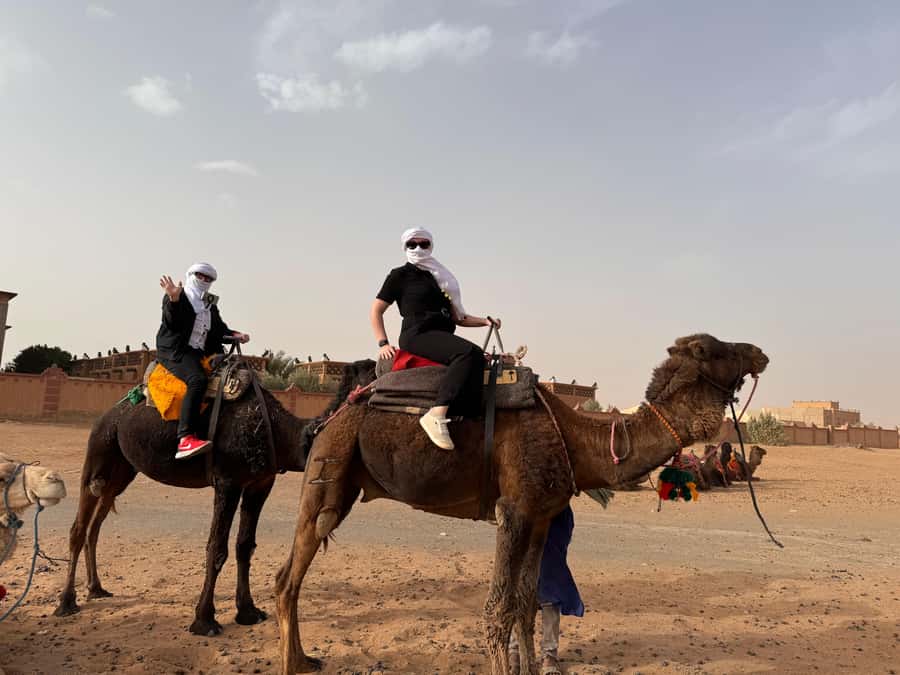
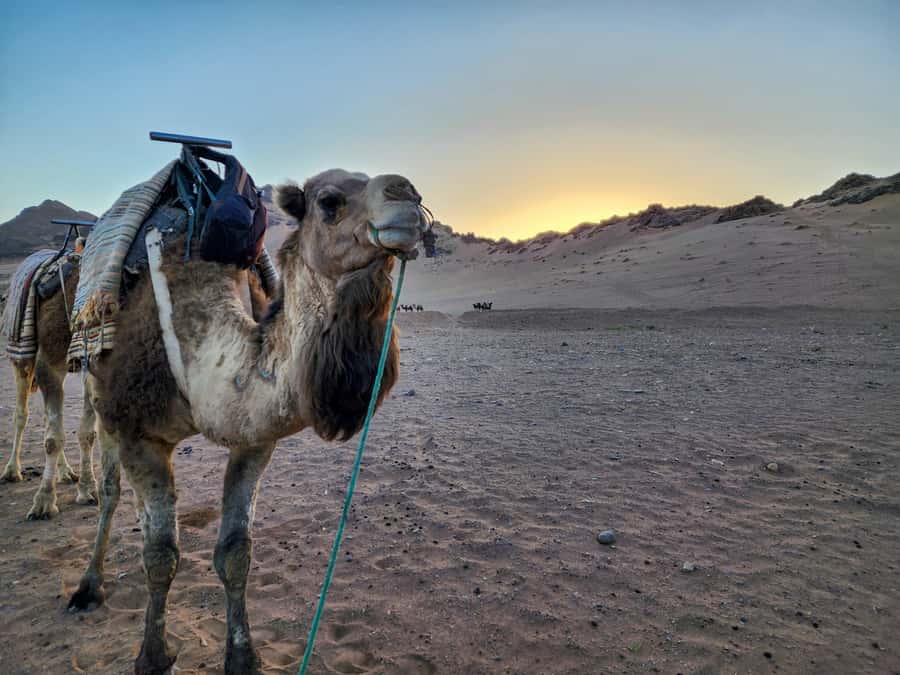
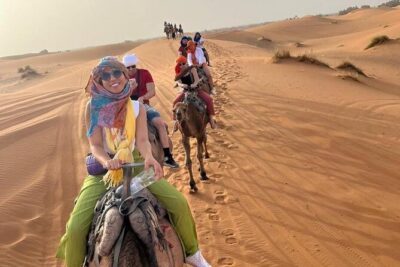
The camel ride is the emotional high point of day one. After arriving near the desert, you mount one camel per person and ride toward camp as the sun drops.
The Zagora area is often rocky rather than covered in the tall, sweeping dunes many people picture when they hear Sahara. That does not make it dull. The open desert, evening light, and changing colors create a quieter setting, and the low, wide views work especially well at sunset.
The ride is long enough for some people to find it uncomfortable. Sitting on a camel can put pressure on your legs, and chafing is a real possibility. Wear comfortable trousers, avoid loose items that could catch, and consider carrying a small amount of water. The camels can also feel lively when they stand up or sit down, so listen carefully to the handlers.
You leave your main suitcase in the van and carry only a small bag to camp. Pack that bag before leaving Marrakech with a warm layer, toiletries, medication, a phone charger, and anything you need overnight. Do not expect to reach your suitcase after the camel ride.
Quad biking is available for about €60. It gives you another way to see parts of the desert, but it is an optional extra and not part of the $89 base price.
Dinner, music, and a night at camp
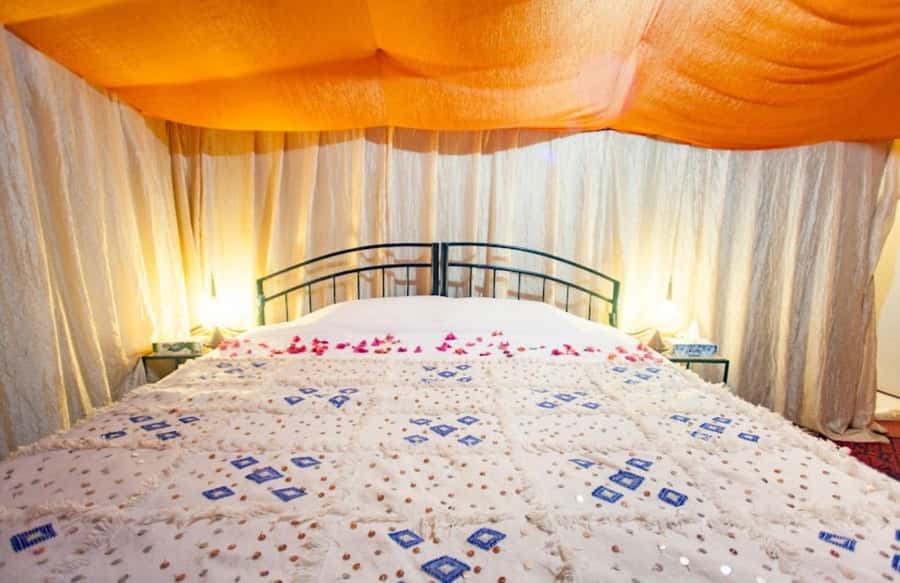
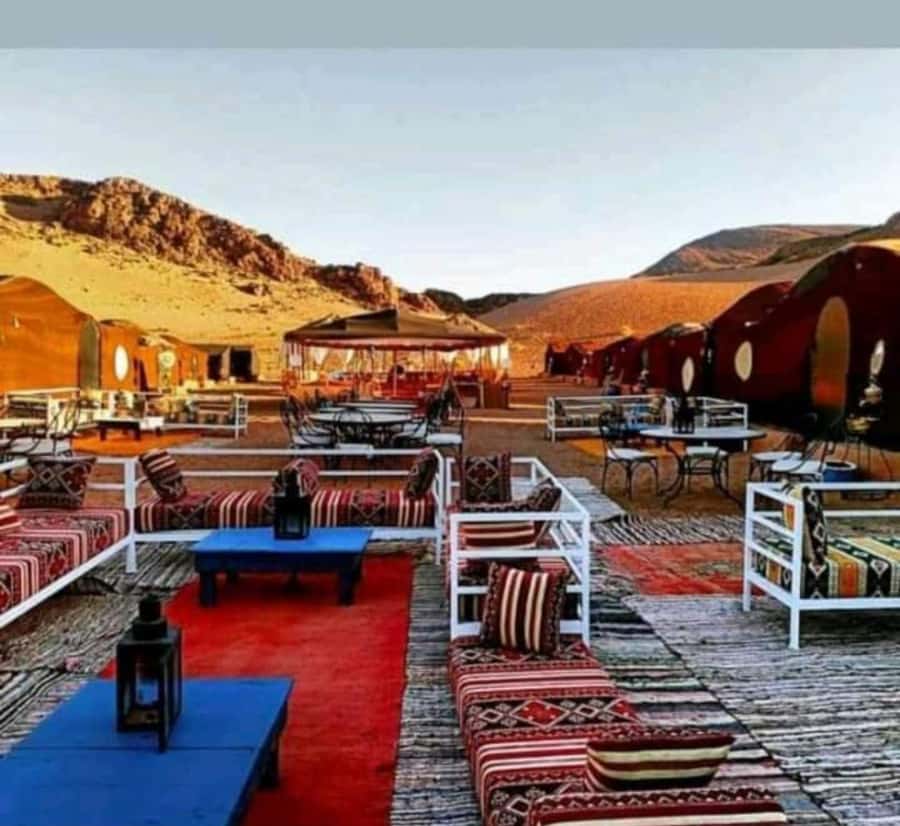
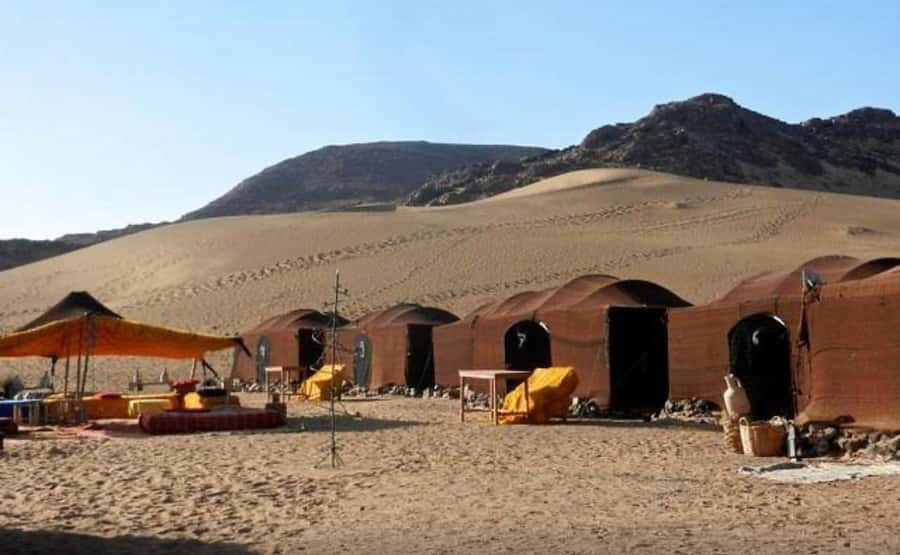
At camp, you settle into a private tent before dinner. The standard option includes a private tent and shared bathroom facilities. The luxury option provides a private tent with an ensuite bathroom and upgraded bedding.
The word luxury needs a little translation here. The luxury tent offers more comfort and privacy, but you are still sleeping in a desert setting where wind can move sand and temperatures can change quickly. The standard camp can be perfectly comfortable for one night, especially if you pack well and do not require a private bathroom.
The camp meal includes dinner, and a cold bottle of water is provided at dinner. Breakfast follows in the morning. Food is described as tasty, with options for dietary restrictions, though you should communicate those needs in advance.
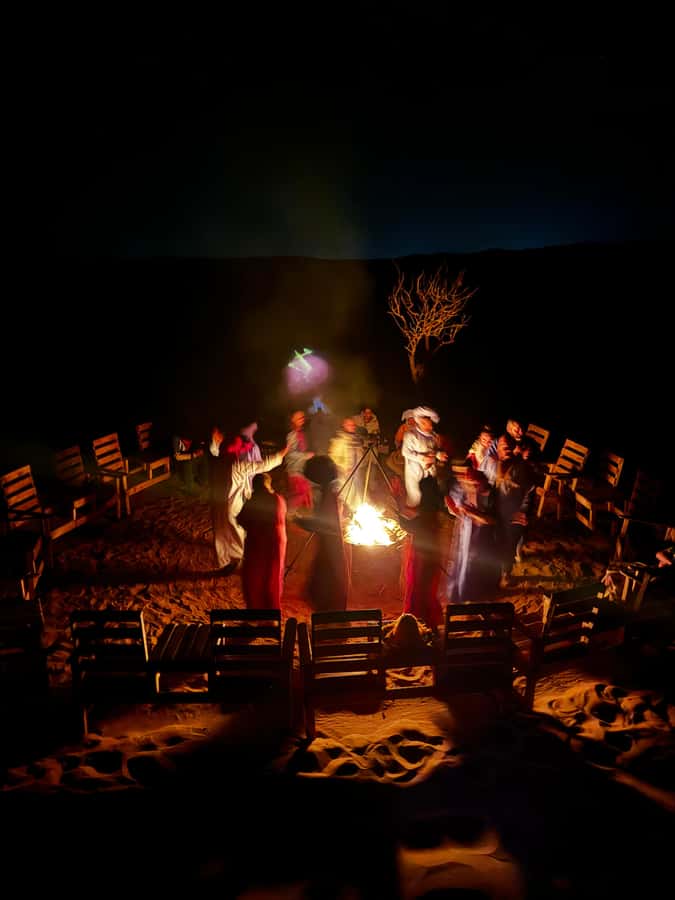
The evening includes live Berber music, with firelight, drumming, singing, and dancing. This part often feels more personal than the camel ride because you are sitting with the camp staff and fellow members of the small group rather than simply passing through a viewpoint.
The night sky is another reason to stay outside. Stargazing depends on cloud and conditions, but the desert setting gives you a chance to step away from city lights. Bring a warm layer, especially from November through March. A coat that feels unnecessary in Marrakech may be very welcome after dark.
Sunrise, breakfast, and the return through Ouarzazate
Day two begins early so you can watch sunrise over the desert. This is one of the best reasons to accept the tight schedule. Sunrise gives you a second look at the setting in cooler, softer light, and it balances the previous evening’s sunset.
After breakfast, you leave camp and begin the long return to Marrakech. The return drive takes around six and a half to seven hours with stops. You pass through or near Ouarzazate, a major southern Moroccan stop known for its connection to film production and its position between the mountains and desert.
The route then heads back toward the Atlas Mountains. The mountain views provide a strong final chapter, though you should expect to reach Marrakech in the evening, generally between 5 and 6:30 pm.
Do not schedule a tight onward connection that same evening. Delays can come from road conditions, traffic, meal stops, or the simple demands of a long shared itinerary. The return time is useful for planning, but it should not be treated as a precise arrival guarantee.
Standard camp or luxury camp?
The choice is straightforward.
Choose the standard camp if you want the desert night, music, dinner, and sunrise without paying for a private bathroom. You still receive a private tent, and the camp is intended to be clean and comfortable, though shared facilities may contain sand.
Choose the luxury camp if bathroom privacy and better bedding matter to you. Several bookings describe the upgrade as worthwhile, particularly during sandy or windy conditions. It may also suit you if this is a special occasion or if you are less comfortable with basic overnight facilities.
Neither option turns the trip into a resort stay. The main luxury is the setting and the private tent, not hotel-style service. I would spend extra on the upgrade if you are sensitive to cold, sand, or shared bathrooms. Otherwise, the standard camp protects the value of an already inexpensive tour.
Is $89 a good value?
At $89 per person, this is strong value for a two-day desert outing. Your price covers pickup and drop-off, air-conditioned transport, a private driver-guide, the camel ride, one night in camp, dinner, breakfast, Wi-Fi, the evening music show, luggage storage in the van, and a bottle of water at dinner.
You also receive a major historic stop and the long scenic route through the mountains and Drâa Valley. Booking those parts separately would take more planning and might cost more once transport, accommodation, and meals are added.
The low price comes with clear limits. Lunches and drinks are extra. Quad biking costs about €60. The drive takes most of both days. The Zagora desert does not provide the huge dunes some visitors expect, and the standard bathroom is shared.
I see the tour as good value for someone who wants a first desert experience without giving up much time in Marrakech. It is less compelling for someone who values slow travel, long walks in the dunes, or several nights in the Sahara.
Who will enjoy this trip most?
I would recommend it to first-time visitors to Morocco, couples, friends, solo visitors comfortable in a small group, and anyone with only two free days. It is also a sensible choice if you want several major southern sights in one package.
The tour can work well for young women traveling together. One group of four found the transport and camp arrangement safe and well managed, with staff attentive throughout the trip. That is not a guarantee for every departure, but the included pickup, driver-guide, and camp staff provide useful structure.
This is not suitable for pregnant women or people over 80. You should also think carefully about the camel ride if you have back, hip, or knee problems. The operator does not describe the ride as optional within the standard package, so ask ahead if you need an alternative arrangement.
Practical packing advice for the desert night
Bring comfortable clothes, sunglasses, sun protection, water, and cash in dirhams. Pack layers rather than one heavy item, since the temperature can shift from warm in the day to cold at night.
For the camel transfer, keep your overnight bag small and light. Your suitcase stays in the van, so make sure the items you need are with you before setting off for camp.
I would also pack:
- A warm top or jacket from November through March
- Closed, comfortable shoes
- Lip balm and sunscreen
- A phone charger or power bank
- Any personal medication
- Loose but secure clothing for the camel ride
You may encounter sand in the tent and around the bathrooms. That is part of the setting, not a service failure. The luxury tent’s ensuite bathroom can make windy conditions easier, but it cannot remove the desert from the desert.
Should you book the Marrakech to Zagora tour?
Book it if you want maximum scenery and a real desert night in only two days. The strongest parts are the sunset camel ride, campfire music, sunrise, Ait Ben Haddou, and the route through the Atlas Mountains and Drâa Valley.
Skip it if long drives drain you or if your dream is a wide field of towering Sahara dunes. For that, a longer desert route would be a better match, though it would require more time and money.
For most short-stay visitors, I think the tour makes sense. Choose the luxury tent if private bathroom access matters, bring layers and cash, and treat the long drive as part of the Moroccan experience rather than an obstacle. The guide can shape the mood, so a friendly, attentive leader such as Simo, Omar, Zohair, Hicham, Houssin, or Mohamed el Qayed can make the hours on the road feel far easier.
FAQ
How long does the tour take?
The experience lasts two days. Day one includes about seven hours of driving with stops, and day two includes about six and a half to seven hours before arriving back in Marrakech.
What is included in the $89 price?
The price includes hotel pickup and drop-off, air-conditioned transport, a private driver-guide, one camel per person, one night in a private desert tent, dinner, breakfast, Wi-Fi, luggage service, a cold bottle of water at dinner, live Berber music, and the return to Marrakech.
Are lunches included?
No. Lunches and drinks are not included. You should bring Moroccan dirhams for the restaurant stops, water, snacks, and small purchases.
What type of accommodation is available?
The standard camp provides a private tent with shared bathroom facilities. The luxury camp provides a private tent with an ensuite bathroom and upgraded bedding.
Is Ait Ben Haddou guided?
The tour information includes an Ait Ben Haddou local guide as a private option. On shared tours, a guide may not be included in the basic visit, though an optional group guide may be available for about €2 on arrival. Confirm the arrangement when booking.
Can I leave my suitcase in the vehicle?
Yes. You can leave your suitcase in the van and take only a small bag on the camel ride to camp.
What should I bring for the trip?
Bring comfortable clothes, sun protection, cash in dirhams, water, and warm layers for cooler nights, especially from November through March. A working WhatsApp number and your Marrakech hotel or riad details are needed to arrange pickup.
Just listed out of Marrakesh
- Marrakech: Ouzoud Waterfalls Trip, Guide & Boat + Lunch★ 4.7 · 33 reviews
- Marrakech: Vibrant Dinner Show at The Lotus Club★ 3.9 · 33 reviews
- From Marrakech: Small Group To Essaouira & Medina Day Trip★ 4.3 · 33 reviews
- From Marrakech: 3-Day Merzouga and Sahara Desert Tour★ 4.5 · 33 reviews
- Marrakech: Private Souks Tour with Tea and Traditional Snack★ 4.6 · 33 reviews
- Marrakech: Medina Souks, Hidden Markets and Shopping Tour★ 4.8 · 33 reviews
- 2 Days Desert Agafay and Atlas Mountains Trek From Marrakech★ 3.8 · 33 reviews
- Agadir/Taghazout : Marrakech Guided Tour old Medina & Souks★ 3.7 · 34 reviews
Sahara Desert Tours, compared.
3 Days Desert Tour From Marrakech To Merzouga Dunes & Camel Trek
Read our review →
3-Day Marrakech to Fes Sahara Desert Tour via Merzouga
Read our review →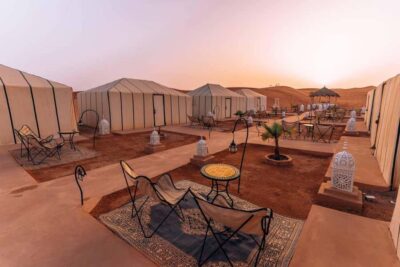
3-Day Merzouga Desert Experience Camel & Meals
Read our review →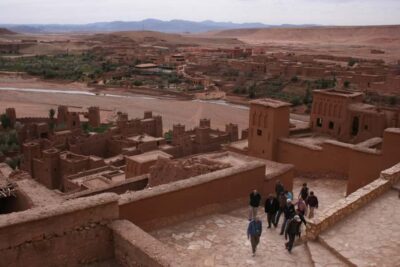
3-Day Tour to Merzouga Erg Chebbi with Food & Camel Trek
Read our review →
Sahara Desert 2-Day Tour with Merzouga Camp Stay
Read our review →Browse the lists this tour appears in