
Reviewed · SAHARA DESERT TOURS
From Marrakesh: Private 4-Day Sahara Desert Discovery Tour
The heart of this four-day journey is the evening you ride a camel into Erg Chebbi, watching the sun lower over the Sahara before dinner and music around a campfire. The route also brings you through the High Atlas, Rose Valley, Dades Gorge and old kasbahs, so the desert is only one part of a much bigger Moroccan story.
I especially like the private vehicle and flexible pace, since you can stop for photographs, tea or a short walk instead of following a large coach. I also like the overnight mix of riads, kasbah lodging and a nomad-style tent. The tradeoff is distance: this is a roughly 1,200-kilometer road trip, with some long days and a Sahara camp that may feel busier than the word remote suggests.
Key points to know before booking
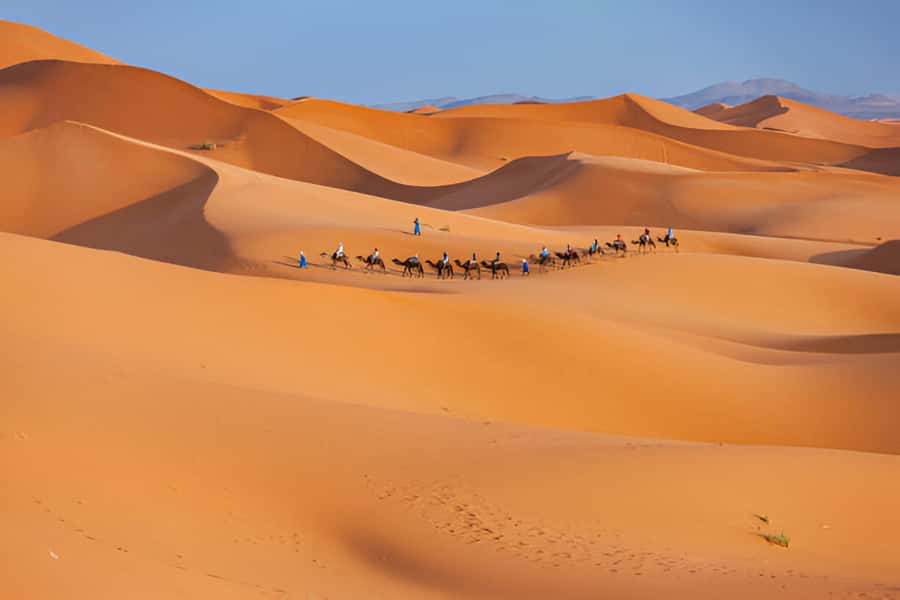
- Erg Chebbi at sunset and sunrise: Ride camels across the dunes, sleep in a traditional camel-hair tent and return after breakfast.
- Aït Benhaddou and Tourirt: See two of southern Morocco’s best-known kasbahs, including the former Glaoui residence in Ouarzazate.
- Dades and Todra scenery: Travel through red-rock valleys, palm groves and dramatic gorges popular with climbers, bird watchers and photographers.
- Private guiding: You travel with your own vehicle and guide, with English, French, Spanish and Arabic available.
- A flexible road experience: Guides such as Hassan, Mohamed, Khalid and Said have been praised for making extra stops and explaining local customs.
- Good value at $440 per person: The price includes transport, fuel, accommodation, breakfasts, dinners, guiding and the camel safari, but not lunches or monument tickets.
Why this Marrakesh to Sahara route works
This is not a quick desert transfer with one camel ride tagged onto the end. You cross the High Atlas, pass through old market towns, visit kasbahs and palm-filled valleys, then reach the dunes by road and camel. That variety is the main reason to choose four days instead of trying to squeeze the Sahara into a much shorter outing.
The private format matters. You are not sharing the vehicle with strangers, and the guide can usually pause for a photo, a stretch or a village stop. Several guides connected with this experience, including Mohamed, Khalid, Hassan and Said, have been praised for clear explanations, careful driving and a willingness to adjust the pace.
You should still set realistic expectations. Four days sounds generous, but the route covers a lot of Morocco. Day two and day three include especially long drives, and the return across the High Atlas takes much of the final day. If you want slow mornings and long walks in each valley, add more nights to the route.
A few other Marrakesh days worth comparing
- From Marrakech: 3-Day Merzouga and Sahara Desert Tour
★ 4.9 · 15,308 reviews - From Marrakech: Merzouga 3-Day Desert Safari with Food
★ 4.7 · 12,232 reviews - Marrakech: 3-Day Merzouga Desert Experience Camel & Meals
★ 4.6 · 6,252 reviews
Day one: crossing the High Atlas to Aït Benhaddou
Your pickup begins in Marrakesh, followed by the climb toward the Tizi n’Tichka Pass. The road twists through the High Atlas, and the scenery changes quickly from the city’s outskirts to mountain slopes and high passes. Comfortable shoes, sunglasses, a hat and sunscreen are sensible from the beginning, not just for the desert.
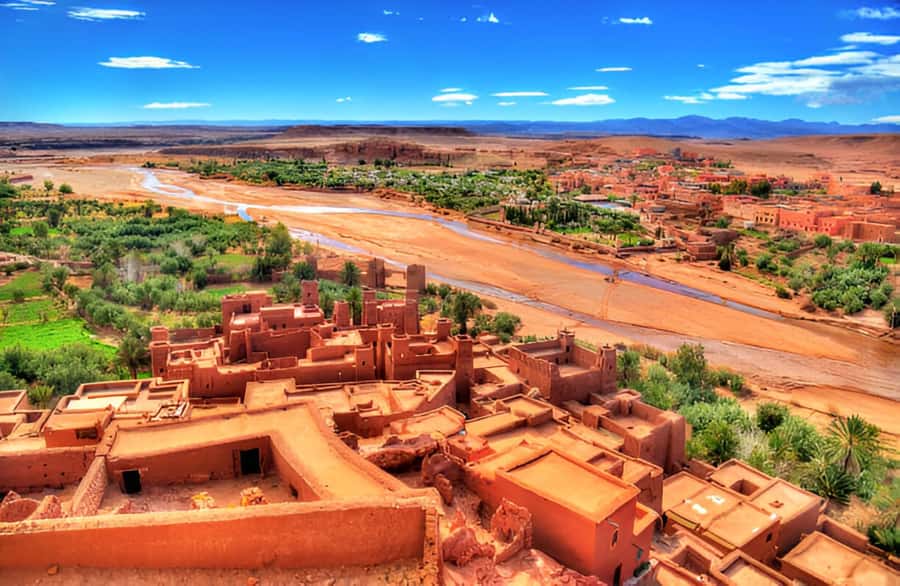
Aït Benhaddou is the first major stop. Its earthen walls and towers rise above the surrounding terrain, giving you a clear sense of why southern Morocco is famous for fortified villages. This is a place to walk rather than simply photograph from the roadside, so plan on uneven ground and bring shoes with a firm sole.
The route continues to Ouarzazate, where the optional Atlas Studios visit adds a film connection to the day. The studio is described as the largest in Africa, but it is not included in the tour price, and entrance fees are separate. If film sets are not a priority, you may prefer more time around the kasbahs or a relaxed lunch.
Lunch is planned at the Kasbah of Tourirt, once linked to the Glaoui Dynasty. The stop combines food with a historic setting, though remember that lunch is not included. You will want Moroccan dirhams for meals and entrance fees, since the tour covers dinners and breakfasts but leaves midday dining to you.
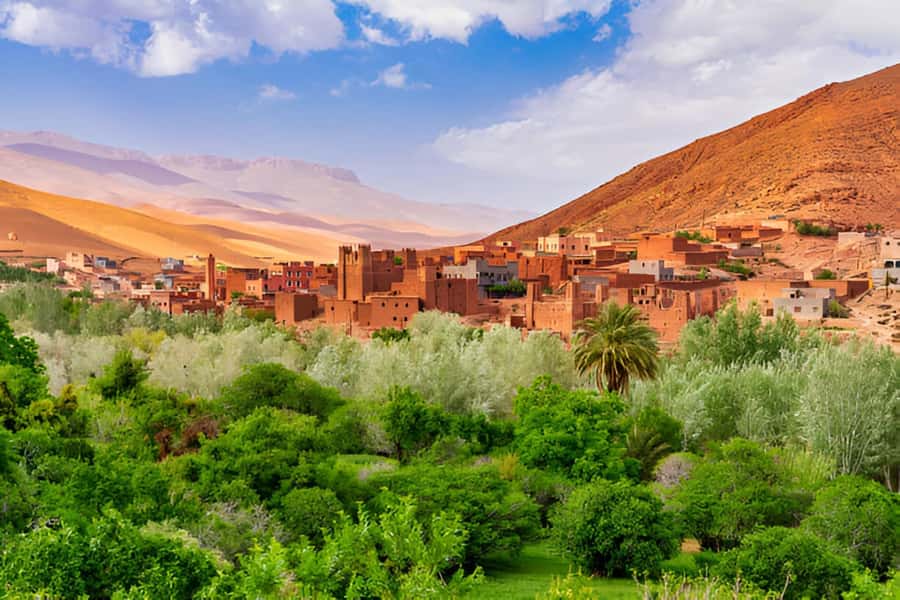
In Skoura, the Kasbah of Amerhidil sits beside the Amerhidil River. The palm groves and red earth make this one of the most rewarding photo stops on the route. You finish the day in the Dades Valley, usually at a riad or hotel. This first day is busy, but it gives you a useful introduction to the architecture and scenery of southern Morocco before the desert appears.
Day two: gorges, palm groves and the camel ride
Day two begins with the Dades Gorge. The road through the gorge is known for steep rock walls and twisting bends, while the wider Dades Valley brings fields, palms and scattered settlements. Tea stops are part of the experience, and mint tea is often called Berber Whiskey, a playful name for Morocco’s national welcome drink.
The drive continues toward Tinghir, with its palms and cultivated green spaces. This contrast is easy to miss if you only think of the Sahara as empty sand. Water makes settled life possible here, and the palm groves show how much human work goes into keeping these valleys productive.
After lunch, you reach the Todra Gorge. The narrow rock passage is a strong stop for photographers, and its reputation among climbers is easy to understand. You are not promised a climbing session, but you do have time to look around and take in the scale of the rock walls.
Then comes the long run to Merzouga and the major emotional shift of the trip. At the edge of Erg Chebbi, you leave the vehicle and mount a camel for the ride into the dunes. The camel trek is not a wilderness expedition. Other groups may be nearby, and one booking reported quad bikes and several camps close to the dunes. Still, the change from road travel to a slow ride over sand feels special, especially at sunset.
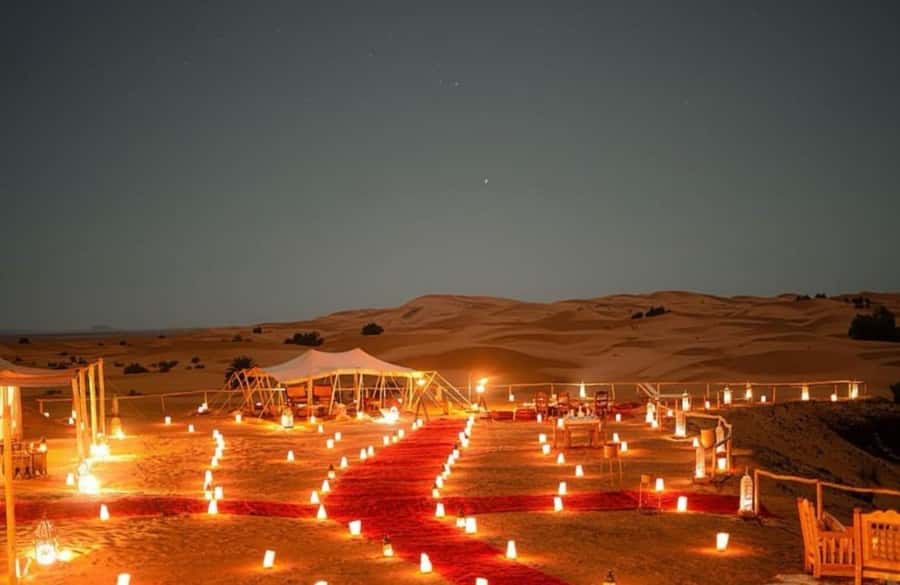
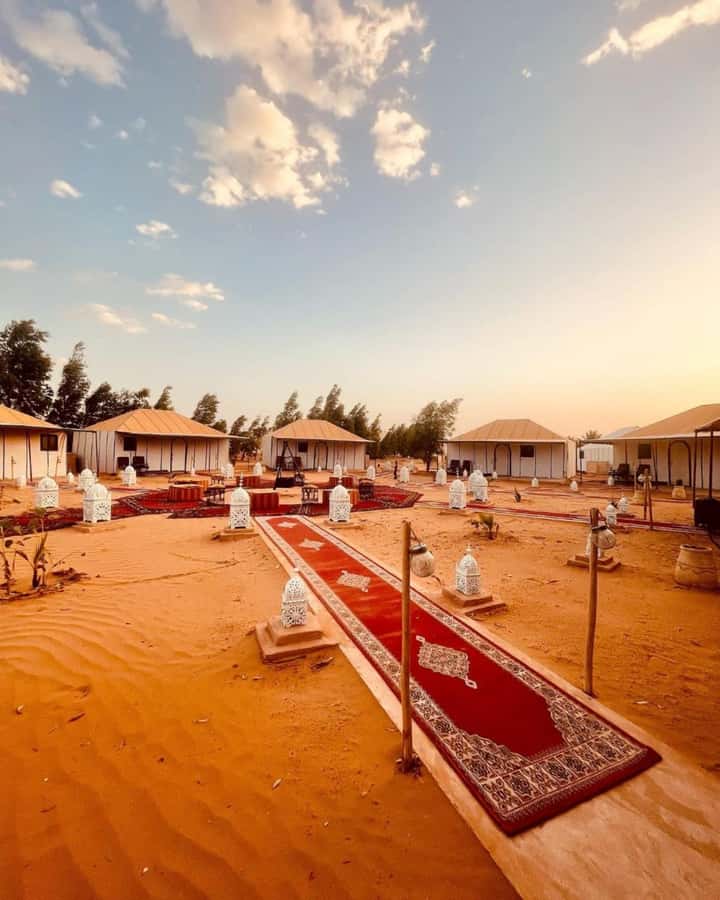
At the bivouac, you have a traditional Moroccan dinner and spend the night in a nomad-style camel-hair tent. The exact comfort level can vary by accommodation choice, but the overall setup is a blend of basic desert atmosphere and organized camp service. Pack only what you need for the night, and keep your sun protection, water and warm layer easy to reach.
The evening can include traditional music around a firepit. That detail matters because it gives the desert night a social, local character rather than making it feel like a simple hotel stay with sand nearby. Do not expect complete silence or total isolation, especially during busy periods.
Day three: sunrise, Rissani and the Drâa Valley
Wake early if you want the best desert light. Breakfast at sunrise gives you a second view of the dunes, this time with cooler air and softer color. You then return by camel before rejoining the vehicle.
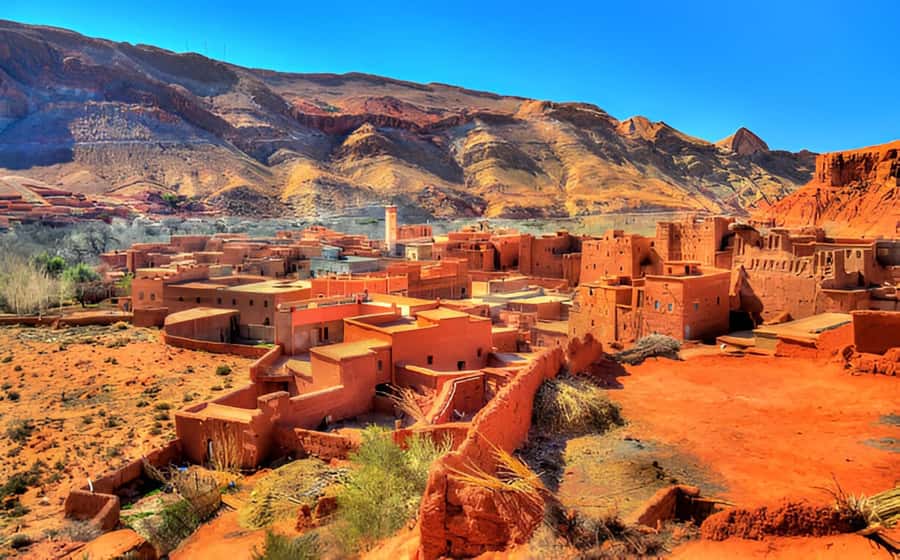
The next stop is Rissani, a small town with strong links to the Tafilalt region. You visit ksours and kasbahs, pass the Tafilalt Palm Grove and, when the timing matches market day, see the traditional souks. The visit to the zaouia of Moulay Ali Sherif adds religious and dynastic context, since the mausoleum is associated with the founder of the dynasty.
Rissani is one of the better places on this route for seeing daily commerce rather than a purpose-built tourist stop. Your guide may help with local orientation and explain what you are seeing. The private setup also makes it easier to pause for a snack or browse without being rushed by a large group.
From there, the road turns west through Alnfe, Tazarine, the Drâa Valley and Agdz. This is another long driving stretch, but the scenery keeps changing. Palm groves, dry hills and old fortified settlements replace the open dunes.
The Tamnougalt Kasbah is the main cultural stop. It gives you another chance to see how southern Moroccan communities used walls, courtyards and compact buildings for shelter and defense. The night is spent in a kasbah riad, a welcome change after the tent.
The day description also mentions an opportunity to visit Tourirt in Ouarzazate, although Tourirt is already listed on day one. That may reflect a flexible route or a duplicated description, so confirm the exact order with the operator before you leave. This is a small point, but useful if you are choosing the tour for a particular monument.
Same city, a completely different day out:
- Marrakech: Agafay Desert Sunset, Camel Ride, and Dinner Show
★ 4.6 · 35,119 reviews - From Marrakech: Ouzoud Waterfalls Guided Hike and Boat Trip
★ 4.7 · 33,630 reviews - Marrakech: Agafay Desert Quad & Camel Rides with Dinner Show
★ 4.8 · 27,382 reviews - Marrakech: Agafay Desert Quad Biking Tour with Dinner-Show
★ 4.8 · 16,569 reviews
Day four: the long return across Tizi n’Tichka
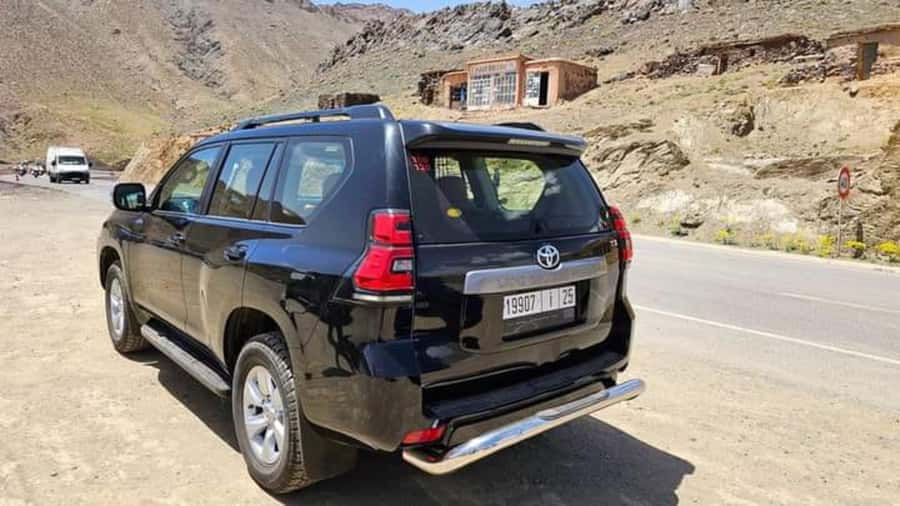
After breakfast, you begin the return to Marrakesh through the High Atlas. The Tizi n’Tichka Pass appears again, this time in reverse, and the road can be tiring after several days of driving.
Lunch is not included, and the final day is mainly about getting back to Marrakesh. I would treat this as a transport day with attractive mountain views, not as another full sightseeing day. If your Marrakesh plans begin immediately after the drop-off, leave some buffer rather than booking a tight onward connection.
The repeated mountain crossing is practical rather than elegant, but it keeps the tour to four days. A longer version would reduce the pressure. One family specifically suggested three nights to avoid rushing the return, and that is worth considering if your schedule allows it.
Transport, guides and comfort on the road
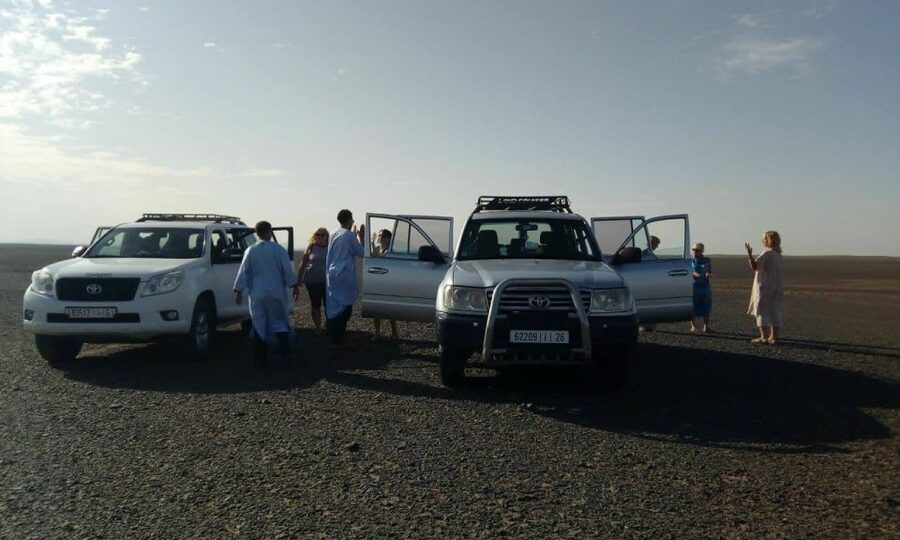
The tour uses air-conditioned vehicles and includes fuel. Past departures have used comfortable SUVs and Toyota 4×4 vehicles, with one group noting that its vehicle had Wi-Fi. Vehicle type may vary, so do not book on the assumption that every departure will use the same model.
The private group format is the strongest comfort feature. You can ask for breaks, adjust photo stops and have a direct conversation with the driver. Guides including Hassan, Mohamed, Khalid, Said, Hamid, Youssef and Abdelhadi have led departures at different times, but you cannot count on a particular person unless the operator confirms it.
Good guiding is especially valuable here because much of the experience takes place between the famous stops. A local guide can explain Berber culture, nomadic customs, village life and the history of the kasbahs while you are driving. The best use of your guide is to ask questions, not simply wait for announcements.
Accommodation has included comfortable riads, kasbah lodging and the desert camp. The Dades Gorge stay has been particularly memorable for its setting, while one Ouarzazate hotel was reported to be noisy because it sat on a busy street. This is a road tour, so standards and atmosphere may change from night to night.
What the $440 price really covers
At $440 per person, the price is reasonable if you value private transport and do not want to arrange each hotel, dinner and desert transfer yourself. Included are the guide, air-conditioned transportation, fuel, accommodation, all breakfasts and dinners, and the camel safari.
Your extra costs are lunches, monument entrance fees and alcoholic drinks. Those exclusions are normal for this type of tour, but they affect your budget. Atlas Studios and the various kasbah visits may also require separate entrance payments, so keep cash available.
The value is strongest for couples, families and small groups who would otherwise need to hire a car, driver and desert camp separately. For one or two people on a strict budget, a shared tour may cost less, but you give up the privacy and flexibility that make this route easier to handle.
The tour is also a practical way to cover a broad slice of southern Morocco in a short time. You pay for distance as much as for attractions. If you dislike long road days, the same price may feel less attractive than a slower trip focused on one valley and the desert.
Who should book this desert tour
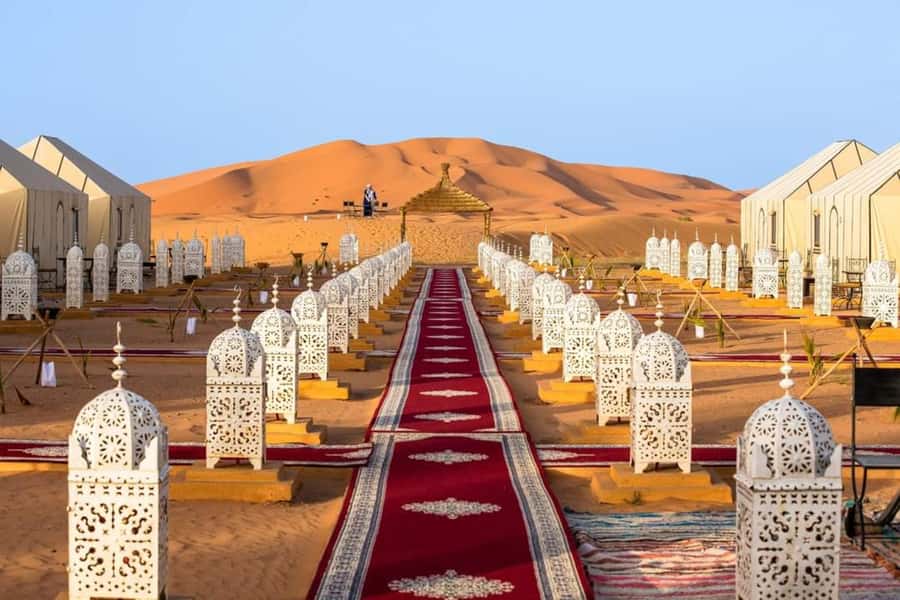
I would choose it if you want the Sahara as part of a wider Moroccan trip. You get mountains, kasbahs, souks, gorges, palm groves and dunes rather than four days of sand and driving alone.
It suits people who want a private guide and can appreciate local explanation along the way. Families have found the vehicles and accommodation suitable, while couples have especially enjoyed the sunset camel ride and desert camp.
It is less suitable if you need guaranteed solitude in Erg Chebbi, dislike camel riding, or want a relaxed schedule with little time in the car. The camp sits among other desert camps, and the dunes can include quad-bike traffic. The route is atmospheric, but it is not an untouched desert expedition.
Bring your passport or ID card, comfortable shoes, sunglasses, a sun hat and sunscreen. Give the operator your hotel details and the full names of everyone in your party when booking. Pickup is available from Marrakesh hotels, and the tour accepts English, French, Spanish and Arabic guiding.
Free cancellation is available up to 24 hours before departure, and you can reserve without paying immediately. That helps if your Marrakesh plans are still changing.
Should you book it?
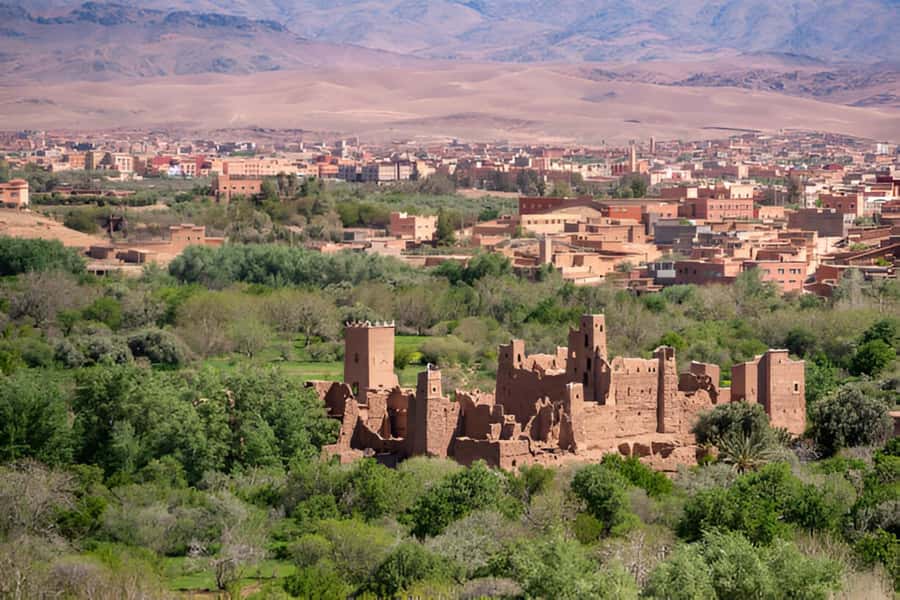
Book this tour if your main goal is a well-organized first visit to the Sahara with private transport, local guiding and a comfortable mix of lodging. The camel ride, sunrise over Erg Chebbi and evening music are the clear highlights, but the kasbahs and valleys give the trip much more substance.
Think twice if you expect a silent, isolated camp or if four long driving days sound exhausting. For the best balance, ask about the exact accommodation level, vehicle, monument fees, lunch arrangements and whether the Tourirt stop appears once or twice. If those details suit you, $440 buys a lot of southern Morocco in four days.
FAQ
How long is the tour?
The experience lasts four days.
Where does pickup take place?
Pickup is available from hotels in Marrakesh. You must provide your hotel or accommodation details when booking.
Is this a private tour?
Yes. The experience is arranged for a private group rather than a shared group.
Which languages are available for the guide?
Live guiding is available in English, French, Spanish and Arabic.
Is the camel ride included?
Yes. The camel safari is included, including the ride into the Erg Chebbi dunes and the return from the desert camp.
Are meals included?
All breakfasts and dinners are included. Lunches are not included, so you should budget separately for them.
Are entrance fees included?
No. Entrance fees to monuments are excluded from the price.
What should I bring?
Bring your passport or ID card, comfortable shoes, sunglasses, a sun hat and sunscreen. Pets are not allowed.
Just listed out of Marrakesh
- Marrakech: Ouzoud Waterfalls Trip, Guide & Boat + Lunch★ 4.7 · 33 reviews
- Marrakech: Vibrant Dinner Show at The Lotus Club★ 3.9 · 33 reviews
- From Marrakech: Small Group To Essaouira & Medina Day Trip★ 4.3 · 33 reviews
- From Marrakech: 3-Day Merzouga and Sahara Desert Tour★ 4.5 · 33 reviews
- Marrakech: Private Souks Tour with Tea and Traditional Snack★ 4.6 · 33 reviews
- Marrakech: Medina Souks, Hidden Markets and Shopping Tour★ 4.8 · 33 reviews
- 2 Days Desert Agafay and Atlas Mountains Trek From Marrakech★ 3.8 · 33 reviews
- Agadir/Taghazout : Marrakech Guided Tour old Medina & Souks★ 3.7 · 34 reviews
Sahara Desert Tours, compared.


3 Days Desert Tour From Marrakech To Merzouga Dunes & Camel Trek
Read our review →
3-Day Marrakech to Fes Sahara Desert Tour via Merzouga
Read our review →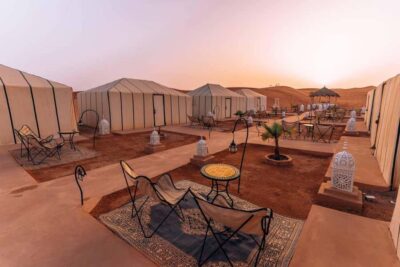
3-Day Merzouga Desert Experience Camel & Meals
Read our review →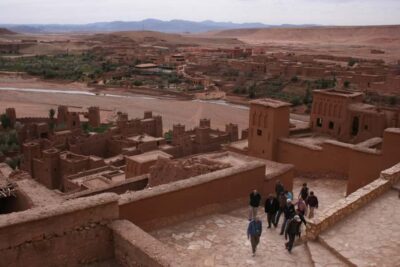
3-Day Tour to Merzouga Erg Chebbi with Food & Camel Trek
Read our review →
Sahara Desert 2-Day Tour with Merzouga Camp Stay
Read our review →Browse the lists this tour appears in