
Reviewed · ATLAS MOUNTAINS DAY TRIPS
From Marrakech: 3-Day Mount Toubkal Climbing Trek
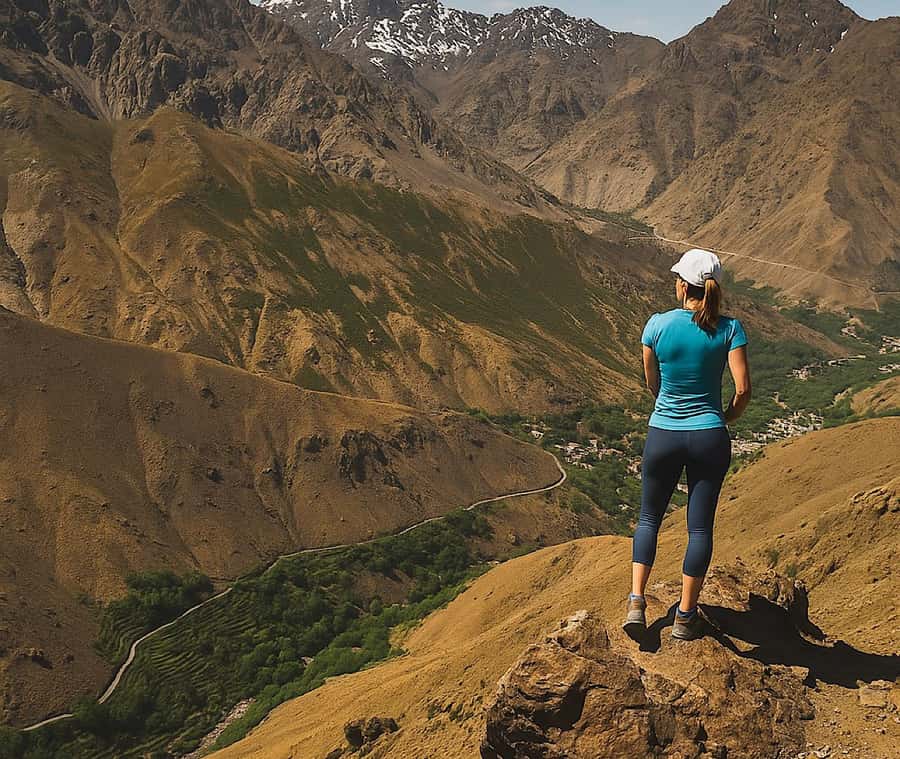
Mount Toubkal is not a technical climb, but it is a serious mountain walk. This three-day route earns its keep by taking you beyond the standard two-day out-and-back trip, through Berber villages, juniper forest, Tamsoult Waterfalls, and two high mountain passes before the summit push.
I like the slower pace and the circular route. I also like the strong guide support, with names such as Mustafa, Hassan, Kamal, Mohammed, and Youssef repeatedly praised for setting a steady pace and watching over the group. The main catch is simple: summit day is hard, with a 980-meter ascent followed by a huge descent all the way to Imlil.
Key points to know before booking
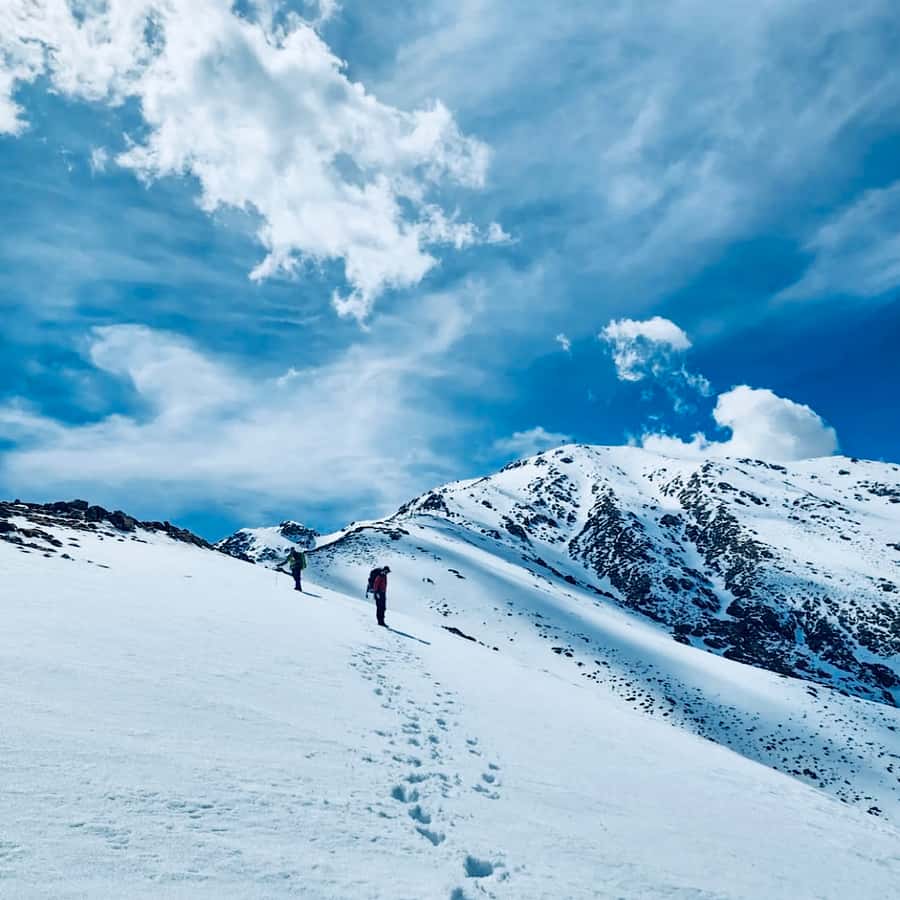
- The three-day loop sees more of the Atlas Mountains than the faster two-day route.
- Tamsoult Waterfalls are a real highlight, reached after crossing the 2,479-meter Tizi Mzik Pass.
- Summit day is long and demanding, with 8 to 9 hours of walking and major downhill mileage.
- Muleteers carry luggage, while you carry only what you need during each walking day.
- Mountain accommodation is basic but useful, with beds, blankets, meals, and sometimes hot showers.
- Good guides make a major difference, especially when altitude, weather, or tired legs change the plan.
Why three days is better than rushing Toubkal
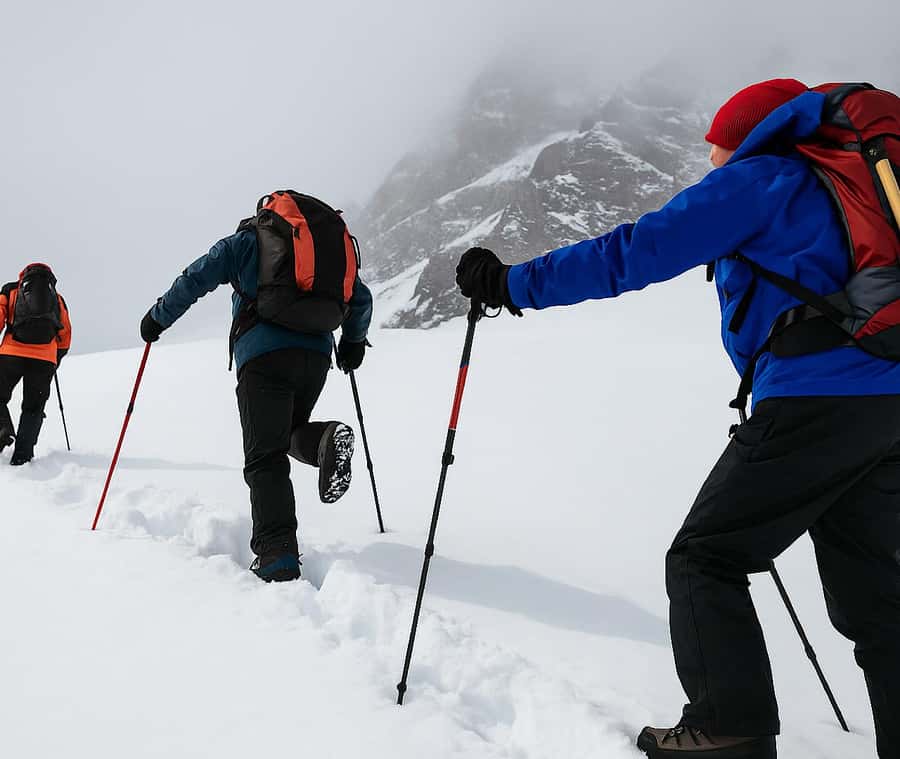
At $226 per person, this trek offers good value for a supported mountain trip from Marrakech. The price covers transport, a mountain guide, muleteers, mules for luggage, accommodation, and three breakfasts, lunches, and dinners.
The key value is not just reaching the summit. You are paying for a route that takes you across a wider slice of the High Atlas, with an overnight stop at Tamsoult Refuge rather than simply walking up and down the same valley. You also get more time to adjust to altitude before the summit attempt.
The usual group limit is 14 people, though several departures had much smaller groups. Groups of five, seven, eight, and 12 were all reported, and that range matters. A small group tends to make breaks, meals, and pace changes easier to manage.
This is still a budget mountain trip, not a private luxury expedition. You sleep in refuges and local accommodation, and comfort can vary. The food is praised often, but the sleeping arrangements are shared and may feel plain after Marrakech.
More Hiking Tours in Marrakech
- From Marrakech: Ouzoud Waterfalls Guided Hike and Boat Trip
★ 4.7 · 33,630 reviews - From Marrakech: Atlas Mountains Full-Day Hiking Trip w Lunch
★ 4.8 · 7,417 reviews - Marrakech: Ourika Valley Trip with Waterfall Hike
★ 4.6 · 6,792 reviews
From Marrakech to Imlil through Berber country
Pickup takes place after breakfast at your hotel or riad in Marrakech. If your accommodation sits outside the Medina, wait in the hotel lobby. Inside the Medina, vehicles may not reach the door, so the operator contacts you through WhatsApp about 24 hours before departure and gives you a nearby meeting point.
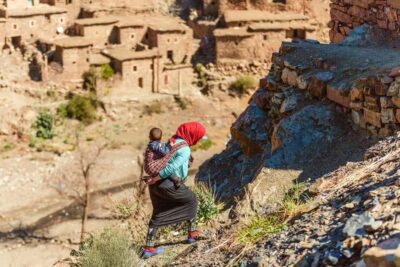
The drive to Imlil covers about 65 kilometers. You pass Tahanaout, Oued Ghighaya, and Asni, with views of traditional Berber villages spread along the valleys. The transfer is more than a way to get to the trailhead. It gives you a quick shift from city streets to dry mountain valleys and small farming communities.
In Imlil, you meet your certified guide and muleteer team. The muleteers are important here. They carry luggage and help move food and equipment between the overnight stops, so you should not need to walk with a large pack.
Pack a small day bag with water, warm layers, rain protection, snacks, sunscreen, and personal items. Do not assume you will have access to your main luggage during the day. One useful improvement would be a clearer packing explanation before departure, since your larger bag may be transported ahead to the next refuge.
Day one: Tizi Mzik Pass and Tamsoult Waterfalls
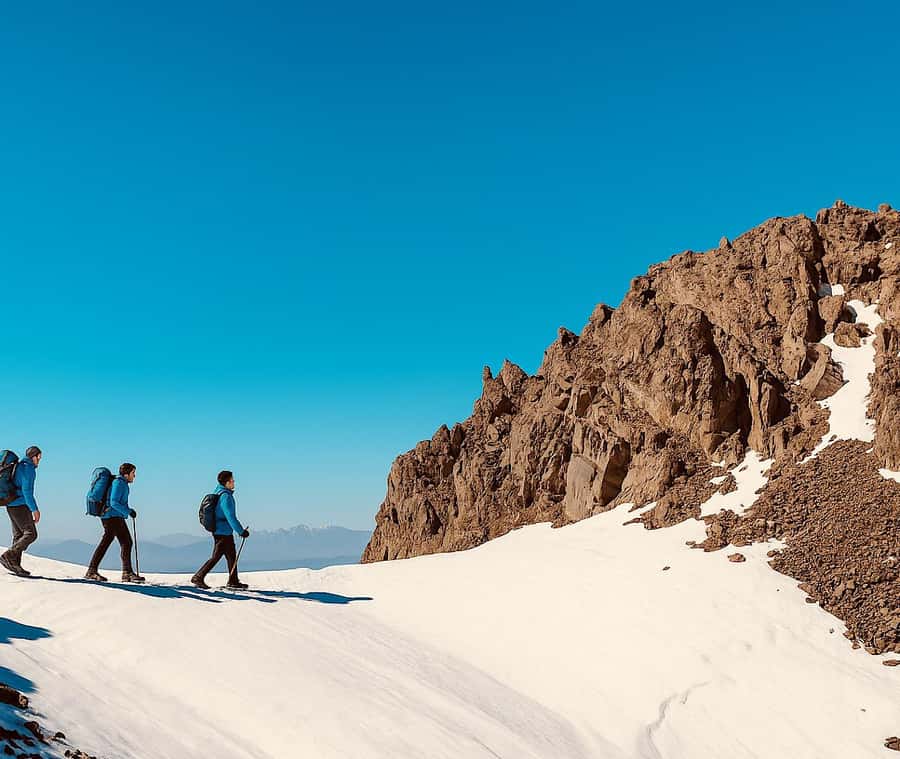
The first walking day covers about 11 kilometers, with roughly 800 meters of ascent and 400 meters of descent. Allow five to six hours, depending on the group’s pace and the stops.
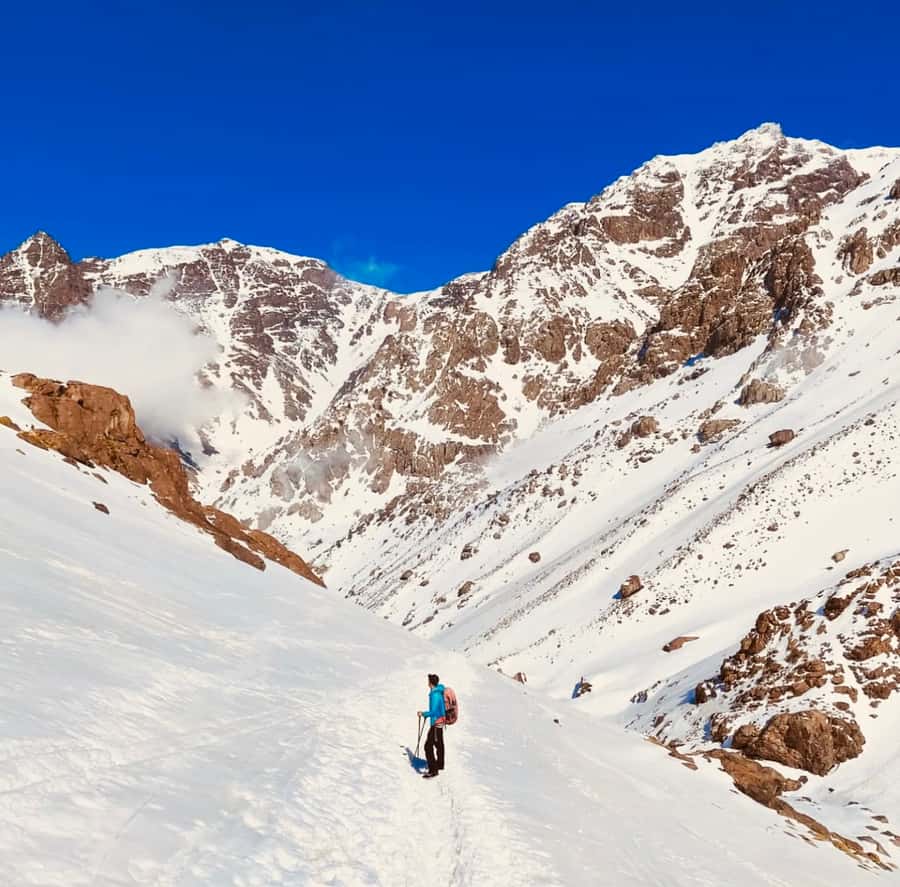
The trail rises toward Tizi Mzik Pass at 2,479 meters. From the pass, you get broad views over the Imlil Valley and toward Mount Toubkal. This is a good first test of your legs, but the route gives you time to settle into the rhythm of mountain walking.
You then continue through juniper forest toward Tamsoult Waterfalls, described as the highest waterfalls in the Atlas Mountains at about 100 meters. The waterfall stop gives the day some variety. You are not simply climbing over bare slopes, and the route feels like a proper journey through the mountains.
The night is spent at Tamsoult Refuge. Accommodation is basic, with shared mountain hut facilities, but it gives you a valuable break before the bigger altitude gain of day two. Hot showers have been available at this refuge on some trips, though you should not treat that as guaranteed.
Dinner is included, along with breakfast and lunch. The meals are generally described as warm, plentiful, and freshly prepared. After five or six hours on foot, that matters more than fancy presentation.
Day two: the 3,650-meter Aguelzim Pass
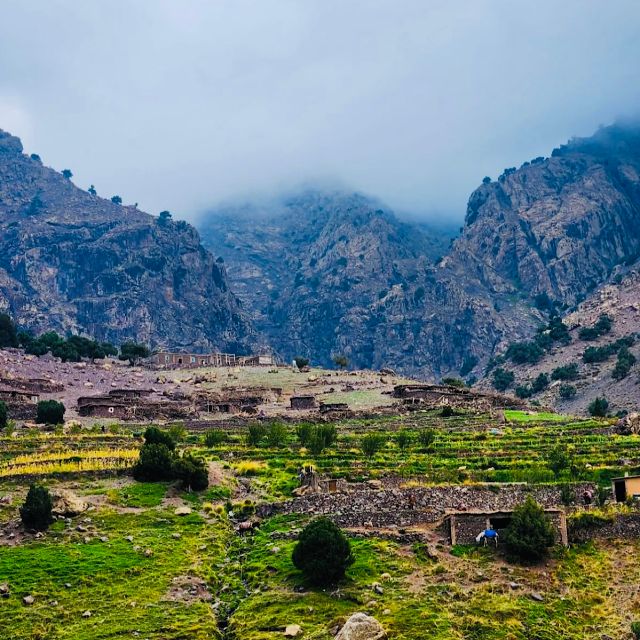
Day two is the altitude day. You walk about 10 kilometers, climb around 1,200 meters, descend 300 meters, and spend six to six and a half hours on the trail.
The gradual rise to Aguelzim Pass at 3,650 meters is intended to help your body adjust before the summit. This is one of the best reasons to choose three days rather than two. You gain height in stages instead of trying to force the entire climb into a shorter schedule.
The pace should be steady rather than fast. Strong guides such as Mustafa, Hassan, Kamal, and Youssef have been praised for adjusting the walking speed, checking on tired group members, and keeping everyone together. That support is especially useful here, where altitude can make an ordinary uphill section feel much harder.
At the pass, views open toward the Toubkal Summit. The route then descends carefully to Toubkal Refuge at 3,207 meters, your base for the final climb.
The second refuge is colder and more crowded in feel than a village homestay. Beds and blankets have been available, but a sleeping bag or liner is a sensible choice, particularly outside the warmest months. Hot showers may cost about 20 Moroccan dirhams at this refuge.
Bring toilet paper and soap. Several people found these missing at the refuges. Earplugs, slippers, a headlamp, and a small amount of local cash are also useful. Sandals and flip flops are listed as unsuitable for the trek, but comfortable footwear for the refuge can still be helpful if it meets the operator’s requirements.
A few other Marrakesh days worth comparing
- Marrakech: Atlas Mountains, Ourika Valley, Waterfall & Lunch
★ 4.8 · 15,834 reviews - From Marrakech: Atlas Mountains Day Trip with Camel Ride
★ 4.8 · 4,709 reviews - Marrakesh: Ourika Valley & Atlas Mountains, Day Trip + Lunch
★ 4.9 · 1,865 reviews - Marrakech: Atlas Mountains, Camel Ride, Waterfalls, & Lunch
★ 4.9 · 1,351 reviews
Day three: a sunrise attempt on Mount Toubkal
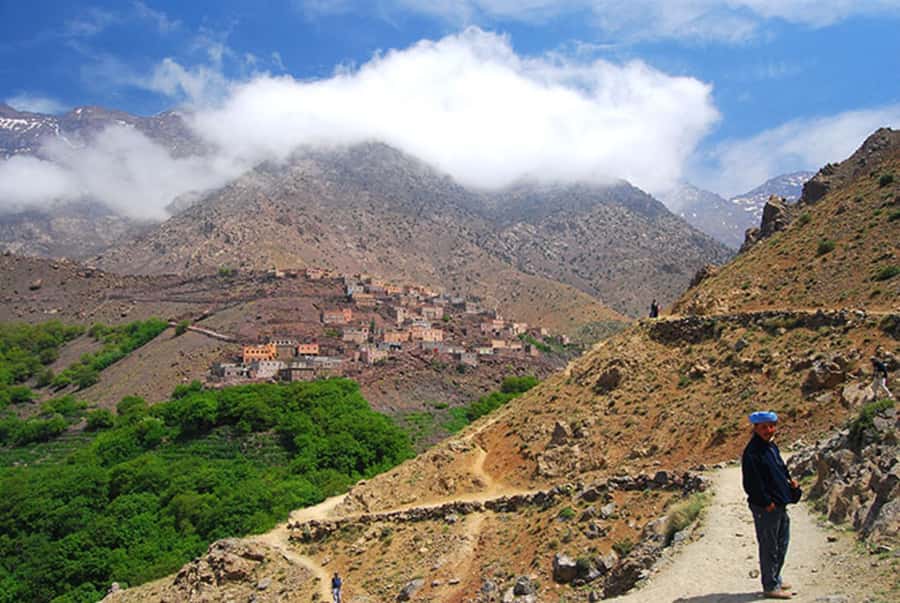
Summit day starts early, often before sunrise. The climb to Mount Toubkal’s 4,167-meter summit covers about four kilometers for the ascent and summit loop, followed by the descent.
The stated elevation gain is about 980 meters from the refuge. Walking to the summit and back to the refuge takes a large part of the morning, but the full day is much longer because you then continue down toward Imlil. The total descent is listed at about 2,500 meters, with roughly 14 kilometers from the mountain route back to Imlil and eight to nine hours of walking overall.
This is where the trek earns its demanding reputation. The final slopes can be cold, steep, and tiring, and the downhill journey can be harder on your knees than the climb. Loose scree requires careful footing. One strong practical point from the guide teams is that they often slow the pace and help people who slip or struggle on the descent.
If the weather is clear, the summit gives you 360-degree views across the High Atlas, with the Sahara Desert possibly visible on the horizon. Sunrise adds a memorable sense of occasion, but mountain weather has the final say. Storms and closed roads have caused plans to change, and some groups have missed the summit for safety reasons.
That is not a flaw in the guiding. It is the reality of a high mountain. The more important question is how clearly the change is explained. One altered trip became a two-day trek plus a Berber village walk, and the replacement day was enjoyable, but better communication between guides would have made the switch easier to understand.
After a short break at the refuge, you continue down to Imlil. The final walk can feel long after the summit, and one practical suggestion is for transport to meet the group lower in the valley rather than requiring every last stretch on foot. It is a minor point, but you will notice it with tired legs.
A transfer usually returns you to Marrakech at about 5:00 PM.
The guides are the main strength
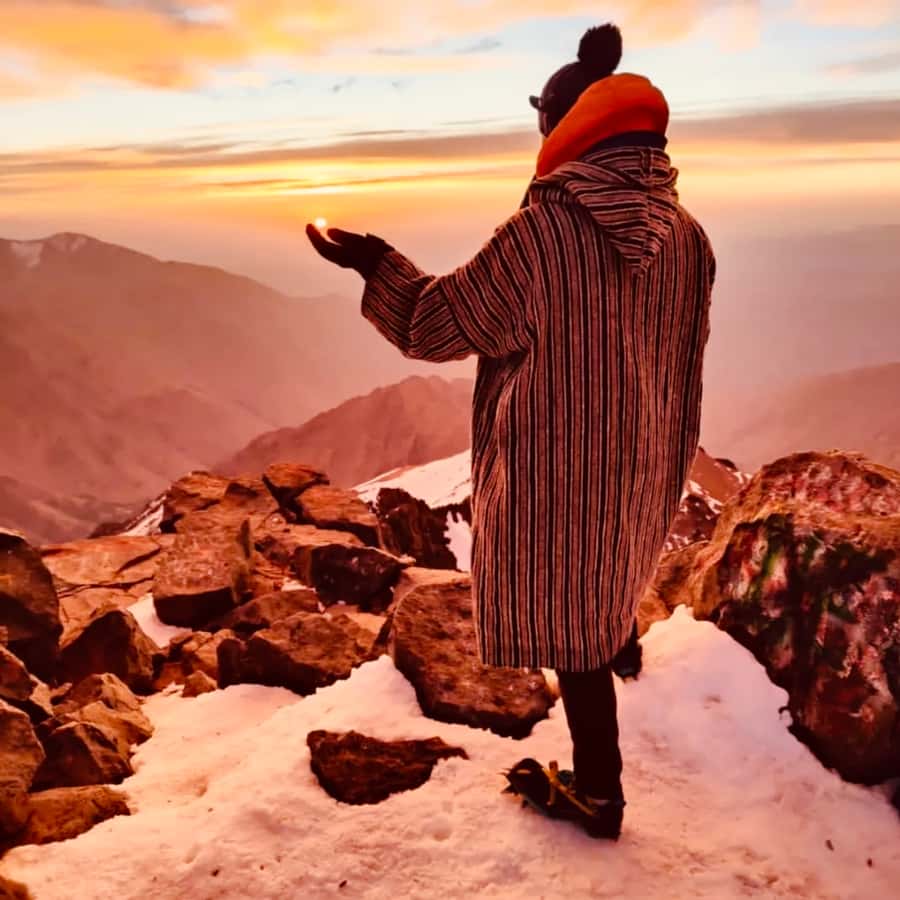
The best part of this experience is the care shown by the guide teams. Names change by departure, but Mustafa, Hassan, Kamal, Mohammed, Youssef, Omar, Ibrahim, Mostafa, and others have been praised for warmth, patience, pacing, and practical help.
I would pay close attention to how your guide handles the first briefing. A good guide should explain the day’s distance, elevation, start times, water needs, and likely conditions. Hassan was specifically praised for explaining each day clearly, while Kamal was praised for timing the group so it reached the summit around sunrise.
Guides also help turn a hard walk into a social experience. Some have shared Berber culture and local mountain knowledge, while Mustafa was remembered for playing games with the group in the refuge. The strongest descriptions focus on personal attention, not just route finding.
One point to keep in mind is that the level of cultural explanation can vary. You might get detailed stories about the area, or you might receive more basic trail guidance. If you want to learn about rocks, plants, animals, and village life, ask questions as you walk.
Food, refuges, and the muleteer team
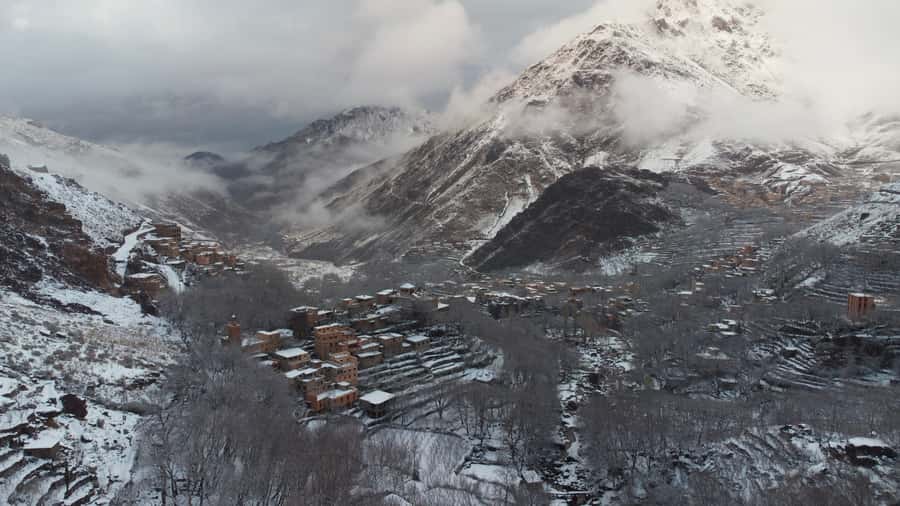
Three breakfasts, three lunches, and three dinners are included. Meals are generally simple Moroccan mountain food, but portions are described as generous and well timed around the walking hours.
The cooks and muleteers do more than transport bags. They prepare meals, move supplies, and help keep the trip running in remote places. Pack snacks anyway, especially if you like to eat between scheduled meals. Electrolytes or oral rehydration salts are also sensible for long, hot walking days.
Accommodation includes a local house and mountain refuges. Expect shared rooms, bunk beds, blankets, and basic facilities rather than hotel standards. Some people found the rooms clean and comfortable enough, while others wanted cleaner refuge facilities and a sleeping bag or liner for extra comfort.
Hot water is possible at some stops, but not guaranteed. Bring soap, toilet paper, and a towel if you want one. Keep cash for water, snacks, shower charges, and tips for the guide and muleteers.
How difficult is the Toubkal trek?
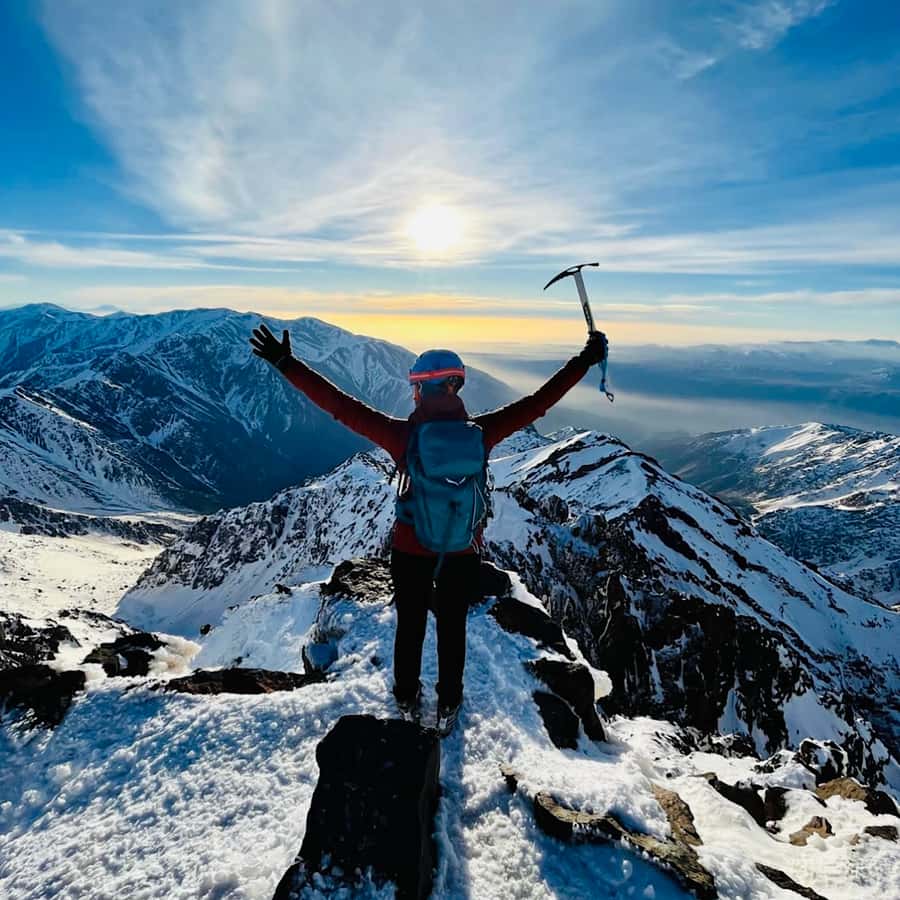
You do not need climbing ropes or technical mountaineering skills for the standard route. You do need good walking fitness and the ability to handle long days at altitude.
The hardest points are the 1,200-meter climb to Aguelzim Pass, the summit ascent, and the long descent to Imlil. The route is described as suitable for beginners who are in decent condition, but beginner friendly does not mean easy.
You should be comfortable walking for six to nine hours over uneven ground. Hiking shoes are essential. Bring warm clothing even in summer, since the summit can feel cold at any time of year. A jacket, rain gear, beanie, and headlamp belong in your day bag.
The activity is not suitable for pregnant women, people with high blood pressure, children under two, or people over 95. Travel insurance is not included, and you need to arrange it yourself.
What to pack for three days
Use the supplied list as a starting point, then add the small items that make refuge life easier:
- Passport
- Hiking shoes
- Warm clothing and a jacket
- Rain gear
- Sleeping bag or liner
- Headlamp
- Beanie and gloves for the summit
- Toilet paper and soap
- Snacks and electrolytes
- Camera
- Small cash for water, snacks, showers, and tips
- Comfortable refuge footwear, if permitted
Do not bring sandals, flip flops, slippers, or sleeveless shirts for the trek. Ask ahead about rental gear if you lack poles, warm clothing, or other mountain equipment. Renting gear has been straightforward on some departures, but mountain gear is not included in the $226 price.
Who should book this trek?
I would choose this trip if you want more than a quick summit badge. The three-day loop gives you waterfalls, Berber villages, two passes, two refuge nights, and a better chance to adjust to altitude.
It suits solo visitors too. You join a group of up to 14, and the shared effort can make the long days easier. It also suits people with moderate hiking experience who want professional support without arranging transport, mules, meals, and refuges on their own.
I would think twice if you dislike shared accommodation, long descents, cold mornings, or changing plans. I would also avoid treating Toubkal as a casual day trip. The mountain is accessible, but it still demands preparation.
The 4.7 rating from 597 bookings reflects the activity’s strongest points: caring guides, good food, efficient transfers, and a route that feels more complete than the standard two-day climb. The main weaknesses are basic refuge facilities, an incomplete packing explanation, occasional pickup delays, and the possibility that weather will alter the plan.
Should you book the Mount Toubkal three-day trek?
Book it if you want a well-supported introduction to North Africa’s highest mountain and value a wider route over the fastest possible summit attempt. The extra day is worthwhile, especially for acclimatisation and for seeing more of the Atlas Mountains.
Go prepared for cold, altitude, shared sleeping quarters, and a very long final day. Bring the right shoes, a warm layer, toilet paper, snacks, electrolytes, and a sleeping bag or liner. If you can accept that the summit depends on weather, this is a strong-value mountain trip from Marrakech with a good balance of challenge, local contact, and practical support.
FAQ
How long is the Mount Toubkal trek?
The experience lasts three days. The walking days cover about 11 kilometers, 10 kilometers, and a final summit and descent day of roughly eight to nine hours.
How high is Mount Toubkal?
Mount Toubkal reaches 4,167 meters and is the highest mountain in North Africa.
Is the climb technical?
The ascent is described as non-technical. You still need hiking shoes, fitness, and the ability to handle steep, uneven trails and high altitude.
What is included in the price?
The $226 price includes a mountain guide, roundtrip transportation from Marrakech, muleteers and mules for luggage, accommodation at a local house, and three breakfasts, lunches, and dinners.
Is luggage carried during the trek?
Yes. Muleteers and mules carry luggage to the overnight stops. You should still carry a small day bag with items you need while walking.
What languages do the guides speak?
Guides are available in Arabic, English, and French.
How large is the group?
The activity is offered as a small group with up to 14 participants. Actual group sizes can be smaller.
Can weather change the itinerary?
Yes. Weather and road conditions can cause the route or number of trekking days to change. A summit attempt may not be possible in unsafe conditions.
More Hikes in Marrakesh
- Marrakech: ourika valley lunch & guided hike to waterfalls
★ 4.9 · 3,737 reviews - Marrakesh: Ouzoud Waterfalls Trip with Hike & Boat Option
★ 4.9 · 1,435 reviews - Marrakech: Atlas Mountains & Valleys Waterfall Hike w/ Lunch
★ 4.8 · 1,236 reviews - From Marrakesh: Atlas Mountains Talamrout Summit Day Hike
★ 4.9 · 835 reviews
More 3-Day Experiences in Marrakesh
- From Marrakech: 3-Day Merzouga and Sahara Desert Tour
★ 4.9 · 15,308 reviews - From Marrakech: Merzouga 3-Day Desert Safari with Food
★ 4.7 · 12,232 reviews - Marrakech: 3-Day Merzouga Desert Experience Camel & Meals
★ 4.6 · 6,252 reviews - From Marrakech: Unforgettable 3-Day Desert Tour to Fes
★ 4.9 · 2,614 reviews
Just listed out of Marrakesh
- Marrakech: Ouzoud Waterfalls Trip, Guide & Boat + Lunch★ 4.7 · 33 reviews
- Marrakech: Vibrant Dinner Show at The Lotus Club★ 3.9 · 33 reviews
- From Marrakech: Small Group To Essaouira & Medina Day Trip★ 4.3 · 33 reviews
- From Marrakech: 3-Day Merzouga and Sahara Desert Tour★ 4.5 · 33 reviews
- Marrakech: Private Souks Tour with Tea and Traditional Snack★ 4.6 · 33 reviews
- Marrakech: Medina Souks, Hidden Markets and Shopping Tour★ 4.8 · 33 reviews
- 2 Days Desert Agafay and Atlas Mountains Trek From Marrakech★ 3.8 · 33 reviews
- Agadir/Taghazout : Marrakech Guided Tour old Medina & Souks★ 3.7 · 34 reviews
Atlas Mountains Day Trips, compared.
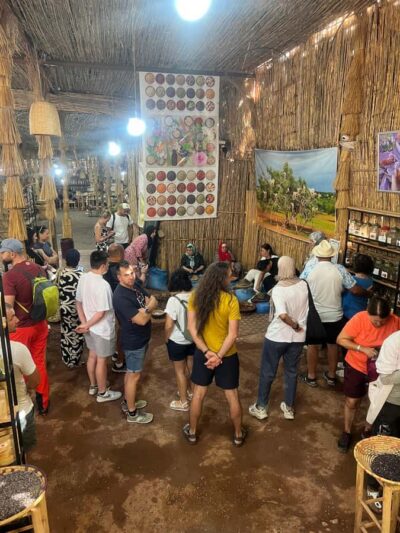
Atlas Mountains, Ourika Valley, Waterfall & Lunch
Read our review →
Ourika Waterfalls, Atlas Mountains, Guide + Lunch
Read our review →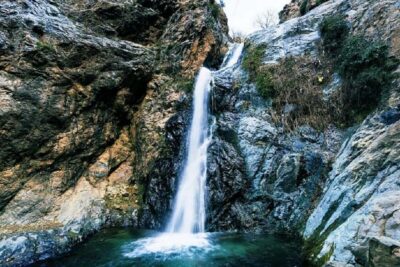
Atlas Mountains & Agafay Desert Tour w Camel Ride
Read our review →
Atlas Mountains, Waterfalls, Ourika Valley +Lunch
Read our review →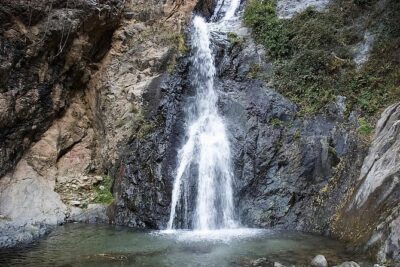
Atlas Mountains & 5 Valleys Tour from Marrakech – All inclusive –
Read our review →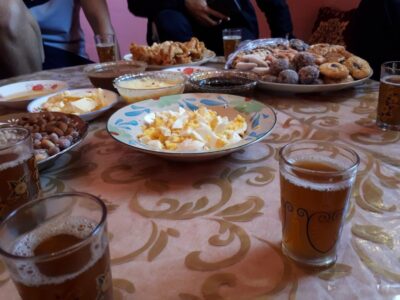
Agadir or Taghazout: Paradise Valley Atlas Mountains Tour
Read our review →Browse the lists this tour appears in