
Reviewed · HISTORICAL TOURS
Discovery of Moroccan Culinary Heritage, History and Secrets
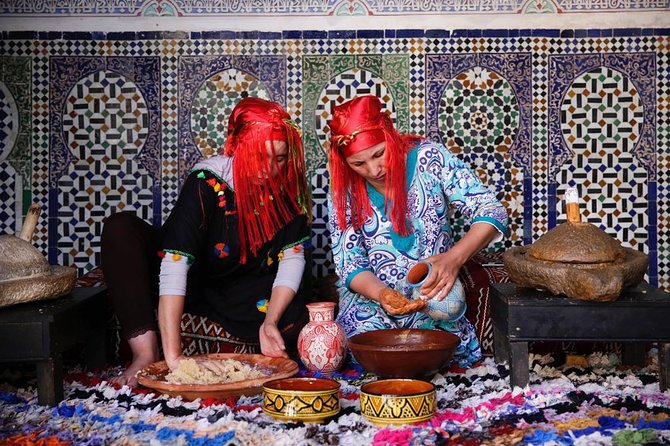
The best part of this Marrakech experience is the link between food and place. You do not simply sit at a stove and follow a recipe. You begin in a restored riad, see how Moroccan bread is made, visit a neighborhood oven and herbalist, then cook with a Dada, a traditional Moroccan cook.
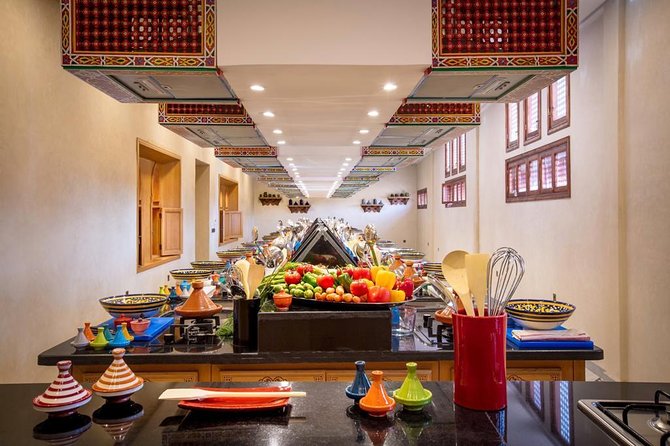
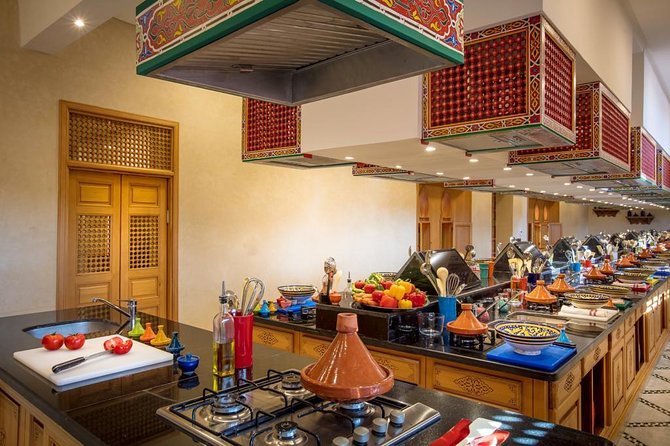
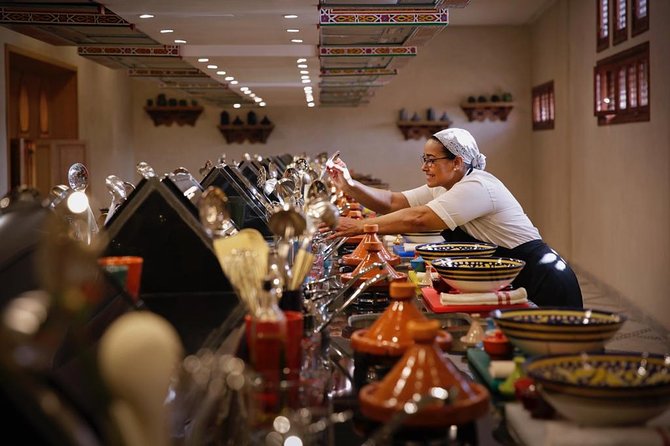
I like the 34-station teaching kitchen, which gives the class a proper setup, and I like the meal at the end, when you eat what you prepared with tea and, if selected, Moroccan wine. The main caution is language: English interpretation is advertised, but one booking was conducted in French, so confirm your language before paying.
- A Dada leads the cooking: Learn Moroccan methods from a traditional cook rather than from a generic demonstration.
- Bread connects the tour to daily life: Visit the local oven and see where neighborhood spices and herbs come from.
- The restored riad is part of the attraction: The museum offers courtyards, displays, videos, and a terrace.
- You prepare a full meal: Expect lessons built around dishes such as tagine, couscous, Moroccan salads, and dessert.
- The group can reach 34 people: The kitchen is purpose-built, but a larger class may feel less personal.
- The listed price is $69.79: Lunch, water, and tea or coffee are included, while alcoholic drinks cost extra.
A Cooking Class Inside a Marrakech Riad
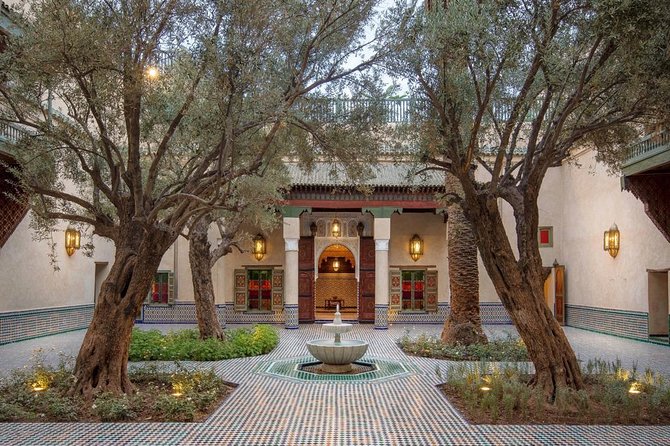
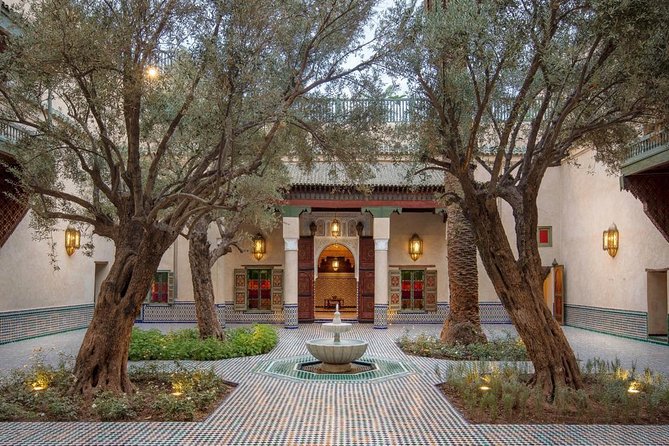
The Moroccan Culinary Arts Museum sits on Rue Riad Zitoun el Jdid, close to the Bahia Palace in Marrakech’s medina. The setting matters. You enter a traditional house rather than a modern restaurant classroom, with a courtyard, Moroccan living room, cooking displays, and a rooftop terrace.
The building has been described as a beautifully restored palace-like riad and was once connected with visitors to the Bahia Palace. That architectural setting may be as memorable as the food. If the crowded Bahia Palace feels too noisy, this offers a calmer stop nearby.
Your welcome includes an introduction in French or English, depending on the booking. Tea may be served at reception, and the staff can explain how the class and museum fit together. If you are visiting with children or relatives who do not cook, the museum gives them something to see while the class takes place.
The museum itself presents Moroccan food through photographs, videos, utensils, serving pieces, and explanations of preparation methods. The displays cover familiar subjects such as bread, spices, tagine, couscous, and pastilla. Some parts are hands-on or arranged as food stations, while other sections are more traditional museum displays.
Do not expect a huge national food museum that takes all day. The museum can be a fairly short visit, and some exhibits may feel less powerful than the building around them. I would treat it as a useful introduction to Moroccan food, not a replacement for a major history museum.
Bread, Spices, and the Neighborhood Oven
The class begins with the basics. Bread is central to Moroccan meals, and the demonstration helps explain why it is not just another item in the basket. You see how Moroccan bread is made, then visit the bread oven in the district.
This short outing adds something that a kitchen-only class cannot. A neighborhood oven links the meal on your table with the daily rhythm of the medina. Bread can be prepared at home and taken to a communal oven, and seeing that process gives you a better feel for how food works in local life.
You also visit an herbalist to learn where spices and herbs come from. This is useful if you have been buying spice mixes without knowing what is inside them. Moroccan cooking depends on judgment more than on simply adding a fixed packet, and the class focuses on dosing spices, balancing flavors, and using ingredients from different parts of the country.
The outing is not presented as a long market tour. It is a focused look at two practical parts of Moroccan food culture. Wear comfortable shoes, since the museum and nearby medina streets may involve walking on uneven surfaces.
More historic sites out of Morocco:
- Marrakech Historical and Cultural Tour – Half Day City Tour
★ 4.5 · 1,180 reviews - Fez: Guided Walking Tour of the Historic Medina
★ 5.0 · 359 reviews - Historical Marrakech Walking Tour
★ 5.0 · 198 reviews
Learning From the Dada at 34 Kitchen Stations
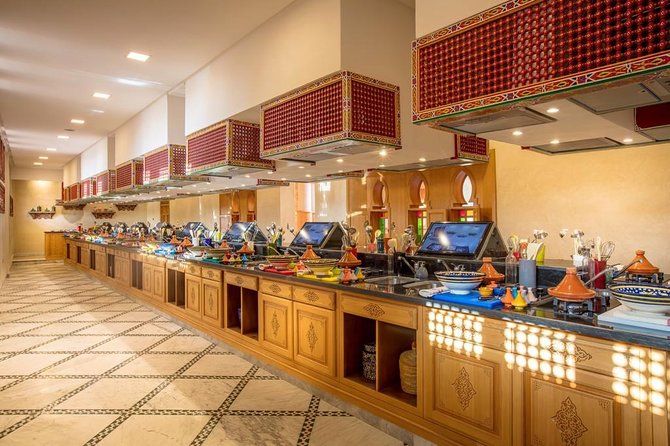
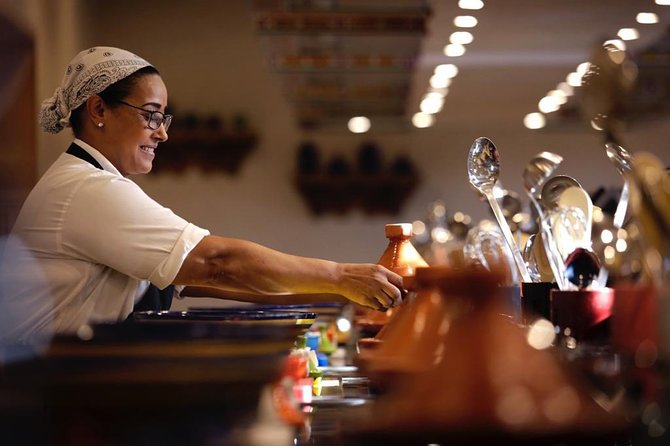
The central lesson takes place upstairs, where the riad has a professional teaching kitchen with 34 stations. That is a strong feature for a cooking class. You are not crowded around one demonstration counter trying to see a pot from the back of the room.
The Dada demonstrates the techniques, and an interpreter or support staff helps explain the steps. The teaching includes seasoning, baking, and cooking methods. The emphasis is on how Moroccan cooks work, not only on handing you a printed recipe.
The class may include chicken tagine, Moroccan salads, couscous, dessert, and other traditional dishes. The exact menu can vary, so do not book expecting one guaranteed set of recipes unless the operator confirms it. The class is suitable for beginners because staff provide verbal and practical help, including hands-on assistance when needed.
I like this format because Moroccan food often looks simple on the plate but depends on timing and small choices. When do you add the spices? How much liquid belongs in the tagine? How should bread be shaped and baked? A good Dada can show those details faster than a recipe can explain them.
The possible drawback is group size. A maximum of 34 people is substantial, even with individual stations. You should have space to work, but you may not receive long one-to-one attention. If personal instruction is your top priority, ask about the expected class size before booking.
What You Actually Cook and Eat
The reward arrives at the end, when you sit down to eat the dishes prepared during class. Lunch is included, along with bottled water and coffee or tea according to the stated inclusions. Dining on the terrace gives the meal a pleasant change of pace after the kitchen work.
The menu is built to show variety. A tagine introduces slow cooking and controlled seasoning. Couscous shows the importance of grains and careful preparation. Moroccan salads provide fresh contrast, while dessert brings the meal to a sweet finish.
Pastilla may also be discussed or demonstrated, although it is not guaranteed as part of this particular class. The museum presents several Moroccan dishes and cooking methods, so you can learn about more recipes than you actually prepare.
The food is not merely a tasting plate handed to you. You have taken part in making it, which changes how you notice the result. You can compare the spice balance, texture, and presentation with what you have eaten in Marrakech restaurants.
Moroccan tea is part of the ceremony. This is more than a drink break. The tea ritual gives the class a cultural closing point and shows how hospitality is built into the meal. Coffee or tea is listed as included, but one person reported that tea and coffee were not offered, so it is sensible to confirm what is included on the day.
Moroccan wine is optional and not included in the price. Alcoholic beverages are listed separately, so budget extra if you want the wine discovery on the terrace. You can enjoy the meal without it.
How the Museum Adds Context
The museum helps you make sense of the class. Before cooking, you might already know tagine as a cone-shaped pot or couscous as a familiar dish. The displays add the wider picture: serving customs, household tools, ingredients, regional flavors, and the history behind Moroccan food.
The presentation includes pictures and information about traditional dishes, as well as tables, chairs, dinnerware, and food preparation stations. Videos explain some of the processes. The displays are modern and clean, although the depth of information may vary from room to room.
I would allow time to look around before or after the lesson. The courtyard is particularly appealing, and the terrace provides a natural place to finish lunch. The quiet atmosphere can be a welcome contrast to the packed lanes and heavily visited palaces nearby.
The museum has been described as extending across several floors, with a terrace at the top. Exact access and the order of the visit can depend on how the class is arranged. If stairs are a concern, ask the operator directly before booking, since the available information confirms service animals and nearby public transportation but does not give detailed mobility information.
Same city, a completely different day out:
- Marrakech: Agafay Desert Sunset, Camel Ride, and Dinner Show
★ 4.6 · 35,119 reviews - From Marrakech: Ouzoud Waterfalls Guided Hike and Boat Trip
★ 4.7 · 33,630 reviews - Marrakech: Agafay Desert Quad & Camel Rides with Dinner Show
★ 4.8 · 27,382 reviews - Marrakech: Agafay Desert Quad Biking Tour with Dinner-Show
★ 4.8 · 16,569 reviews
Price, Timing, and Group Size
At $69.79 per person, this is more than a simple museum ticket and more than a quick food tasting. You are paying for a cooking lesson, staff support, lunch, the museum setting, the bread and spice visits, and the chance to eat the food you make.
That makes the price reasonable for someone who wants an activity lasting roughly two hours and prefers participation over sightseeing alone. The value is strongest if you use the museum and cooking lesson together. If you only want a short look at Moroccan food, a museum admission or tasting option may cost less.
There is a small timing inconsistency to watch. The tour is listed at approximately two hours, while some descriptions call it a half-day cooking experience. The actual schedule may include the museum, kitchen, neighborhood visits, and meal, so confirm the start and finish time if you have a Bahia Palace visit, a food tour, or transport booked afterward.
The maximum group size is 34. That number matches the 34 kitchen stations, which suggests the room was designed for a large class. Still, a full session will have a different feel from a small family lesson. Ask how many people are booked if that distinction matters to you.
The meeting and return point is the Moroccan Culinary Arts Museum, Rue Riad Zitoun el Jdid, Marrakesh 40000. The activity ends back there. It is near public transportation, though no hotel pickup is specified.
Language and Practical Details to Check
French and English interpretation are advertised. Yet language delivery has not always matched the booking choice, so write to the operator and confirm that your selected language will be available. This is especially important if you are booking for children or for anyone who cannot follow a cooking lesson through demonstration alone.
Confirmation is normally sent at booking. If you reserve within one day of departure, confirmation arrives as soon as possible and depends on availability. The class can accommodate service animals, according to the supplied details.
The cancellation terms are straightforward. You can cancel at least 24 hours before the local start time for a full refund. Cancellations or changes made inside 24 hours are not refunded or accepted.
Bring comfortable shoes and a curious appetite. You will likely be moving between the riad, cooking space, bread oven, and herbalist, and you will want enough time to notice the small details instead of rushing through the lesson.
Who Should Book This Marrakech Food Experience?
I would recommend this to first-time visitors who want a practical introduction to Moroccan food. It works particularly well for couples, families, and people who want to bring home cooking ideas rather than just photographs.
It also suits visitors who enjoy architecture. The restored riad and courtyard give the class a setting that a hotel kitchen cannot match. If the Bahia Palace is on your schedule, the museum is close enough to combine with that area of the medina.
Children can take part, although the exact age policy is not provided. The kitchen format and museum displays offer two kinds of activity, which can be useful for a mixed-age group. Anyone who dislikes group classes, however, should ask about attendance before booking.
This is not the best choice if you only want an advanced culinary course. The focus is on traditional Moroccan cooking, cultural background, and a friendly introduction. It is designed to make the food understandable and enjoyable, not to train professional chefs.
Should You Book It?
Book this experience if you want to learn how Moroccan dishes are built, visit a beautiful riad, and eat a meal you helped prepare. The bread oven, herbalist visit, tea ceremony, and museum make it broader than a standard cooking class.
I would hesitate only if your schedule allows exactly two hours, since the advertised duration and half-day wording do not fully agree. Confirm the language, menu, class size, and tea or water inclusions before you go.
For most food-focused visits to Marrakech, the combination offers good value at $69.79. You leave with more than a full stomach. You gain a clearer sense of how Moroccan households use bread, spices, cookware, ceremony, and hospitality to shape a meal.
FAQ
Where does the Moroccan cooking experience begin?
It begins at the Moroccan Culinary Arts Museum on Rue Riad Zitoun el Jdid, Marrakesh 40000, Morocco.
Where does the activity finish?
The activity ends back at the Moroccan Culinary Arts Museum, the same location where it begins.
How long does the experience last?
The listed duration is approximately two hours. Some descriptions refer to it as a half-day cooking experience, so confirm the schedule if you have plans afterward.
What language is the class offered in?
Reception and interpretation are advertised in French or English. Confirm your preferred language before booking, since availability may vary.
What dishes might I prepare?
The class can cover Moroccan dishes such as tagine, couscous, salads, and dessert. The exact menu is not guaranteed in the supplied information.
Is lunch included?
Yes. Lunch is included, along with bottled water and coffee or tea according to the stated inclusions.
Are alcoholic drinks included?
No. Alcoholic beverages are not included. Moroccan wine may be available as an optional discovery with the meal.
What is the cancellation policy?
You can cancel at least 24 hours before the local start time for a full refund. Cancellations and changes made less than 24 hours before the start are not accepted or refunded.
Just listed out of Morocco
- Marrakech: Ouzoud Waterfalls Trip, Guide & Boat + Lunch★ 4.7 · 33 reviews
- Full Day Private Tour to Tetouan and Chefchaouen★ 5.0 · 33 reviews
- Agadir: 30 min Jet Ski Rental with Transfers★ 4.6 · 33 reviews
- From Marrakech: Ourika Valley Trip, Waterfall Hike & Lunch★ 4.4 · 33 reviews
- Fez Cooking Class★ 5.0 · 33 reviews
- Agadir: 2h Surf Lesson with Local Instructors★ 5.0 · 33 reviews
- Camel Riding Agadir★ 4.5 · 33 reviews
- Surf Lessons in Taghazout | Learn to Surf in Morocco★ 5.0 · 33 reviews
Historical Tours, compared.

Marrakech Historical and Cultural Tour – Half Day City Tour
Read our review →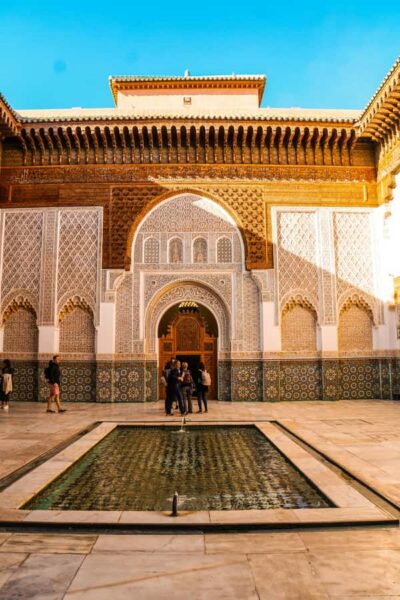
Full-day Historical Meknes Volubilis and Moulay Idriss Tour
Read our review →
Casablanca Cultural Tour: Medina, Views & Local Delights
Read our review →
Casablanca to Fez: Scenic & Historical Day Trip with Lunch
Read our review →
A Guided Walking Tour Through the Historic Medina
Read our review →
Half Day Guided Tour in Marrakech History & Culture
Read our review →Browse the lists this tour appears in