
Reviewed · CASABLANCA TOURS
Casablanca Cultural Tour: Medina, Views & Local Delights
Casablanca’s best surprise is how much city life fits into four hours. This tour moves from the movie-world charm of Rick’s Café to old lanes, French-era streets, pastry counters, and a lookout facing the Atlantic. It is a quick but thoughtful introduction to a city that is often treated as a stopover.
I like the mix of walking and short taxi rides, which lets you cover far more ground than a walking tour alone. I also like the food stops: olives, mint tea, and pastries from Bennis Pastry House turn history into something you can taste.
The main drawback is the pace. You cover several districts in a short time, and the route includes city traffic, uneven streets, and taxi transfers. If you prefer long museum visits or slow shopping, this may feel brisk. Cruise passengers should also confirm the meeting point carefully, since reaching Rick’s Café from a ship shuttle can take extra time.
Key points to know before booking
- Rick’s Café begins the story: Learn how the famous film shaped Casablanca’s image, even though the movie itself was not filmed in Morocco.
- Sqala Tower brings the sea into view: Portuguese-era cannons and Atlantic-facing views make this one of the route’s best photo stops.
- The old and new medinas show two sides of Casa: You move from narrow market streets to broad French-planned squares and avenues.
- Bennis Pastry House is a food highlight: Expect Moroccan sweets such as gazelle horns and Fekkas, with tea or coffee.
- Taxis are part of the practical experience: They connect the scattered sights and save your feet, though traffic can affect the rhythm.
- The group is limited to 12 people: Private departures are also available, useful if you want more control over stops and timing.
Starting at Rick’s Café and separating film from fact

Meet your English-speaking guide in front of Rick’s Café on Place du Jardin public. The restaurant was created as a tribute to the 1942 film Casablanca, not as the actual café from the movie. That distinction is worth knowing before you arrive, since the film’s Casablanca was largely built on a Hollywood soundstage.
The stop still works. The café gives your guide an easy opening to explain the film’s place in popular culture and how it helped turn Casablanca into a name recognized around the world. You get the movie connection without having to pretend the set was here.
Guide quality is a major part of this experience. Guides named Mohammed, Aafif, Afif, Hicham, and Bennis Mohammed have led past departures, and the strongest accounts describe guides who adjusted the route, explained local customs clearly, and helped with practical matters after the tour. Your guide may be someone else, but the company’s small-group format gives you a better chance to ask questions than a large coach tour would.
Rick’s Café is also a useful meeting point for a private tour, since it is easy to identify. If you are arriving from a cruise ship, pay close attention to the instructions. One cruise passenger had to take a ship shuttle to United Nations Square and needed help reaching the start. The operator arranged a car in that case, but you should not assume every transfer is automatic.
A few other Casablanca days worth comparing
- Morning Casablanca: The Medina and Beyond Cultural Walking Tour
★ 5.0 · 284 reviews - Discovering Life & Walk Inside Old Medina /With Taxi Back Hotel
★ 4.5 · 97 reviews - Traditional Souks Shopping Private Tour in Casablanca
★ 5.0 · 64 reviews
Sqala Tower and the Atlantic edge
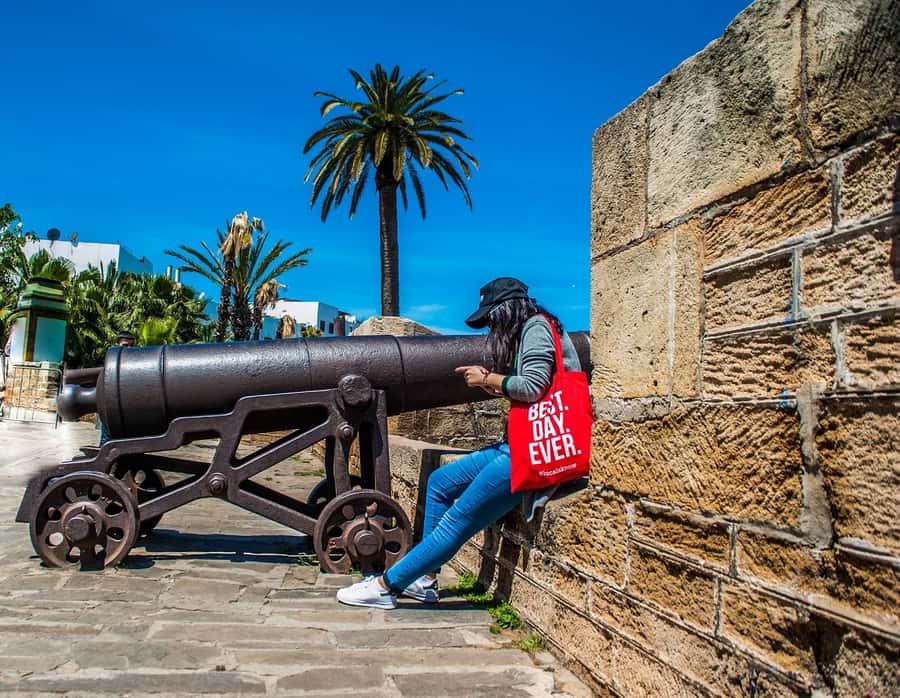
From Rick’s Café, the route heads toward the old fortifications and Sqala Tower. This area recalls Casablanca’s Portuguese period, with old cannons and a broad view toward the Atlantic coast. The sea gives you a different sense of the city than the inland streets and plazas do.
This is not a long fortress visit. Think of it as a short historical stop with a strong view. Your guide provides the context, then you have a chance to look out over the water and take photographs.
The contrast is useful. Casablanca can seem like a city of traffic, concrete, and wide avenues. At Sqala Tower, you see its position on the coast and get a clearer idea why the port mattered to its growth. Bring a light layer if the weather is cool or windy, and wear shoes that handle old paving comfortably.
Casablanca’s medina, where the tour feels most local
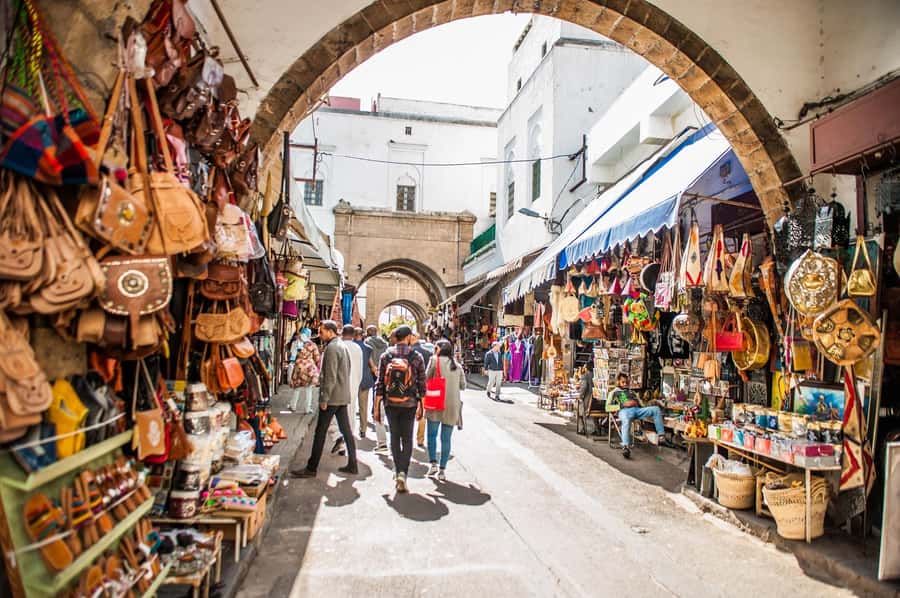
The medina is where the tour becomes less about major monuments and more about ordinary city life. You walk through market lanes, see artisan goods, and get a sense of how people shop and work in the old city.
A guide matters here because the pleasure is in the details. You might notice crafts, food stalls, traditional products, and small side streets that would be easy to pass without context. The route is not presented as a shopping trip, so you can look without feeling pushed to buy.
The medina is also where the walking can be less polished. Expect narrow passages and uneven ground. Crowds, noise, and weather can change the experience from one departure to another. If you have limited mobility, ask the operator about the walking demands before booking. The supplied information confirms a walking tour with taxi transfers, but it does not promise step-free access.
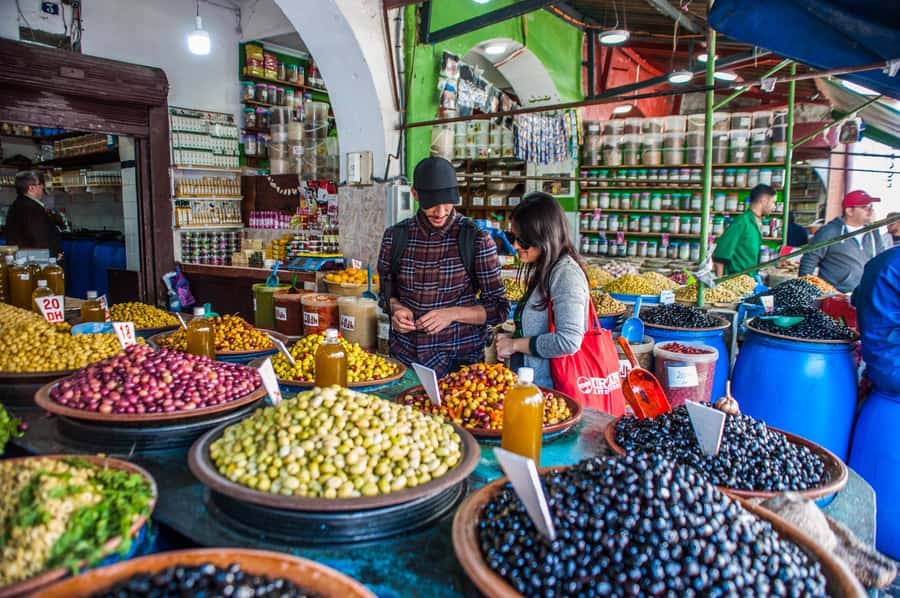
One included tasting is traditional Moroccan olives. This sounds modest, but it gives your guide a natural way to explain everyday Moroccan food and local habits. You can ask about flavor, preparation, and how the products fit into meals at home.
Mohammed V Square and the city built in layers
The tour then connects old Casablanca with the city’s broad civic center. Mohammed V Square, also called Pigeon Square, is surrounded by grand public buildings and open space. It is a good place to see the French and Moroccan blend that defines much of central Casablanca.
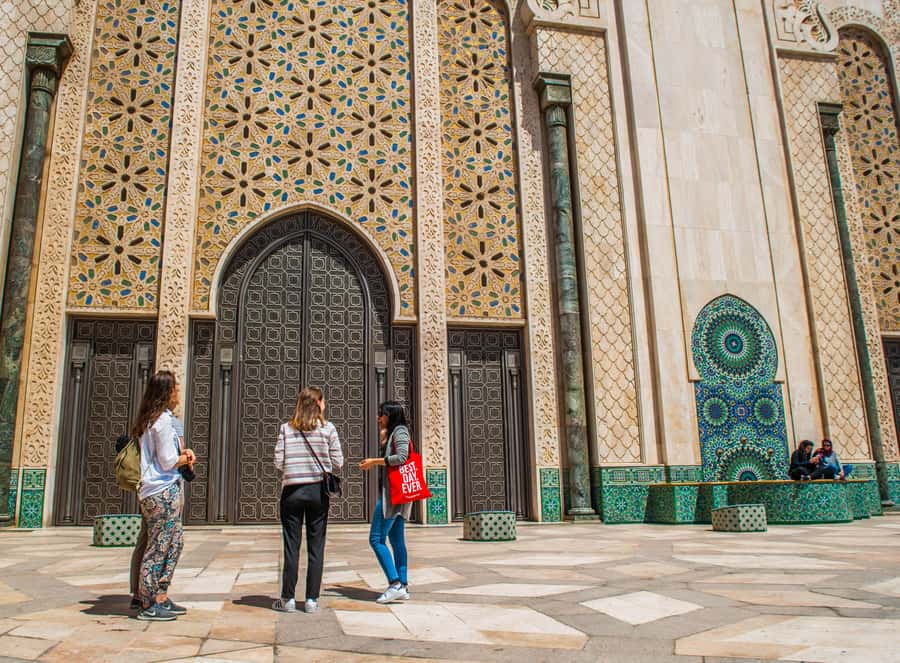
The architecture here is not one single style. Moroccan forms and decorative details meet French planning and early twentieth-century civic design. Your guide can help you read the facades instead of simply photographing them. This is one reason the tour is useful early in a Morocco trip: it gives you a framework for noticing how local tradition and European influence appear together.
The square also gives your feet a break after the medina. You are not walking through one continuous market district. The route shifts between tight lanes and open plazas, old quarters and newer streets.
Do not expect an extended architectural lecture at each building. Four hours requires movement, and the guide must keep the group together. The benefit is breadth. You see several parts of Casablanca instead of spending the whole morning in one district.
More historic sites out of Casablanca:
- Casablanca to Fez: Scenic & Historical Day Trip with Lunch
★ 4.7 · 111 reviews - Marrakech Historical and Cultural Tour – Half Day City Tour
★ 4.5 · 1,180 reviews - Fez: Guided Walking Tour of the Historic Medina
★ 5.0 · 359 reviews - Historical Marrakech Walking Tour
★ 5.0 · 198 reviews
Sacred Heart Cathedral and Arab League Parc
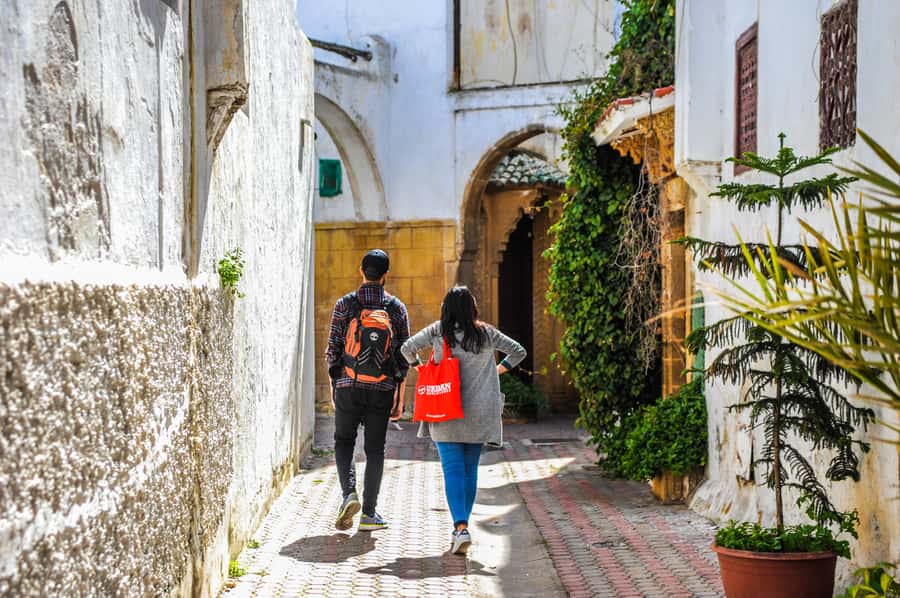
A taxi transfer takes you toward the Sacred Heart Cathedral and Arab League Parc. The cathedral is an important reminder that Casablanca’s built past includes more than Islamic and Moroccan forms. Its presence adds another layer to the city’s religious and colonial story.
The stop is generally a guided exterior visit rather than a guaranteed long interior tour. The provided details do not promise entry or a scheduled service, so treat the building and its setting as the main focus. Your guide can explain its place in the city and point out architectural features that are easy to miss from a passing taxi.
Nearby Arab League Parc provides a quieter change of pace. The park and surrounding avenues show the planned side of central Casablanca, far removed from the medina’s compact lanes. This part of the route works best when you want to understand the city as a living place, not just a collection of monuments.
Taxi rides help here. Casablanca’s major sights are spread out, and walking between every stop would use too much of your four-hour window. The tradeoff is that traffic can slow the route. You may spend a few minutes watching the city through a taxi window rather than standing at a landmark.
Habous Quarter, French planning with Moroccan purpose
The Habous Quarter is one of the most appealing stops for people who want to shop for traditional goods without leaving the city center. Its streets combine French-era planning with Moroccan design, making the district feel more spacious and orderly than the old medina while still offering shops, crafts, and local products.
This is a good place to ask your guide how to judge quality and price. The tour does not include your purchases, so you can browse at your own speed and decide what fits your budget. Traditional goods may include items such as leatherwork, food products, and decorative crafts, but the exact shops and available stock can vary.
I would save serious shopping decisions for this part of the route rather than buying the first item you see at the start. You will have had time to compare the feel of the medina with the more planned Habous streets.
Keep expectations realistic. This is a guided city tour, not a dedicated shopping excursion. You will have an introduction to the quarter, but not unlimited time in every shop. If buying gifts is your main goal, tell your guide early so the route can be adjusted when possible.
Bennis Pastry House and the best edible history lesson
Food is one of the strongest reasons to book this experience. At Bennis Pastry House, you can sample Moroccan pastries such as gazelle horns and Fekkas, usually with Moroccan mint tea or coffee at a local café.
Gazelle horns are delicate crescent-shaped pastries, while Fekkas is a firmer, twice-baked sweet often compared to a Moroccan answer to biscotti. The exact selection may vary, but the point is to try familiar local flavors in a working pastry setting rather than a hotel buffet.
The food stop also connects with the route’s human side. You are not just looking at buildings from the outside. You are learning how a local bakery fits into daily life, what people serve with tea, and how Moroccan hospitality is expressed through small shared treats.
There is a small cost detail to watch. A pastry tasting is included, but additional pastries, food, and drinks are not. If you want to buy a box to take away, plan to pay separately. The tour includes coffee or mint tea at a local café, while extra orders are your responsibility.
Dietary requests can be accommodated if you notify the operator in advance. Vegetarian needs are specifically accepted, but you should still explain your restrictions clearly before the tour begins.
The food market, café stop, and a taste of daily Casa
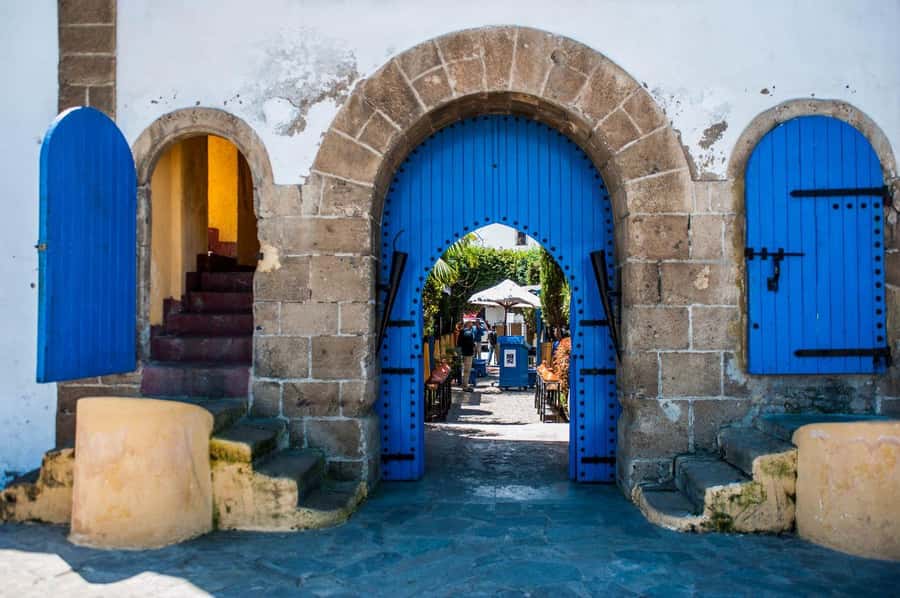
The route includes a visit to a local food market, described as a lesser-known stop, followed by tea at a local bar or café. These are not grand attractions, and that is their value. They give you a look at the ordinary places where people buy food and pause for conversation.
A tea break is especially welcome after the medina and Habous Quarter. Moroccan mint tea is more than a drink, and your guide can explain the custom as you sit. Coffee is also available according to the tour details.
The food market may be more interesting to curious eaters than to anyone seeking polished surroundings. You might find strong smells, tight spaces, and a quick pace of activity. The tour is designed to show local life, not to provide a formal tasting menu.
Some past departures also included extra help with meals after the scheduled route. Guides took individuals to a local restaurant, arranged a taxi back to a hotel, or explained how to walk from a drop-off point to United Nations Square. That kind of help is useful, especially if you are new to Casablanca, but it should be treated as personal assistance when time allows, not as a promised part of the four-hour program.
Al Aank Observation Deck and the Hassan II Mosque view
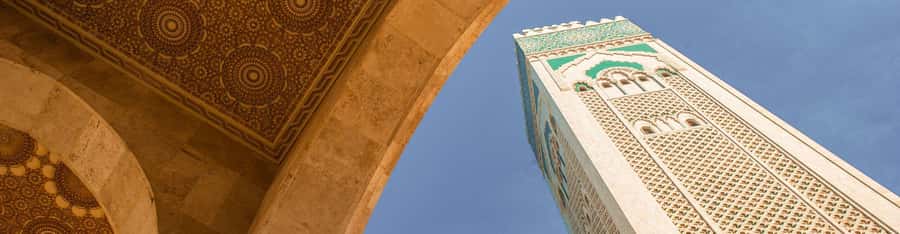
The final major stop is Al Aank Observation Deck. From here, you look toward the Hassan II Mosque and the Atlantic Ocean. The view gives the tour a strong finish and helps you place the city’s coastal districts in relation to one another.
This is a viewing stop, not a guaranteed interior visit to the mosque. Some guides have arranged mosque visits or photo stops when schedules allowed, including during Ramadan, but entry depends on timing and availability. Book a separate mosque visit if seeing the interior is essential to your plans.
The observation deck is also a practical final orientation point. You can leave the tour with a better sense of Casablanca’s scale, from the old city to the shoreline. The finish point is listed at J86X+4PJ in Casablanca, so confirm how you plan to continue from there.
The ending may not suit everyone. One past participant hoped for a finish at a rooftop restaurant, which would have added a longer meal and another view. This tour instead ends with a lookout and does not include lunch. If you want a full meal afterward, ask your guide for a nearby recommendation.
What the $53 price gets you
At $53 per person, this tour offers solid value if you want a broad first look at Casablanca. The price covers a four-hour guided route, an English-speaking guide, taxi transportation between key sights, olive tasting, a pastry tasting, café tea or coffee, and the Al Aank viewpoint.
The value comes from combining places that are awkward to connect on foot. A taxi between districts saves time and gives you access to the medina, Habous Quarter, Sacred Heart Cathedral, central squares, and the coast in one morning or afternoon.
You are not paying for a full-day private car, a mosque admission, or a substantial meal. Extra pastries, food, and drinks cost more, and the route moves too quickly for detailed shopping or long interior visits. Still, compared with arranging several short taxi trips and finding each district on your own, the guided structure can be worthwhile.
A private group is available, and the standard group is limited to 12 people. The smaller format is helpful in crowded lanes and makes it easier to ask for a little extra time at a bakery or photo stop. If you are alone during a quiet travel period, you might end up with a near-private experience, as happened on some departures.
Who will get the most from this tour
I would choose this for a first visit, a short stay, or a cruise stop when time is tight. It gives you enough context to decide which parts of Casablanca deserve a longer return visit.
It is also a good fit if you want local food, architecture, and street scenes in one outing. The guides have often been praised for explaining faith, football, city history, and everyday life, rather than sticking to dates and building names.
You should think twice if you dislike walking, taxis, markets, or changing surroundings. The tour is not a quiet museum route. Weather matters too, since much of the experience takes place outdoors, and the Sqala Tower and medina can feel uncomfortable in cold rain.
Wear comfortable shoes and dress for the weather. Modest, practical clothing is the safest choice for a tour that moves through religious, historic, and everyday public spaces.
Should you book the Casablanca Cultural Tour?
Book it if you want a friendly, efficient introduction to Casablanca that balances the old medina, French-Moroccan architecture, food, and ocean views. The guides are the real strength, with Mohammed, Aafif, Hicham, and Bennis Mohammed repeatedly noted for personal attention and extra help.
I would book with three expectations: the route is active, the schedule is compact, and the Hassan II Mosque is viewed rather than automatically toured inside. For a four-hour overview at $53, the combination of taxis, tastings, and guide-led context makes this a sensible choice. Cruise passengers should confirm the meeting point and allow time to reach Rick’s Café.
FAQ
How long does the Casablanca Cultural Tour last?
The tour lasts four hours. Starting times vary, so you need to check availability for the date you want.
Where does the tour start?
It starts in front of Rick’s Café at Place du Jardin public, 248 Bd Sour Jadid, Casablanca 20250, Morocco.
Is transportation included?
Yes. Taxi transportation between key sites is included, along with a guided walking tour.
Is the Hassan II Mosque included?
The tour includes views of the Hassan II Mosque from Al Aank Observation Deck. Entry inside the mosque is not listed as a standard inclusion, although guides have sometimes helped arrange a visit when timing allowed.
What food and drinks are included?
The experience includes a tasting of Moroccan olives, a pastry tasting at a local spot, and coffee or Moroccan mint tea at a local café. Additional pastries, food, and drinks are not included.
Can I book a private tour or request dietary accommodations?
Yes. A private group is available, and vegetarian or other dietary needs can be accommodated if you notify the operator in advance.
Just listed out of Casablanca
- Religious Casablanca: Private Spiritual Tour Including Hassan II Mosque Visit★ 5.0 · 33 reviews
- Private Day Trip to Rabat Departure from Casablanca★ 5.0 · 33 reviews
- Private Casablanca Market Tour and Cooking Class with Chamsi★ 5.0 · 33 reviews
- Sunset Camel Ride in the Palm Grove Of Marrakech★ 5.0 · 34 reviews
- Private Full-Day Tour in Casablanca with Pickup★ 5.0 · 34 reviews
- Casablanca: 6-Day Tour To Marrakech Via Chefchaouen & Desert★ 4.7 · 34 reviews
- 3 Days Chefchaouen and Fez from Casablanca Private Tour★ 5.0 · 34 reviews
- Casablanca Private Full-Day Highlights Tour★ 5.0 · 34 reviews
Casablanca Tours, compared.
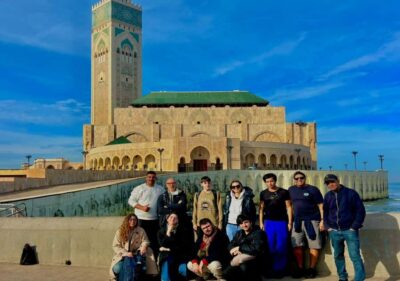
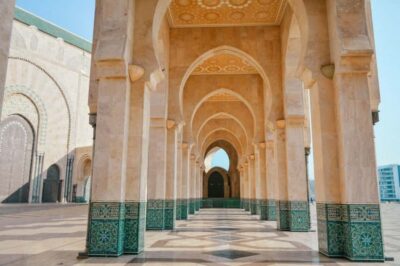
Hassan II Mosque Premium Tour with Entry Ticket
Read our review →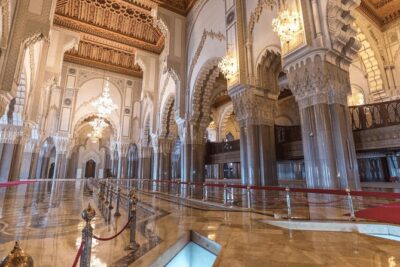
Casablanca City Tour with Hassan II mosque ticket
Read our review →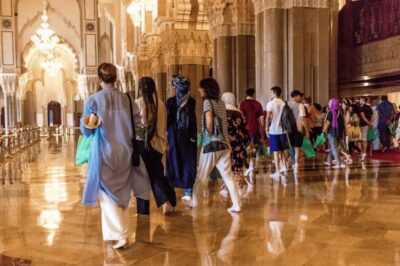
Private Tour of Casablanca with Hassan II Mosque Entry Ticket
Read our review →
Marrakech Day Trip with Camel Ride from Casablanca
Read our review →
Browse the lists this tour appears in