
Reviewed · MARRAKECH TOURS
Marrakech: Pottery Workshop
The best part of this four-hour Marrakech experience is that you do not just make a souvenir. You see how Moroccan pottery takes shape from raw clay soil to a finished, fired object, then try the work yourself on a traditional wheel. It is a practical look at a craft that is easy to admire in the souks and much harder to master.
I like the mix of wheel throwing and molding, since you learn two different methods instead of repeating one simple craft. I also like the unhurried tea break with Moroccan cakes and the craftsman, which gives the class a friendly local feel. The main caution is price: at $93 per person, it may feel high if you want only a short, casual craft activity.
Key points before you book
- Two Moroccan pottery methods: Try the traditional potter’s wheel and the molding technique.
- A full workshop view: Follow the process from clay preparation through firing and glazing.
- Patient, hands-on teaching: An experienced craftsman helps you shape and form your object.
- Tea and Moroccan cakes included: The midway break adds a welcome taste of local hospitality.
- Private group format: You get a more personal class rather than joining a large shared crowd.
- Easy central meeting point: Begin at the post office in Medina Jamaa el Fna Square.
From Jemaa el Fna to a working pottery studio
Your meeting point is the post office in Medina Jamaa el Fna Square, one of the easiest places in the Medina to locate. This matters in Marrakech, where a vague meeting point can turn the start of an activity into a hunt through narrow lanes.
From there, the experience takes you to a traditional pottery workshop near Marrakech. The supplied details do not specify the exact transfer method or travel time, so allow some flexibility around the four-hour activity window. The workshop setting is the important part, not a long sightseeing route.
This is a private group experience, which should suit you if you want direct help with your clay work. It also makes the activity a better fit for couples, families, or a small group of friends who prefer not to share a table with a large class.
English, French, and Arabic are offered. Some sessions have included Wiam, who provided fluent English translation, while Tariq has been praised as a patient tutor and artist. The exact staff member may vary, but you can expect instruction from an experienced craftsman with language support available in those three languages.
A few other Marrakesh days worth comparing
- Marrakech: Moroccan Cooking Class with Pickup
★ 4.6 · 1,862 reviews - Marrakech: Traditional Moroccan Cooking Class & Market Visit
★ 4.8 · 1,861 reviews - Marrakesh: Moroccan Dishes Cooking Class with a Local Chef
★ 5.0 · 1,615 reviews
Seeing the clay before you shape it
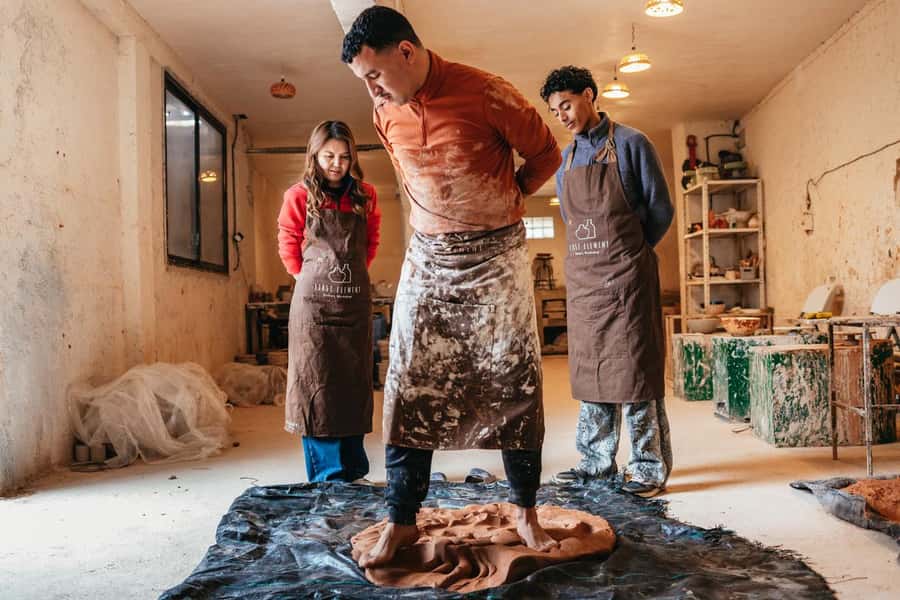
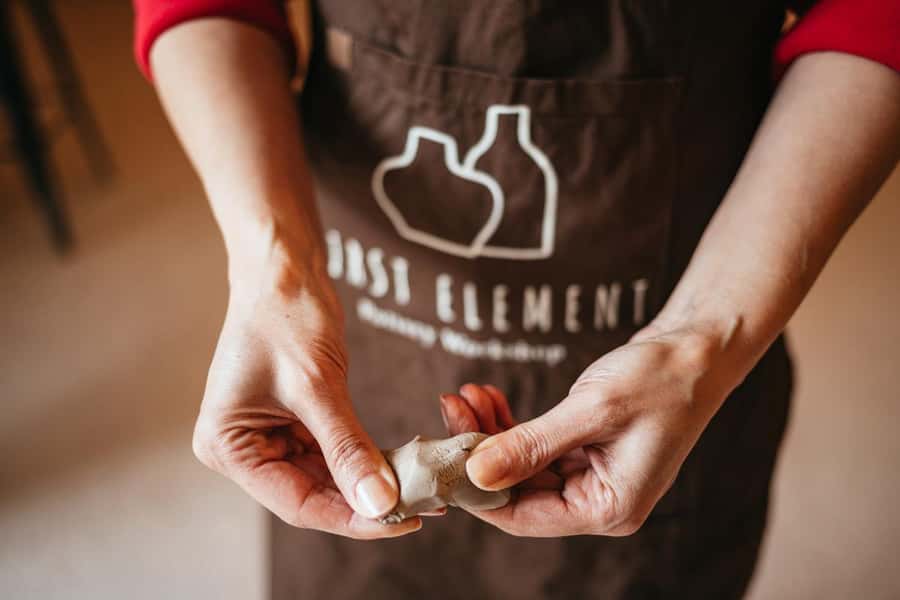
A good pottery class begins before the wheel turns. You first learn about the material itself and the early work needed to prepare clay for use. That may sound basic, but it changes the way you look at every tagine, bowl, jug, and tile in Morocco.
The workshop shows the organization of pottery production from the first clay preparation onward. You get a sense of how much work sits behind a finished piece, long before decoration or glazing begins. This is one of the strongest reasons to choose this activity over a quick souvenir-making session.
You will handle and shape clay soil under the craftsman’s direction. Expect to get messy, so comfortable clothing and shoes are essential. Avoid wearing anything you would worry about staining, especially if you plan to continue sightseeing afterward.
The teaching style appears to be patient and encouraging. That matters because pottery can be frustrating at first. Clay responds to pressure, speed, moisture, and balance, and a small mistake can quickly alter the form. The craftsman helps you understand the material through your hands, not just through explanation.
Learning the traditional potter’s wheel
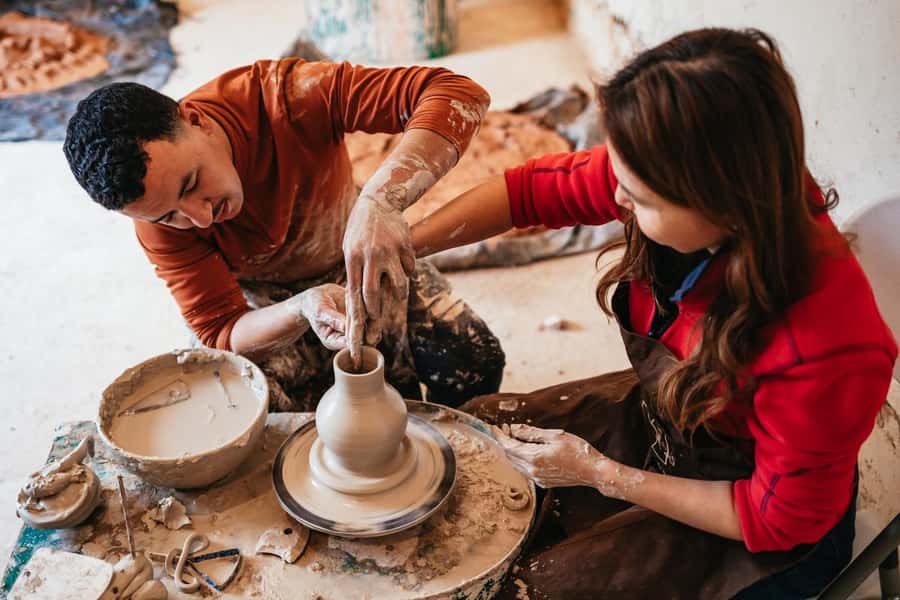
The wheel is the more recognizable of the two techniques. You place the clay on the turning wheel and learn to center it before opening and raising the form. The experience description specifically highlights the turning technique, so this is a central part of the class rather than a quick demonstration.
Do not expect to produce a perfect professional vessel on your first attempt. The value is in learning how the wheel works and feeling the clay respond as it turns. You may create an object with a slightly uneven rim or an individual shape, which is part of the charm of a hands-on workshop.
The craftsman guides the process and helps you correct the clay as you work. This direct support is especially useful if you have never used a traditional wheel. A calm instructor can keep the session enjoyable when the clay starts leaning, collapsing, or spreading too far.
Tariq is specifically identified as an excellent tutor and artist in the supplied feedback. If he leads your class, you can expect an instructor who combines practical skill with a patient manner. Other sessions may have a different craftsman, but the activity is designed around one-on-one help during the work.
The wheel portion is best for you if you enjoy learning by doing. It is less suitable if you want to sit back and watch a pottery demonstration with no mess or effort. This is a real working class, not a polished stage performance.
Trying molding, the second Moroccan technique
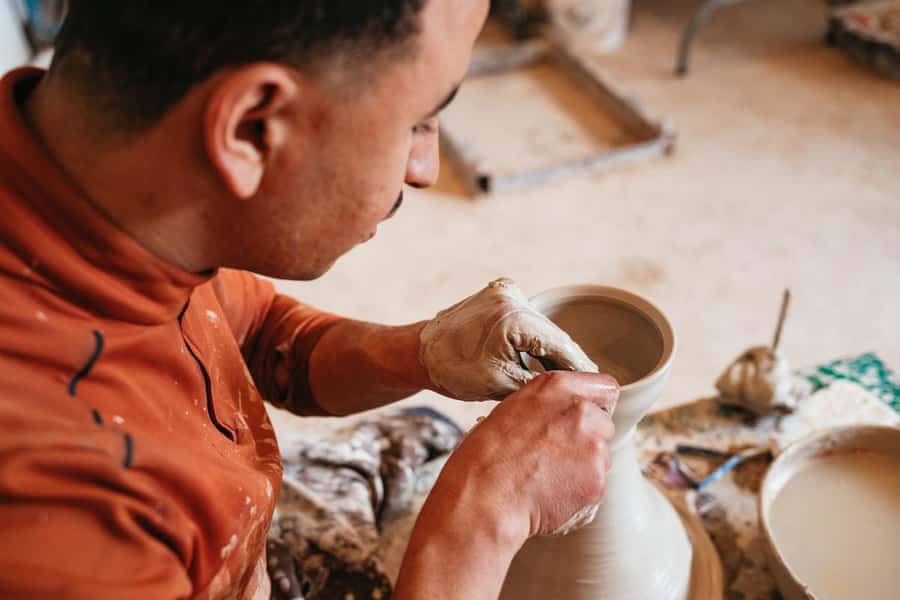
The class also introduces molding, a method that differs from wheel throwing. Instead of relying on the turning motion of the wheel, you form the clay with a mold and your hands. This gives you a useful comparison between a technique that depends on rotation and one based on shaping around a form.
The contrast is valuable. You see that Moroccan pottery is not made in one single way, and you can discover which method feels more natural to you. Some people enjoy the control and rhythm of the wheel. Others prefer molding because it feels less demanding at first.
The activity does not promise a particular finished object, so you should arrive ready to follow the material and the craftsman’s direction. Your piece may be modest, but the process gives you a better understanding of Moroccan ceramic work than simply buying a bowl in a shop.
This part also adds variety to the four-hour session. You are not fixed at the wheel for the entire class, and you get to compare two forms of making. For families or mixed-age groups, that variety can help keep the activity engaging.
Same city, a completely different day out:
- Marrakech: Agafay Desert Sunset, Camel Ride, and Dinner Show
★ 4.6 · 35,119 reviews - From Marrakech: Ouzoud Waterfalls Guided Hike and Boat Trip
★ 4.7 · 33,630 reviews - Marrakech: Agafay Desert Quad & Camel Rides with Dinner Show
★ 4.8 · 27,382 reviews - Marrakech: Agafay Desert Quad Biking Tour with Dinner-Show
★ 4.8 · 16,569 reviews
Following pottery from firing to glazing
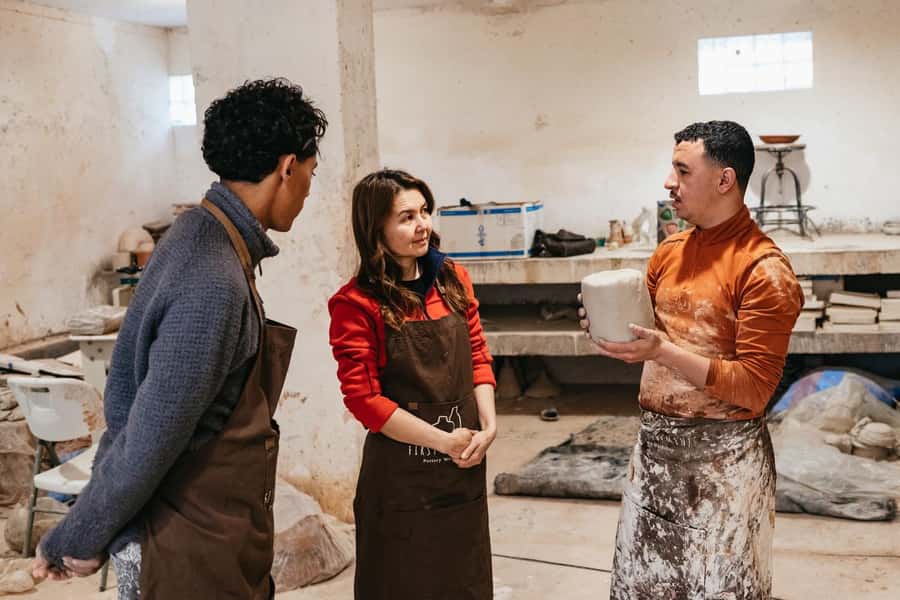
One of the most worthwhile features is the chance to observe the whole workshop process, including firing and glazing. The details do not promise that your own object will be fired and glazed during the four-hour visit, so do not book this expecting to leave with a fully finished piece in hand.
Instead, you see how the stages connect. Clay must be shaped, dried, fired, and then treated with glaze before it becomes the familiar finished pottery sold across Morocco. Watching those steps gives you useful context for the ceramics you see later in the Medina.
Firing is also a reminder that pottery requires patience. The class gives you the immediate satisfaction of touching and forming clay, while the later stages show why a finished object cannot appear instantly. If you want a same-day keepsake, confirm the arrangements before booking, since no collection or shipping details are provided.
The glazing stage is equally important for understanding appearance. Color, surface, and finish come after the basic form has been made. Even if you do not personally complete every stage, seeing the sequence helps you recognize the work behind Moroccan ceramic design.
A Moroccan tea break with pastries
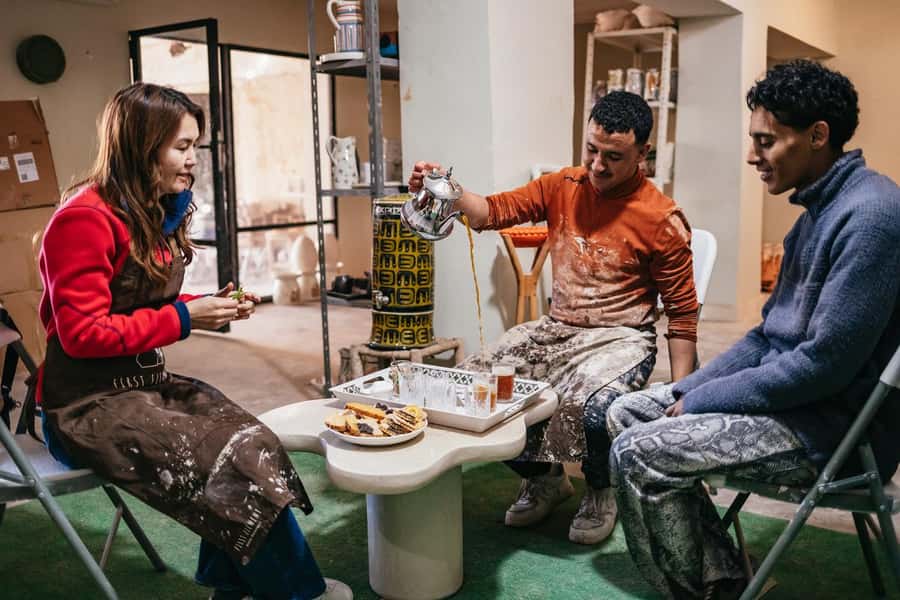
The midway break includes local herbal tea, Moroccan pastries, and water. This is not just a snack added to the booking. It gives you a pause after the hands-on work and a chance to spend time with the craftsman in a more relaxed setting.
Moroccan tea and cakes fit the workshop well. Pottery is social as well as technical, and a shared break makes the class feel less like a formal lesson. You can ask questions, compare your work, and take stock of what you have learned before returning to the clay.
The food is included in the $93 price, along with water and photography. The available information does not specify the exact pastries or the type of herbal tea, so do not book this expecting a particular menu. Think of it as a modest local refreshment rather than a separate food tour.
If you have food allergies or dietary restrictions, ask about the pastries before eating them. No allergy information is provided, so you should not assume they suit every diet.
Is $93 a fair price for four hours?
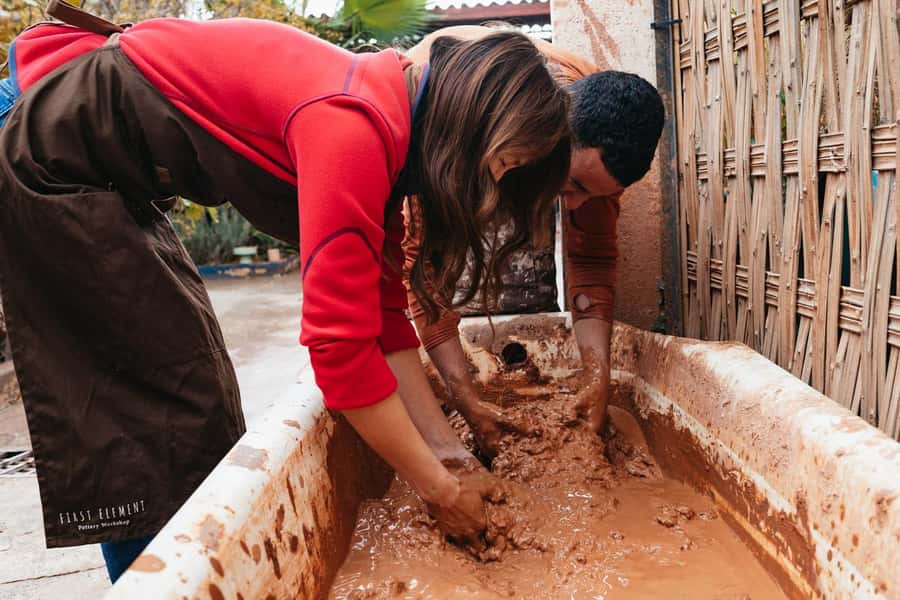
At $93 per person, this is not the cheapest craft activity in Marrakech. The price makes more sense if you value a private group, a four-hour session, instruction from an experienced craftsman, the chance to try two techniques, and a look at the full pottery process.
You are paying for time and access, not only for clay. The class includes the teaching, the workshop setting, the tea break, Moroccan cakes, water, and photography. If your main goal is to buy inexpensive ceramics, spend the money in the souks instead. If you want to understand how those ceramics are made and take part in the process, the comparison is more favorable.
The value also depends on your expectations. A confident craft hobbyist may find the class too introductory, especially if they already know wheel throwing. A first-time potter is likely to get more from the patient instruction and the chance to compare wheel work with molding.
One piece of direct feedback called the activity fun and informative but a little pricey. That is a fair way to view it. The workshop offers more than a brief demonstration, but $93 is still a meaningful part of a Marrakech activity budget.
Who will enjoy this workshop most?
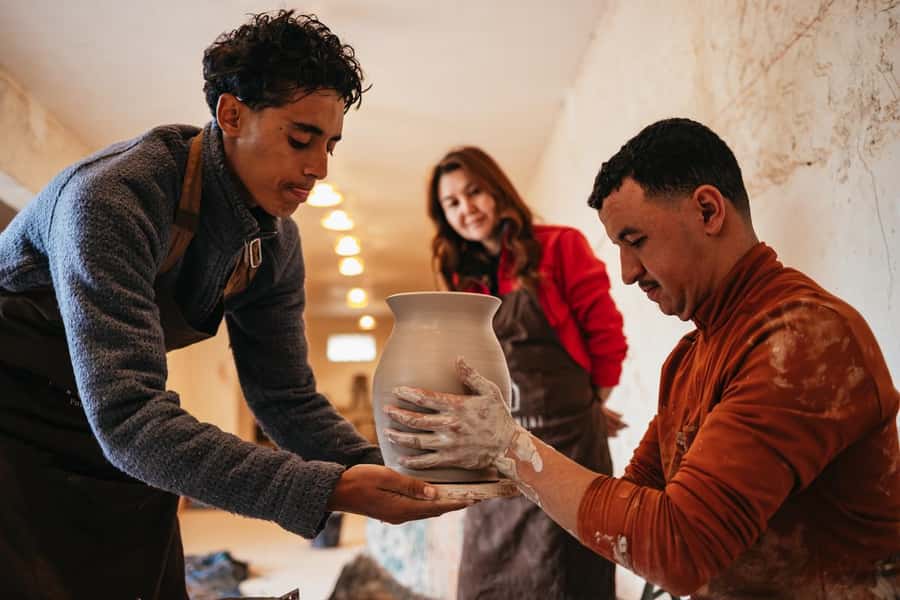
I would recommend this experience to you if you like making things, meeting local craftspeople, and learning through touch. It is a good break from palace visits, gardens, and guided walks, especially if you want an activity with a slower pace and a practical focus.
It suits:
- First-time pottery students
- Couples looking for a shared activity
- Families with an interest in crafts
- Small private groups
- Visitors who enjoy food and conversation alongside a class
- Anyone curious about Moroccan ceramics beyond the shop display
You should think twice if you dislike getting dirty, need a tightly timed schedule, or want a guaranteed finished souvenir by the end. The activity is built around learning and making, not fast production.
The language choice helps. English, French, and Arabic support means you have a reasonable chance of following the instruction clearly, though the exact level of translation may depend on who leads your session. Wiam has been specifically noted for fluent English translation, which is useful if the craftsman teaches mainly in another language.
Practical advice for a smoother class
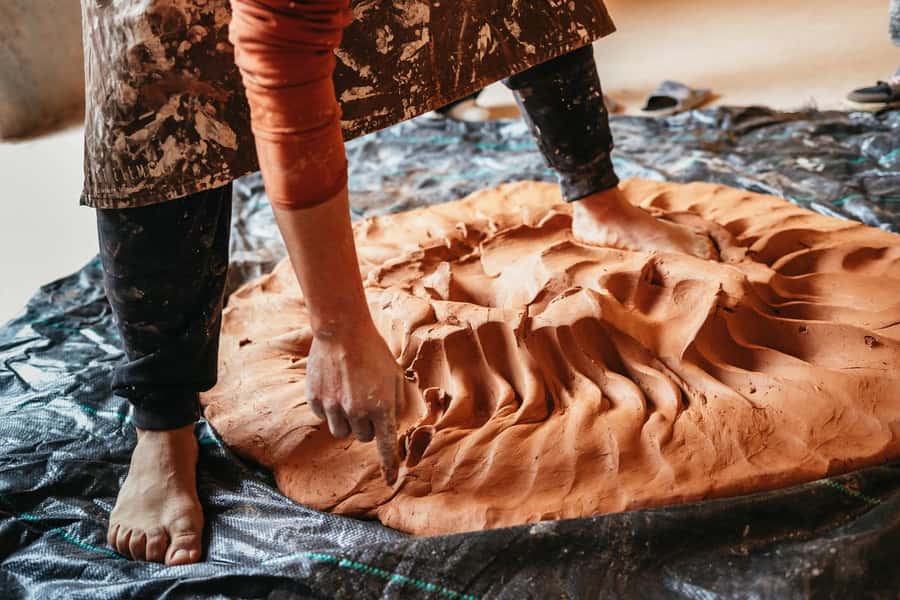
Wear comfortable clothes and shoes, as requested. Choose practical clothing rather than your best Medina outfit. Clay work can be messy, and you may want to wash your hands before returning to the city.
Keep the four-hour duration in mind when planning the rest of your day. Starting times vary, and the meeting is in the Medina at Jemaa el Fna. Do not schedule a tight lunch reservation, museum visit, or airport transfer immediately afterward.
The activity offers free cancellation up to 24 hours in advance for a full refund, and you can reserve now while paying later. That flexibility helps if your Marrakech plans are still changing. Availability and starting times should be checked before you commit.
Photography is included, but the details of what is photographed are not given. Bring your own phone or camera if you want personal pictures of the working process, the tea break, or your clay object.
The overall rating is 4.9 from 47 ratings, with especially strong praise for the tutor’s patience, humor, artistic ability, and kindness. That pattern is worth noting because pottery classes depend heavily on the instructor. Good tools help, but a calm teacher is what keeps a beginner from giving up after the first collapsed bowl.
Should you book the Marrakech pottery workshop?
Book it if you want an active, personal look at Moroccan craft and are happy to pay for a private four-hour lesson. The strongest reasons are the two shaping methods, the chance to see pottery from clay preparation through glazing, and the relaxed tea break with the craftsman.
Skip it if you want a cheap souvenir, a short demonstration, or a guaranteed finished pot to carry home. At $93, this needs to be more than a casual stop, and it is best approached as a craft lesson with cultural context.
For a first pottery experience in Marrakech, I think the balance is good. Wear clothes you can soil, leave room in your schedule, and judge the price against the time, private format, and quality of instruction rather than against the cost of a bowl in the souk.
FAQ
Where does the pottery workshop begin?
Meet at the post office in Medina Jamaa el Fna Square in Marrakech.
How long does the pottery activity last?
The workshop lasts four hours. Starting times vary, so check availability when booking.
What pottery techniques will I learn?
You will learn two shaping techniques used in Morocco: turning clay on a traditional potter’s wheel and molding clay.
Will I see how pottery is made from start to finish?
You will observe the workshop process from initial clay preparation through firing and glazing.
Is the workshop private?
Yes. The activity is offered for a private group.
Which languages are available?
Instruction or language support is available in English, French, and Arabic.
Are tea and food included?
Yes. The experience includes a tea break, Moroccan pastries, and water.
What should I wear?
Wear comfortable clothes and shoes. Clay work can be messy, so practical clothing is the sensible choice.
Can I cancel the booking?
Yes. You can cancel up to 24 hours in advance for a full refund. You can also reserve now and pay later.
Just listed out of Marrakesh
- Marrakech: Ouzoud Waterfalls Trip, Guide & Boat + Lunch★ 4.7 · 33 reviews
- Marrakech: Vibrant Dinner Show at The Lotus Club★ 3.9 · 33 reviews
- From Marrakech: Small Group To Essaouira & Medina Day Trip★ 4.3 · 33 reviews
- From Marrakech: 3-Day Merzouga and Sahara Desert Tour★ 4.5 · 33 reviews
- Marrakech: Private Souks Tour with Tea and Traditional Snack★ 4.6 · 33 reviews
- Marrakech: Medina Souks, Hidden Markets and Shopping Tour★ 4.8 · 33 reviews
- 2 Days Desert Agafay and Atlas Mountains Trek From Marrakech★ 3.8 · 33 reviews
- Agadir/Taghazout : Marrakech Guided Tour old Medina & Souks★ 3.7 · 34 reviews
Marrakech Tours, compared.

Agafay Desert Sunset, Camel Ride, and Dinner Show
Read our review →

Agafay Desert Quad & Camel Rides with Dinner Show
Read our review →
Agafay Desert Quad Biking Tour with Dinner-Show
Read our review →
Atlas Mountains, Ourika Valley, Waterfall & Lunch
Read our review →


Quad Bike Tour to Palm Oasis and Jbilat Desert
Read our review →Browse the lists this tour appears in