
Reviewed · MARRAKECH TOURS
Marrakech: Moroccan Pastries and Tea Class with a Local
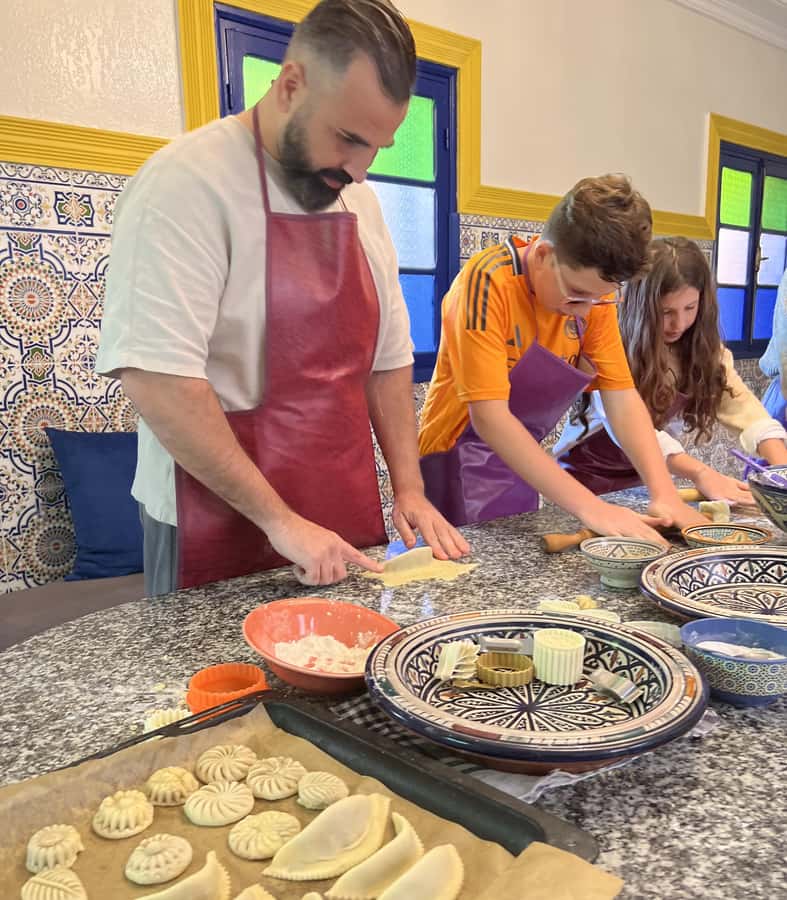
Moroccan pastry is all about small details: a pinch of fennel, a splash of orange blossom water, careful shaping, and the right amount of heat. In this 2.5-hour Marrakech class, you learn those tricks from a local chef, then sit down with fresh pastries and mint tea.
I like the hands-on format, since you are not simply watching a demonstration. I also like the generous finish: you taste what you make and take a box of pastries with you. The main consideration is that pastry work can be fiddly, especially if you have never baked before, and the exact workshop address arrives before the experience rather than appearing as a fixed public meeting point.
Key points to know before booking
- You make several Moroccan pastries: The class can include traditional treats such as fekkas and Kaab el Ghazal, with ingredients including fennel seeds and orange blossom water.
- The tea lesson is part of the experience: You learn to prepare Moroccan mint tea and practice the traditional pouring style.
- You leave with more than a tasting: A box of the pastries you make is included to take home.
- The group is capped at 10 people: A small class gives you a better chance to follow each step and ask for help.
- The session works well for families with older children: Participants under 18 need an adult, and children under 4 cannot join.
- Ask for the recipes before leaving: One participant specifically wished they had done this, so it is a useful end-of-class reminder.
Why this pastry class makes a good Marrakech break
Marrakech can be full-on. The souks demand attention, the streets can feel crowded, and a morning or afternoon of walking adds up quickly. This workshop gives you a quieter activity with a clear purpose: make something, eat it, and carry the rest away.
I like food classes that teach a skill you can use later. Here, you are introduced to the precise methods behind Moroccan pastries rather than simply sampling a plate. The chef explains the secrets that make the pastries different from ordinary biscuits or cookies, including the use of spices, floral water, and shaping techniques.
You also get a small window into Moroccan food customs. The pastries are not treated as random sweets. You learn a little about when they are eaten and why mint tea belongs beside them. That context helps the class feel like a cultural activity, not just a baking lesson.
The class lasts 150 minutes, which is long enough to work through several recipes without turning the session into an all-day commitment. I would place it between other Marrakech plans, especially on a day when you want a break from sightseeing.
A few other Marrakesh days worth comparing
- Tangier: Sunset, Tea, Sweets, Camel Ride, and Hercules Caves
★ 4.9 · 575 reviews - boat trip from 9 am to 3 pm fishing & swimming & barbecue & dessert
★ 4.0 · 36 reviews - Moroccan Crepes & Pastries Kitchen
★ 4.9 · 34 reviews
What you make with the local chef
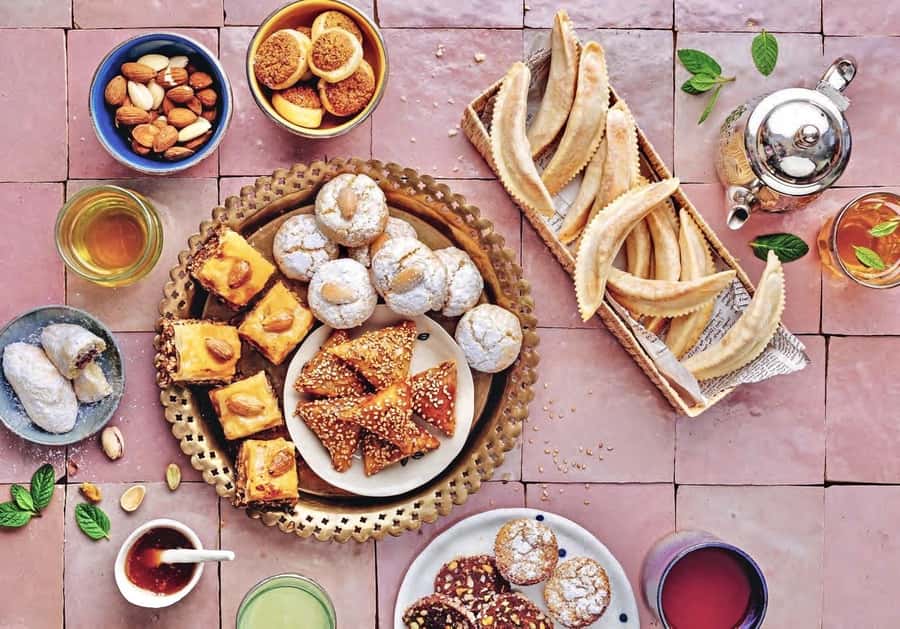
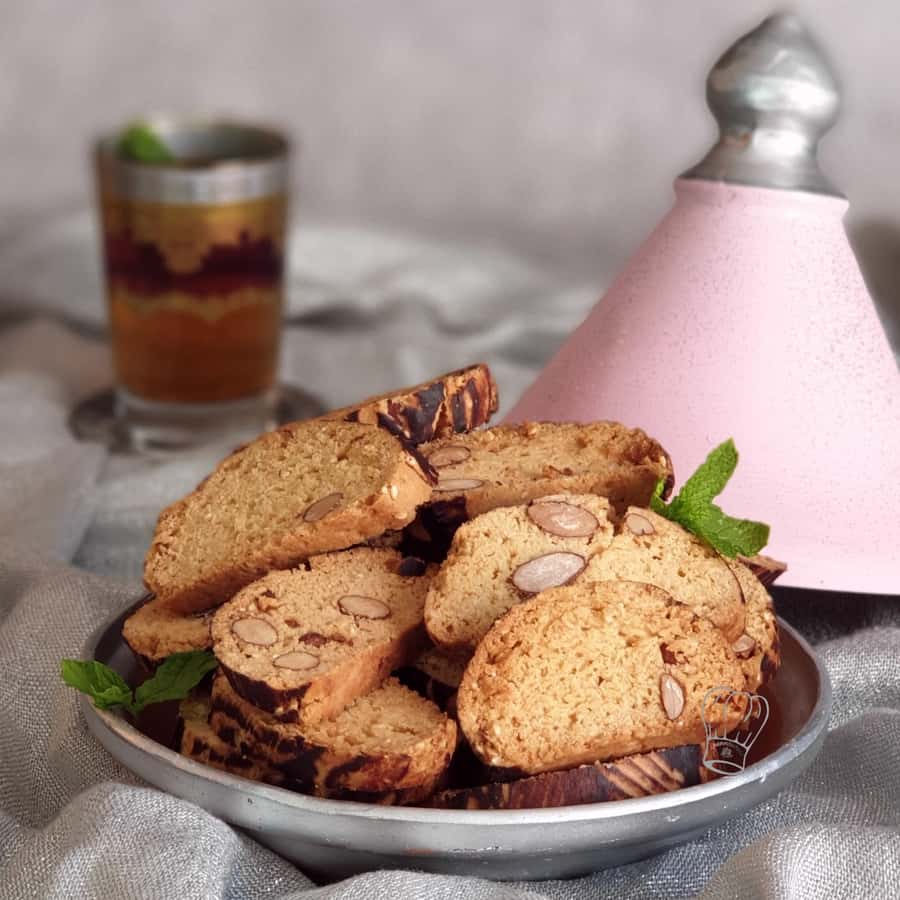
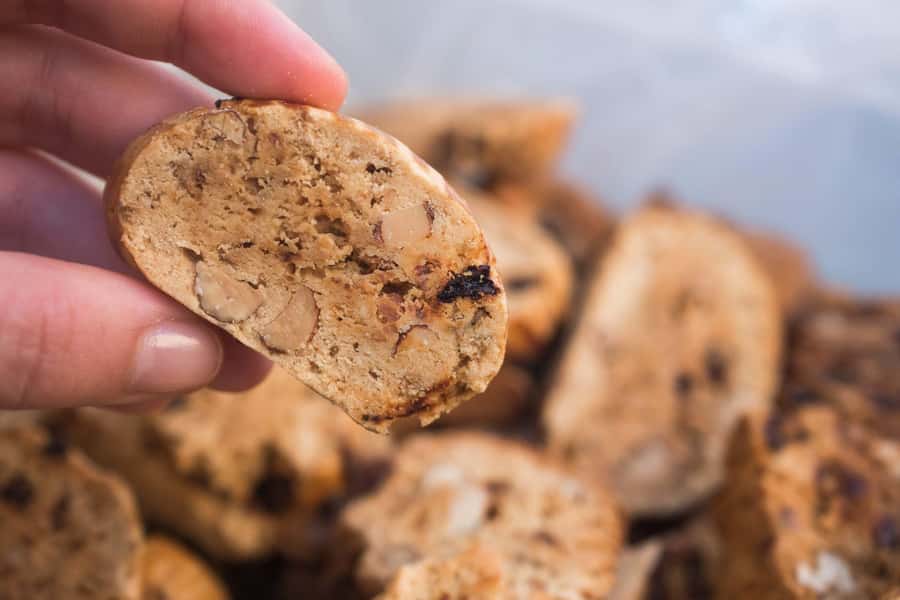
The exact pastry selection can vary, but the class includes Moroccan specialties such as fekkas and Kaab el Ghazal. Fekkas is a firm, twice-baked biscuit often associated with a dry, crisp texture. Kaab el Ghazal, sometimes translated as gazelle horns, is a shaped pastry known for its delicate appearance and almond-based filling.
You may also work with ingredients that give Moroccan baking its particular character. Fennel seeds bring a gentle anise note, while orange blossom water adds a floral aroma. These are the kinds of flavors that can seem unusual if you are used to standard European or North American baking, but the class gives you a way to understand how they fit together.
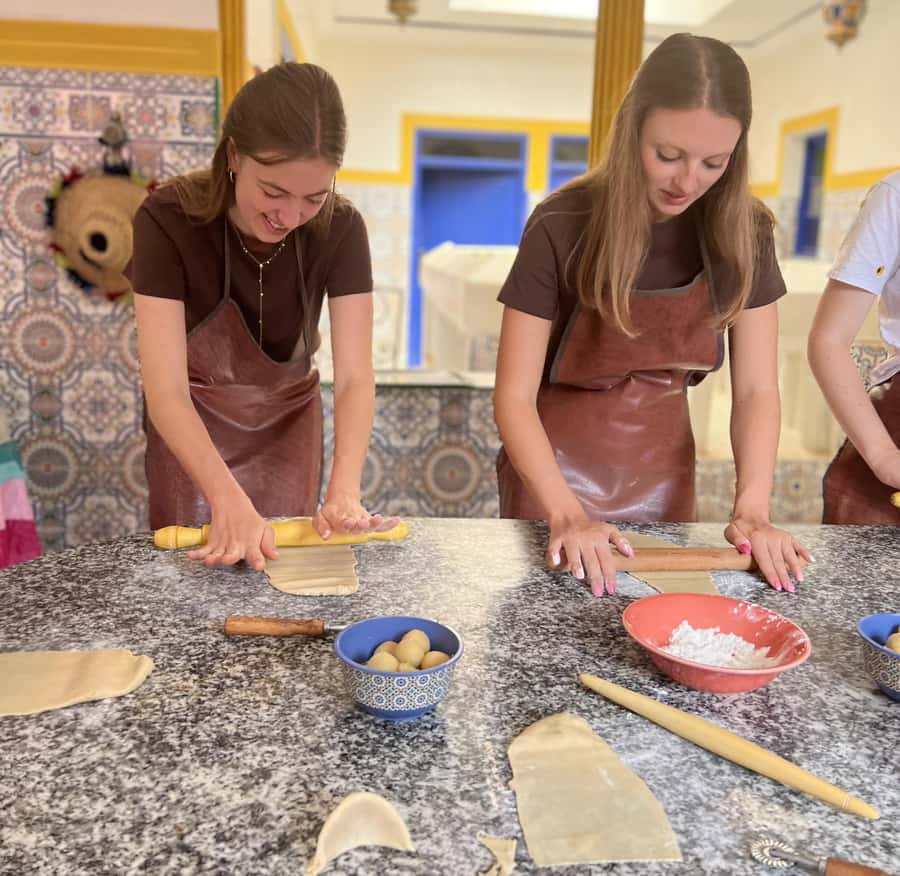
The work is described as simple but precise. That is an important distinction. You do not need advanced baking experience, but you do need to pay attention to quantities, dough texture, shaping, and baking time. One participant with no baking background found the format suitable, while another noted that the work could be hard but satisfying.
That mix is part of the appeal. You are learning a practical method, not pressing a button and waiting for an oven. If you already bake often, you may find the class fairly basic, although the Moroccan ingredients and pastry forms still offer something different from a standard cooking lesson.
The class step by step
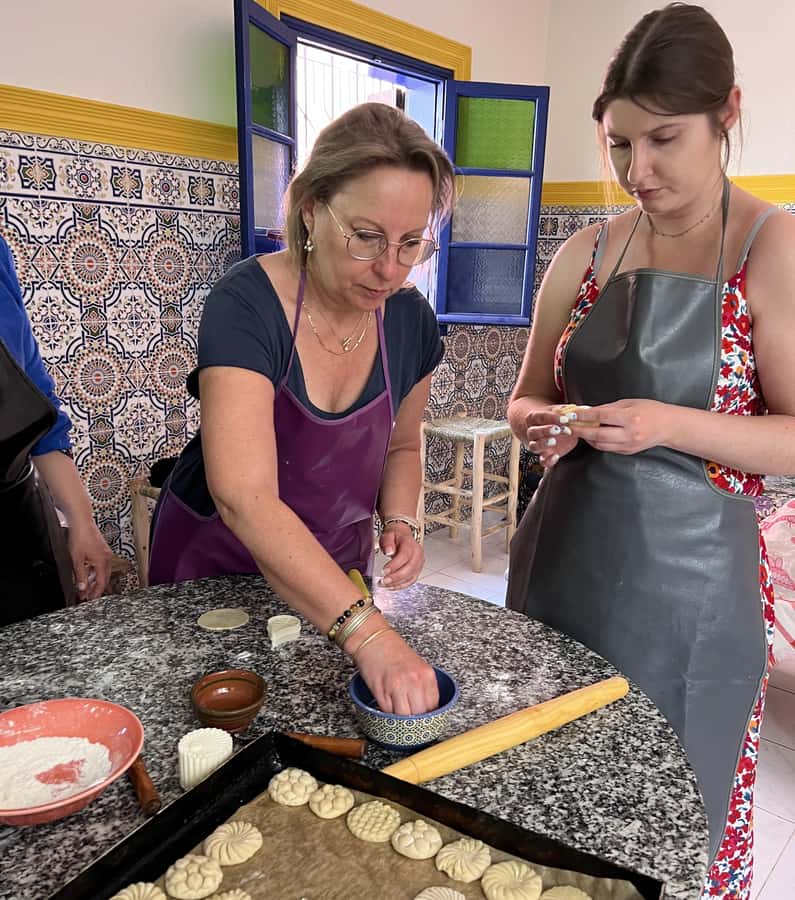
The session begins with instruction from the local chef and an introduction to the pastry process. Since the class is limited to 10 people, you should be able to see the demonstrations and work through the steps without being lost in a large crowd.
You then prepare the pastries with the supplied equipment and ingredients. The useful part is the chance to handle the dough and practice the shapes yourself. A demonstration can make pastry look easy, but your own hands quickly show where the tricky parts are.
Expect the pace to be lively but manageable. The class is designed for people with different levels of experience, including beginners. If you are unsure about a step, ask at once rather than waiting until the dough has already been shaped.
As the pastries bake, the focus shifts to Moroccan mint tea. This is not just a drink added at the end. You learn how to prepare it and how to pour it, with each participant able to have a turn. The pouring is a particularly nice touch for families, since it gives younger participants something active to do while the pastries finish.
At the end, you taste the fresh pastries with mint tea. The remainder goes into a box for you to take home. That gives the class a useful second life: you can enjoy the results later, share them with friends, or use them as an edible reminder of Marrakech.
The mint tea lesson is more than a refreshment
Moroccan mint tea is closely tied to hospitality, and learning to prepare it adds meaning to the pastry portion. You are not simply handed a glass of tea beside your food. You take part in making it and practice the serving ritual.
The tea also provides a natural pause after the baking work. You can sit down, taste the pastries while they are fresh, and compare the results with the group. It turns the final part of the class into a shared meal rather than a quick handoff of baked goods.
I would not book this experience if you want a serious tea seminar with a long lecture on every detail. The information is practical and connected to the pastry class. For most people, that balance is better, since the workshop stays focused and does not become too formal.
Same city, a completely different day out:
- Marrakech: Agafay Desert Sunset, Camel Ride, and Dinner Show
★ 4.6 · 35,119 reviews - From Marrakech: Ouzoud Waterfalls Guided Hike and Boat Trip
★ 4.7 · 33,630 reviews - Marrakech: Agafay Desert Quad & Camel Rides with Dinner Show
★ 4.8 · 27,382 reviews - Marrakech: Agafay Desert Quad Biking Tour with Dinner-Show
★ 4.8 · 16,569 reviews
The value of the $40 price
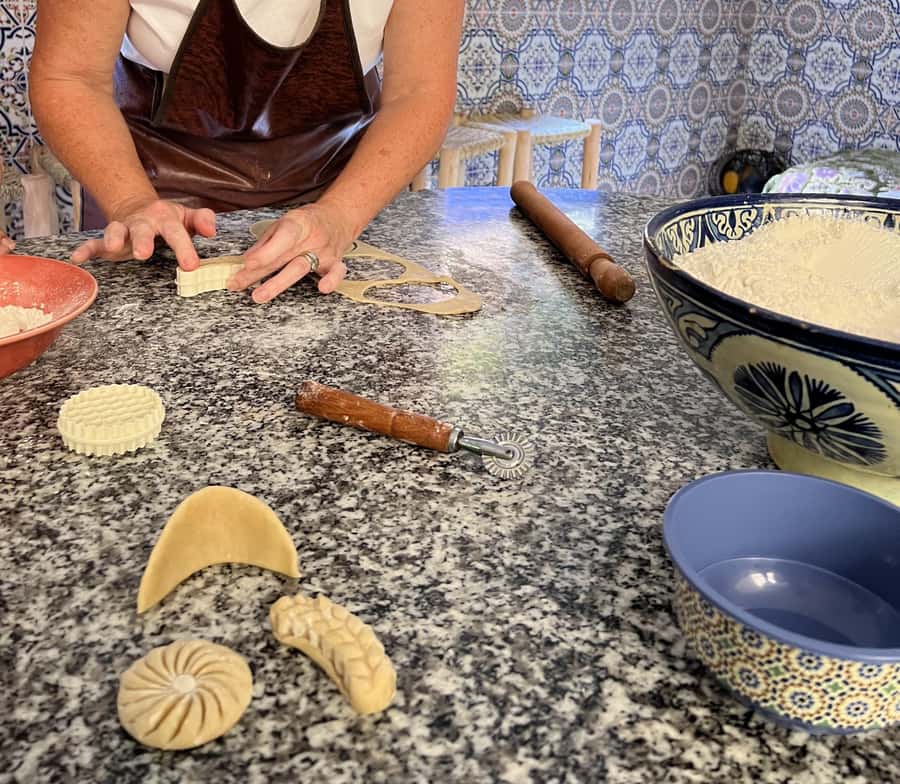
At $40 per person, the class offers more than a tasting stop. Your fee covers the pastry lesson, cooking equipment, the tasting session, mint tea, and a box of pastries to take home. You also receive 150 minutes of instruction and a small-group setting.
That makes the price reasonable for you if you value participation. A pastry snack in Marrakech would cost much less, but a snack would not teach you the techniques or send you home with a box you prepared yourself. The value is strongest for couples, families, and friends who want an activity rather than another restaurant meal.
The value is also good for a group of four. One family group of four ended up with a private session because nobody else had booked at that time. You should not count on a private class, but a small booking may sometimes create that possibility.
Additional food and drinks are not included, though the listed tasting with mint tea is included. Hotel pickup and drop-off are also not included, so you need to arrange your own way to the workshop.
Getting there and preparing for the session
The exact workshop location is sent before the experience date. Since there is no hotel transfer, allow extra time to reach the venue and confirm the address before leaving. One couple had trouble because their taxi was running late, but the guide helped direct the driver and helped them find the entrance.
I recommend keeping the address available on your phone and leaving a time cushion. A cooking class is not an ideal place to arrive breathless, especially when the opening instructions affect everything that follows.
Wear comfortable clothing suitable for cooking. You should also bring water. The class provides the necessary cooking equipment, so you do not need to bring baking tools.
Tell the operator about allergies in advance. That matters here because Moroccan pastries may include several distinctive ingredients, and the class is built around shared preparation. The provided information does not specify substitutions, so do not assume that every recipe can be altered on the day.
The instructors speak Arabic, French, and English. That language range should make the class accessible to many international visitors, though pastry demonstrations still benefit from watching closely and asking questions when needed.
Family suitability and group size
The class is a good choice for families with teenagers. Teenagers can take part in shaping pastries, learn the tea-pouring technique, and leave with something they made. One family particularly enjoyed the activity because it offered a change from the usual sightseeing routine.
Children under 4 cannot join, and anyone under 18 must be accompanied by an adult. That makes the class better suited to older children and teenagers than to preschool-age families.
The maximum group size is 10. That is small enough to keep the lesson personal without requiring you to book a private class. If you are a solo participant, you may meet other people during the work and tasting portion. If you prefer a completely private lesson, you should ask about that before booking rather than presume it is included.
What the experience does especially well
The strongest part of the workshop is its mix of instruction and reward. You learn the techniques, taste the results, and take home a box. Each part supports the next, so the class feels like one complete activity instead of a baking demonstration followed by an unrelated tea stop.
The local focus also matters. Moroccan pastries can look familiar at first glance, but the flavors and methods are different. Fennel seeds and orange blossom water give you a direct sense of how Moroccan cooks build flavor in sweets.
The atmosphere should suit you if you prefer friendly instruction over a stiff culinary school setting. The class has been described as lively and easy to follow, with welcoming staff and an instructor who demonstrates each step. A few photos may also be sent after the course, though you should not treat that as the main reason to book.
The main weakness is that the details of the exact pastry menu are not fixed in the information provided. Fekkas and Kaab el Ghazal have been made in the class, but you should ask what you will prepare on your date if a particular pastry is important to you.
You should also ask for the recipes before you leave. The class teaches you how to make the pastries, but printed recipes are not specifically promised. If you want to repeat the experience at home, take notes or request the instructions while everything is still fresh.
Who should book this Marrakech workshop
I would recommend this class to you if you enjoy food, prefer active sightseeing, or want a break from the souks. It is also a smart choice for families with teenagers, couples, and small groups of friends.
Beginners should feel comfortable booking. The lesson is designed to teach the basic techniques, and you do not need previous baking experience. You should still expect to work carefully. The pastries may be approachable, but shaping and handling them can take practice.
The class is less suitable if you want a fast activity with no waiting or hands-on work. Baking involves preparation, repetition, and time in the oven. You also may not love it if you have serious food allergies and need guaranteed ingredient changes, since substitutions are not described.
For your itinerary, I would schedule it on a day with space around it. The class itself lasts two and a half hours, and you need time to reach the workshop. It fits well as a planned morning or afternoon activity, not as something to squeeze between two tightly timed reservations.
Final verdict: book it for the skill and the box of pastries
You should book the Marrakech Moroccan Pastries and Tea Class if you want a friendly, practical food experience that gives you something to do and something to take away. The $40 price is fair because it includes instruction, equipment, tea, tasting, and a box of your own pastries.
I especially like the combination of Moroccan baking and tea preparation. You get local flavors, useful techniques, and a relaxed finish without giving up half a day. Just confirm the workshop address, report allergies early, wear cooking clothes, and ask for the recipes before you go.
If you only want to eat Moroccan sweets, visit a bakery or café. If you want to learn how the pastries are made and enjoy a hands-on break from Marrakech sightseeing, this class is the better choice.
FAQ
How long does the Moroccan pastry and tea class last?
The experience lasts 150 minutes, or two and a half hours.
How much does the class cost?
The price is $40 per person.
What is included in the experience?
The price includes the Moroccan pastry cooking class, cooking equipment, a tasting session with Moroccan mint tea, and a box of pastries to take home.
Is hotel pickup included?
No. Hotel pickup and drop-off are not included, so you need to arrange your own transportation to and from the workshop.
Where is the meeting point?
The exact workshop location is sent before the experience date.
Which languages does the instructor speak?
Instruction is available in Arabic, French, and English.
How many people can join the class?
The class is limited to 10 participants.
Can children join the workshop?
Children under 4 cannot participate. Anyone under 18 must be accompanied by an adult.
What should I bring and tell the operator?
Bring water and wear comfortable clothing suitable for cooking. You must provide allergy information in advance.
Just listed out of Marrakesh
- Marrakech: Ouzoud Waterfalls Trip, Guide & Boat + Lunch★ 4.7 · 33 reviews
- Marrakech: Vibrant Dinner Show at The Lotus Club★ 3.9 · 33 reviews
- From Marrakech: Small Group To Essaouira & Medina Day Trip★ 4.3 · 33 reviews
- From Marrakech: 3-Day Merzouga and Sahara Desert Tour★ 4.5 · 33 reviews
- Marrakech: Private Souks Tour with Tea and Traditional Snack★ 4.6 · 33 reviews
- Marrakech: Medina Souks, Hidden Markets and Shopping Tour★ 4.8 · 33 reviews
- 2 Days Desert Agafay and Atlas Mountains Trek From Marrakech★ 3.8 · 33 reviews
- Agadir/Taghazout : Marrakech Guided Tour old Medina & Souks★ 3.7 · 34 reviews
Marrakech Tours, compared.

Agafay Desert Sunset, Camel Ride, and Dinner Show
Read our review →

Agafay Desert Quad & Camel Rides with Dinner Show
Read our review →
Agafay Desert Quad Biking Tour with Dinner-Show
Read our review →
Atlas Mountains, Ourika Valley, Waterfall & Lunch
Read our review →


Quad Bike Tour to Palm Oasis and Jbilat Desert
Read our review →Browse the lists this tour appears in