
Reviewed · MARRAKECH TOURS
Marrakech: Bahia Palace, Saadian Tombs, Souk and Medina Tour
Marrakech reveals itself best on foot, one tiled courtyard and twisting lane at a time. This four-hour tour links the city’s big sights with the everyday life of the Medina, giving you a useful first look at palaces, royal gates, old neighborhoods, markets, and street scenes that can be hard to piece together alone.
I like the way the route combines the beautiful Bahia Palace with the Saadian Tombs, then carries on through the Mellah and souks. I also like the practical help from guides such as Yassine, Mo, Ayoub, and Mouhssine, who explain local customs, answer questions, and help you find your bearings. The main catch is cost clarity: the $20 tour price does not include 200 MAD in monument tickets, and long lines or construction can affect what you see.
Key points to know before booking
- The route covers Marrakech’s essential old-city sights: Koutoubia, Bab Agnaou, the Kasbah, Saadian Tombs, Mellah, Bahia Palace, souks, and Medina lanes.
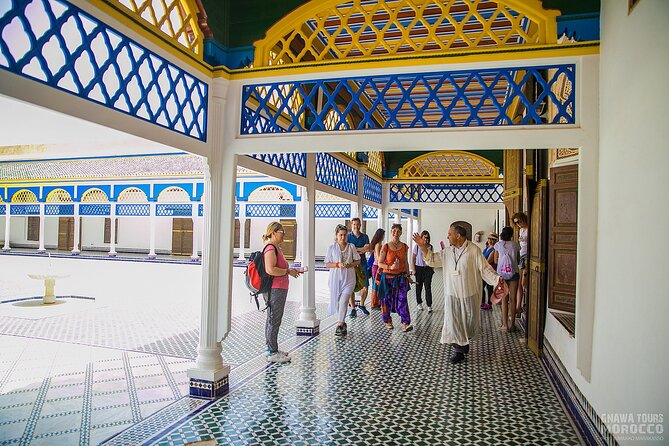
- Bahia Palace gets the longest formal visit: allow about 45 minutes for courtyards, tiles, painted ceilings, and cedar woodwork.
- The guide adds real value: guides including Yassine, Mo, Ayoub, Hassan, Ismail, and Mouhssine are praised for clear explanations, humor, safety help, and local advice.
- Tickets cost extra: Bahia Palace is 100 MAD per adult and the Saadian Tombs are another 100 MAD, payable in cash.
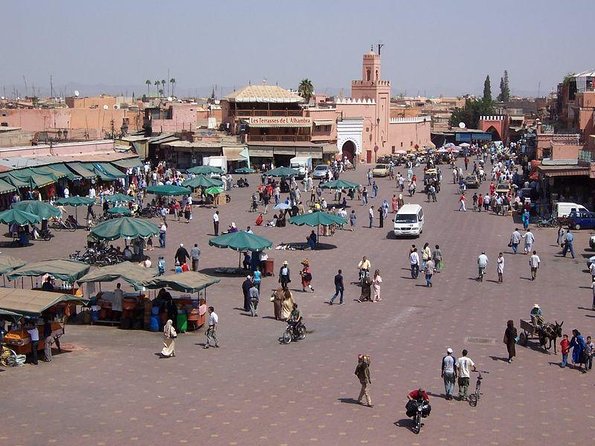
- The tour finishes at Café de France: this is useful for finding lunch or continuing around Jemaa el-Fna after the walk.
- Expect crowds and uneven walking: the activity is not suitable for people with mobility impairments, and the Saadian Tombs can develop a long indoor queue.
Why this four-hour route works for a first day
Marrakech’s old city is not difficult because the sights are far apart. It is difficult because the lanes turn without warning, signs can be sparse, and the souks operate at full volume. A guide gives the walk a clear shape.
You begin at a central meeting point, usually in front of Café de France on Jemaa el-Fna Square. If you choose the private option and stay in a riad inside the Medina, pickup at your riad reception is available. The provider sends the guide’s name and meeting details by WhatsApp before the tour, which helps, though the square itself can be crowded with guides and groups.
The route is planned for four hours, but it is not a brisk point-to-point march. You stop for explanations, photographs, monument visits, and some free time. The listed sightseeing times add up to roughly three hours, leaving room for walking between areas and small changes in pace.
I would book this early in your Marrakech stay. The guide can help you understand the city’s layout, explain which lanes lead where, and suggest places for lunch afterward. Several guides also give practical advice about where construction is affecting the route and how to handle the Medina.
A few other Marrakesh days worth comparing
- Marrakech: Ben Youssef, Secret Garden, & Souks Walking Tour
★ 4.6 · 2,802 reviews - Marrakech: Colorful Medina Souks Guided Walking Tour
★ 4.7 · 2,470 reviews - Marrakech: Saadian Tombs & Bahia Palace, Medina Guided Tour
★ 4.6 · 1,989 reviews
Koutoubia Mosque: a strong opening from outside
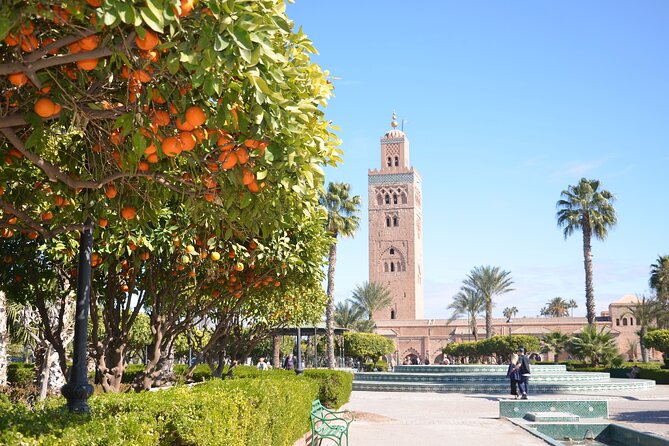
The tour begins with Koutoubia Mosque, Marrakech’s largest mosque and the city’s most familiar landmark. You see it from outside, since access is restricted to Muslims during prayer times.
The minaret is the key sight. Its simple, balanced Almohad design helped set the architectural tone for Marrakech, and its height makes it an easy reference point as you move around the city. Your guide uses this stop to explain the mosque’s place in Marrakech and Morocco, rather than treating it as a quick photo backdrop.
Plan on about 10 minutes here. That is enough for orientation and photographs, but not a full architectural visit. If entering a mosque is important to you, this tour will not provide that opportunity.
Bab Agnaou and the Kasbah’s royal past
From Koutoubia, you walk toward the Kasbah, a former fortified royal district. The streets become more residential and less dominated by the main square, so this section gives you a better feel for ordinary Medina life.
Bab Agnaou is viewed from outside. This 12th-century gate is one of Marrakech’s most striking surviving entrances, with carved stone decoration and a strong connection to the city’s royal quarter. Your guide explains its role and helps you notice details that are easy to miss when passing through on your own.
The gate stop lasts about 15 minutes, followed by another 15 minutes around the Kasbah. You will walk on narrow streets and may need to pause for scooters, pedestrians, and other groups. This is part of the real Medina experience, but it also means you should stay close to your guide.
Saadian Tombs: beautiful work, unpredictable queues
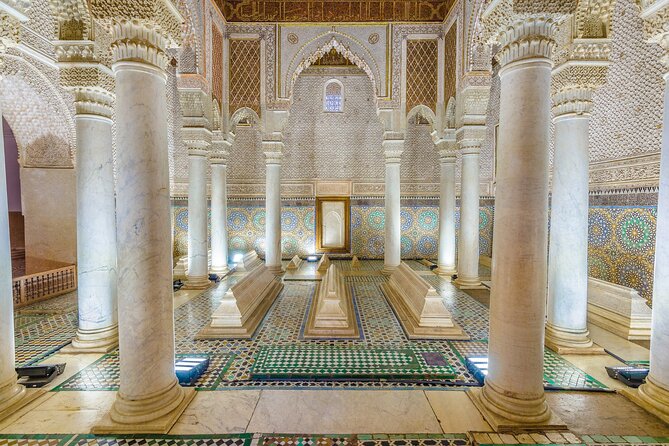
The Saadian Tombs are often the most delicate stop on the route. This burial site belonged to the Saadian dynasty and was sealed away for centuries before being found again in 1917. Inside, the decoration is compact but striking: zellij tilework, marble columns, and carved ceilings create a refined setting for the royal burials.
The planned visit is about 40 minutes. That gives you time to hear the background, examine the rooms, and take photographs. The site is not large, so the experience depends heavily on crowd levels.
This is where timing matters most. Even with help getting past the first ticket line, a queue can form inside, especially at the narrowest points. One private group was advised to start earlier to avoid losing an hour at the tombs. That is useful advice if your schedule is tight.
Construction can also affect the visit. At times, the tombs may be partly inaccessible or omitted from the route. One family was unable to enter because of construction work. I would treat this stop as a major possibility, not an absolute guarantee, and ask the provider about current conditions before you set your plans around it.
The entrance ticket costs 100 MAD per adult and is not included in the tour price. Bring cash.
Same city, a completely different day out:
- Marrakech: Agafay Desert Sunset, Camel Ride, and Dinner Show
★ 4.6 · 35,119 reviews - From Marrakech: Ouzoud Waterfalls Guided Hike and Boat Trip
★ 4.7 · 33,630 reviews - Marrakech: Agafay Desert Quad & Camel Rides with Dinner Show
★ 4.8 · 27,382 reviews - Marrakech: Agafay Desert Quad Biking Tour with Dinner-Show
★ 4.8 · 16,569 reviews
The Mellah: a quieter look at Marrakech’s past
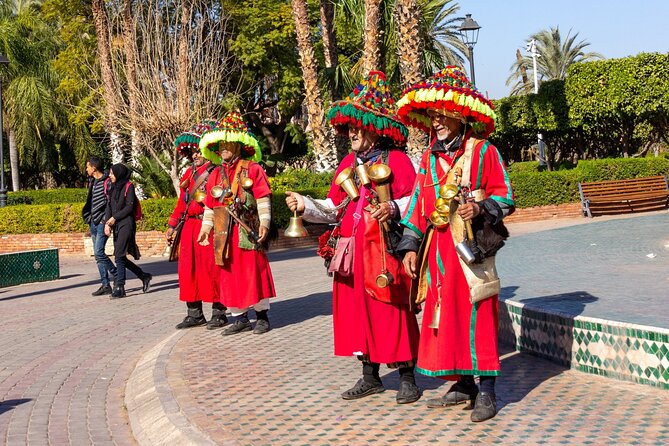
The former Jewish quarter, known as the Mellah, adds social context to a route otherwise dominated by palaces and royal monuments. The street plan and older buildings reflect the presence of a Jewish community that helped shape Marrakech’s commercial and cultural life.
The stop is planned for about 15 minutes, but the value comes from the guide’s explanation as you walk. You learn how this quarter fitted into the wider city and why Marrakech cannot be understood through royal history alone.
This is not a formal museum visit. You are reading the neighborhood through its streets, walls, and layout. I find that approach useful because it connects the historic story to a place where people still live and work.
Bahia Palace: the visual highlight
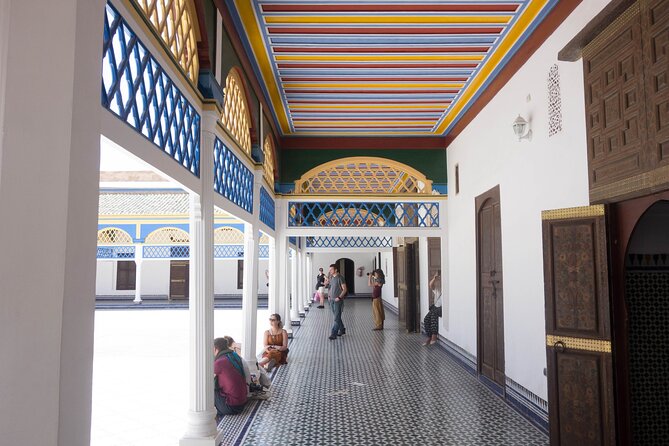
Bahia Palace is the tour’s longest monument visit, at about 45 minutes, and it is likely to be the day’s main visual reward. Built in the 19th century, the palace was designed to display Moroccan craftsmanship and the influence of its former residents.
Expect quiet courtyards, bright tilework, carved cedar ceilings, painted surfaces, and rooms arranged around open spaces. The palace is less about one grand hall than the cumulative effect of repeated detail. Look up as often as you look down. The ceiling work and geometric zellij patterns are easy to rush past if you focus only on the courtyards.
Your guide goes inside with you and explains the rooms before giving you time to explore and take photographs. That balance works well. You get the meaning behind the decoration, then space to enjoy it at your own speed.
Some sections may be under renovation. The palace also has steps, so anyone with limited mobility should ask specific questions before booking. The general activity information describes wheelchair access, but it also lists the experience as unsuitable for people with mobility impairments. That is an important inconsistency to clarify directly with the provider.
The Bahia Palace ticket is 100 MAD per adult, payable in cash. Add it to the advertised $20 when comparing the true cost.
Through the souks and into the Medina
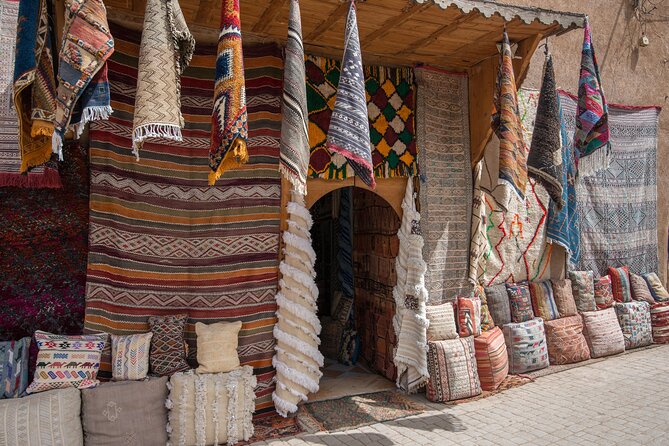
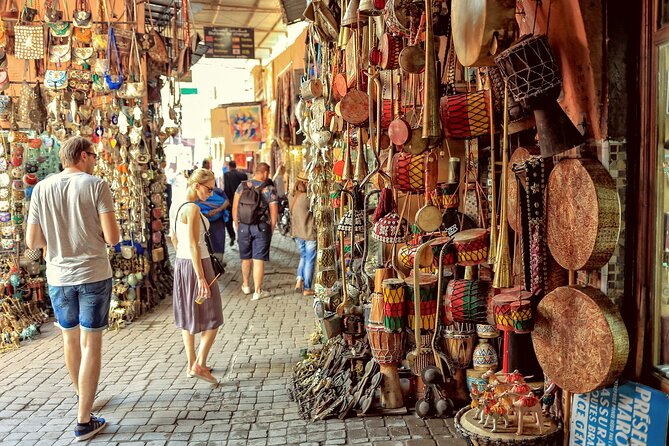
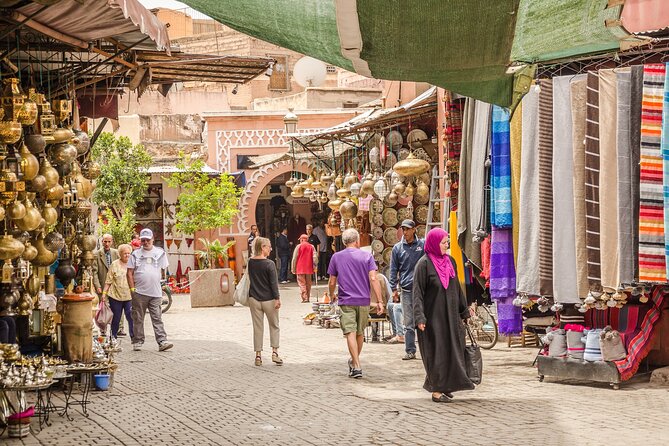
The souks are not one single market. They are a network of lanes where different trades and goods appear in changing clusters. You may pass spices, textiles, leather items, pottery, woodwork, and metalwork, with workshops tucked behind open-fronted stalls.
This part of the tour is less about ticking off monuments and more about learning how Marrakech works. Your guide helps explain what you are seeing, points out artisan techniques, and keeps the group together where the lanes become crowded.
You may also stop at an herbal or argan oil shop. These demonstrations can be interesting, especially if you want to learn about local products, soaps, and teas. They are also the part of the route that requires the most consumer caution. If you have allergies, tell the staff clearly and feel free to decline products or treatments. Prices at such shops can be much higher than those in ordinary local markets, so treat the visit as an explanation, not an obligation to buy.
The route then continues through the wider Medina, a UNESCO World Heritage Site. You will see small courtyards, workshops, homes, food stalls, and daily errands unfolding in the same maze used by shoppers and residents. The Medina portion is scheduled for about 40 minutes, though the exact pace depends on the group and the crowd.
What the guides add to the walk
The strongest reason to choose this experience over walking the same route with a map is the guide. The best guides on this program do more than repeat dates. They explain cultural details, adjust the pace, answer questions, and use humor to keep a mixed group together.
Yassine is frequently praised for making the history entertaining while still giving clear explanations. Mo is described as passionate, helpful, and good at photographs. Ayoub is noted for careful answers, language ability, and adapting the route to suit a private group. Mouhssine is valued for his friendly manner, local tips, and ability to make a first day in Marrakech feel less confusing.
Other named guides include Mustapha, Hassan, Ismail, Amid, Ahmad, Abdul, and Najim. The guide you receive depends on the date and option you book, so do not reserve this expecting one particular person. Still, the repeated pattern is useful: the experience depends strongly on having a good local escort, and this provider appears to put real weight on that part of the service.
There are two practical limits. In noisy streets, it can be hard to hear every explanation, particularly in a larger shared group. Bluetooth audio receivers are not listed as included. If hearing the commentary matters to you, choose the private option or stay close to the guide.
Also, the meeting point at Café de France can be confusing. The provider contacts you beforehand, but on the day, look for the guide’s name and confirm it rather than following the first person who approaches you.
Private or shared group?
The shared option keeps the advertised price low and works well if you want an introduction without committing to a private guide. It also gives you a chance to meet other people, though you will have less control over the pace.
A private group costs more, but the benefit is flexibility. Guides have adjusted the plan for groups with young children, changed the timing to beat queues, and tailored explanations to specific interests. If you are a family, have a fixed lunch booking, or care about photography time at Bahia Palace, the private option is easier to manage.
The walking itself is the same basic experience in both formats. You should wear comfortable shoes, carry water, and bring sunglasses and a sun hat. Cash is essential for the monument tickets and useful for any purchases or refreshments.
Is $20 good value?
At $20 per person, the guiding fee is attractive for a four-hour walk covering several major sights. You are paying for route planning, local explanation, help in crowded areas, and access to the guide inside the monuments.
The true expense is higher because the Bahia Palace and Saadian Tombs tickets are separate. At 100 MAD each per adult, you need another 200 MAD in cash if both sites are open and included. Transportation is also not included, though that matters less if you are already in the Medina.
The value is strongest during a first visit or a short stay. You can see the city’s key historic areas in one organized morning or afternoon, then return later to the places that interest you most. If you already know Marrakech well and prefer to wander alone, you may find the four-hour structure less useful.
The free cancellation period is up to 24 hours before departure, and you can reserve now and pay later. Starting times vary, so check availability. During Ramadan, the schedule changes, with morning tours starting at 9:30 instead of 10:00 and afternoon tours at 13:00 instead of 14:00 because monuments close earlier.
Where the tour ends and what to do next
The official finish is at Café de France in Jemaa el-Fna. This is a practical endpoint, not an isolated drop-off. You can use it to continue exploring the square, find lunch, or retrace a favorite section of the souks.
Several guides offer restaurant suggestions at the end. I would still ask for advice based on your budget and the kind of meal you want, rather than accepting the first recommendation automatically.
The tour leaves you with a useful mental map: Koutoubia and the main square, the Kasbah and Bab Agnaou, the tombs, Mellah, Bahia Palace, and the market lanes. That orientation is one of the experience’s quiet strengths. Marrakech becomes easier to handle once you know how the quarters connect.
Who should book this Marrakech walking tour?
I recommend it for first-time visitors, people with only a few days in Marrakech, and anyone who wants historical context rather than a self-guided stroll. It is also a good first-day activity because the guide can help you understand the Medina before you explore it alone.
Families can manage the route, though there are steps at Bahia Palace and crowded lanes. A private booking is the better choice if you have a baby, a tight dinner reservation, or a strong interest in one part of the city.
I would hesitate if you dislike crowds, sales stops, or walking on uneven streets. You should also reconsider if your mobility is limited, given the steps, narrow passages, possible queues, and conflicting accessibility information.
FAQ
How long does the Marrakech palace and Medina tour last?
The tour lasts four hours. The route includes guided stops at Koutoubia Mosque, Bab Agnaou, the Kasbah, Saadian Tombs, Mellah, Bahia Palace, and the Medina.
Where do I meet the guide?
The standard meeting point is in front of Café de France in Jemaa el-Fna Square. If you select the private option and stay in a riad inside the Medina, pickup at the riad reception is available.
Are Bahia Palace and Saadian Tombs tickets included?
No. Bahia Palace costs 100 MAD per adult and the Saadian Tombs cost 100 MAD per adult. You should bring cash to pay for them on site.
Can I enter Koutoubia Mosque?
No. Koutoubia Mosque is viewed from outside. Entry is restricted to Muslims during prayer times.
Is the tour available in English?
Yes. Live guiding is available in English, French, Spanish, and Italian.
Can I book a private tour?
Yes. A private group option is available. Shared small-group tours are also offered.
What happens if I need to cancel?
You can cancel up to 24 hours in advance for a full refund. The reserve-now, pay-later option lets you hold a place without paying at the time of booking.
Should you book it?
Book this tour if you want a well-paced introduction to Marrakech’s old city, especially on your first full day. The combination of Bahia Palace, Saadian Tombs, Mellah, Kasbah, souks, and Medina streets gives you far more context than wandering between monuments alone.
Just budget for the extra entrance fees, carry cash, expect crowds, and confirm the meeting details before you arrive. Choose private if you value flexibility or have mobility, family, or timing concerns. For $20 plus the monument tickets, this is a sensible way to get oriented, learn the city’s story, and leave the Medina ready to explore on your own.
Just listed out of Marrakesh
- Marrakech: Ouzoud Waterfalls Trip, Guide & Boat + Lunch★ 4.7 · 33 reviews
- Marrakech: Vibrant Dinner Show at The Lotus Club★ 3.9 · 33 reviews
- From Marrakech: Small Group To Essaouira & Medina Day Trip★ 4.3 · 33 reviews
- From Marrakech: 3-Day Merzouga and Sahara Desert Tour★ 4.5 · 33 reviews
- Marrakech: Private Souks Tour with Tea and Traditional Snack★ 4.6 · 33 reviews
- Marrakech: Medina Souks, Hidden Markets and Shopping Tour★ 4.8 · 33 reviews
- 2 Days Desert Agafay and Atlas Mountains Trek From Marrakech★ 3.8 · 33 reviews
- Agadir/Taghazout : Marrakech Guided Tour old Medina & Souks★ 3.7 · 34 reviews
Marrakech Tours, compared.

Agafay Desert Sunset, Camel Ride, and Dinner Show
Read our review →
Agafay Desert Quad & Camel Rides with Dinner Show
Read our review →
Agafay Desert Quad Biking Tour with Dinner-Show
Read our review →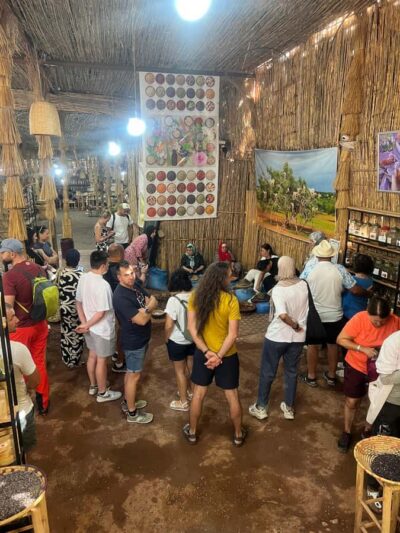
Atlas Mountains, Ourika Valley, Waterfall & Lunch
Read our review →

Quad Bike Tour to Palm Oasis and Jbilat Desert
Read our review →Browse the lists this tour appears in