
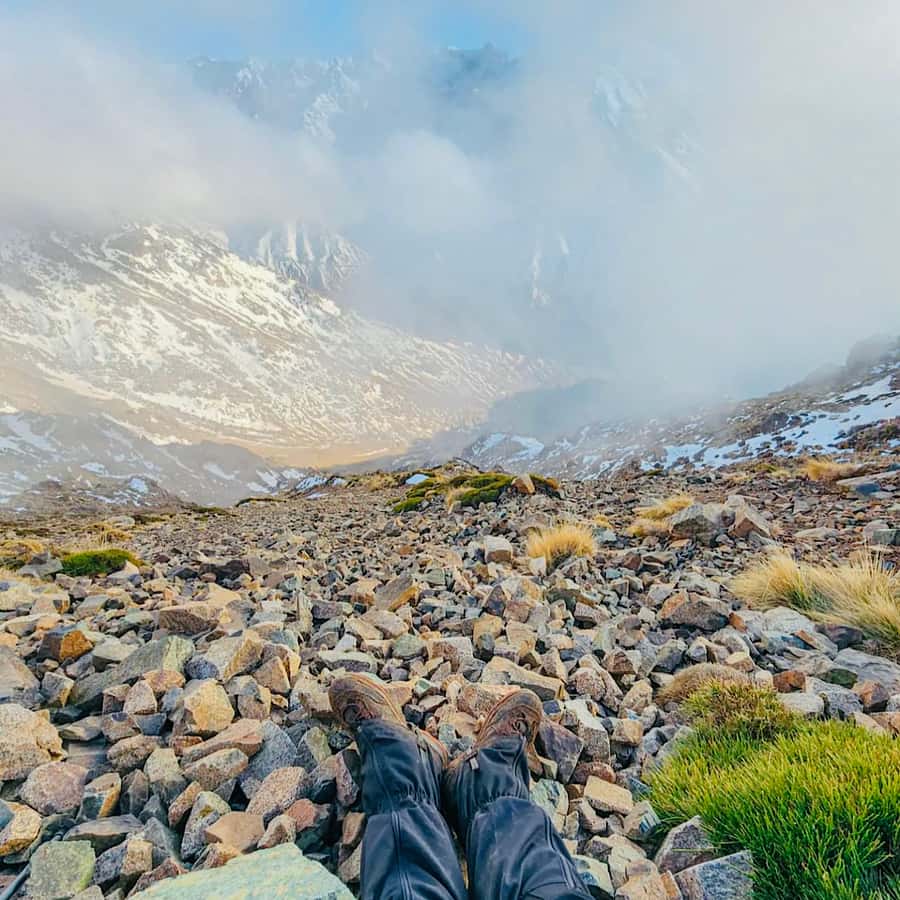
Reviewed · ATLAS MOUNTAINS DAY TRIPS
Marrakech: 3-Day Atlas Mountains Berber Villages Trek
The best part of this trek is not reaching a famous summit. It is walking from Berber village to Berber village, where stone houses, mountain paths, river valleys, and family guesthouses show you a quieter side of Morocco. I like the focus on everyday rural life, and I like that a mule carries extra luggage while your guide handles the route and local introductions. Guides such as Mohamed, Abdul, Hussein, and Mustapha have been praised for their care and English skills.
The main thing to consider is the basic accommodation. You sleep in family guesthouses or gites, not polished hotels, and the route can include steep ascents and descents. Snow or earthquake damage has also led to route changes, so you should check the weather and confirm the current path before setting out.
Key points to know before you book
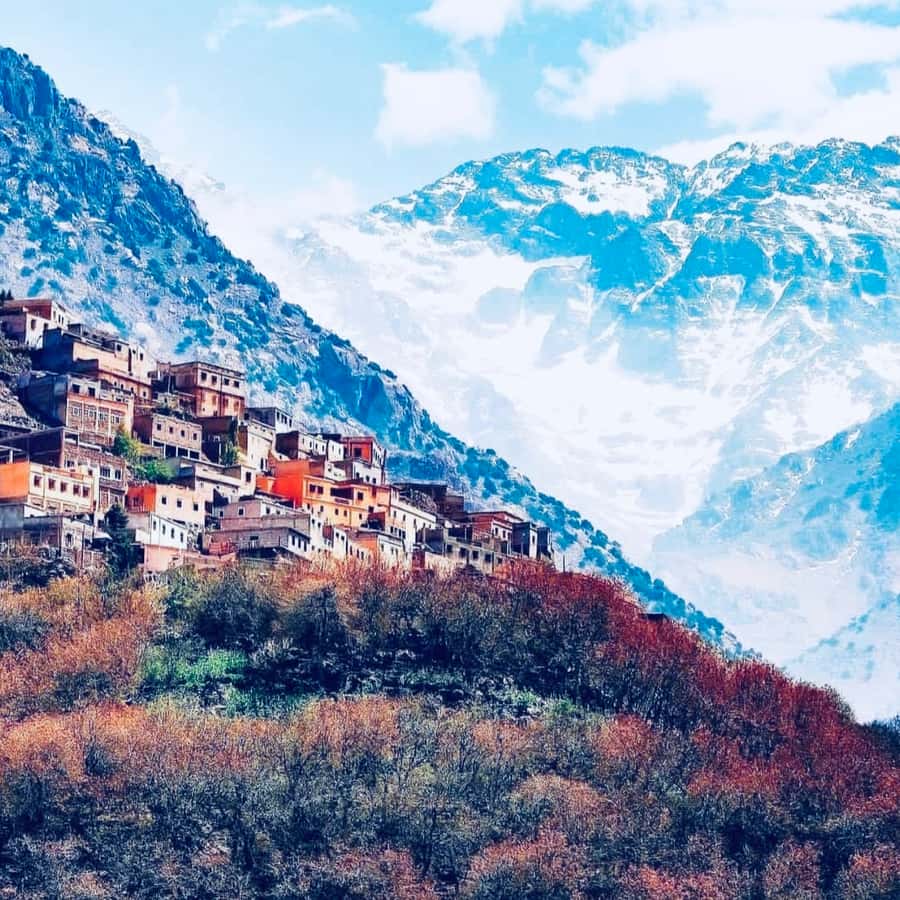
- Three Atlas valleys in three days: Walk through Tachdirt, Ikkis, Aguersiwal, Matat, Ait Aissa, and Tizi Oussem rather than stopping at one mountain viewpoint.
- A real village-based trek: The focus is Berber homes, local food, family guesthouses, and daily life, not technical climbing.
- A waterfall and two high passes: Reach Azib Tamsoulte waterfall and cross Tizi n’Tamaterte at about 2,300 meters and Mzik Pass at about 2,500 meters.
- A mule carries extra bags: You can leave behind what you do not need for the hike, while the mule transports luggage to the next accommodation.
- Meals are included: Breakfast, lunch, and dinner are provided during the three days, with Berber cooking forming a major part of the experience.
- Small-group format: Groups can reach 16 people, so this feels more social than a private walk but still smaller than a large coach excursion.
Why this Atlas trek feels different from a Toubkal climb
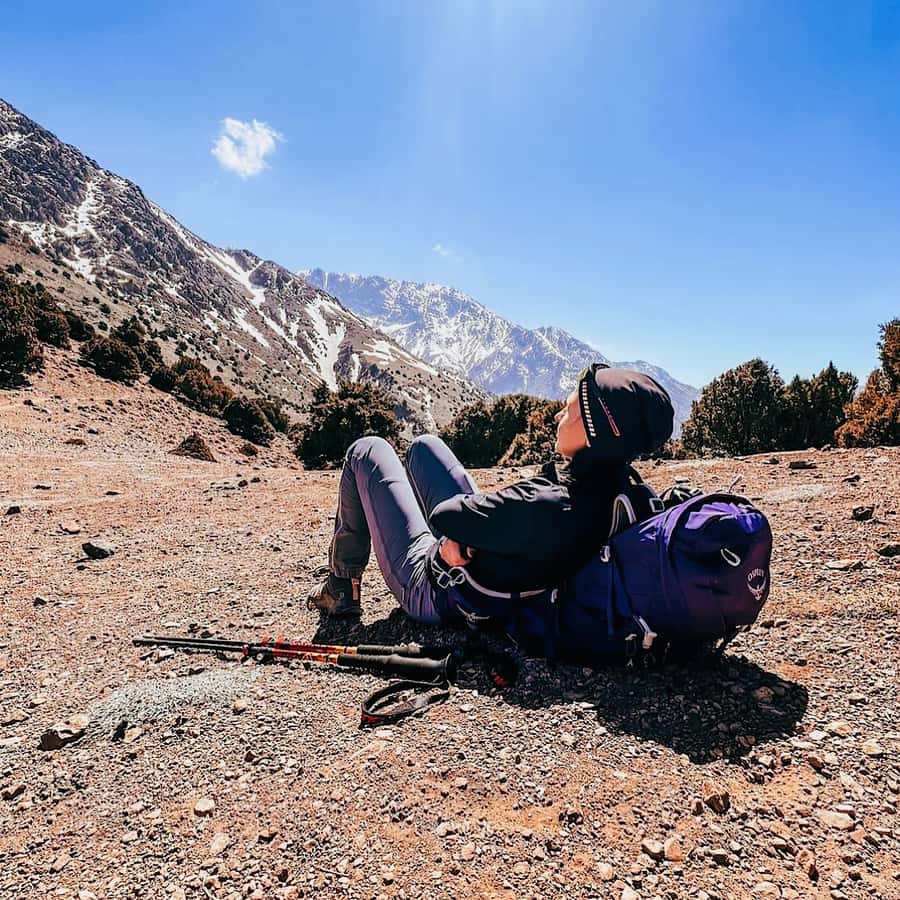
Many visitors come to the High Atlas with one goal: Mount Toubkal, North Africa’s highest peak. This trip takes another route. You avoid the summit push and spend more time on paths between villages, beside streams, and across mountain passes.
That makes the trek a good fit if you want mountain scenery without a mountaineering program. The walking is described as technically straightforward, and no previous mountaineering experience is required. Still, this is an active three-day hike. You need to be comfortable walking for about five to seven hours a day, including uphill and downhill stretches.
Most of the route sits around 2,000 meters, with higher crossings at roughly 2,200 to 2,500 meters. You will feel the climbs, especially on the approach to Mzik Pass, but the route is not presented as a technical climb. Good hiking shoes matter more than specialist equipment.
I also like the pace. Instead of rushing back to Marrakech after one viewpoint, you have time to watch the villages change as the path moves through the valleys. You can stop beside a river, eat lunch on a pass, and spend the evening in a local gite. That slower rhythm is the point.
More Hiking Tours in Marrakech
- From Marrakech: Ouzoud Waterfalls Guided Hike and Boat Trip
★ 4.7 · 33,630 reviews - From Marrakech: Atlas Mountains Full-Day Hiking Trip w Lunch
★ 4.8 · 7,417 reviews - Marrakech: Ourika Valley Trip with Waterfall Hike
★ 4.6 · 6,792 reviews
Day one: Imlil to Tizi n’Tamaterte and Tachdirt
The trek begins in Imlil, at about 1,740 meters. Hotel pickup from Marrakech is included, and the transfer brings you to the mountain starting point. If your riad sits in the Medina where cars cannot reach, the operator contacts you by WhatsApp or email about 24 hours before departure to arrange a meeting place.
Before walking, you can sort your bags. Anything you do not need can be left behind, while the mule carries the luggage needed for the overnight stays. This is a useful feature because carrying three days of clothes, toiletries, and a sleeping bag would make the passes much harder.
The first day takes about five to six hours. From Imlil, the path rises toward Tizi n’Tamaterte, at approximately 2,300 meters. The pass gives you the first major mountain views, with wide sights over the High Atlas and the plains beyond. Lunch is planned near the pass, so you can eat while taking a proper break rather than trying to fit a meal into a short roadside stop.
After the pass, the route continues toward Tachdirt, also referred to as Tamgist or Tinghourine in the itinerary. These names can be confusing, so it is worth asking your guide which village and guesthouse you are heading toward on the day.
The appeal here is the change in scenery and daily life. You are not simply walking through empty hills. The route links small communities, and the guide can explain village history and how local ways of life have changed. Mohamed has been specifically praised for giving this kind of context while remaining attentive to the group.
Your overnight stay is in a family guesthouse. Expect a clean but basic place, shared facilities, and a warm welcome rather than hotel-style service. Some people find this exactly right for a village trek. If you need private rooms, modern bathrooms, or dependable comforts, this may feel too simple.
Day two: Tachdirt, Aguersiwal, Matat, and Ait Aissa
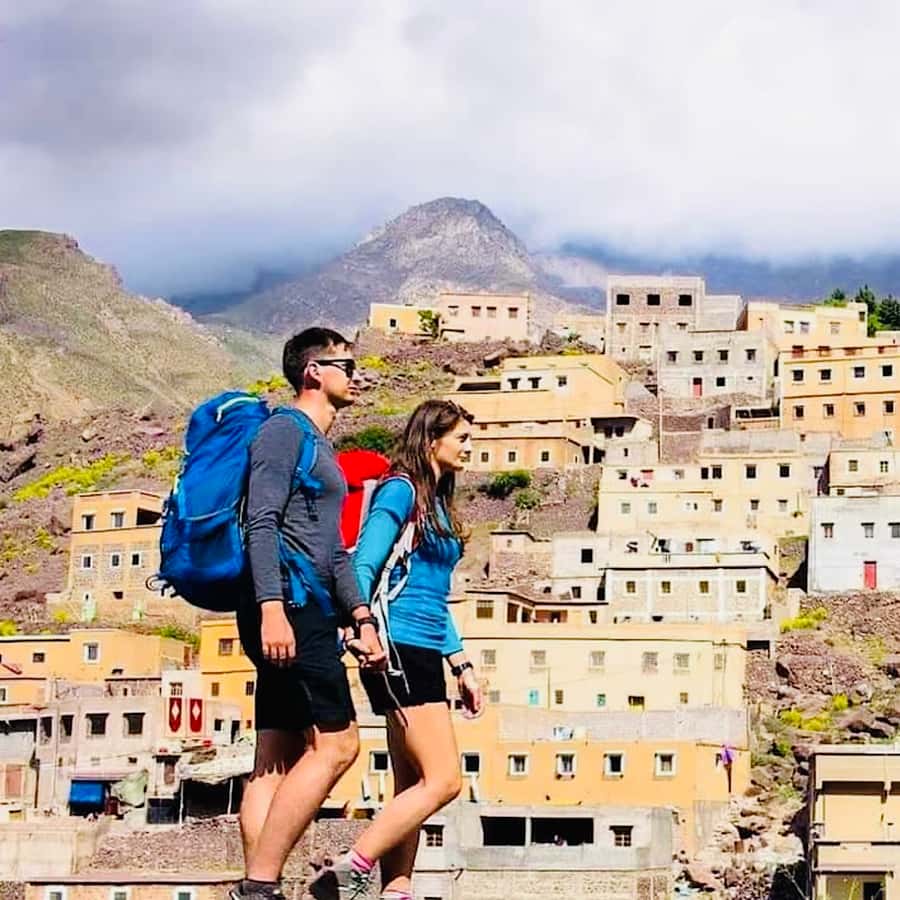
The second day is usually the longest, at about six to seven hours of walking. You leave Tinghourine or Tachdirt and continue through Ikkis, Aguersiwal, and Matat before reaching Ait Aissa.
This is the day that best shows why a multi-day route is worth choosing over a quick Atlas excursion. You move farther into the rural area and pass several villages instead of seeing the mountains only from one main road. The trail follows valleys and rises over the Oudit Pass, around 2,200 meters.
The walking has some effort in it. Expect uphill and downhill sections, but no technical climbing. The path can feel more demanding if the weather turns cold or snowy. One January departure had to be changed because of snow, and another route was adjusted after earthquake damage in the area. These changes are not automatically a problem, but you should accept that the published path may need to shift for safety and local conditions.
A guide makes a major difference on this day. The route connects villages and passes where a clear sense of direction matters. Abdul has been noted for his kind manner and good English, while Hussein has been praised for explaining Berber culture, village life, and the natural surroundings. Guides vary by departure, so do not assume you will receive a particular person, but the operator lists Arabic, French, Dutch, English, Spanish, and German support.
Ait Aissa provides the second overnight stop. There is a gite and the option of using a steam bath, or hammam. This can be a welcome way to relax after the longest walking day, though you should ask your guide about the current availability and any local arrangements.
Meals are included throughout the trek. Previous departures have received strong praise for the food, especially the cooking provided by guides or cooks such as Ibrahim. Do not expect a restaurant menu or much choice. You are eating the food prepared for the group, which is part of the appeal and part of the simple format.
Day three: Azib Tamsoulte waterfall and Mzik Pass
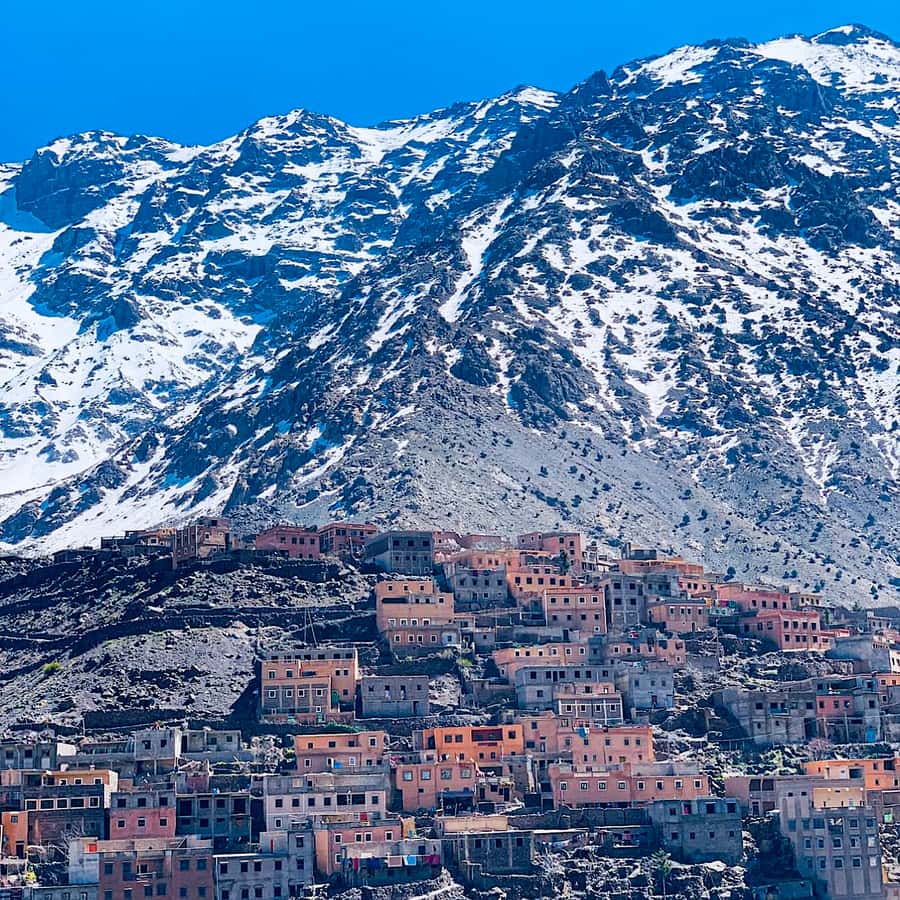
The final day takes about six hours and combines the trek’s biggest waterfall with its highest pass. From Ait Aissa or Tizi Oussem, you first walk toward Azib Tamsoulte, described as the biggest waterfall in Toubkal National Park.
The waterfall gives the day a clear reward before the final climb. Water levels and conditions can vary, and the route may be altered, but the stop adds variety after two days of village paths and passes. You then join the trail toward Mzik Pass, which rises to about 2,500 meters.
The climb to Mzik is likely to be the hardest section of the trek. It is not described as technically difficult, but the altitude and sustained uphill walking will test your legs. At the top, you get broad views over the Ait Mizan Valley. Take your time here. The pass is one of the best places to appreciate how far you have walked from Imlil.
Lunch comes in Mzik, followed by the descent to Imlil. Downhill paths can be just as tiring as uphill ones, especially if you are not used to mountain walking. Trekking poles are not listed as required, but many hikers find them useful on descents. Comfortable shoes are essential, and proper hiking shoes are a better choice than trainers.
Once you reach Imlil, the trek ends and you transfer back to Marrakech. The exact return time depends on the walking pace and road conditions, so avoid scheduling an important evening flight or fixed booking too close to the expected arrival.
A few other Marrakesh days worth comparing
- Marrakech: Atlas Mountains, Ourika Valley, Waterfall & Lunch
★ 4.8 · 15,834 reviews - From Marrakech: Atlas Mountains Day Trip with Camel Ride
★ 4.8 · 4,709 reviews - Marrakesh: Ourika Valley & Atlas Mountains, Day Trip + Lunch
★ 4.9 · 1,865 reviews - Marrakech: Atlas Mountains, Camel Ride, Waterfalls, & Lunch
★ 4.9 · 1,351 reviews
Family guesthouses, food, and the mule service
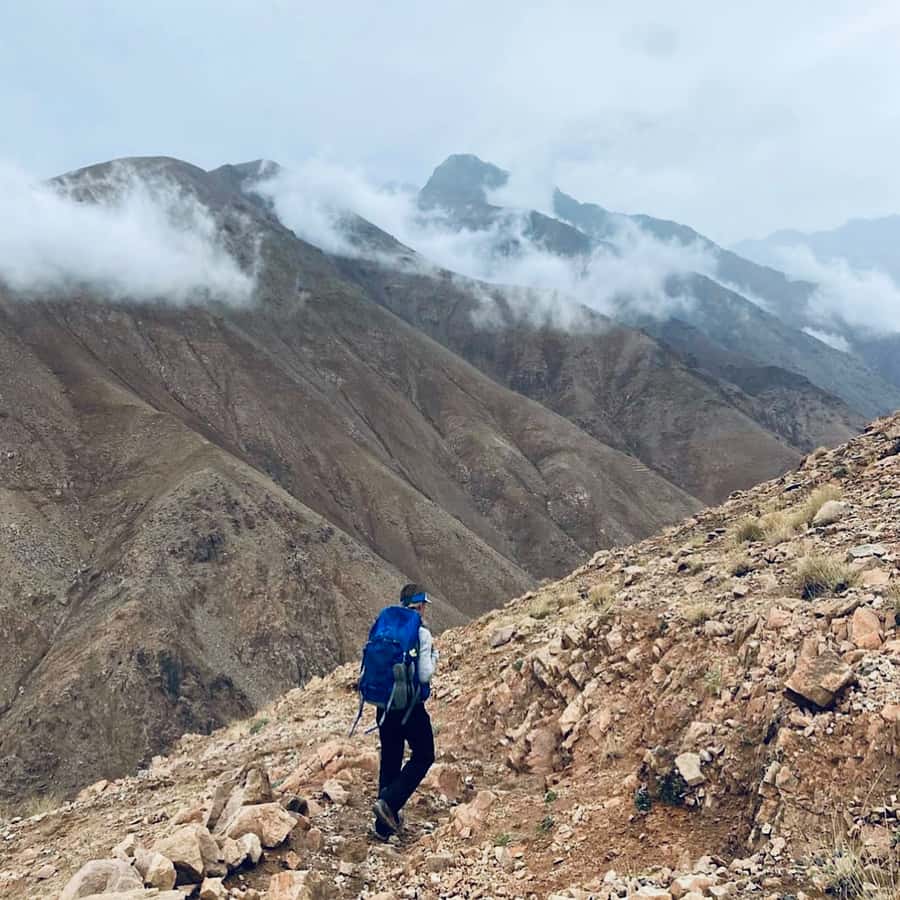
The overnight stays are a central part of the trip, not just a place to sleep. You stay in family guesthouses and gites, where you meet local hosts and experience the hospitality of Berber communities.
The accommodation is basic but has been described as clean and well located. Bring realistic expectations. This is not a mountain hotel package, and the information does not promise private bathrooms or hotel-standard facilities. A small towel and toilet paper are sensible additions. One useful packing tip is a quick-dry towel, especially if you plan to use the hammam.
The included meals add good value to the $159 price. Food is provided for all three days, so you do not need to arrange separate lunches and dinners in remote villages. The cooking is frequently singled out as a strength, with Ibrahim and other cooks preparing meals for the group.
The mule service also matters. You carry only what you need during the day, while heavier bags are transported to the next accommodation. Confirm at the start how much luggage can go with the mule and keep essentials, medication, documents, water, and a warm layer in your daypack.
What the $159 price really covers
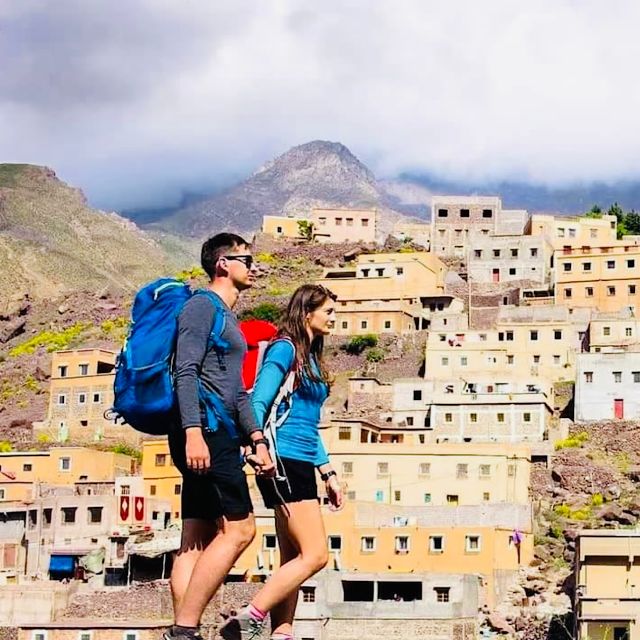
At $159 per person, this is a strong value if you plan to use the included transport, guide, meals, accommodation, and mule service. Booking these pieces separately would take more time and could cost more, especially once you add three days of meals and a return transfer from Marrakech.
The value is not about comfort. You are paying for access to a guided route through several valleys, local support, luggage transport, and a slower village experience. The price makes more sense for someone who wants to walk and eat locally than for someone seeking a luxury mountain retreat.
The group can include up to 16 participants. That is still a small group by excursion standards, but it is large enough to affect the walking pace and the atmosphere at meals. A private departure is not promised. One snow-affected outing had 16 people after groups were combined, so group size can change in unusual conditions.
Free cancellation up to 24 hours before departure and reserve-now, pay-later booking make it easier to plan around the weather. Since weather can force changes, that flexibility is useful. Check conditions before booking, then ask for an updated forecast before leaving Marrakech.
Who should book this three-day walk
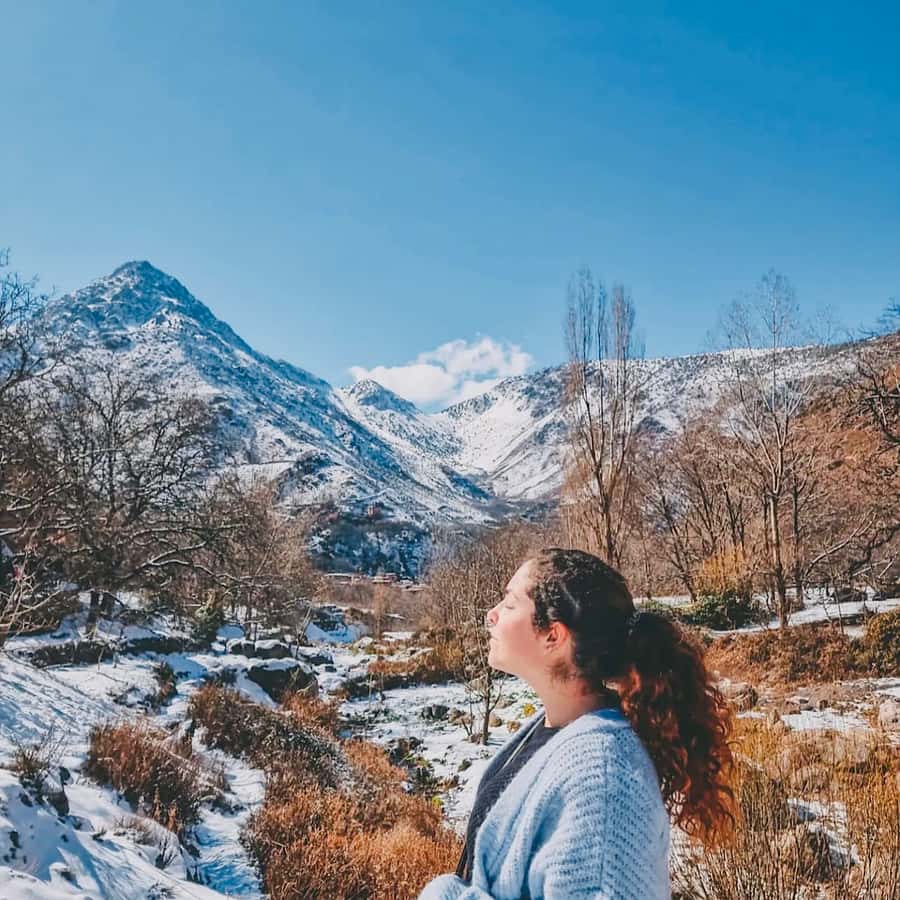
I would choose this trek if you want:
- A first taste of the High Atlas without climbing Toubkal
- Several days of walking instead of a short viewpoint visit
- Village life, local meals, and family guesthouses
- A guide who can explain Berber culture and the route
- A moderate mountain challenge with no technical climbing
- The convenience of hotel transfers and included meals
I would think twice if you dislike basic accommodation, cannot manage five to seven hours of walking, or need a fixed route regardless of weather. The tour is not suitable for pregnant women or people with mobility impairments.
You should also be ready for a route that may change. Snow affected at least one winter plan, and earthquake damage changed another. Ask the guide what has been adjusted before the first walking day rather than treating the printed route as unchangeable.
Practical packing advice for the Atlas valleys
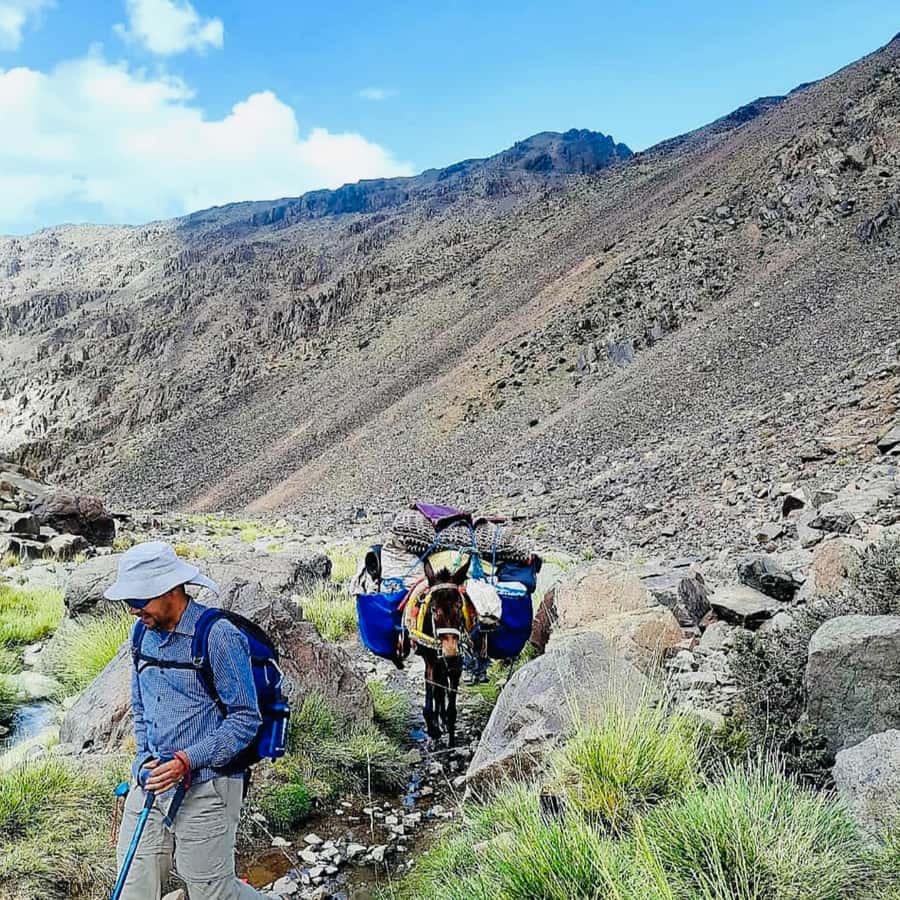
Bring your passport, comfortable clothing, hiking pants, hiking shoes, a camera, and a small daypack. Layers are wise because temperatures can change between sunny passes and shaded valleys. The supplied information specifically recommends comfortable shoes and hiking shoes, so do not rely on casual footwear.
I would add a quick-dry towel and toilet paper to the list. Carry any personal medication and keep important items with you rather than in the mule luggage. Since meals are included, you mainly need personal snacks if you like to eat between stops, though no specific snack provision is promised.
Ask about water arrangements before departure. The tour details do not state whether bottled water is included, so you should plan to confirm that point. The same applies to any hammam fee or extra personal costs.
Should you book the Atlas Mountains Berber Villages Trek?
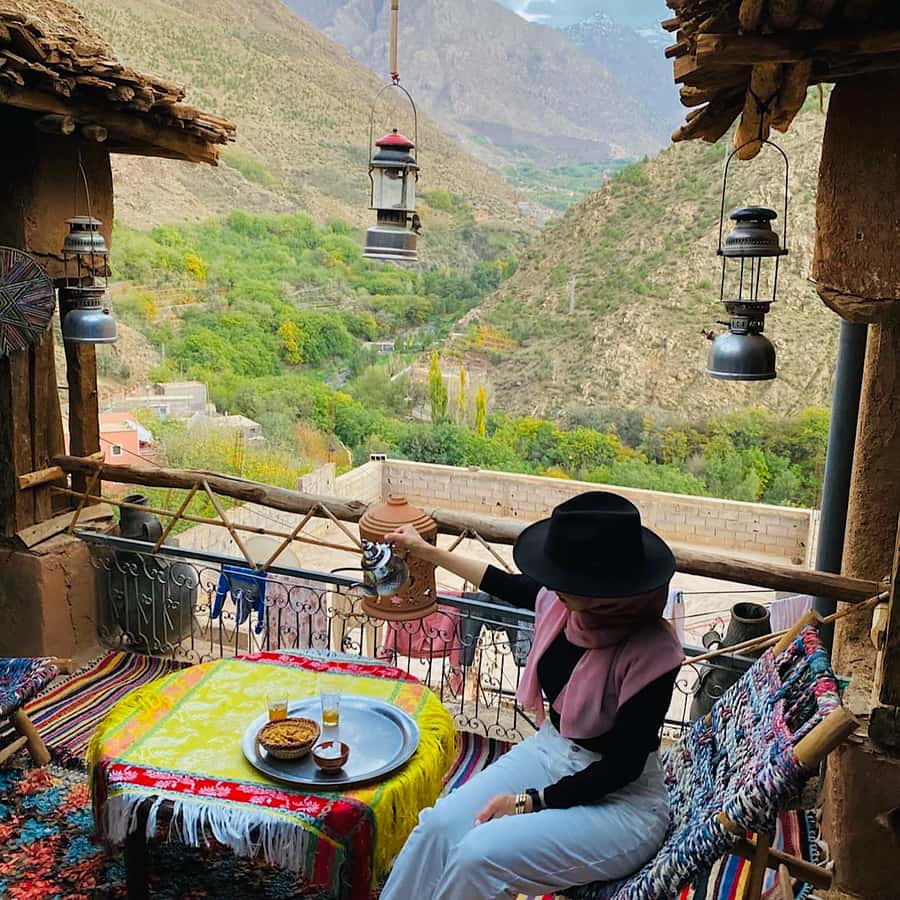
Book it if your ideal Morocco experience includes walking between villages, sleeping in simple family guesthouses, eating local food, and seeing the High Atlas at a human pace. The guides, food, scenery, and village contact are the strongest reasons to choose it, and the mule service removes much of the burden of carrying luggage.
Skip it if you want polished accommodation, a guaranteed route, or a short and easy outing. For most reasonably fit hikers, this looks like a rewarding alternative to a Toubkal-focused trip, provided you pack for basic conditions and accept that snow or earthquake damage may change the plan.
FAQ
How long is the Marrakech Atlas Mountains trek?
The experience lasts three days. Walking takes about five to six hours on day one, six to seven hours on day two, and about six hours on day three.
Is previous mountaineering experience required?
No. The trek is described as technically not difficult and does not require previous mountaineering experience. You should still be comfortable with several hours of walking and steep sections.
What altitude does the route reach?
Most of the walking takes place at around 2,000 meters. Tizi n’Tamaterte is about 2,300 meters, Oudit Pass is about 2,200 meters, and Mzik Pass reaches about 2,500 meters.
Where do you sleep during the trek?
You stay overnight in family guesthouses or gites in villages such as Tachdirt and Ait Aissa. The accommodation is basic rather than hotel-style.
Are meals included?
Yes. All meals are included during the three-day trek. Berber cooking is provided at the guesthouses or by the tour’s cook and guides.
Is luggage carried during the hike?
Yes. A mule carries extra luggage between accommodations. You can leave behind bags you do not need for the walking days, but you should keep essential items in your daypack.
Can the route change because of weather?
Yes. The route can be adjusted because of snow or damage in the area. You are advised to check the weather before booking and should confirm current conditions before departure.
More Hikes in Marrakesh
- Marrakech: ourika valley lunch & guided hike to waterfalls
★ 4.9 · 3,737 reviews - Marrakesh: Ouzoud Waterfalls Trip with Hike & Boat Option
★ 4.9 · 1,435 reviews - Marrakech: Atlas Mountains & Valleys Waterfall Hike w/ Lunch
★ 4.8 · 1,236 reviews - From Marrakesh: Atlas Mountains Talamrout Summit Day Hike
★ 4.9 · 835 reviews
More 3-Day Experiences in Marrakesh
- From Marrakech: 3-Day Merzouga and Sahara Desert Tour
★ 4.9 · 15,308 reviews - From Marrakech: Merzouga 3-Day Desert Safari with Food
★ 4.7 · 12,232 reviews - Marrakech: 3-Day Merzouga Desert Experience Camel & Meals
★ 4.6 · 6,252 reviews - From Marrakech: Unforgettable 3-Day Desert Tour to Fes
★ 4.9 · 2,614 reviews
Just listed out of Marrakesh
- Marrakech: Ouzoud Waterfalls Trip, Guide & Boat + Lunch★ 4.7 · 33 reviews
- Marrakech: Vibrant Dinner Show at The Lotus Club★ 3.9 · 33 reviews
- From Marrakech: 3-Day Merzouga and Sahara Desert Tour★ 4.5 · 33 reviews
- Marrakech: Private Souks Tour with Tea and Traditional Snack★ 4.6 · 33 reviews
- From Marrakech: Small Group To Essaouira & Medina Day Trip★ 4.3 · 33 reviews
- Marrakech: Medina Souks, Hidden Markets and Shopping Tour★ 4.8 · 33 reviews
- 2 Days Desert Agafay and Atlas Mountains Trek From Marrakech★ 3.8 · 33 reviews
- Agadir/Taghazout : Marrakech Guided Tour old Medina & Souks★ 3.7 · 34 reviews
Atlas Mountains Day Trips, compared.

Atlas Mountains, Ourika Valley, Waterfall & Lunch
Read our review →
Ourika Waterfalls, Atlas Mountains, Guide + Lunch
Read our review →
Atlas Mountains & Agafay Desert Tour w Camel Ride
Read our review →
Atlas Mountains, Waterfalls, Ourika Valley +Lunch
Read our review →
Atlas Mountains & 5 Valleys Tour from Marrakech – All inclusive –
Read our review →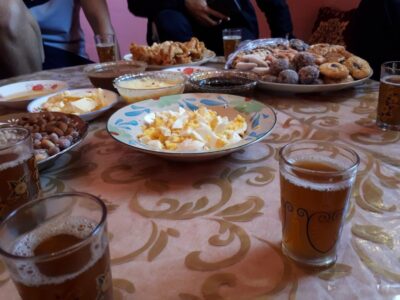
Agadir or Taghazout: Paradise Valley Atlas Mountains Tour
Read our review →Browse the lists this tour appears in