
Reviewed · MARRAKECH TOURS
Trekking in Morocco / 3 Days Valley Trek in the Atlas Mountain & Waterfalls
The best part of this three-day Atlas trek is its steady change of scenery. You begin among the villages and slopes around Imlil, cross high passes, follow paths between Berber communities, and finish at waterfalls in Toubkal National Park. This is village-to-village mountain walking, not a quick viewpoint trip.
I like two things in particular: mules carry your bags and food, so you can walk with a lighter pack, and the meals are prepared by a cook rather than left to chance in village cafés. Guides such as Hassan, Ibrahim, Abdul, and Sabir have received especially warm feedback for their care, English, route knowledge, and personal attention.
The catch is the effort. You walk for five to seven hours a day, with repeated climbs to passes as high as 2,500 meters. A moderate fitness level is the minimum, and fast walking or poor pacing can make the route uncomfortable or unsafe.
Key points to know before you book
- Three long walking days: Plan for five to six hours on day one, six to seven on day two, and about six on day three.
- High passes, not just valleys: The route reaches Tizi n’ Tamaterte at 2,300 meters, Oudit Pass at 2,200 meters, and Mzik Pass at 2,500 meters.
- Mules make the trek easier: Mule handlers carry luggage and food, while a cook prepares the included meals.
- Local overnight stays: Nights are spent in guesthouses or local houses in Tachdirt or Tinghourine, then Ait Aissa.
- The final day has the big payoff: You visit the largest waterfalls in Toubkal National Park before crossing Mzik Pass and descending to Imlil.
- Small-group format: The group can reach 15 people, and round-trip transport from Marrakech is included.
Why this Atlas route feels different
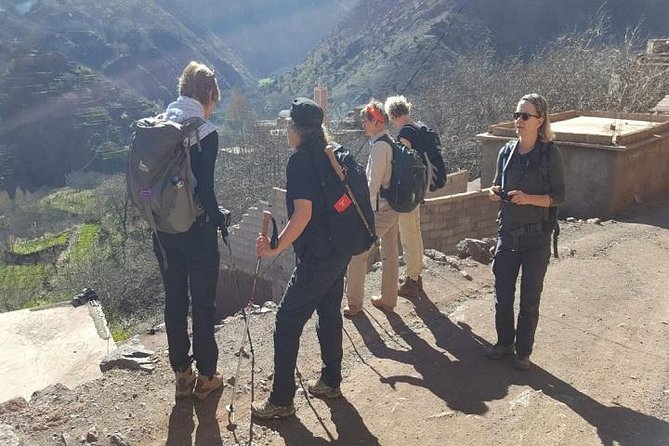
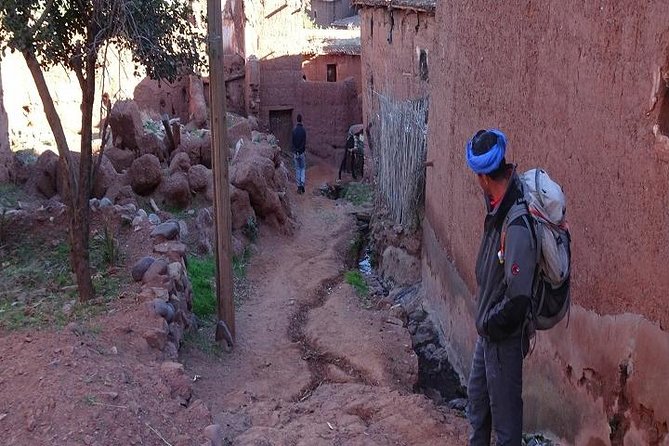
I like this route because it shows you the High Atlas as a lived-in mountain region. You are not simply walking uphill toward a summit, then returning by the same path. You move through villages, pass working mountain communities, and cross from one valley to another.
The route begins in Imlil at about 1,740 meters. Imlil is the practical gateway for many walks in the Toubkal area, but this trip quickly leaves the starting village behind. The first climb takes you toward Tizi n’ Tamaterte, where the altitude reaches about 2,300 meters.
From there, the path continues toward Tachdirt or Tinghourine. The names can vary slightly in the itinerary, so it is sensible to confirm your overnight village with the operator before setting out. Either way, the first night is in a local guesthouse rather than a standard city hotel.
That difference matters. Accommodation on a mountain trek is mainly about a warm meal, a bed, and a place to recover. You should not book this expecting polished hotel facilities. You should book it for a closer look at village life and a simple base after a full day outdoors.
More Hiking Tours in Marrakech
- From Marrakech: Ouzoud Waterfalls Guided Hike and Boat Trip
★ 4.7 · 33,630 reviews - Berber villages : Atlas Mountains Day Hike from Marrakech
★ 5.0 · 14,007 reviews - 3 Days Desert Tour From Marrakech To Merzouga Dunes & Camel Trek
★ 5.0 · 10,125 reviews
Day one: Imlil to Tizi n’ Tamaterte and Tachdirt
Your morning starts with pickup in Marrakech at about 8:30 a.m., followed by transport to Imlil. The transfer is useful because it removes the need to arrange separate transport to the trailhead, and it lets the trek begin in the mountain village rather than on a city edge.
The walking day lasts around five to six hours. The first major goal is Tizi n’ Tamaterte, a pass at approximately 2,300 meters. That climb is the day’s main test, especially if you have arrived in Morocco recently or are not used to sustained uphill walking.
I would keep your pace deliberately slow here. The guide may know the route well, but you still need to communicate if the group is moving too quickly. One piece of negative feedback described a guide who walked too fast and made the route feel hazardous. That is a useful warning: good mountain guiding includes sensible pacing, not just route-finding.
Lunch is served on the pass after the climb. The setting is a major part of the meal. You can rest, eat, and look back over the slopes before heading down toward Tachdirt or Tinghourine.
The descent brings a change in rhythm. Your legs may appreciate the loss of altitude, but uneven mountain paths can still be tiring. Walking shoes are essential, and trekking poles may be useful if you already use them, though poles are not listed among the included equipment.
At the overnight guesthouse, the cook prepares dinner. Feedback about the food is one of the strongest patterns associated with this trip. Meals have been described as plentiful and delicious, with cooks such as Hamid and Mohammed earning particular praise for their cheerfulness and care.
Day two: Tinghourine, Ikkis, Aguersiwal, Matat, and Ait Aissa
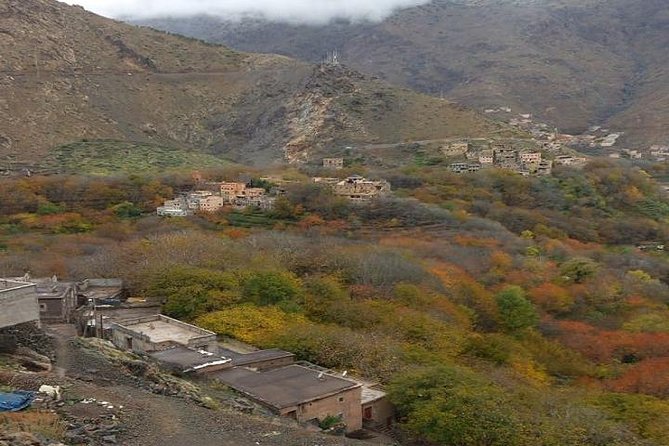
Day two is the longest walking day, at roughly six to seven hours. It links several villages and mountain sections, including Ikkis, Aguersiwal at about 2,100 meters, Matat, and Ait Aissa.
This is where the trip earns its name as a valley trek, but do not mistake that for flat walking. The path crosses between valleys and climbs to the Oudit Pass at about 2,200 meters. You gain a better sense of the High Atlas here because the route keeps changing direction and height.
The scenery shifts as you go. You may see open rocky slopes, pine trees, juniper, and tightly grouped villages. The views are not a single grand panorama repeated all day. They change as the route turns into side valleys and passes above settlements.
Your guide adds value in this section. Guides who grew up in the valleys can explain everyday village life, schools, family connections, and local customs in a way a map cannot. Several guides named in the feedback, including Ibrahim and Hassan, were praised for knowing the communities along the route and greeting people as they passed.
That local connection is one of the reasons to choose a guided trip rather than walking independently. It also helps with practical matters, such as route decisions, weather changes, and keeping a group together. Still, you should ask for a slower pace if needed. A group of up to 15 can contain people with very different walking speeds.
Ait Aissa is the second overnight stop. There is a gite, or simple mountain lodge, and a steam bath, or hammam, available in the evening if you want to use it. The hammam is a welcome idea after the longest day, though the supplied information does not say that it is included in the price.
Dinner and breakfast are part of the package, along with lunch during the walking day. Food is carried by mule, and the cook travels with the group. That setup means meals are not merely whatever happens to be available at the end of the trail.
Day three: waterfalls, Mzik Pass, and the descent to Imlil
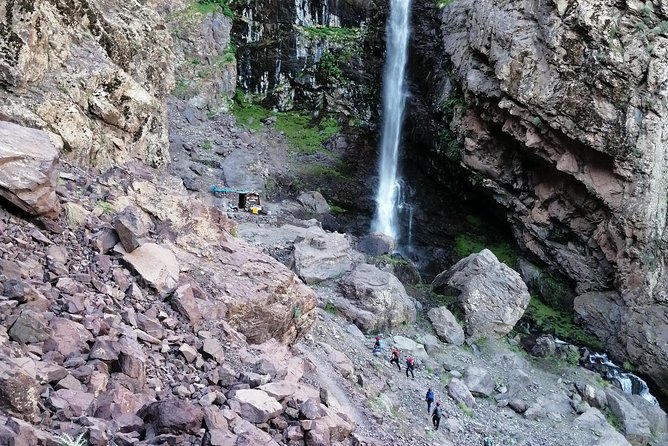
The final day takes about six hours and begins from Ait Aissa or the Tizi Oussem area, depending on the exact route arrangement. The first stated highlight is a visit to the biggest waterfalls in Toubkal National Park.
This is a smart way to finish the trek. After two days of passes and village paths, the waterfalls provide a clear destination and a change in scenery. Water levels and the surrounding conditions can vary, but the stop gives the morning a strong focus before the final climb.
You then join the path over Mzik Pass at about 2,500 meters. This is the highest point listed on the standard route, and it can be the hardest climb of the day. In return, you get broad views over the Ait Mizan Valley.
Lunch comes in Mzik before the final descent to Imlil. Descending sounds easier than climbing, but six hours of walking can make knees and ankles complain. Wear shoes with a secure grip, keep water accessible, and do not let the downhill pace run away from you.
The trek ends in Imlil, followed by transfer back to Marrakech. The included return transport is valuable because the walking finishes away from the city and because you may be tired by then. The exact arrival time is not given, so avoid booking a fixed evening plan that depends on a precise return hour.
A few other Marrakech days worth comparing
- From Marrakech: 3-Day Merzouga and Sahara Desert Tour
★ 4.9 · 15,308 reviews - From Marrakech: Merzouga 3-Day Desert Safari with Food
★ 4.7 · 12,232 reviews - 3-Day Marrakech to Merzouga Desert Tour: Camel Rides & Overnights
★ 5.0 · 8,734 reviews - 3-Day Marrakech to Fes Sahara Desert Tour via Merzouga
★ 5.0 · 6,546 reviews
What the $267 price includes
At $267.13 per person, the price covers more than guiding. You receive transport from Marrakech and back, a local guide, two nights of accommodation, meals during the trek, a cook, mules and mule handlers, and coffee or tea.
The meal count is listed as three lunches, two breakfasts, and two dinners. That is seven meals, which removes a sizable part of the cost and planning from a three-day mountain trip.
The mules are another meaningful inclusion. Carrying your own clothing, sleeping bag, and food for three days would make the route harder. Here, you still need a day pack for water, sun protection, warm layers, and personal items, but the main luggage and provisions are handled by the support team.
Water is not included. You buy it from local shops, so bring enough cash for bottles and small purchases. Tips are also not included, and you should budget separately for them if the guide, cook, and mule handlers provide good service.
I see the price as reasonable for someone who wants a supported trek from Marrakech without arranging each part separately. It is less attractive if you already have transport, equipment, accommodation, and a guide arranged independently. The value comes from the combination of logistics and support, not simply from the number of walking hours.
Guides, cooks, and the human side of the trek
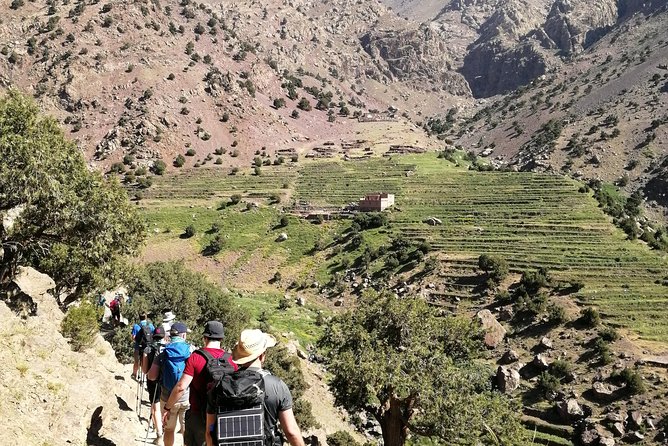
The strongest part of the experience appears to be the people leading it. Names that come up in positive feedback include Sabir, Hassan, Ibrahim, Abdul, and Mohammed, although the guide assigned to your departure is not guaranteed.
Hassan was praised for making families feel safe, while Ibrahim was described as friendly, attentive, and able to explain local life. Abdul received praise for careful route leadership and for answering questions about Morocco. Sabir was singled out as a calm and capable guide during hikes with striking views.
The cook matters just as much. Hamid and Mohammed were praised for good food, generous portions, and a cheerful manner. After a long climb, a proper dinner is not a minor detail. It can make the difference between simply surviving the night and enjoying the whole trip.
You should still treat names in advance feedback as examples, not promises. Ask who will guide your group and who will cook if those details matter to you. Also make your fitness level clear before departure. The best guide in the world cannot make a six-hour mountain day flat.
Fitness, clothing, and what to pack
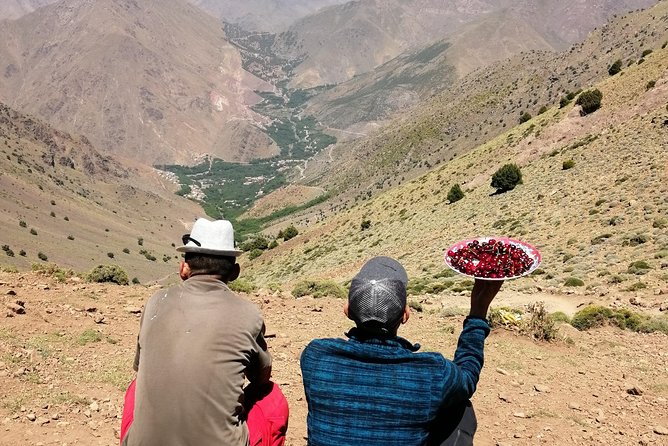
You need a moderate level of physical fitness. That means being able to walk uphill and downhill for several hours on three consecutive days. You do not need to be a mountaineer for this route, but you should not treat it as a gentle sightseeing walk.
Pack walking shoes, jackets, warm and light clothing, a hat, sunscreen, sunglasses, a towel, and a sleeping bag. Conditions can change with altitude, and evenings may feel cold even when daytime temperatures are comfortable.
The supplied information says equipment can be rented from an equipment shop if you cannot bring everything. Confirm rental details before you leave Marrakech, especially for sleeping bags and other items you consider essential.
Carry water money and a small amount of personal cash. Since water is bought from local shops and tips are separate, you should not assume that every expense is covered by the booking price.
The route crosses passes rather than staying on one valley floor. That means altitude and weather deserve respect. If you feel unwell, tell the guide early. There is useful evidence that guides can adapt when someone becomes sick, including changing the overnight plan, but that should not replace honest communication from you.
Group size, pace, and solo bookings
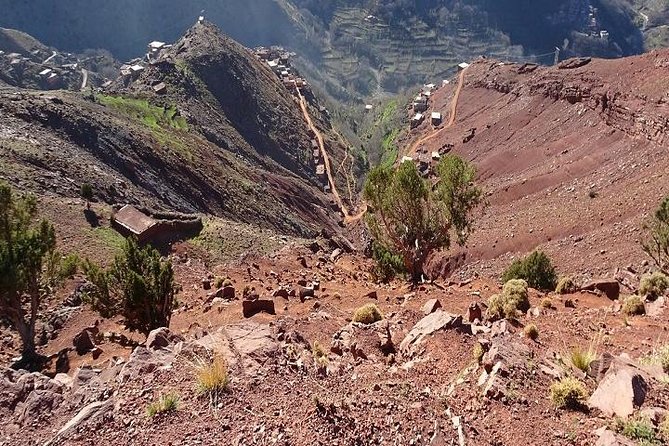
The maximum group size is 15 people. That is still small enough for a guide to speak with you and keep an eye on the group, but it is not a private trek.
A group can make long walking days more pleasant, especially during meals and evenings in the guesthouses. It can also create a pace problem. Strong walkers may want to hurry, while others need longer rests. Agreeing on a sensible rhythm at the start is worth doing.
Solo bookings require a little more thought. The trip can run with very few people, and one solo participant has described receiving the planned service but finding the assigned guide unfriendly. That does not mean a solo booking will go badly, but you should decide if you are comfortable with a potentially small group.
If you are traveling with friends or family, this format may work particularly well. The private time on the trail, shared meals, and simple overnight stays give the group plenty to talk about. Families should still be honest about the six to seven-hour days and the high passes.
How this compares with a Toubkal summit trek
This three-day plan is a valley and pass route. It includes waterfalls, Tachdirt, Ait Aissa, Mzik Pass, and the Ait Mizan Valley, but the standard schedule does not list a summit of Mount Toubkal.
Some groups have arranged variations that include a Toubkal summit or extended the trek to four or five days. Do not assume that this package includes that climb. If reaching the summit is your main goal, ask for a separate itinerary with the correct number of days, refuge arrangements, equipment, and fitness demands.
That distinction matters. A village trek offers a broader look at the region and avoids making the whole trip about one peak. A summit trek has a different purpose and usually requires harder climbing days. Choose based on the kind of mountain experience you want, not just the word Toubkal in the park name.
Who should book this three-day trek
I would recommend it to you if you want:
- A supported introduction to Atlas Mountain walking
- Village paths and high passes rather than a city day trip
- Local food and basic guesthouse accommodation
- A guide who can explain village life and handle route decisions
- The convenience of Marrakech pickup and return
- A trip that does not require you to carry all food and luggage
I would hesitate if you want hotel comfort, short walks, a fixed return time, or a gentle route with little climbing. I would also hesitate if you dislike basic accommodation or expect bottled water and tips to be included.
The 94 percent recommendation rate and 4.9 rating from 34 ratings suggest a very strong overall record, but the less positive experiences are worth taking seriously. Ask about guide assignment, pacing, overnight villages, equipment rental, and the exact route before you pay.
Should you book it?
Book this trek if you want three active days in the High Atlas and value local support more than comfort. The route gives you passes, villages, waterfalls, home-cooked meals, and a real sense of moving through the mountains rather than simply looking at them from a vehicle.
I especially like the balance of scenery and culture. You get the practical help of mules, a cook, and Marrakech transfers, while still sleeping in simple local accommodation and walking between communities.
Skip it if you are not ready for five to seven hours of walking each day. For the right walker, $267.13 is a fair price for the transport, guide, food, lodging, and mountain support. Cancel without charge up to 24 hours before the start time if your plans change, but changes or cancellations inside that window are not accepted for a refund.
FAQ
Where does the trek start?
The walking begins in Imlil, Morocco, at an elevation of about 1,740 meters. Transport from Marrakech is included.
What time does pickup begin?
The listed start time is 8:30 a.m.
How long does the trek last?
The experience lasts approximately three days.
How many hours do you walk each day?
Day one takes about five to six hours, day two takes about six to seven hours, and day three takes about six hours.
What are the highest passes on the route?
The route reaches Tizi n’ Tamaterte at about 2,300 meters, Oudit Pass at about 2,200 meters, and Mzik Pass at about 2,500 meters.
Where do you sleep?
Accommodation is in local houses, guesthouses, or a gite. The first night is in Tachdirt or Tinghourine, and the second night is in Ait Aissa.
Are meals included?
Yes. The package includes three lunches, two breakfasts, and two dinners, as well as coffee or tea. A cook prepares the meals.
Is water included?
No. You buy water from local shops.
Can the tour include up to 15 people?
Yes. The maximum group size is 15 people.
What should you bring?
Bring a sleeping bag, walking shoes, jackets, warm and light clothing, a hat, sunscreen, sunglasses, and a towel. Equipment can be rented from an equipment shop if needed.
Is the trek suitable for every fitness level?
No. You should have a moderate level of physical fitness because the route includes several long walking days and climbs over high passes.
Can you cancel for a full refund?
Yes, if you cancel at least 24 hours before the experience start time. Cancellations made less than 24 hours in advance are not refunded, and changes within that period are not accepted.
More Hikes in Marrakech
- From Marrakech: Atlas Mountains Full-Day Hiking Trip w Lunch
★ 4.8 · 7,417 reviews - Marrakech: Ourika Valley Trip with Waterfall Hike
★ 4.6 · 6,792 reviews - Marrakech: Ourika Valley Trip with Waterfall Hike & Lunch
★ 4.9 · 5,303 reviews - Marrakech: ourika valley lunch & guided hike to waterfalls
★ 4.9 · 3,737 reviews
Just listed out of Marrakech
- Marrakech: Ouzoud Waterfalls Trip, Guide & Boat + Lunch★ 4.7 · 33 reviews
- From Marrakech: Ourika Valley Trip, Waterfall Hike & Lunch★ 4.4 · 33 reviews
- Magical Dinner show and Quad bike In Agafay Desert Marrakech★ 4.5 · 33 reviews
- Marrakech: Quad excursion to the palm grove and Jbilets desert★ 4.5 · 33 reviews
- Moroccan Hands on traditional pastries & Tea class in Marrakech★ 4.5 · 33 reviews
- Marrakech: Vibrant Dinner Show at The Lotus Club★ 3.9 · 33 reviews
- From Marrakech: Small Group To Essaouira & Medina Day Trip★ 4.3 · 33 reviews
- From Marrakech: 3-Day Merzouga and Sahara Desert Tour★ 4.5 · 33 reviews
Marrakech Tours, compared.

Agafay Desert Sunset, Camel Ride, and Dinner Show
Read our review →

Agafay Desert Quad & Camel Rides with Dinner Show
Read our review →
Agafay Desert Quad Biking Tour with Dinner-Show
Read our review →
Atlas Mountains, Ourika Valley, Waterfall & Lunch
Read our review →


Quad Bike Tour to Palm Oasis and Jbilat Desert
Read our review →Browse the lists this tour appears in