
Reviewed · ESSAOUIRA TOURS
Traditional Moroccan and Berber cooking classes
The best part of this Essaouira cooking class is its home setting. Khadija welcomes you with mint tea and Moroccan cakes, then guides you through a meal from spice jar to dining table. You are not just watching a chef work. You cut, season, stir, and learn the small decisions behind Moroccan food.
I like the private format, which keeps the class personal and lets your group set the pace. I also like the care given to local produce, cleanliness, and clear explanations. The main point to consider is that the menu can vary, so you may not prepare every dish listed in the description during one visit.
Key points to know before you book
- Khadija leads the class in French, English, Arabic, and Berber, making it a good fit for mixed-language groups.
- The class takes place in a Moroccan home setting at 21 Av. Princesse Lalla Amina in Essaouira.
- You take part in every stage, from cutting ingredients and mixing spices to cooking and serving.
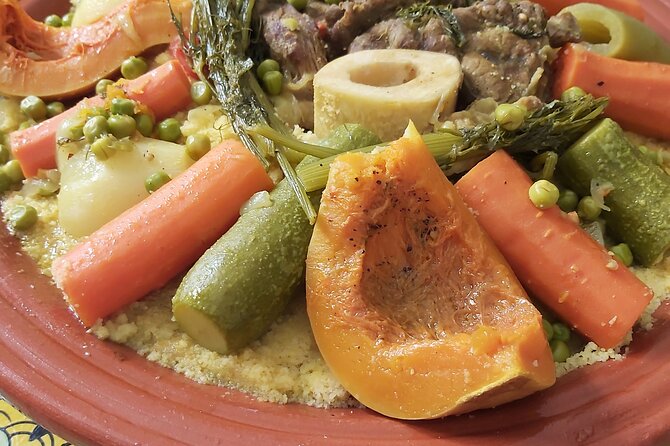
- The menu may include tagine, couscous, pastilla, and Moroccan salads, with homemade dessert or Moroccan cakes included in the welcome.
- The experience lasts about three hours and ends with your group eating the meal together.
- The $58.31 price covers the class, food, tea or coffee, bottled water, snacks, and recipe cards, but not transportation.
A Moroccan welcome with tea and small cakes
The class begins at 21 Av. Princesse Lalla Amina, in Essaouira. You return to the same meeting point at the end, so the arrangement is simple. There is no private transportation included, but the location is near public transportation.
Khadija starts with Moroccan mint tea or spiced coffee and small Moroccan cakes. This is more than a polite opening. It gives you time to settle in, meet your host, and hear how the session will work before the cooking begins.
The tea itself becomes part of the lesson. You learn about its preparation while getting an early taste of Moroccan hospitality. That opening also sets the right pace. This is not a rushed demonstration where you stand at the edge of a kitchen trying to keep up.
Khadija speaks French, English, Arabic, and Berber. That language range matters if your group includes people with different comfort levels. You can ask questions directly, and the cultural side of the class does not have to be reduced to a few translated phrases.
The setting is described as typically Moroccan, with the meal prepared and shared in a private home environment. One useful detail is that the class is private, so only your group participates. That makes it well suited to couples, families, and small groups who prefer conversation over a crowded cooking school.
More cooking classes out of Essaouira:
- l’Atelier – Moroccan Cooking Workshop in Essaouira
★ 5.0 · 110 reviews - Traditional Moroccan Cooking Class
★ 5.0 · 81 reviews - Essaouira: Traditional Family Style Moroccan Cooking Class
★ 5.0 · 58 reviews
Spices first, recipes second
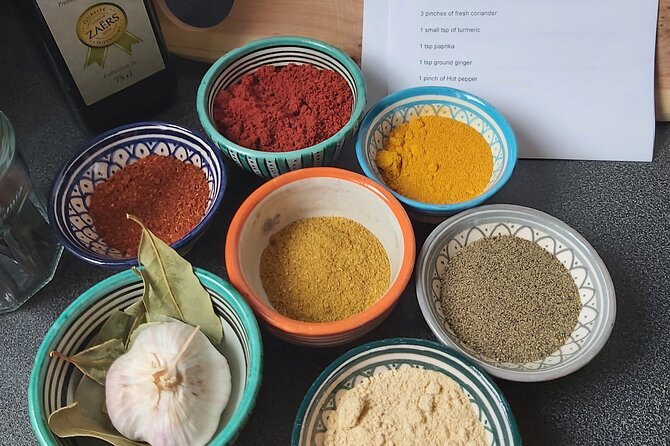
Before you begin chopping, Khadija introduces the recipes and the seasonings that give Moroccan cooking its character. You may handle or discuss ras el hanout, cumin, saffron, cinnamon, preserved lemon, olives, and other condiments.
This part is valuable because Moroccan cooking is not simply about adding a long list of spices. Each seasoning has a role. Cumin can give a salad an earthy edge, cinnamon can bring warmth to a sweet or savory dish, and preserved lemon can add sharpness and depth to a tagine.
You also get context for ingredients that may be unfamiliar at home. Preserved lemon, for example, is not used like fresh lemon juice. Olives can add salt as well as flavor. A spice blend such as ras el hanout can vary, so learning how it is used is more useful than merely taking home a name.
I appreciate that the class focuses on fresh, mainly local produce. That approach fits the food culture of Essaouira and helps you understand Moroccan cooking as everyday food built around available ingredients, not as a restaurant performance designed only for visitors.
The menu is varied. Depending on the chosen programme, you might prepare a tagine, couscous, pastilla, Moroccan salads, and dessert. Since the exact menu is not fixed in the details provided, ask about the day’s selection if one dish matters most to you.
Hands-on preparation, not a cooking show
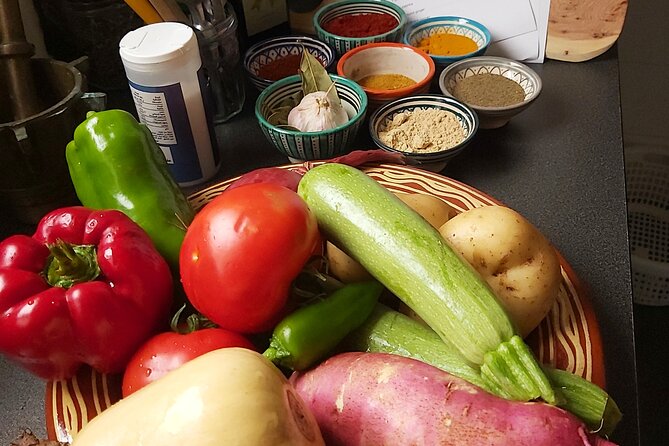
Once the recipes are presented, you get involved in the practical work. That can include cutting ingredients, seasoning them, arranging the components, and preparing the dishes for the cooking stage.
This is where the class earns its keep. A demonstration can show you what a finished tagine looks like, but hands-on work teaches you how the ingredients feel, how much seasoning is used, and how the dish comes together in real time.
The techniques change with the recipe. A tagine is simmered slowly, couscous is steamed, and pastilla depends on a crisp pastry finish. These are different methods, not minor variations on one basic lesson.
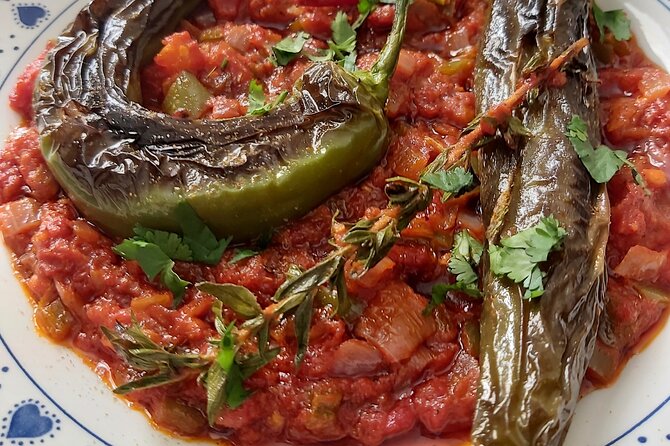
You may also prepare classic Moroccan salads. The examples include carrot salad with chermoula, aubergine zaalouk, and taktouka. These dishes bring color, acidity, smoke, and spice to the table, and they show why Moroccan meals are not built around a single main course.
A salad such as zaalouk is especially useful to learn because it shows how vegetables can become a substantial part of the meal. Taktouka and carrot salad with chermoula offer different textures and seasonings. Together, they give you techniques you can repeat more easily at home than a complicated pastry or long-simmered dish.
The cooking itself may be easier for confident home cooks than for complete beginners, but the format supports questions. Khadija explains the steps rather than leaving you to guess. The class is also a good choice if you want to learn by doing instead of collecting a recipe card without understanding the method.
Tagine, couscous, or pastilla: what changes with the menu
A tagine class gives you a close look at slow cooking and seasoning. The dish is prepared in a way that allows the ingredients to simmer together, so the order of preparation and the balance of spices matter. If tagine is your priority, confirm that it is on the day’s menu when booking.
Couscous brings a different lesson. Its preparation involves steaming, which is a more specific technique than simply boiling a grain. You can expect the class to focus on how the couscous is handled and cooked rather than treating it as an instant side dish.
Pastilla is the most pastry-focused option listed. The appeal is its crisp texture and careful assembly. It may suit you if you want to learn something that feels more special-occasion than everyday, though the exact filling and recipe are not specified.
Moroccan salads may be included alongside the main course. They help balance the meal and give you several smaller recipes to remember. If you are looking for useful home cooking rather than one elaborate centerpiece, a menu with salads is a strong choice.
The description also refers to homemade desserts, and the welcome includes small Moroccan cakes. The exact dessert is not stated, so you should treat this as part of the food experience rather than a promise of a particular sweet.
A few other Essaouira days worth comparing
- Essaouira: Surf Lessons
★ 4.9 · 412 reviews - Kitesurfing Lessons in Essaouira Beach
★ 5.0 · 206 reviews - Surf Lesson in Essaouira
★ 5.0 · 179 reviews - Group Kitesurfing lesson with a Local in Essaouira Morocco
★ 5.0 · 175 reviews
Eating what you prepared together
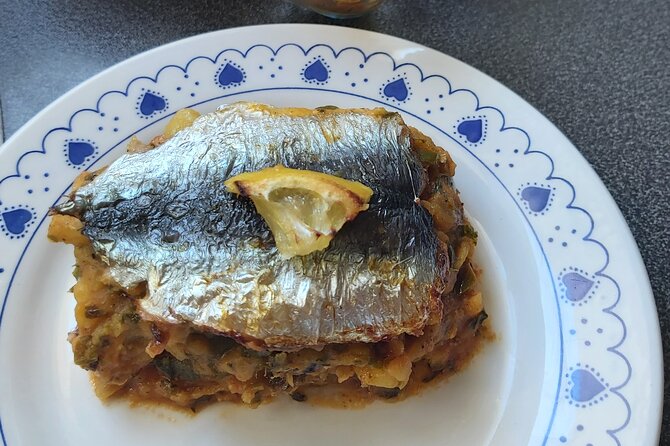
After the cooking, you sit down with your group and eat the meal you made. This shared table is an important part of the experience. You see the finished dishes in context, with the salads, main course, drinks, and sweets working as a Moroccan meal rather than isolated recipes.
The reviews supplied for the experience repeatedly praise the warm welcome, the quality of the explanations, and the meal itself. One particularly useful detail is that a group felt at home in Khadija’s house and spent time talking around a beautifully prepared table. That tells you this is intended to be social as well as instructional.
Another review describes the class as very well prepared and punctual, with food preferences taken into account. It is worth mentioning your wishes before the class, especially if you have a strong preference between tagine, couscous, pastilla, or salads. The available information does not promise that every request can be met, but the menu is presented as varied.
The meal also lets you judge the techniques immediately. You can taste how preserved lemon affects a sauce, how chermoula changes a carrot salad, or how a spice blend carries through a dish. That instant link between preparation and flavor is one of the best reasons to choose a cooking class during a stay in Essaouira.
Value at $58.31 per person
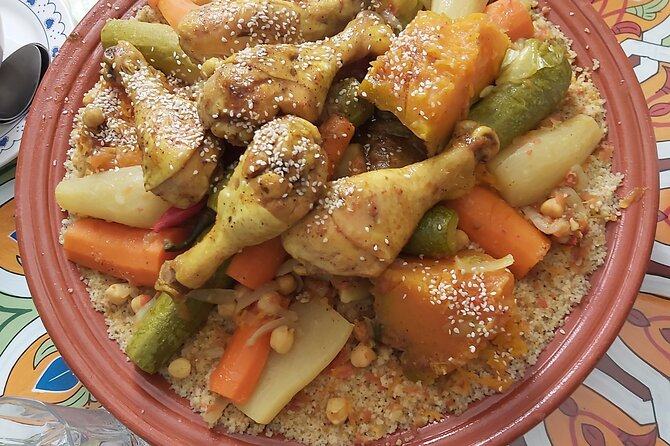
At $58.31 per person, this is not the cheapest way to eat in Essaouira. A restaurant meal will usually be simpler and may cost less. But the price here covers about three hours of instruction, ingredients, a private session, drinks, snacks, the meal, and recipe cards.
I see the value in the amount of participation. You are paying for time with a host, the use of ingredients, practical instruction, and a meal prepared by your own group. The private arrangement also matters. You do not have to share the class with strangers or wait for a large group to finish each step.
The value is strongest if you cook at home and plan to use the recipes later. It is also good for a short Essaouira visit because the class combines food, cultural exchange, and a sit-down meal in one compact activity.
The value is weaker if you only want to watch a professional cook or if you have little interest in eating the dishes you prepare. This is not a quick food tasting. You need to take part in the work.
Coffee or tea, bottled water, and small Moroccan cakes are included. Private transportation is not, so include the cost and effort of reaching the meeting point in your plans.
Who will enjoy this Essaouira class most
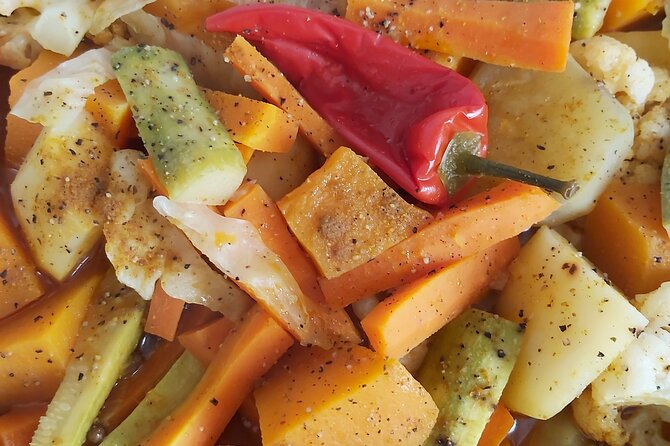
I would recommend this class to couples and families who want a relaxed activity with real participation. The private format makes it easier for children or less experienced cooks to ask questions, though the available information does not set a minimum age or describe special child-focused activities.
It also suits food-minded visitors who want more than a restaurant meal. You will learn about ingredients such as preserved lemon and ras el hanout, then use them in dishes you eat the same day.
Language should not be a major barrier. Khadija speaks French, English, Arabic, and Berber. That makes the session especially practical for groups whose first languages differ.
The class is less suitable if your schedule is packed tightly. Three hours is a meaningful block of time, and the meal may encourage you to linger. It is also not a transport-inclusive activity, so allow enough time to reach the address.
Service animals are allowed, and the meeting point is near public transportation. No other accessibility details are provided, so contact the provider before booking if you need specific arrangements.
Booking timing and cancellation details
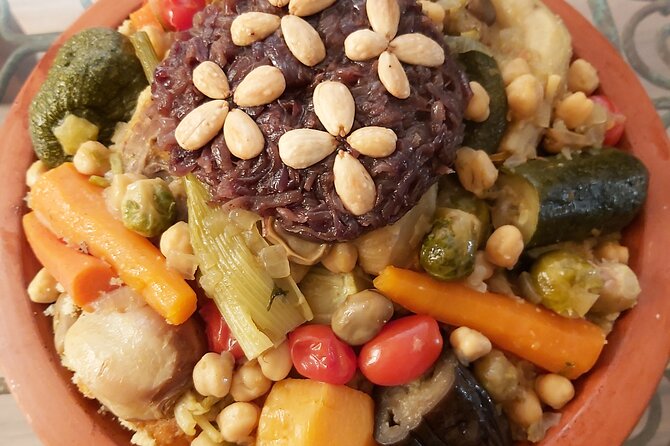
This experience is booked about 13 days ahead on average. That is a useful sign that you should not leave it until the final day of a short Essaouira stay, especially if you want a particular date or menu.
Confirmation is provided at the time of booking. You can cancel for a full refund up to 24 hours before the start time. Changes or cancellations made inside that 24-hour window are not accepted for a refund.
The class depends on suitable weather and a minimum number of participants. If poor weather or an insufficient number of bookings causes cancellation, you are offered another date or experience, or a full refund. Cutoff times use local time in Morocco.
Should you book the Khadija cooking class?
Book it if you want a small, personal food experience rather than a formal demonstration. The private home setting, multilingual instruction, hands-on preparation, and shared meal give you a direct connection to Moroccan cooking.
I would especially choose it if tagine, couscous, Moroccan salads, or spice techniques are high on your Essaouira wish list. Just confirm the menu in advance, remember that transport is not included, and set aside the full three hours.
Skip it if you only want a quick tasting or if your itinerary cannot spare a relaxed cooking session. For everyone else, the combination of practical recipes, local ingredients, tea, conversation, and a meal you help prepare makes the $58.31 price fair.
FAQ
Where does the cooking class begin?
The class begins at 21 Av. Princesse Lalla Amina, Essaouira 44000, Morocco.
Where does the activity end?
The class ends back at the same meeting point.
How long does the cooking class last?
The experience lasts approximately three hours.
Is the cooking class private?
Yes. Only your group participates in the activity.
Which languages does the host speak?
Khadija speaks French, English, Arabic, and Berber.
What dishes might I prepare?
The menu may include tagine, couscous, pastilla, Moroccan salads such as carrot salad with chermoula, aubergine zaalouk, or taktouka, along with homemade desserts. The exact menu can vary.
What is included in the price?
The price includes the cooking class, food, mint tea or spiced coffee, bottled water, small Moroccan cakes, and recipe cards. Private transportation is not included.
Can I cancel for a full refund?
Yes. You can cancel at least 24 hours before the experience start time for a full refund. Cancellations or changes made less than 24 hours before the start time are not accepted for a refund.
Just listed out of Essaouira
- The Sunday Market in Had Draa & Local Food Tasting.★ 5.0 · 33 reviews
- Horse riding on the beach of Essaouira 2 hours★ 5.0 · 34 reviews
- Explore Essaouira’s Secrets: A Guided Tour with a Local!★ 4.7 · 37 reviews
- Essaouira 1 hour discovery ride on the back of a camel★ 5.0 · 37 reviews
- Individual kitesurfing lessons in Essaouira★ 5.0 · 38 reviews
- 2 hours horse ride beach and dunes in Essaouira Morocco★ 4.5 · 38 reviews
- Private Kitesurf Lesson in Essaouira Morocco★ 5.0 · 38 reviews
- Essaouira: Area Highlights Guided E-Bike Tour★ 4.9 · 39 reviews
Essaouira Tours, compared.




Essaouira Activities: Discover Essaouira by Quad
Read our review →

Browse the lists this tour appears in