
Reviewed · SAHARA DESERT TOURS
From Fez: 3-Day Merzouga and Ouarzazte Tour to Marrakech
The best part of this Fez to Marrakech route is that it turns a long transfer into a proper Moroccan journey. In three days, you move from cedar forests and snow-prone mountain roads to the Erg Chebbi dunes, then on through gorges, kasbah country, and the High Atlas. I especially like the camel ride at sunset and sunrise, plus the chance to see several very different parts of Morocco without arranging separate transport.
I also like the small-group format, with no more than 17 people, and the generally careful, helpful driving praised by guests who had guides such as Karim, Tarek, Momo, and Younes Kerroumi. The catch is simple: there is a lot of time in the vehicle, and the included meals do not cover lunch. Some lunch stops and shopping visits can feel expensive and overly directed.
Key points at a glance
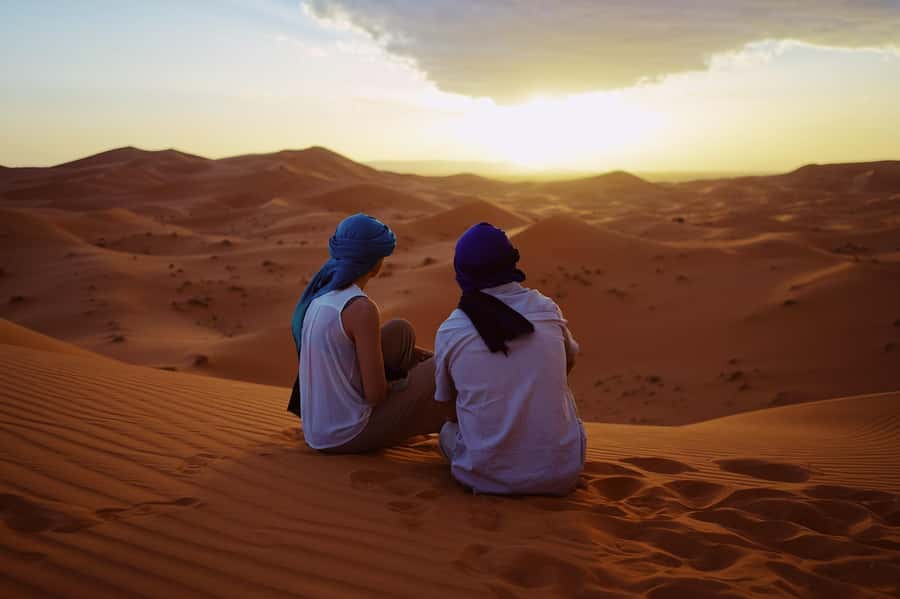
- Sunset and sunrise in Merzouga: Ride camels into the Erg Chebbi dunes and sleep in a desert camp with comfortable tents and private bathrooms.
- A full cross-Morocco route: Travel from Fez through Ifrane, Midelt, the Sahara, Todra Gorge, Dades Valley, Ouarzazate, and Ait Ben Haddou before arriving in Marrakech.
- Careful, flexible drivers: Guides including Karim, Tarek, Momo, and Younes Kerroumi are often praised for safe driving, clear timing, photo stops, and personal help.
- Long days on mountain roads: The scenery is superb, but curves, distance, and early starts make this a demanding trip.
- Lunch is extra: Budget for restaurant lunches, and expect some stops to be aimed at tourists rather than local dining.
- Good value at $170: Transport, fuel, driver, camel guide, desert camp, dinners, breakfasts, and Ouarzazate accommodation are covered.
What the three-day route is really like
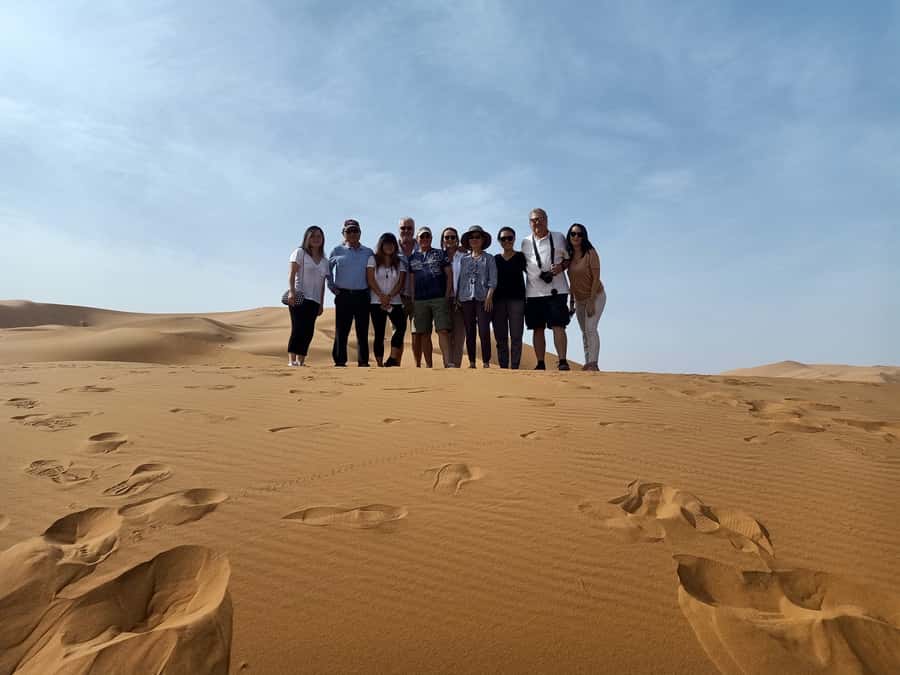
This is not a relaxed desert holiday. It is a fast-moving overland trip that links two major Moroccan cities while giving you a taste of the south. The price of $170 per person is attractive because it covers the costly parts: an air-conditioned vehicle, fuel, a professional driver, camel support, one night in the Merzouga camp, and one night in a hotel or riad in Ouarzazate.
You also receive dinner and breakfast at both overnight stops, according to the package details. Lunches and drinks are not included, and the entrance fee for Atlas Studios in Ouarzazate is separate.
The small-group setup matters. A nine-seat vehicle may carry about seven people, based on the usual group size described, though the official maximum is 17 participants. You will still spend many hours together, so a friendly group and a considerate driver make a real difference. Drivers such as KWISKITA, Karim, Momo, Tarek, Hafid, and Younes Kerroumi have been praised for stopping for photographs, explaining the plan, and adjusting breaks when needed.
Expect English or French service. Driver quality can vary by assignment, but the strongest pattern is careful driving and personal attention. One guide even helped with luggage and an accidentally retained key, while another took a passenger to a hospital after a sandboarding accident. Those are unusual situations, but they show why the driver is more than just the person at the wheel.
A few other Fes days worth comparing
- From Fez: Sahara Desert 2-Day Tour with Merzouga Camp Stay
★ 4.8 · 1,716 reviews - From Fes to Marrakech: 3-Day Sahara Desert Discovery Tour
★ 4.7 · 1,158 reviews - From Fes: 2-Day Merzouga Desert Trip w/Luxury Tent & Dinner
★ 4.7 · 844 reviews
Day one: Fez, Ifrane, Midelt, and the long road to Merzouga
Pickup is around 7:30 in the morning from your hotel. The first major change comes as you leave Fez and climb into the Middle Atlas. Ifrane is known for its Alpine-style appearance, cooler air, and mountain setting. The road then continues toward cedar forests, where you may stop to feed Barbary macaques.
The monkey stop is a simple pleasure, but it breaks up the first long stretch of driving. You also get several chances to stop for views and fresh air. In winter, bring serious warm clothing. Several people found snow, hail, or bitter conditions in the Atlas, sometimes on the same day they were heading toward hot desert sand. Morocco can change temperature quickly at altitude.
Midelt is the planned lunch area. Lunch is extra, and the usual price mentioned is around 120 dirhams, or about €12, per person. That is not outrageous for a remote route, but the value is uneven. Some people found the meals acceptable, while others called the food ordinary and overpriced. If you have dietary needs, ask what is available before ordering. Vegetarian choices exist, but they may be limited at some stops.
After Midelt, the road becomes a long haul toward Merzouga. You cross high plateaus and increasingly dry country, with views changing from forest to rock, open plains, and desert. This is where a good driver earns the tip. Mountain roads can be curvy and tiring, and passengers with motion sickness should consider bringing medication.
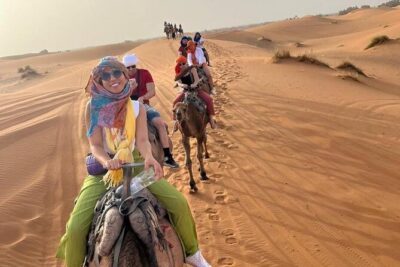
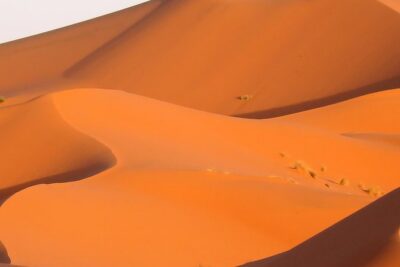
Arrival in Merzouga is timed for the camel ride. You leave the vehicle and ride across the dunes to the camp, commonly reaching it around sunset. The camel trip is the emotional high point for most people. The light softens, the sand turns gold, and the sudden quiet makes the long drive worthwhile.
The ride is not a private desert expedition. It is a group activity, and the exact pace depends on conditions and the group. Still, it gives you the classic Sahara experience without needing to arrange a separate excursion.
The Merzouga camp: comfort with an early alarm
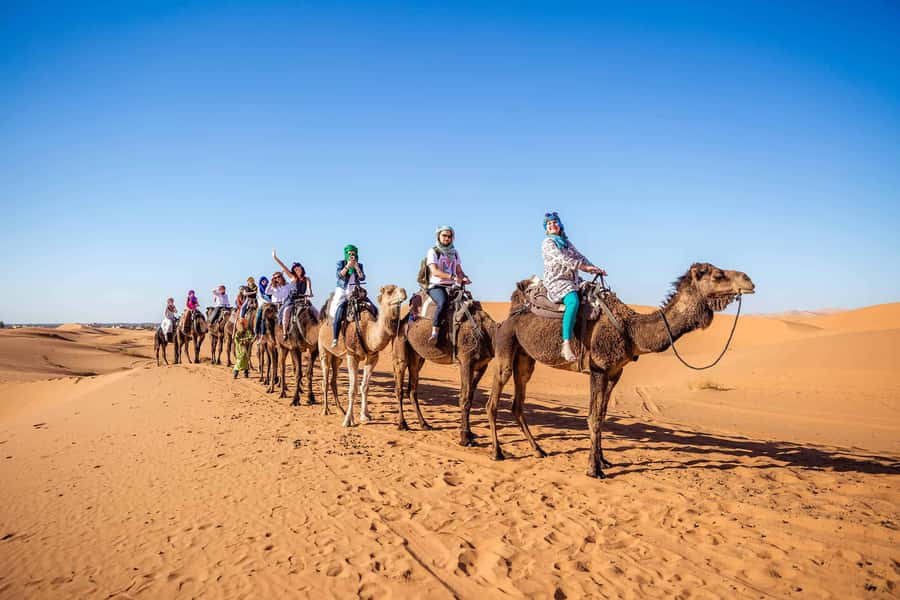
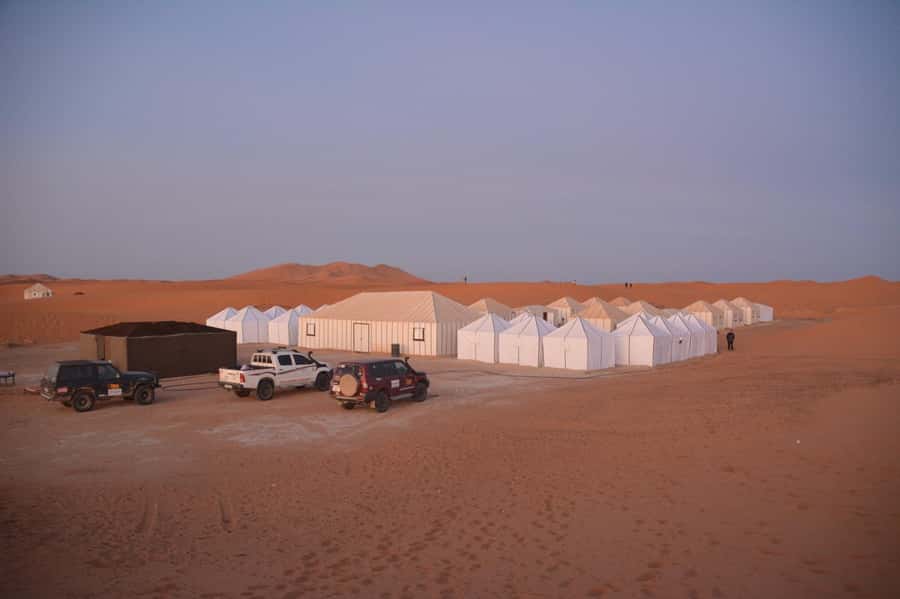
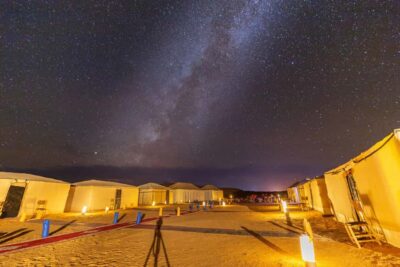
The camp is described as a luxury setup, and the tents supplied on this tour have been praised for being comfortable. Several accounts specifically mention private bathrooms, showers, electricity, and good beds. That is a major step up from basic camping, especially after a full day in a vehicle.
Keep your expectations measured. This is still a desert camp, and comfort can vary. One person found the camp less clean and comfortable than expected, while others found the tents excellent. The food also gets mixed marks. Dinner portions may feel small, and the menu is not always memorable. At other times, the meal is described as plentiful and satisfying.
After dinner, you may gather around the fire, listen to music, and join the evening activity. The exact entertainment is not set out in detail, so treat it as a pleasant camp gathering rather than a major performance.
The night is short. You may arrive around 6:30 in the evening, eat, and settle in before an early breakfast around 5:30 the next morning. The sunrise camel ride requires an early start, often around 6:00. If you want more time in the dunes, this schedule can feel rushed. One useful choice is to stay an extra day in Merzouga, or choose a four or five-day version if your itinerary allows.
At breakfast, you ride the camels back toward the hotel or meeting point for a shower. Some people recommend taking the camel ride again when leaving the camp. If the early cold is too much, a taxi transfer may be offered, though the camel option is the more memorable choice.
Day two: Todra Gorge, Dades Valley, and Ouarzazate
Once you have showered and had breakfast, the route heads west. Todra Gorge is one of the most dramatic stops, with polished rock walls rising around the road and walking areas. The gorge gives you a welcome chance to stretch your legs after the desert transfer.
Next comes the Dades Valley, part of the route often linked with Morocco’s famous Road of a Thousand Kasbahs. You will see fortified villages, dry hills, cultivated pockets, and date farms. This is a valuable day for understanding how people live between desert and mountain regions. The scenery is not just empty sand. Water, stone, farming, and old settlements shape the whole route.
You may stop at Kalaat M’Gouna, a town associated with roses and local products. Shopping stops are common on this route. Some can be interesting, but you should know that fossil shops, carpet demonstrations, and other sales visits may be built into the day. You do not have to buy anything. A calm driver such as Tarek or Karim can make these stops less awkward, but the time still comes out of your sightseeing.
This is also the day when lunch complaints are most common. Some restaurants use fixed menus or buffets, and the food can be mediocre. One account described food poisoning after a lunch stop. I would be cautious with anything that looks poorly handled, carry water, and keep a small supply of snacks for the road.
You usually reach Ouarzazate in the evening. The schedule can run late, with arrival around 8:00 p.m. mentioned in one account. That leaves little energy for extra sightseeing. Your hotel or riad is included, and the accommodation is generally considered better than expected. A pool may be available at some properties, but this is not guaranteed by the tour details.
Dinner and breakfast in Ouarzazate are included. The dinner quality is mixed, with limited vegetarian choices at some properties. If Ouarzazate interests you, do not assume you will have free time to explore after arrival. The itinerary is tight.
Same city, a completely different day out:
- Chefchaouen Day Trip from Fez (Shared Group Tour)
★ 4.6 · 2,394 reviews - Fes: Volubilis Roman Ruins, Mouly Idriss, & Meknes Day Trip
★ 4.6 · 2,375 reviews - Fez Medina Guided Tour
★ 4.6 · 2,079 reviews - Blue City magic: Affordable Day Trip from Fez to Chefchaouen
★ 4.6 · 1,960 reviews
Ouarzazate and the movie country of Ait Ben Haddou
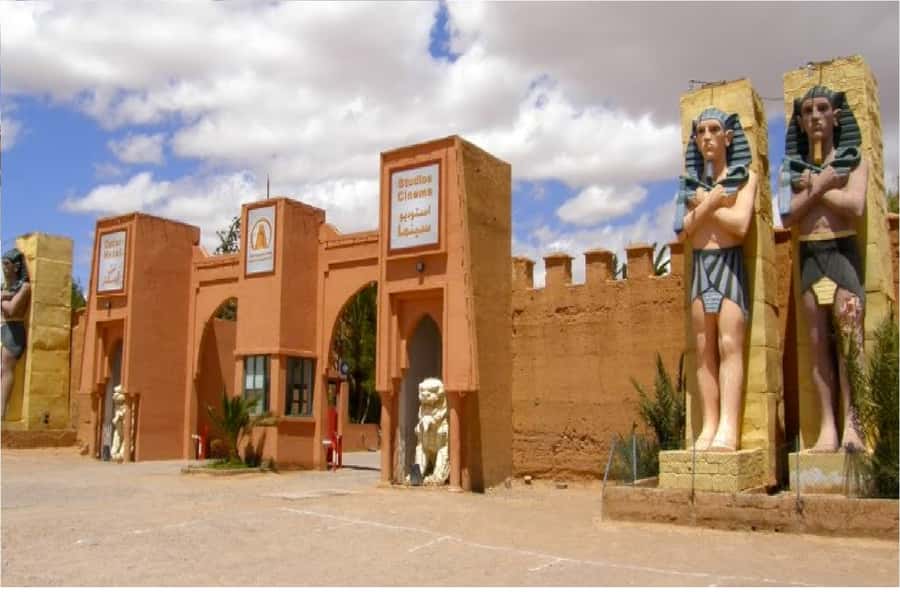
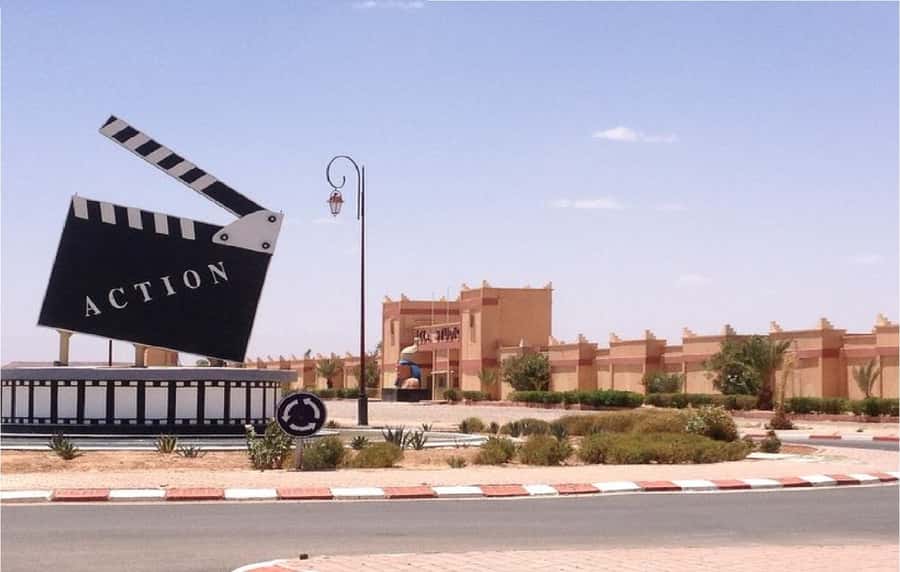
Ouarzazate is often called Morocco’s film city because productions have used the area’s dry hills, kasbahs, and fortified villages. Atlas Studios is the obvious optional stop. Its entrance fee is not included, so bring cash if you want to go inside.
The studio visit can be fun for film fans, but it is not essential for everyone. You may prefer to save the money and spend more time taking in the old buildings and nearby views. Ask your driver how much time is available before paying, since the route still has to reach Marrakech.
The day’s main attraction is Ait Ben Haddou. This fortified village, or ksar, is one of Morocco’s most recognizable sights. Its earthen walls and clustered buildings rise above the surrounding valley, making it easy to understand why filmmakers have used it as a setting. You will have time to walk toward the walls, take photographs, and see how the settlement is arranged.
Ait Ben Haddou is also one of the busiest-feeling parts of the trip. The place is beautiful, but it is not an untouched village experience. Shops and organized visits are part of the setting. Even so, it is worth your time because the architecture, setting, and scale are unlike anything in Fez or Marrakech.
Day three: crossing the High Atlas into Marrakech
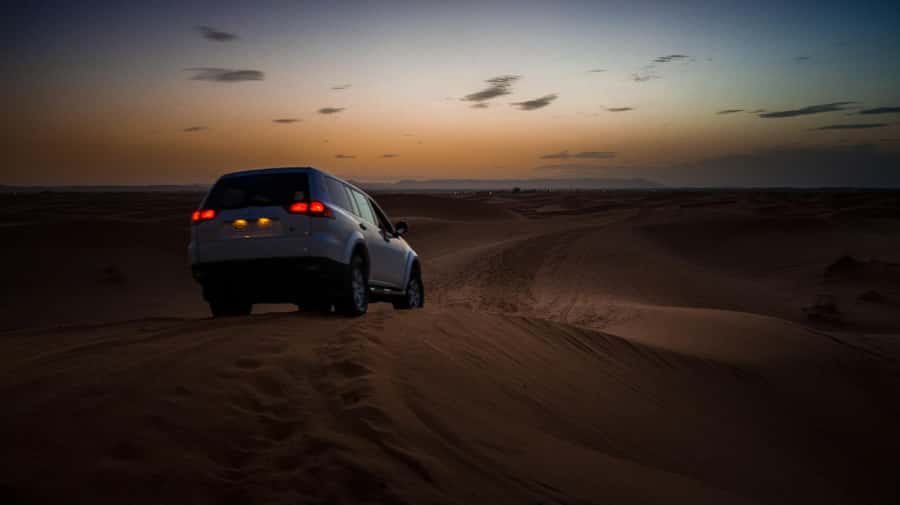
After breakfast in Ouarzazate, you travel toward Marrakech through the High Atlas. The road climbs through high passes and Berber villages, with broad views of valleys and steep mountain slopes. In winter, snow can close roads or force a detour. One group had to reroute through Agadir after heavy snowfall, yet still reached Marrakech safely.
This is another reason to judge the tour by its transport rather than only its sightseeing. The route is weather-sensitive, and arrival times can shift. Drivers have handled difficult roads carefully, but nobody can promise a fixed schedule in mountain weather.
Lunch is again extra, usually at a stop along the road. The same concerns apply: prices can be higher than local rates, and food quality varies. The driver may suggest a restaurant because it can handle a minibus and a group quickly. That is practical, but not always the best meal of your holiday.
Arrival in Marrakech is often around 6:00 p.m., though traffic can make the final drop-off slow. The vehicle may need to leave passengers at different accommodations across the city. Drivers have been praised for taking time to deliver people to their riads even when the streets are crowded and difficult to navigate.
Transport, group size, and the human factor
The air-conditioned vehicle is one of the tour’s most important features. You are not simply paying to get from Fez to Marrakech. You are paying to cross remote roads without renting a car or managing navigation yourself.
The van is generally described as spacious and comfortable, but comfort depends on how full it is. With up to 17 people, space could feel tighter than in the smaller groups described by some passengers. Confirm the expected group size if personal space matters to you.
The strongest praise goes to individual drivers. KWISKITA is noted for clear travel-time updates, patient photo stops, and help with luggage. Karim is praised for humor, care toward an older passenger, and explanations at each stop. Momo receives strong marks for English, safe driving, and a friendly manner. Tarek is credited with frequent breaks and avoiding pressure at sales stops. Younes Kerroumi is repeatedly described as helpful, multilingual, and willing to stop for photographs.
That said, guide service is not perfectly uniform. One passenger found the first driver more like a chauffeur than a guide, with too little explanation about stops. Another wanted a clearer schedule. You can improve the experience by asking at the start of each day where you are stopping, how long you have, and which visits are optional.
Is $170 a good value?
Yes, if you want the desert experience and need to travel between Fez and Marrakech. The package combines transport, fuel, two nights of accommodation, two dinners, two breakfasts, camel trekking, and a local camel guide. Booking those pieces separately would take more time and could cost more.
The value drops if you dislike fixed restaurant stops or want independent control over your meals. Lunches, drinks, Atlas Studios, and possible shopping purchases add to the headline price. You should also budget for snacks, because the included meals are not always enough for everyone.
For a first visit to southern Morocco, the range of scenery is impressive. You see monkeys and cedar forests, snow or high mountain roads, desert dunes, gorges, valleys, kasbahs, film sites, and traditional villages. The price is fair because the tour covers so much ground, but the tradeoff is speed.
Who should book this route?
I would choose this tour if you have only three days, do not want to drive Moroccan mountain roads, and want a straightforward route from Fez to Marrakech with a Sahara night included. It suits first-time visitors who want many major sights in one sweep.
It is also a good match for people who enjoy road trips and do not mind early mornings. The camel ride, desert camp, Todra Gorge, and Ait Ben Haddou provide the strongest reasons to go.
I would hesitate if you need slow mornings, long meals, or several hours alone at each site. Families and older passengers can manage it, especially with a considerate driver, but the driving time should be taken seriously. A longer four or five-day itinerary would give the desert and southern towns more breathing room.
Free cancellation up to 24 hours before departure and the option to reserve without paying immediately make planning easier. The tour is also listed as wheelchair accessible, though you should confirm how the camel transfer and specific vehicle arrangements work for your needs.
Should you book it?
Book it for the route and the Sahara night, not for gourmet food or leisurely sightseeing. At $170, this is a practical way to connect Fez and Marrakech while seeing Morocco’s southern highlights. Go in with warm clothes for the Atlas, cash for lunches and optional entries, snacks for the road, and realistic expectations about long drives.
If you can add another day, do it in Merzouga or choose a longer version. If three days is all you have, this tour packs in a remarkable amount of Morocco and offers very good value, especially when your driver is one of the patient, careful guides assigned to the route.
FAQ
How long is the tour?
The experience lasts three days and includes two nights, one in a Merzouga desert camp and one in a hotel or riad in Ouarzazate.
Where does the tour begin and end?
Pickup is from your hotel in Fez, and the tour ends with drop-off in Marrakech.
What time does pickup begin in Fez?
The stated departure time is 7:30 a.m.
Is the camel ride included?
Yes. A local camel guide and camel trekking in the Merzouga desert are included.
What accommodation is provided in Merzouga?
The package includes a night in a luxury desert camp. The tents are described as having private bathrooms, and some accounts also mention showers, electricity, and comfortable beds.
Are meals included?
Dinners and breakfasts are included at the Merzouga camp and the Ouarzazate accommodation. Lunches and drinks are not included.
Is Atlas Studios included?
No. The entrance fee for Atlas Studios in Ouarzazate is separate.
How large is the group?
The tour is described as a small-group experience with a maximum of 17 participants.
What languages are available?
The listed driver languages are English and French.
Is the tour wheelchair accessible?
Yes, the activity is listed as wheelchair accessible. Confirm the practical arrangements for the vehicle and camel portion before booking.
More 3-Day Experiences in Fes
- Majestic Desert: 3-Day Luxury Journey from Marrakech to Fes
★ 4.9 · 1,437 reviews - From Fes: 3 Days and 2 Nights Desert Trip to Marrakech
★ 4.6 · 460 reviews - From Fes To Marrakech: 3-Day Sahara Desert Tour & Camel Trek
★ 4.8 · 389 reviews - From Fes: 3-Day 2-Night Desert Tour to Marrakech
★ 4.5 · 259 reviews
Just listed out of Fes
- Moroccan Crepes & Pastries Kitchen★ 4.9 · 34 reviews
- Exclusive Fez Medina Walking Tour with a local Guide★ 4.9 · 35 reviews
- Fez: Half-Day Sightseeing Tour★ 4.6 · 36 reviews
- Creative Painting on Fes Pottery★ 4.9 · 38 reviews
- From Fez: 2-Days Desert Tour to Marrakech via Merzouga★ 4.3 · 40 reviews
- Fez: 2 Day-1 Night Luxury Sahara Desert Trip to Fez/Marakech★ 4.7 · 41 reviews
- Fes City Tour: Discover the Medina’s Treasures★ 4.8 · 42 reviews
- From Fes: Day trip to Sefrou & Bhalil★ 4.8 · 51 reviews
Sahara Desert Tours, compared.
3 Days Desert Tour From Marrakech To Merzouga Dunes & Camel Trek
Read our review →
3-Day Marrakech to Fes Sahara Desert Tour via Merzouga
Read our review →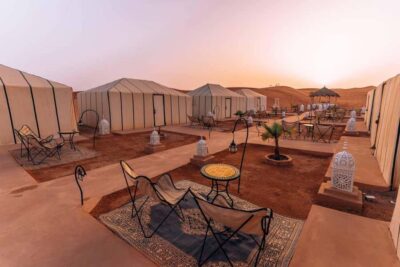
3-Day Merzouga Desert Experience Camel & Meals
Read our review →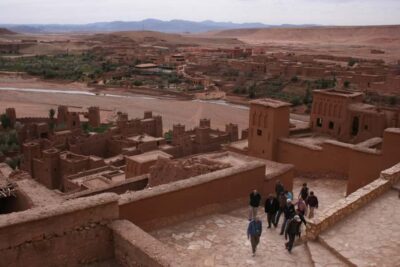
3-Day Tour to Merzouga Erg Chebbi with Food & Camel Trek
Read our review →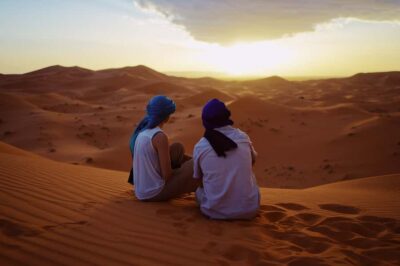
Sahara Desert 2-Day Tour with Merzouga Camp Stay
Read our review →Browse the lists this tour appears in