
Reviewed · SAHARA DESERT TOURS
3-Days Desert Tour to Marrakech with Night in Erg Chebbi from Fes
The best part of this three-day journey is the sudden change from cedar forests and Middle Atlas villages to the Sahara dunes. You leave Fes in the morning, ride a camel into Erg Chebbi near sunset, sleep in a traditional tent, then cross kasbah country and the High Atlas before reaching Marrakech. It is a lot of Morocco in a short time.
I like the sunset camel ride and the dawn over the dunes, two moments that give this transfer real purpose. I also like the route’s variety: monkeys near Azrou, the Ziz palm oasis, Todra Gorge, Ouarzazate, and UNESCO-listed Ait Ben Haddou. The catch is simple: you spend long hours in the vehicle, and some stops can feel arranged for tourism rather than local life.
Key points to know before booking
- The desert night is the tour’s main event: Ride camels into the Erg Chebbi dunes, eat dinner, and sleep in a Berber-style camp.
- The route covers huge distances: Expect extended drives on all three days, especially between Merzouga, Ouarzazate, and Marrakech.
- Your driver may be your main source of information: Guides such as Driss, Abdul, Zaki, Mohammed, Hamza, and Aimed have been praised for safe driving and friendly help, but the depth of historical explanation can vary.
- The group can reach 15 people: Small-group and private upgrades offer more personal space and, in some cases, better camp facilities.
- Lunches and entry fees cost extra: Bring money for food, drinks, the Atlas Studios visit, and other paid stops.
- The tour suits active sightseers: You need moderate fitness for the camel ride, walking at the gorges and kasbahs, and long days on the road.
Fes to the Middle Atlas: a scenic but lengthy start
Pickup begins at about 8 a.m. from your hotel in the Fes Medina. The air-conditioned minivan is practical for the long crossing, and the maximum group size is 15. That is small enough to keep the trip manageable, but you should not expect the flexibility or quiet of a private car.
The first major stop is Ifrane, a French-built mountain town known for its Swiss-style architecture and winter-sports setting. It is an unusual opening to a Morocco desert trip. Soon after, the road reaches the cedar forests around Azrou, where Barbary macaques are often seen near the roadside.
The forest stop has appeal, but it may not match your hopes for a wild nature experience. Some sightseeing takes place close to the road, and local people may be present offering photo opportunities. I would treat the monkeys as a brief roadside encounter, not as a full wildlife visit.
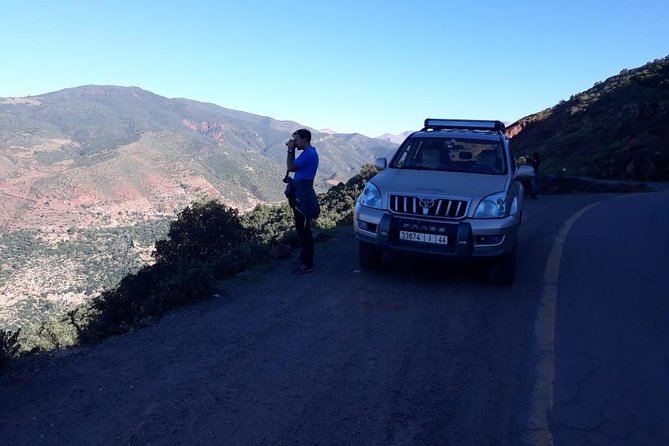
From Azrou, the minivan crosses the Middle Atlas. This is one of the most rewarding stretches for scenery, with springs, rock faces, small villages, and changing colors as the road drops toward the dry country. You will want a window seat, though the road and the length of the drive can make the first day tiring.
Midelt provides the main break, usually for lunch. The town is known for fossils and rocks, but lunch is not included, and the meal stop may be geared toward tour groups. You can save money by checking prices before ordering. Drinks are also your responsibility throughout the trip.
A few other Fez days worth comparing
- From Fez: Sahara Desert 2-Day Tour with Merzouga Camp Stay
★ 4.8 · 1,716 reviews - From Fes to Marrakech: 3-Day Sahara Desert Discovery Tour
★ 4.7 · 1,158 reviews - Fes: Best Fez to Marrakech via Merzouga Desert Dunes, 3 Days Tour
★ 5.0 · 959 reviews
The Erg Chebbi camel ride and desert camp
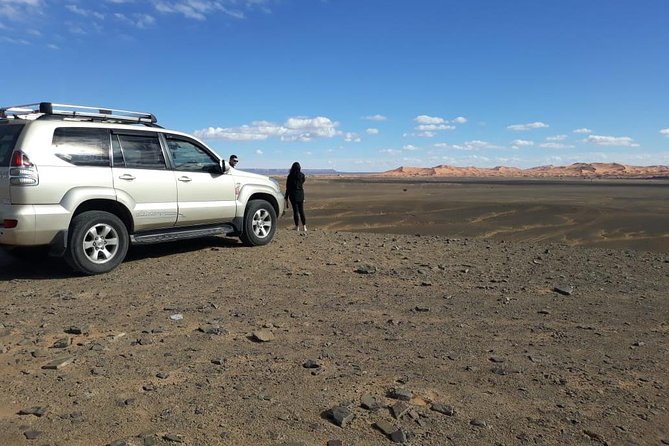
The approach to Merzouga brings a sharp change in scenery. Palm groves and the Ziz Oasis appear before the road reaches the dunes, giving you a wide view of the palms and the sandy Erg Chebbi area.
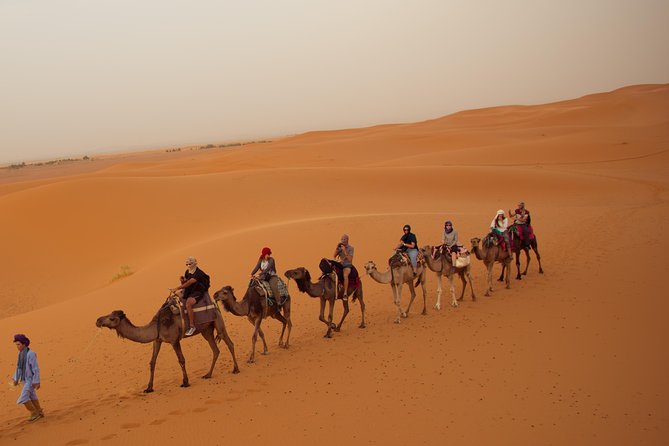
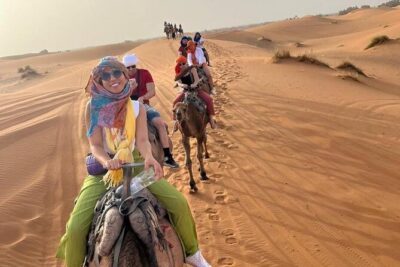
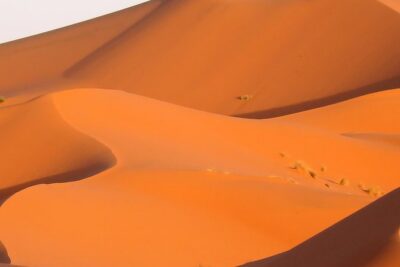
After tea, you meet the camels for the ride into the desert. The camel journey takes about an hour and is timed for the sunset. This is the emotional center of the trip, with the dunes taking on new color as the light fades. The ride is not a fast adventure activity. It is a slow, swaying crossing, and you should expect some discomfort if you are not used to sitting on a camel.
Animal welfare deserves attention here. Conditions and handling can vary, and one account raised concern about a young camel being forced into position. If you see an animal in distress, you can choose to walk part of the route instead. Ask the camp staff about the plan before setting off, since the camel area can feel confusing when several groups arrive at once.
At camp, the camels are secured, mint tea is served, and dinner follows. The included meals cover two dinners and two breakfasts, but not lunch or drinks. The standard camp uses traditional Berber-style tents. Small-group upgrades may include an ensuite tent, while the luxury option offers a deluxe camp and tent.
The appeal of the overnight stay is not just the tent. It is the combination of silence, open sky, camp hospitality, and the chance to watch the stars away from city lights. The camp staff have earned strong praise for their care, food, and evening atmosphere. Cats may wander through camp, and the setting can feel warm and social rather than isolated.
Still, do not assume every upgrade produces a completely different trip. Camp standards can vary by departure, and a higher-priced option may not always mean that every meal or hotel is more refined. Ask exactly what your selected category includes before paying extra.
Wake early for sunrise. The dunes are often at their best in the cool morning light, and this is one of the few moments when the schedule feels unhurried. After breakfast, you leave the sand and begin the long route toward the kasbahs and gorges.
From the desert to Todra Gorge and the Dades Valley
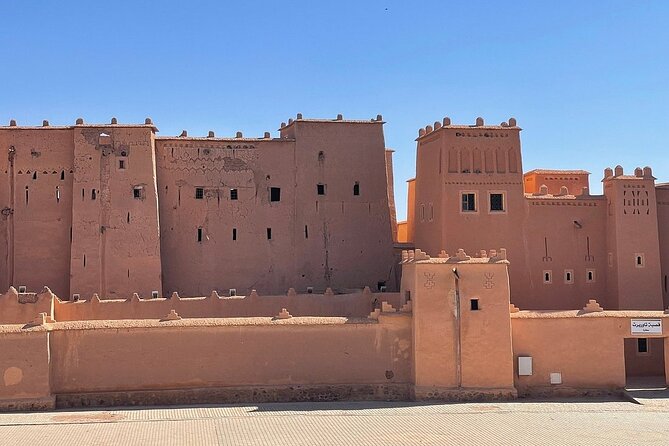
Day two follows the old caravan route often called the Road of a Thousand Kasbahs. Its name fits the scenery: mud-brick villages, fortified homes, palm groves, and turreted buildings appear along the valleys. The region also has strong links to film production, which helps explain the tour’s later stop at Atlas Studios.
The road from Merzouga to Ouarzazate takes about four hours, followed by more driving toward the gorges. You will see plenty through the windows, but there is limited time for unplanned village stops. This is a transfer with sightseeing built in, not a slow village-to-village trip.
Todra Gorge is the key outdoor stop. You can walk into the narrow canyon after lunch, seeing the tall rock walls close up. The visit adds a welcome chance to stretch your legs after the morning drive. Admission for the gorge is not included, according to the schedule, so confirm any local fees before entering.
The route then passes through the Dades Valley, where dramatic cliffs, palms, and mud villages replace the open desert. Dinner is taken late at the hotel, either in the gorge area or in Ouarzazate, depending on the operating plan. That late meal and the long drive are worth preparing for, especially if you prefer early nights.
Accommodation on this night may be a hotel rather than a traditional kasbah. That distinction matters. You may picture a small local inn among the mud-brick villages, but some departures use Western-style hotels that cater to larger tour groups. The lodging is included, yet the character can be less atmospheric than the desert camp.
Shopping stops also need a realistic view. The route may include visits to cooperatives or tourist-oriented shops, and prices can be higher than in Fes markets. If you are interested in rugs, spices, or crafts, compare prices and do not feel pressured to buy. The tour can show you how goods are presented, but it does not guarantee a community-led shopping experience.
Ouarzazate, Taourirt Kasbah, and Atlas Studios
Day three begins with breakfast and time around Ouarzazate. The town is a useful base for exploring southern Morocco, with its ochre buildings and links to the film industry.
Taourirt Kasbah is the main cultural sight in town. Its earthen walls and maze-like rooms help explain how powerful families once lived and worked in this part of the country. The visit is more rewarding if your driver or local guide gives context, but the quality of explanation varies. Some drivers, including Driss and Abdul, have been praised for clear English and regular commentary. Other departures may feel closer to a transport service with stops than a guided history tour.
Atlas Studios is an optional paid visit. The listed fee is 8 euros per person, and the studios are described as the largest and most famous in Africa. You may recognize sets connected with films such as The Last Temptation of Christ, The Jewel of the Nile, and Hideous Kinky.
The studio visit is fun if you enjoy movie locations, but it is not essential for every visitor. You may need to arrange your own entry among local guides, and the fee is separate from the tour price. If your priority is village life or architecture, you might prefer more time around the kasbahs.
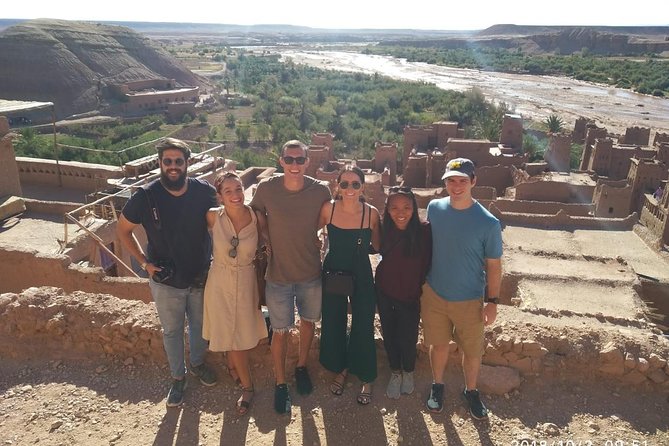
Ait Ben Haddou is the strongest cultural stop on the final day. This fortified village, protected as a UNESCO World Heritage site, is built from earthen architecture and has appeared in Gladiator, Babel, and Lawrence of Arabia. Its alleys and high position make it highly photogenic, but the settlement is also set up for tourism, with shops and businesses aimed at visitors.
You should allow time to walk through the kasbah rather than simply photograph it from the road. The schedule brings you there near lunch, so the stop can feel rushed. Entry to the main visit is listed as free, while lunch is not included. If you want a quieter experience, use any free time to look beyond the main commercial route.
Same city, a completely different day out:
- Chefchaouen Day Trip from Fez (Shared Group Tour)
★ 4.6 · 2,394 reviews - Fes: Volubilis Roman Ruins, Mouly Idriss, & Meknes Day Trip
★ 4.6 · 2,375 reviews - Fez Medina Guided Tour
★ 4.6 · 2,079 reviews - Blue City magic: Affordable Day Trip from Fez to Chefchaouen
★ 4.6 · 1,960 reviews
Crossing Tizi n’Tichka into Marrakech
The final drive crosses the High Atlas through Tizi n’Tichka Pass at about 2,260 meters. The road climbs sharply from the plains, passing small villages, waterfalls, and changing mountain colors before descending toward Marrakech.
This is another beautiful section, but it is not a quick finish. The mountain crossing is listed at about two hours, and delays can push arrival later than expected. One mechanical breakdown caused a serious delay on a past departure, and long smoke breaks within a group also added time. Mechanical trouble is hard to predict, but you should not schedule an important evening activity in Marrakech too tightly.
The driver’s role matters most on this road. People such as Hamza, Aimed, Driss, and Abdul have been praised for safe driving, help with luggage, hotel drop-off, and answers to questions. But not every driver is a trained guide. If you want detailed information about Moroccan history, architecture, and local customs, ask at booking if a dedicated guide is included.
The tour ends with drop-off at your Marrakech hotel or riad. That makes it useful as a one-way transfer, especially if you are replacing a long train journey with a full sightseeing route. You see far more than you would from a train window, but you pay with three demanding days and many hours seated in a van.
What the $186.10 price really covers
At about $186.10 per person, the standard package can be good value if you need to travel from Fes to Marrakech and want the desert experience along the way. It includes two nights of accommodation, air-conditioned minivan transport, a professional driver, the camel ride, sandboarding, two breakfasts, and two dinners.
The price does not include lunches, drinks, or entrance fees. Set aside extra money for the Atlas Studios visit and any other paid attractions. You should also check whether the advertised category means a standard tent, an ensuite tent, or a luxury camp, since those choices change the value considerably.
Group size is the key price question. A standard group can reach 15 people, and the shared schedule may mean longer waits, fixed meal stops, and less control over smoking or shopping breaks. A small-group trip may cost more but can give you more room and a better camp setup. A private option gives the most control and includes private transport by car, minivan, or four-wheel drive, plus a luxury desert camp.
For me, the standard price makes the most sense when the desert night is your priority and you accept basic logistics. I would consider the private option if you dislike group schedules, want to stop for photos, or care strongly about choosing restaurants and spending longer at Ait Ben Haddou.
Who should book this Fes to Marrakech route?
I would recommend it to you if you want one organized trip that links the Middle Atlas, Sahara, kasbahs, gorges, and High Atlas. It is especially useful if you have only three days between Fes and Marrakech and do not want to arrange several transfers yourself.
You should be comfortable with early starts, winding roads, long drives, and a moderate amount of walking. The camel ride, desert camp, gorge walk, and kasbah visit are manageable for many people, but the pace is not gentle.
This is not the best choice if your main goal is deep contact with rural communities or slow travel. Several stops can feel commercial, and there is limited time to explore villages away from the main route. It is also not ideal if you need dependable arrival times in Marrakech.
The most praised part of the experience is consistent: the desert sunset, sunrise, camp, and scenery. Drivers named Driss, Abdul, Zaki, Mohammed, Hamza, and Aimed have also made a strong difference through safe driving, kindness, language skills, and practical help. Your experience will depend partly on who is assigned to your vehicle.
Book this tour if you see it as a scenic desert transfer with a memorable overnight camp, not as a fully guided cultural expedition. Before confirming, ask which camp category you will receive, who will guide the group, how many people are expected, and which entrances are extra. With those details clear, the trip offers an efficient and dramatic way to cross Morocco.
FAQ
Where does the tour start?
Pickup starts from your hotel in the Fes Medina at about 8 a.m.
Where does the tour end?
The tour ends with drop-off at your hotel or riad in Marrakech.
How long is the experience?
The tour lasts approximately three days and includes two nights of accommodation.
Is the camel ride included?
Yes. A camel ride into the Erg Chebbi dunes is included, generally taking about one hour and timed for sunset.
What kind of desert accommodation is available?
The standard option uses a traditional Berber-style tent. Small-group upgrades may include ensuite facilities, and the luxury and private options include a deluxe desert camp and tent.
Are meals included?
Two breakfasts and two dinners are included. Lunches and drinks are not included.
Are attraction entrance fees included?
No. Entrance fees are excluded. Atlas Studios is listed at 8 euros per person, while other fees may apply at individual attractions.
How large can the group be?
The activity can have a maximum of 15 people. Small-group and private options are also available at different prices.
Can I request vegetarian meals?
Yes. A vegetarian option is available, but you need to request it when booking.
Just listed out of Fez
- Fez Cooking Class★ 5.0 · 33 reviews
- Fez Street Food Tour★ 4.5 · 33 reviews
- Discover Fes: Culture, handicraft & Hidden Treasures★ 5.0 · 33 reviews
- Moroccan Crepes & Pastries Kitchen★ 4.9 · 34 reviews
- Discover Fez and its hidden secrets★ 5.0 · 34 reviews
- Discover Fez with a local★ 5.0 · 34 reviews
- Fes Guided Tours★ 5.0 · 34 reviews
- Fes Guided Sightseeing Tour with Luxury Car All Inclusive Tickets★ 4.5 · 34 reviews
Sahara Desert Tours, compared.


3 Days Desert Tour From Marrakech To Merzouga Dunes & Camel Trek
Read our review →
3-Day Marrakech to Fes Sahara Desert Tour via Merzouga
Read our review →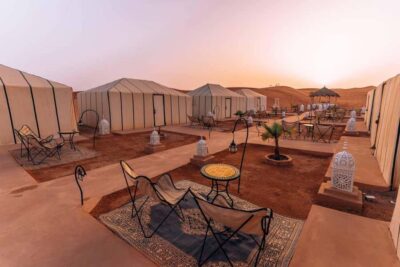
3-Day Merzouga Desert Experience Camel & Meals
Read our review →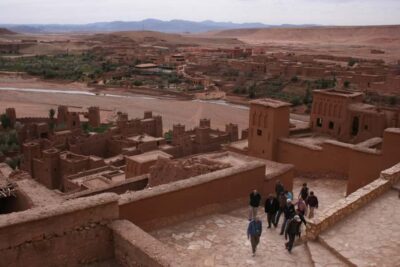
3-Day Tour to Merzouga Erg Chebbi with Food & Camel Trek
Read our review →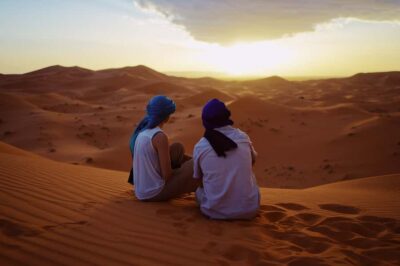
Sahara Desert 2-Day Tour with Merzouga Camp Stay
Read our review →Browse the lists this tour appears in