
Reviewed · CASABLANCA TOURS
Cook Moroccan Food & Try on Traditional Clothes like a local
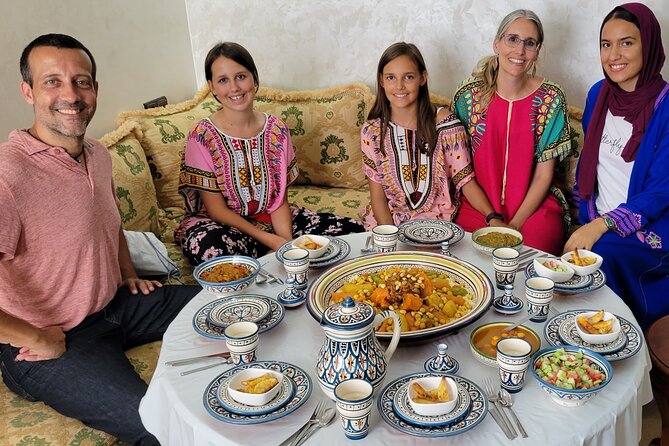
The best part of this Casablanca experience happens around a family kitchen table. Wissal and her mother teach you recipes passed down from her grandmother, then share the meal with you in their home. I especially like the hands-on cooking and the chance to wear authentic caftans and takchitas, not just watch a staged demonstration.
I also like that the class can be shaped around your schedule and diet, with lunch or dinner options and vegetarian or vegan dishes available on request. The main consideration is that this takes place in a private home, so it suits you best if you enjoy an intimate cultural visit rather than a polished cooking school with commercial facilities.
Key points at a glance
- Family recipes in a Casablanca home: Wissal and her mother explain the food through their own family traditions.
- Several dishes, not just one: Depending on your menu, you may prepare tagine, couscous, pastilla, salads, tea, and other Moroccan favorites.
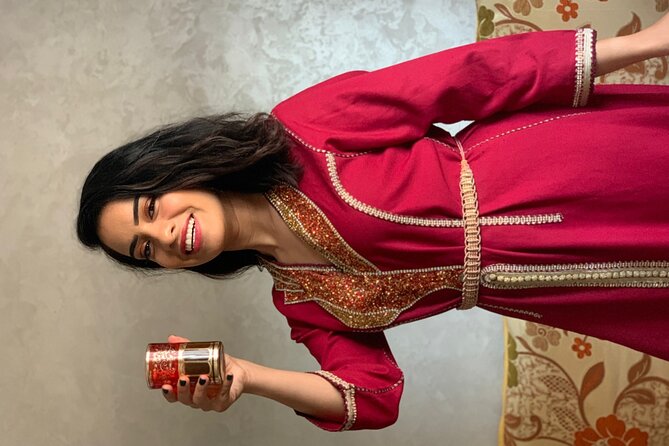
- Traditional clothes included: Try Moroccan caftans and takchitas and take memorable photos during the visit.
- A full four-hour meal experience: Mint tea, homemade cookies, mocktails, salads, and the dishes you prepare are all part of the time together.
- Private and adaptable: Only your group participates, with vegetarian and vegan options available by request.
- Good value at $61.20: The price covers instruction, food, cultural conversation, clothing, and even a small local gift.
A Casablanca welcome with mint tea and homemade cookies
The experience begins at the meeting point near the angle of Boulevard Tah and Mohamed 6 in Casablanca. From there, you visit Wissal’s home, where the formal sightseeing part of the day gives way to something more personal.
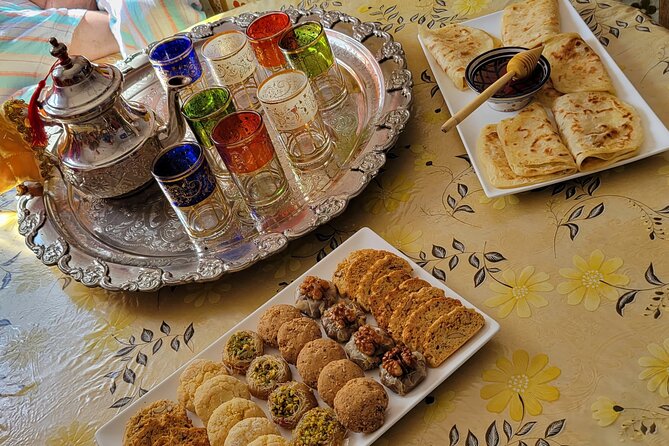
You begin with traditional mint tea and homemade cookies. Some visits also include Moroccan coffee, Arabic coffee, or a small guessing game involving the spices in the drink. These opening refreshments are not filler. They give you time to settle in, meet members of the family, and start asking questions before you handle a knife or reach for a spice jar.
I like this slow beginning because Moroccan hospitality often starts with conversation and tea, not a quick briefing followed by a rushed demonstration. You get a sense of the home, its traditional decoration, and the family atmosphere before the cooking starts.
The setting is important. This is not a restaurant kitchen designed for groups, and it is not a market visit with a shopping checklist. You are welcomed into a personal space. That makes the experience feel more like being invited for a meal by a Casablanca family, but it also means you should arrive respectfully and treat the home as you would your own.
A few other Casablanca days worth comparing
- Casablanca Food Tour – Moroccan Street Food Tour
★ 5.0 · 86 reviews - Casablanca Food Tour
★ 5.0 · 60 reviews - From Marrakech: Merzouga 3-Day Desert Safari with Food
★ 4.7 · 12,232 reviews
Choosing a menu built around Moroccan classics
After tea, Wissal discusses the dishes with you. The exact menu can be adapted, and she may contact you before the visit to ask about allergies, preferences, and what you would most like to learn.
The dishes associated with the class include tagine, couscous, pastilla, local salads, hot salads, Moroccan mint tea, virgin mojitos, and cookies. Some participants have prepared chicken and vegetable tagines separately, along with cucumber and tomato salad and a cooked hot salad.
That variety is one of the strongest reasons to book this class. Many cooking lessons focus on one signature dish. Here, you may learn several parts of a Moroccan meal, from a fresh salad to a slow-cooked main course and a sweet finish. You also see how the dishes fit together as a complete meal.
Tagine is likely to be the main event. You learn how Moroccan spices, vegetables, meat, fruit, or other ingredients work together in a covered cooking vessel. The value is not only in copying a recipe. Wissal explains techniques and family methods that can help you recreate the flavors at home.
Couscous and pastilla bring a different lesson. Couscous shows the importance of texture and preparation, while pastilla gives you a taste of one of Morocco’s more elaborate savory pastries. The exact recipes depend on your chosen menu, so ask in advance if there is a particular dish you want to focus on.
Cooking with Wissal and her mother
Wissal leads the class and translates the cooking into clear, practical steps. Her mother provides the family connection behind the recipes, with techniques learned across generations. This mother-daughter pairing is more than a charming detail. It lets you hear how Moroccan cooking is taught within a household and how recipes change or endure over time.
You take part in the preparation rather than simply watching. Expect to chop, mix, season, shape, and follow instructions as the meal comes together. The cooking is paired with conversation about Moroccan life, Casablanca, family customs, and the meaning behind traditional foods.
Wissal speaks good English, which matters when a recipe depends on small details. Moroccan cooking often involves adjusting seasoning by sight, smell, and texture rather than following exact measurements. The ability to ask questions as you work makes the class much more useful than a recipe card alone.
The atmosphere is also suitable for different kinds of groups. A solo visitor can have a relaxed conversation with Wissal and her family. Couples and friends get a private class without strangers at the table. Families can take part together, and one particularly young participant, a seven-year-old, was able to move between the cooking and the family interaction.
Still, you should know what kind of class this is. It is a home-style lesson, not a professional culinary course. If you want formal knife instruction, restaurant-level equipment, or a tightly timed chef demonstration, this may feel informal. If you want food, stories, and a direct connection with a local family, the relaxed approach is the point.
The clothing session adds a welcome cultural layer
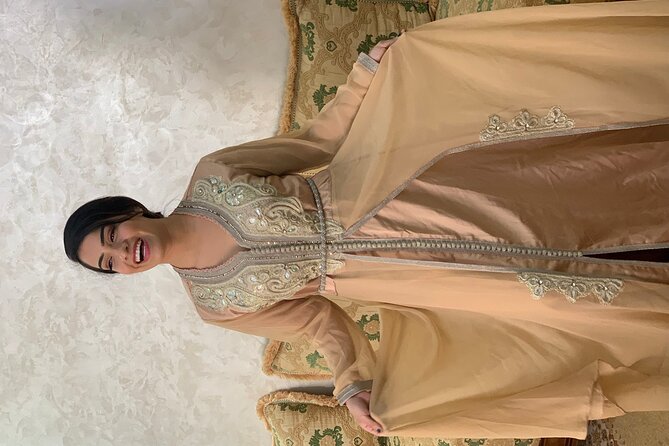
At some point during the visit, you can try on traditional Moroccan clothing, including caftans and takchitas. The clothing gives you a chance to take photos in a more personal setting, and Wissal explains when garments like these are typically worn.
This part works well because it connects clothing with social life rather than treating it as a costume stop. You are not simply posing beside a display. You are learning how Moroccan dress relates to celebrations and occasions.
The clothing session is especially useful if you want photographs that feel connected to the place. It also breaks up the cooking, giving you a short change of pace while the meal continues to develop.
The wording allows you to try the clothes or observe the process, so the activity is not forced. If dressing up is not your thing, you can focus on the cooking and conversation. If you enjoy photos, this is one of the more distinctive extras included in the price.
Same city, a completely different day out:
- From Marrakech: Casablanca Tour with Hassan II Mosque Visit
★ 4.7 · 4,756 reviews - Casablanca: Hassan II Mosque Premium Tour with Entry Ticket
★ 4.5 · 2,971 reviews - Casablanca City Tour with Hassan II mosque ticket
★ 5.0 · 2,480 reviews - Casablanca: City Tour with Hassan II Mosque Entry Ticket
★ 4.6 · 1,137 reviews
Eating what you prepared, Moroccan style
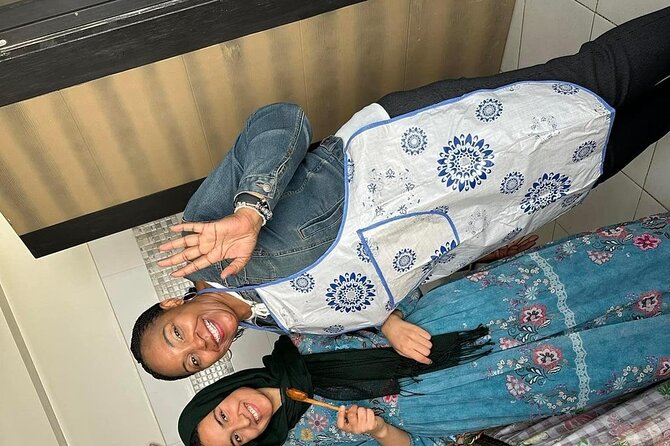
When the food is ready, you sit down and eat together. The meal may include the tagine, couscous, pastilla, salads, tea, mocktails, cookies, and other snacks prepared during the visit.
The meal is where the class pays off. You have handled the ingredients, watched the cooking stages, and then tasted the final result. Tagine is frequently singled out as a highlight, especially when made from Wissal’s family recipe.
Mint tea is part of the experience from beginning to end. You may learn how it is prepared, not simply receive a glass at the table. The tea and local sweets help explain the social role of food in Morocco, where serving something to drink is part of welcoming people into the home.
The virgin mojito and other nonalcoholic drinks are useful for visitors who want something refreshing alongside the meal. The experience is designed around food and hospitality, not alcohol, so it works well for families and for those who do not drink.
Come hungry. Four hours of tea, cookies, snacks, drinks, several prepared dishes, and a full meal can be a lot of food. A light breakfast or lunch beforehand makes sense if you have a late booking, but arriving with room to eat is good advice.
What the $61.20 price really covers
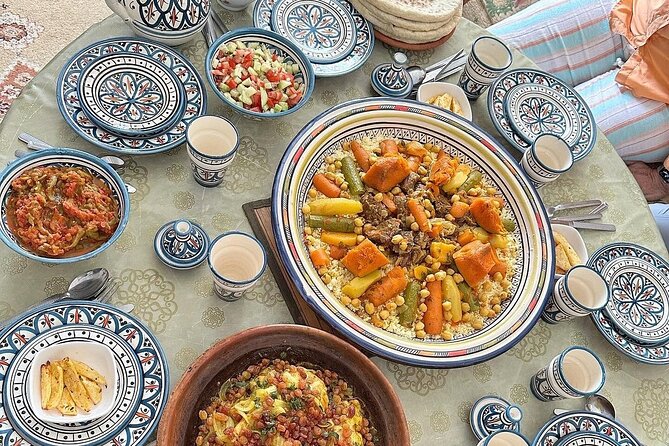
At $61.20 per person, this is not the cheapest way to sample Moroccan food. A simple restaurant meal in Casablanca can cost less. But you are paying for far more than a plate of tagine.
The fee covers roughly four hours of private instruction, ingredients, several courses, drinks, sweets, cultural conversation, access to traditional clothes, and a small local gift to take home. Only your group participates, so the host can adjust the menu and pace around your needs.
That private format is the key value. In a large cooking class, you may spend much of your time waiting for a turn or listening to a standard script. Here, you can ask about Moroccan Muslim culture, family customs, recipes, clothing, and everyday life as the conversation develops.
Transportation deserves a practical note. The stated meeting point is in Casablanca, and the activity ends back there. Wissal has helped some people arrange a private taxi to and from hotels, the cruise terminal, or other locations, with a driver named Abdul mentioned as punctual and English-speaking. Treat this as assistance that can be requested rather than assume transportation is included in the $61.20 price.
If you are arriving by cruise ship, allow extra time to get out of the terminal. One person needed to walk a considerable distance before reaching the taxi pickup area. Confirm the meeting details with Wissal and leave a sensible buffer.
Lunch or dinner, with a flexible private schedule
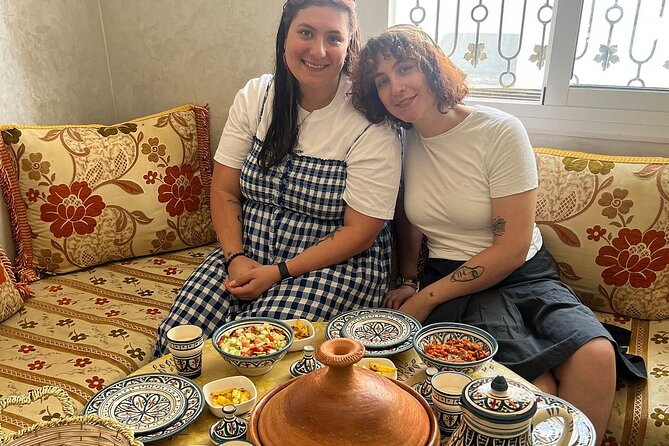
The experience lasts about four hours and can be booked for lunch or dinner. That makes it easy to fit into a Casablanca stay.
A lunch session works well if you want a substantial midday meal and a calm afternoon afterward. A dinner session can be a good choice for your first evening, since it gives you a warm introduction to Moroccan food and customs without requiring you to find a restaurant after a long arrival day.
Some visitors have chosen this as their first activity in Morocco. That makes sense if you want to understand the dishes you will see during the rest of your trip. After learning how tagine is built and how mint tea is served, restaurant menus become easier to read and appreciate.
Do not book this as a quick stop between tightly scheduled sights. Four hours is an approximate duration, and the meal, clothing, and conversation are central parts of the visit. You will get more from it if you let the pace remain relaxed.
Vegetarian, vegan, and family considerations
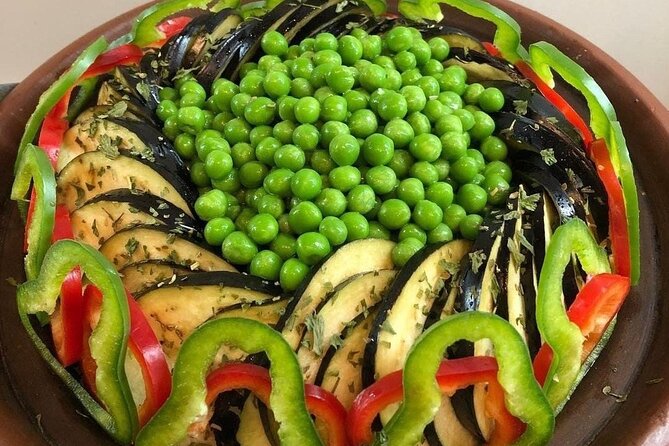
Vegetarian and vegan participants are welcome, with alternatives available on request. Tell Wissal about your diet before the class so she can plan the menu. The same applies to allergies and strong dislikes.
The private format is helpful here. A public food tour may offer limited substitutions, while a home class can be adjusted before shopping and preparation. You should still explain your needs clearly rather than wait until food is on the table.
Families can also benefit from the format. Children can see how food is made, try new flavors, and meet a Moroccan family in a natural setting. The class is not described as a children’s program, so parents should decide if a four-hour cooking and dining session suits their child’s attention span.
Service animals are allowed, and the home is near public transportation. No full accessibility description is provided, so contact Wissal directly if you need specific information about stairs, seating, or kitchen access.
Small gifts and the feeling of being welcomed home
The local gift at the end is a modest touch, but it fits the experience. You leave with something physical from the visit, along with recipes and a better understanding of the family traditions behind the food.
The strongest feature is the personal welcome. Wissal and her mother are not simply presenting Moroccan culture as a product. They are sharing their home, their food, and stories about how recipes are passed from one generation to another.
That openness comes with a responsibility for you. Dress and behave respectfully, ask before photographing family members or private areas, and remember that the cooking space is someone’s home. A little courtesy makes the visit more comfortable for everyone.
Free cancellation is available if you cancel at least 24 hours before the start time. Changes or cancellations made within 24 hours are not accepted for a refund, and the cutoff follows local Casablanca time.
Who should book this Casablanca cooking class?
I would choose this for you if food is one of the main reasons you visit Morocco, or if you want a personal introduction to Casablanca beyond monuments and city streets. It is also a strong fit for solo visitors, couples, families, and small private groups who prefer conversation over sightseeing from a bus.
Book it if you want to learn several dishes, wear Moroccan clothing, and eat in a family home. The class gives you practical recipes, but its greater value is the chance to ask questions and see how food, hospitality, clothing, and family life connect.
Think twice if you dislike eating in private homes, need a highly structured professional kitchen, or have only a short window in Casablanca. The class is deliberately social and relaxed, and the four-hour schedule is part of its appeal.
For most people who want an authentic home-style introduction to Moroccan cooking, I consider the $61.20 fee fair. The food alone is not the whole calculation. You are paying for time, personal attention, a private setting, and a cultural exchange that a standard restaurant meal cannot provide.
FAQ
Where does the experience take place?
The experience takes place in Wissal’s home in Casablanca, Morocco. The meeting point is listed near the angle of Boulevard Tah and Mohamed 6, and the activity ends back at the meeting point.
How long does the cooking class last?
The experience lasts approximately four hours.
Is the class private?
Yes. Only your group participates in the activity.
Can I choose lunch or dinner?
Yes. Lunch and dinner options are available to suit your schedule.
What Moroccan dishes might I prepare?
Possible dishes include tagine, couscous, pastilla, cucumber and tomato salad, hot salad, and other classic Moroccan recipes. The menu can be adapted, so ask Wissal about your preferred dishes.
Are vegetarian and vegan options available?
Yes. Vegetarian and vegan visitors are welcome, and suitable options can be requested.
Are drinks and sweets included?
Yes. The experience includes traditional mint tea, homemade cookies, snacks, mocktails such as virgin mojitos, and other local refreshments.
Can I wear traditional Moroccan clothing?
Yes. You can try traditional Moroccan clothes such as caftans and takchitas, and take photos during the experience. You may also observe if you prefer not to dress up.
Is transportation included?
The activity information gives a meeting point but does not state that transportation is included. Wissal has helped arrange private taxis for some people, so you can ask her about transport from your hotel or cruise terminal.
What is the cancellation policy?
You can cancel up to 24 hours before the experience for a full refund. Cancellations or changes made less than 24 hours before the start time are not accepted for a refund.
Just listed out of Casablanca
- Religious Casablanca: Private Spiritual Tour Including Hassan II Mosque Visit★ 5.0 · 33 reviews
- Private Day Trip to Rabat Departure from Casablanca★ 5.0 · 33 reviews
- Private Casablanca Market Tour and Cooking Class with Chamsi★ 5.0 · 33 reviews
- Sunset Camel Ride in the Palm Grove Of Marrakech★ 5.0 · 34 reviews
- Private Full-Day Tour in Casablanca with Pickup★ 5.0 · 34 reviews
- Casablanca: 6-Day Tour To Marrakech Via Chefchaouen & Desert★ 4.7 · 34 reviews
- 3 Days Chefchaouen and Fez from Casablanca Private Tour★ 5.0 · 34 reviews
- Casablanca Private Full-Day Highlights Tour★ 5.0 · 34 reviews
Casablanca Tours, compared.
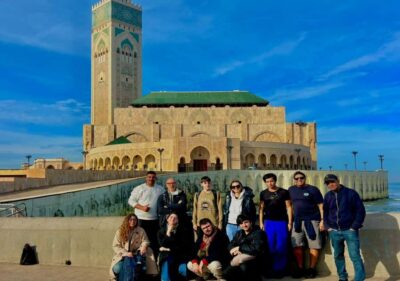
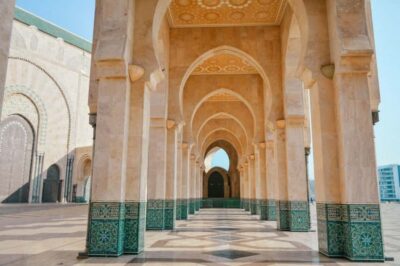
Hassan II Mosque Premium Tour with Entry Ticket
Read our review →
Casablanca City Tour with Hassan II mosque ticket
Read our review →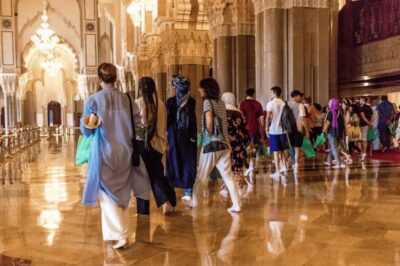
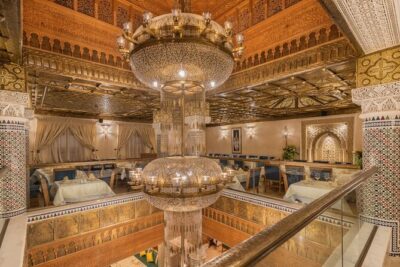
Private Tour of Casablanca with Hassan II Mosque Entry Ticket
Read our review →
Marrakech Day Trip with Camel Ride from Casablanca
Read our review →
Browse the lists this tour appears in