
Reviewed · TANGIER & NORTHERN MOROCCO DAY TRIPS
Tangier: Food Walking Tour
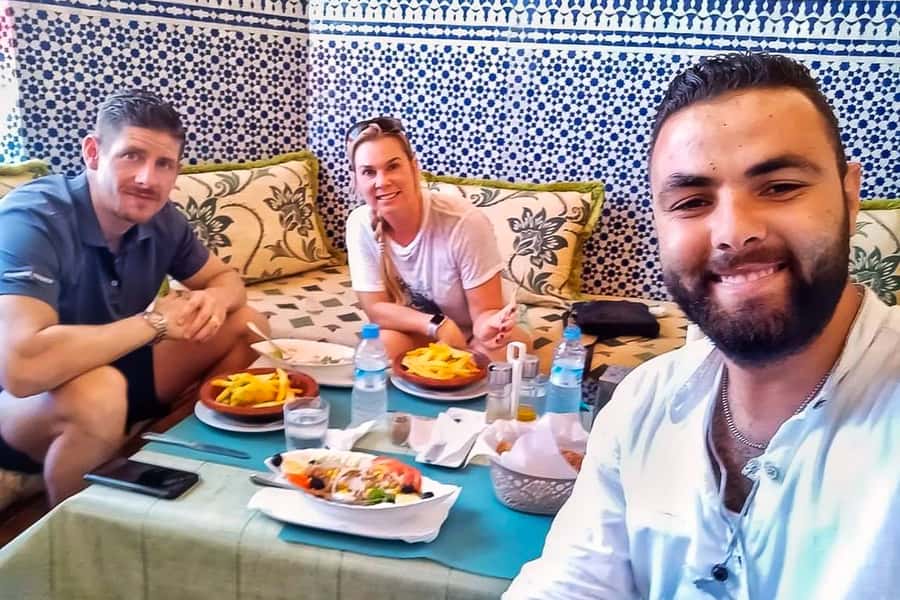
Tangier’s best food stories are served from market stalls, small cafés, and family-run kitchens, not from a printed menu. This three-hour walk leads you from Sour Meêgazine through M’Sallah, Grand Socco, and the Kasbah while you taste caliente, bissara, stuffed dates, bread, olives, pastries, smoothies, and tagine. I like the six tasting stops plus a full meal, and I like that guides such as Rabab, Mohammed, Ismail, and Anas connect each dish to local customs and daily life.
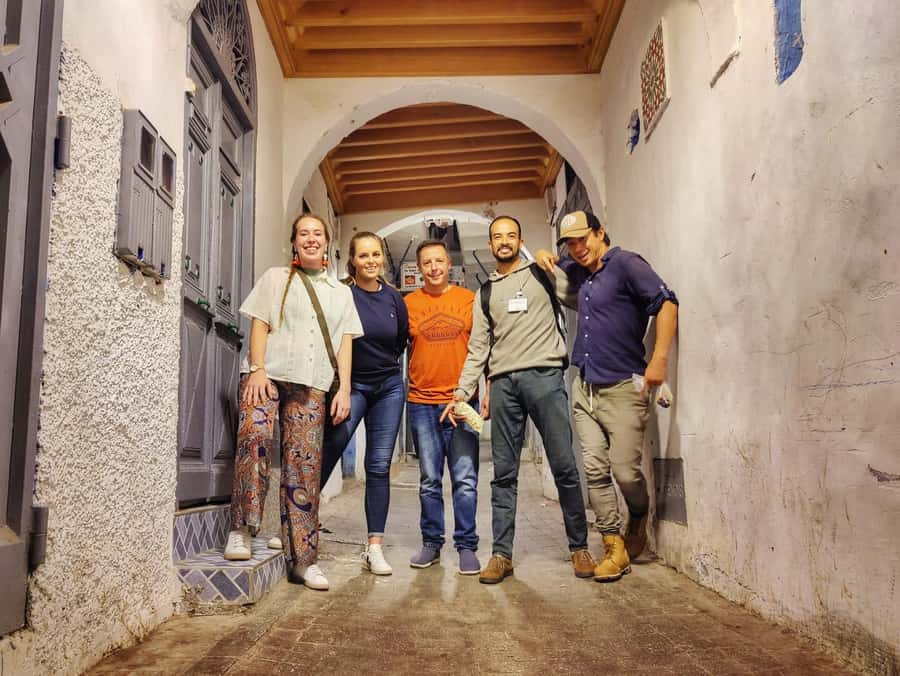
The walking route also gives you a useful first look at Tangier’s old town. You’ll see produce sellers, artisans, narrow lanes, and city viewpoints while moving at a pace that recent groups found manageable. The main consideration is the terrain: this is an old-city walking tour, so it is not suitable for wheelchair users or people with mobility impairments. Come hungry, since the portions add up quickly.
What makes this Tangier food tour worth your time
- Six food stops and a full meal: This is more than a quick sampling walk, and you should arrive with an empty stomach.
- A route through M’Sallah, Grand Socco, and the Kasbah: You see several sides of old Tangier rather than staying in one market.
- Guides with strong local ties: Rabab, Mohammed, Ismail, Anas, Ahmed, and others are praised for explaining both food and culture.
- Flexible tasting choices: Vegetarian, gluten-free, and lactose-free needs can be accommodated when you give notice.
- A finish near Café Hafa: The tour ends at one of Tangier’s well-known café spots, giving you a pleasant place to continue your afternoon.
- A useful introduction to the city: The food provides a reason to walk, while the guide helps you understand what you are seeing.
A three-hour introduction to Tangier through food
At $73 per person, this is not the cheapest way to eat in Tangier. It is a guided experience that combines a meal, six tasting stops, bottled water, local interpretation, and a walk through several important parts of the old city.
That package can be good value if you want more than a restaurant meal. You are paying for the guide’s time and local connections as much as for the food. Guides are familiar with the people behind the stalls and cafés, and the tastings may include places you would not easily choose on your own.
The tour runs for three hours. That is long enough to cover ground and eat well without turning into an all-day commitment. It also works nicely near the start of a Tangier stay, since you can ask where to buy foods you enjoyed and which areas deserve a second visit.
The tour is conducted in English. Group details are not specified, so I would check the available booking option if group size matters to you. Transportation is not included, and you need to make your own way to the meeting point and away from Café Hafa afterward.
More Walking Tours in Tangier
- 3h Private Walking Tour in Tangier Kasbah Medina & Colorful Souks
★ 5.0 · 148 reviews - Tangier: Private Guided Walking Tour of the Tangier Medina
★ 4.7 · 105 reviews - Private Walking Tour in Tetouan with Pickup
★ 5.0 · 87 reviews
Starting beside the third cannon at Sour Meêgazine
Your meeting point is next to the third cannon, the one in the middle, at Sour Meêgazine in Tangier. That precise landmark matters because old-city meeting points can be easy to miss when several streets and open spaces meet.
The first moments are likely about getting oriented. From here, your guide begins to place Tangier’s streets and old districts in context before the tasting begins. Bring comfortable shoes rather than anything dressy. You will be walking on old streets and narrow lanes, and the route is not designed for wheelchairs or people who have trouble with uneven urban surfaces.
The tour is best taken before a large breakfast or lunch. You are told to come on an empty stomach for good reason: the food is spread across the route, and the final meal comes after several earlier samples.
M’Sallah: the first food stops and a look at daily trade
The first scheduled section is M’Sallah, with about 45 minutes for guided walking and food tasting. This gives you an early chance to move beyond sightseeing and watch Tangier work as a living city.
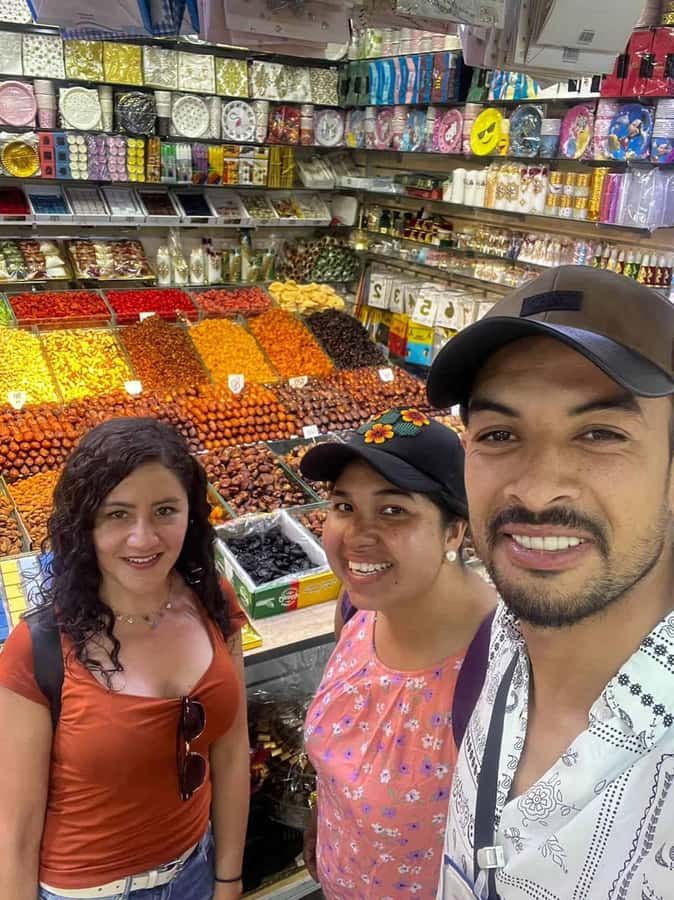
The tour passes local markets where you may see fresh produce vendors and artisans at work. The value here is not only what you eat. You also get a look at how ingredients move from market counters into home kitchens, cafés, and street-food stalls.
Foods named for the tour include caliente, a local chickpea-based specialty, along with stuffed dates and bissara. The exact order and selection can vary, but the general idea is clear: you are tasting everyday Moroccan food rather than a formal sequence prepared only for visitors.
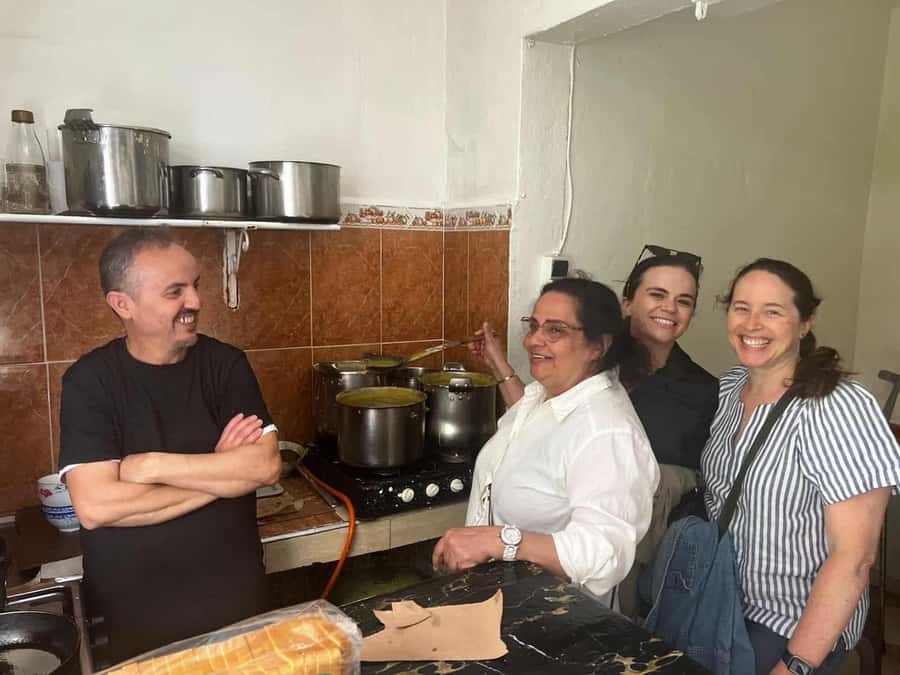
A guide can make a simple food stop more useful by explaining when people eat it, how it may be prepared at home, and why the dish belongs to Tangier’s food culture. Mohammed, for example, is praised for explaining local bread, soup, olives, meat pastry, smoothies, and tagine during one route. That range gives you a better sense of Moroccan eating than one large restaurant plate would.
Grand Socco: a busier crossroads with room to pause
The second food section takes about 45 minutes at Grand Socco. This is one of the city’s key public spaces, and it gives the walk a change of pace after the market streets around M’Sallah.
Here, the guide continues the mix of food and place. You might stop with a vendor, enter a small eating spot, or pause for a dish while hearing about Tangier’s customs and city life. The precise vendors are not fixed in the information provided, which is useful to remember if you are expecting a set restaurant itinerary.
The strongest feature of this tour is its range of settings. One stop may feel like a market purchase, another like a café visit, and another like a sit-down meal. That variety helps you understand how local food is actually eaten. It also keeps the three hours from feeling like a march between identical tasting counters.
The route includes photo opportunities and views along the way. Still, this is not a photography tour. If you stop constantly for pictures, you may miss part of the guide’s explanation or hold up the group. I would keep your camera ready, but give the food and conversation priority.
A few other Tangier days worth comparing
- From Tangier: Chefchaouen Day Trip with Local Guide
★ 4.8 · 3,287 reviews - From Tangier: Cap Spartel and Hercules Cave with Camel Ride
★ 4.7 · 1,157 reviews - From Tangier: Special Day Trip to Chefchaouen and Tetouan
★ 4.6 · 816 reviews - Tangier: Hop-On Hop-Off Sightseeing Bus
★ 4.1 · 769 reviews
Place de la Kasbah: the old city at its most atmospheric
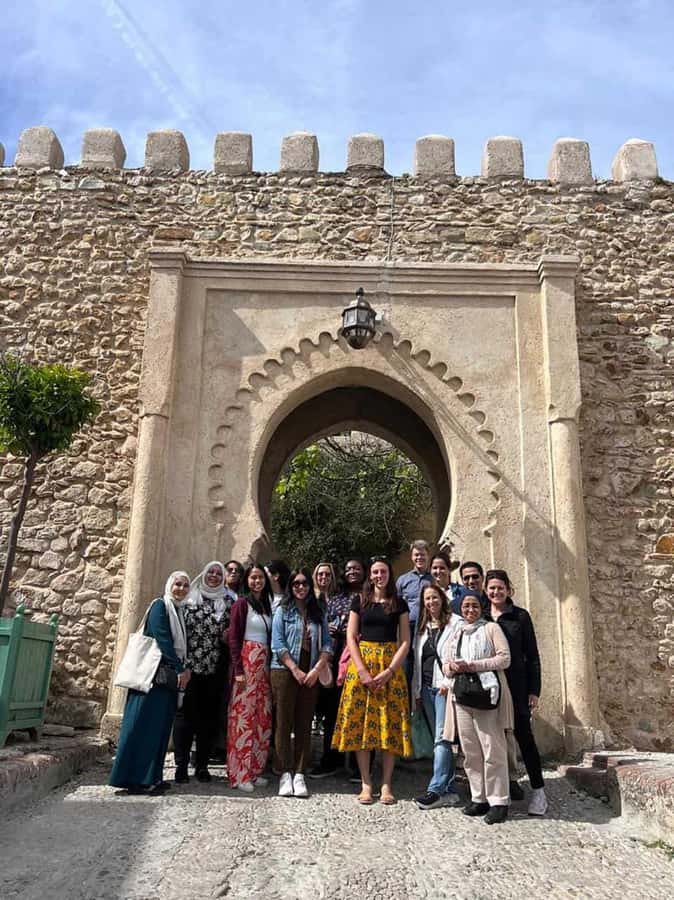
The longest walking and tasting section takes place around Place de la Kasbah, with about an hour planned here. This is where the tour’s old-city character becomes strongest, with traditional architecture, narrow alleyways, and the atmosphere of Tangier’s historic citadel.
The Kasbah is a good setting for connecting food with place. A dish tastes different when you know which neighborhood you are in, how people use the surrounding market, and why the old lanes still matter to local life. Guides explain Tangier’s culture, religion, traditions, and general lifestyle as you go, so you are not simply moving from plate to plate.
This is also the part where comfortable footwear matters most. The tour is not suitable for people with mobility impairments, and that limitation should be taken seriously. The route involves walking through an old district rather than riding between stops.
The Kasbah section can be especially valuable if Tangier is your first Moroccan city. You receive a gentle introduction to the relationship between market food, family cooking, faith, and public life. You can also ask direct questions. Past groups with children found that guides adjusted the food and pace, so families may find the tour workable if everyone is comfortable walking.
The local café: a 30-minute break before Café Hafa
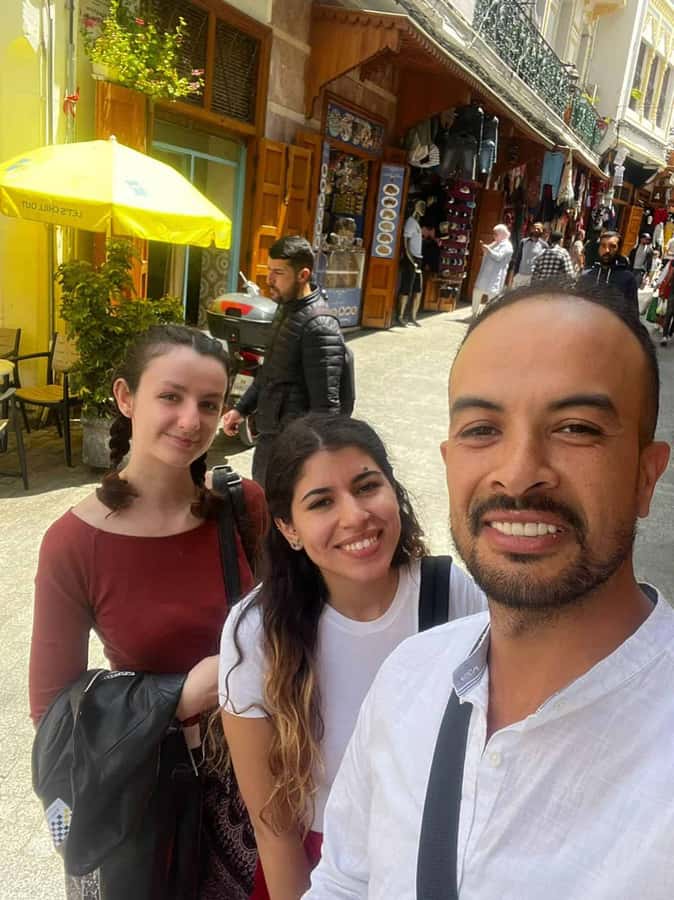
The itinerary allows 30 minutes at a local café for a break and more conversation. This is a useful pause after several tastings, especially if you want to ask about dishes you have just tried.
Café time also changes the rhythm of the tour. Moroccan food is not presented as a rushed checklist. Sitting down gives you a chance to watch the street, discuss ingredients, and hear more about the customs connected with food and drink.
The guide is an important part of this stop. Several guides are praised for being friendly, calm, and attentive, with Ahmed noted for keeping a relaxed pace and explaining both food and local history. If you have dietary restrictions, repeat them to your guide here if needed. Vegetarian, gluten-free, and lactose-free adjustments are available when requested.
One practical point: food allergies and dietary limits are not the same as preferences, so explain your needs clearly when booking and again at the start. The provider says it will do its best to adapt the experience, but the exact alternatives are not listed.
What you may eat, and why the variety matters
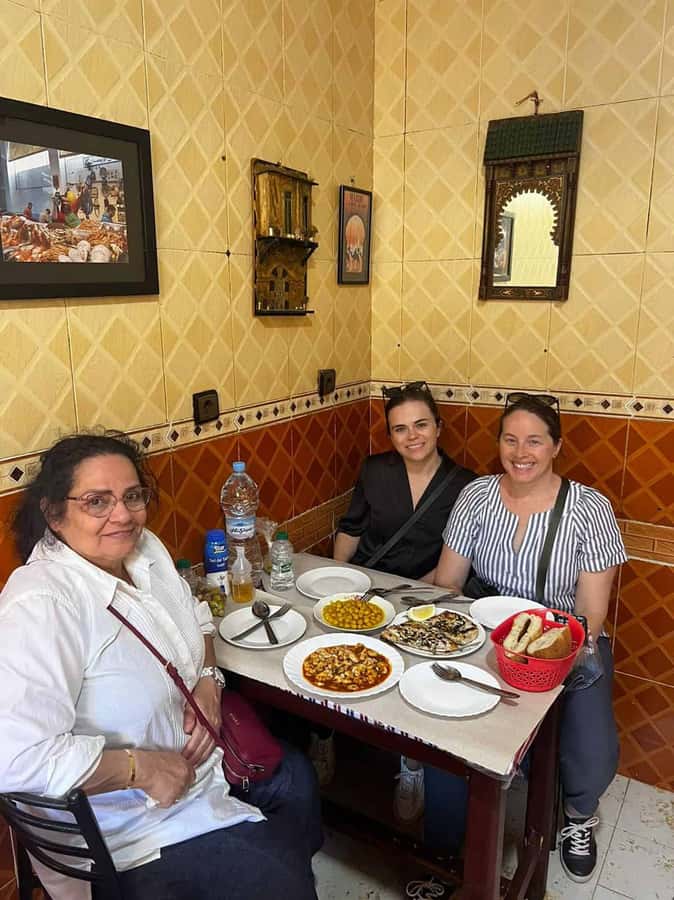
The food list covers both small bites and substantial dishes. You might taste caliente, bissara, stuffed dates, local bread, olives, a meat pastry, a smoothie, and tagine. The tour also includes a full meal, so you should not think of it as a light snack crawl.
This range lets you compare textures and settings. A warm soup or bean dish shows the comfort-food side of Moroccan cooking. Dates and pastries offer sweetness and portability. Tagine gives you a fuller meal and a clearer sense of how slow-cooked dishes fit into Moroccan dining.
I like that the tour does not promise only famous dishes. Street food and market products can reveal more about everyday life than a polished restaurant menu. You also have a chance to ask where to buy additional food after the tour, which turns a single meal into useful shopping advice for the rest of your stay.
The tour is designed for curious eaters, but you do not need to be an expert. The guide explains what you are trying and why people eat it. That makes the experience a good choice if you are unsure about Moroccan food or want help ordering later on.
From market counters to local relationships
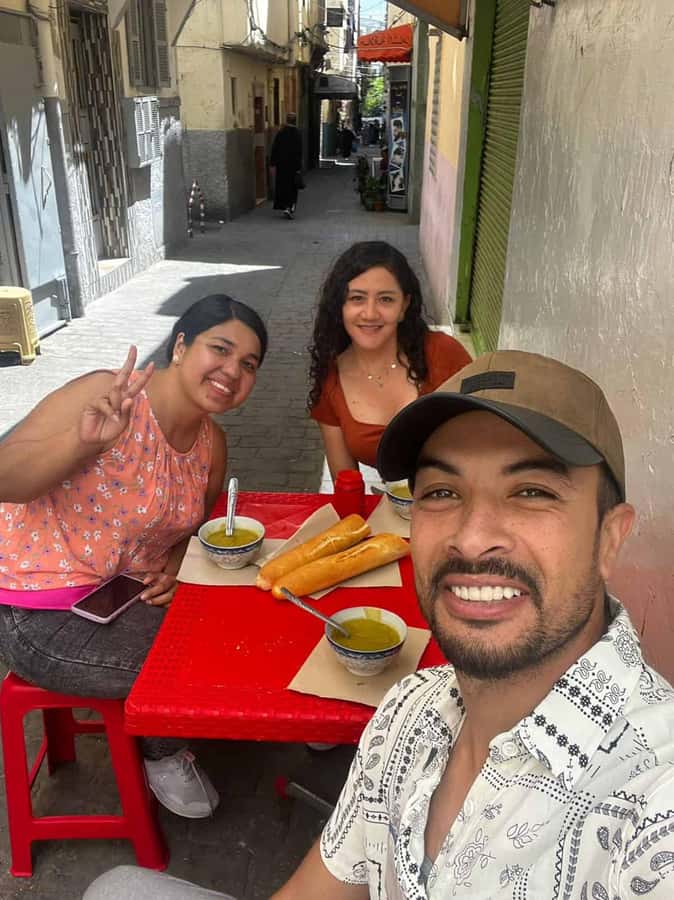
A recurring strength is the guide’s connection with the people at the food stops. Rabab is described as knowing the owners and vendors along the route, while Mohammed is praised for his understanding of the Medina and the area where he grew up. Ismail is noted for linking each stop to a story about Tangier’s culture and cuisine.
Those relationships change the tone of the outing. You are not simply handed a sample and moved along. You may learn how a food is made differently at home, how a stall fits into the neighborhood, or where to return for something you liked.
The guide also helps you read the city. You see vendors, artisans, market shoppers, and old architecture, but you get explanations that tie these details together. This is the difference between wandering through the Medina alone and walking with someone who can answer questions as they come up.
Guides have also adjusted the tour for children and different tastes. That flexibility is useful, though you should not assume every dish will suit every person. Let the provider know your needs before the tour.
How much walking should you expect?
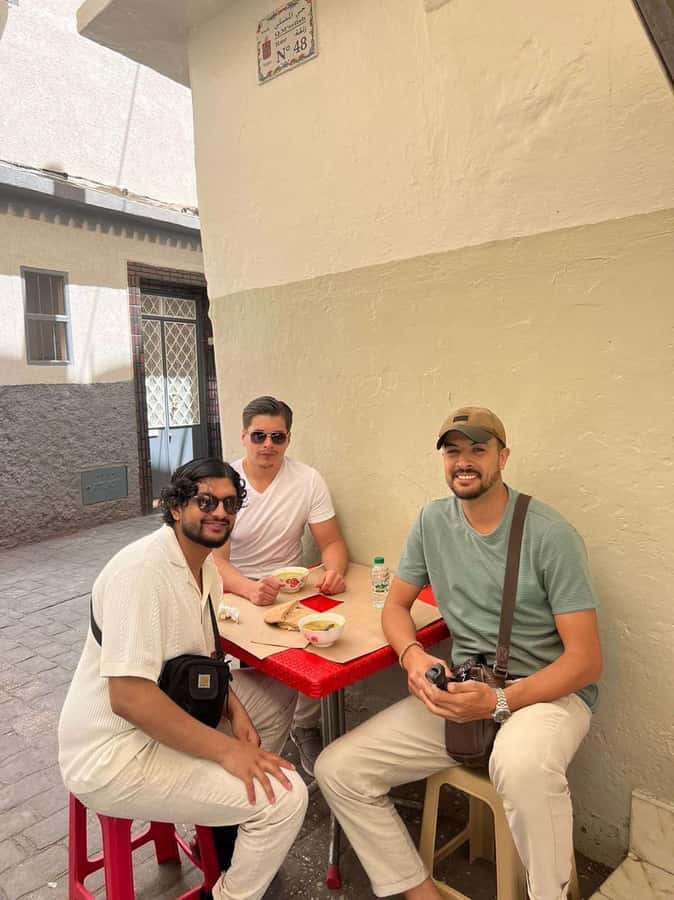
The route takes about three hours and includes M’Sallah, Grand Socco, Place de la Kasbah, a local café, and a finish near Café Hafa. The distance is not provided, but the experience is clearly a walking tour through old streets and markets.
The pace appears designed to leave time for eating and conversation rather than rushing between landmarks. That makes it more approachable than a long city walk, but it does not remove the need for steady mobility.
Wear shoes with good support. Bring only what you need, since narrow streets and food stops are easier without a bulky bag. Pets are not allowed.
The tour ends at Café Hafa, rather than returning to Sour Meêgazine. Plan your next step from there, since transportation is not included. Café Hafa can also serve as a useful reference point for continuing your time in Tangier.
Who will get the most from this experience?
I would recommend this tour to first-time visitors who want a quick introduction to Tangier’s old city and food culture. It is also a smart choice for people who prefer to understand what they are eating instead of ordering at random.
Food-focused visitors will appreciate the number of stops and the inclusion of a full meal. Families may find the adjustable pace helpful, especially since guides have accommodated children. Couples and small groups can use the route as an easy way to combine sightseeing, conversation, and lunch.
This is less suitable for you if you need step-free access, dislike walking on old-city streets, or want a quiet restaurant meal with no group movement. It may also be too much food if you have a small appetite. Even the tasting portions can add up, and the tour specifically asks you to arrive hungry.
The $73 price makes most sense when you value the local explanation and the variety of settings. If you only want to try one or two Moroccan dishes, eating independently will cost less. If you want a guide, a meal, six tastings, bottled water, and an introduction to several neighborhoods in one outing, the price is easier to justify.
Practical booking advice for Tangier
The experience has a 4.9 rating from 43 reviews, and the praise is notably consistent about the guides’ warmth, local knowledge, food variety, and ability to adjust the route. I would pay particular attention to the guide assigned on your date, since the personal connection is central to the experience.
English is the stated tour language. Reserve ahead if dietary adjustments matter to you, and state whether you need vegetarian, gluten-free, or lactose-free options.
You can cancel up to 24 hours before the start for a full refund, and the reserve-now, pay-later option keeps your plans flexible. Check the available start times when booking, since the tour lasts three hours and may fit better in the morning or afternoon depending on your schedule.
During Ramadan, the experience may change into an iftar meal with the guide and the guide’s family. That is a different format from the usual food walk, so check the details for your date if the timing overlaps Ramadan.
Should you book the Tangier Food Walking Tour?
Book it if you want to taste your way through Tangier while learning how the city eats, shops, and lives. The strongest reasons are the six tasting stops, full meal, local café pause, old-city route, and guides who can adapt the experience and explain more than the food itself.
Skip it if mobility is a concern or if you prefer to choose every dish and restaurant on your own. For most curious eaters with three free hours, though, this is a practical first look at Tangier. Start hungry, wear comfortable shoes, and be ready for a meal that keeps appearing long after you think you have eaten enough.
FAQ
How long does the Tangier Food Walking Tour last?
The tour lasts three hours, including guided walking, six tasting stops, a full meal, and a break at a local café.
Where does the tour meet?
Meet next to the third cannon, the cannon in the middle, at Sour Meêgazine in Tangier, Morocco.
Where does the tour finish?
The tour finishes at Café Hafa. Transportation to or from the tour is not included.
What food is included?
The experience includes six tasting stops and a full meal. Foods named for the tour include caliente, stuffed dates, bissara, bread, soup, olives, meat pastry, smoothies, and tagine. The exact order may vary.
Can the tour accommodate dietary restrictions?
Vegetarian, gluten-free, and lactose-free needs can be accommodated when requested. Tell the provider your requirements in advance so suitable arrangements can be made.
Is the tour suitable for wheelchair users?
No. The experience is not suitable for wheelchair users or people with mobility impairments. Comfortable shoes are recommended for the old streets and market areas.
Just listed out of Tangier
- Full Day Private Tour to Tetouan and Chefchaouen★ 5.0 · 33 reviews
- Tangier: Private City Walking Tour with Pickup★ 4.8 · 33 reviews
- Tangier City Tour★ 4.5 · 34 reviews
- Private Tangier Tour from Ferry or Cruise Ship Including Lunch★ 5.0 · 34 reviews
- private tour of Tangier included (Camel Ride) and Beautiful View)★ 5.0 · 34 reviews
- Half-Day Tangier Private Tour & Camel Ride & Colorful Markets★ 5.0 · 34 reviews
- Tangier: Guided Day Trip to Chefchaouen★ 4.3 · 35 reviews
- Tangier Private Full-Day Tour: Explore Top Sights & Local Culture★ 5.0 · 35 reviews
Tangier & Northern Morocco Day Trips, compared.



Sunset, Tea, Sweets, Camel Ride, and Hercules Caves
Read our review →
Browse the lists this tour appears in