
Reviewed · AGADIR TOURS
Marrakech: Street Food Tour with a Local Guide
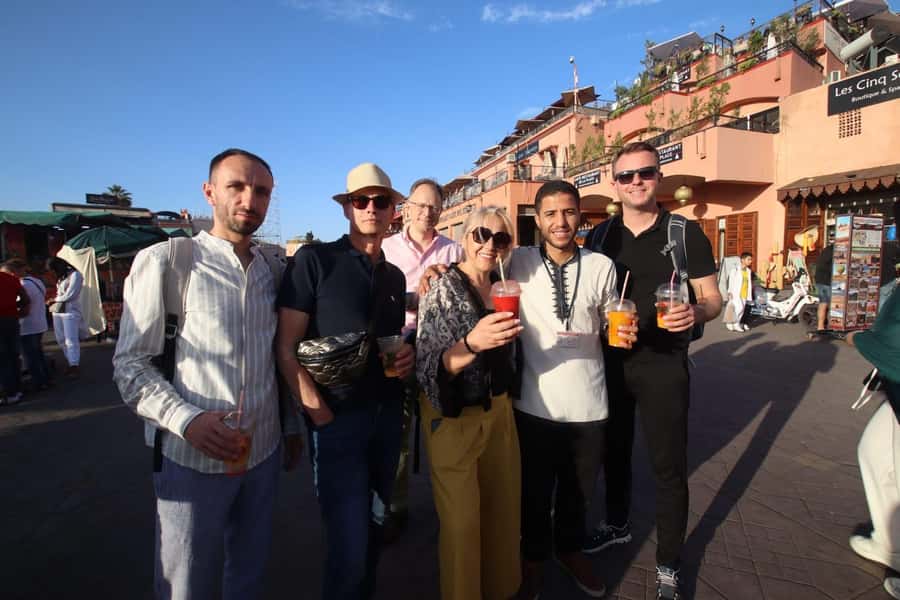
The best part of this Marrakech food tour is not just the number of dishes. It takes you away from the obvious food stalls and into small local eating spots you could easily pass without noticing. Over three hours, you may try 10 to 12 Moroccan specialties, from msemen pancakes and harira soup to grilled meat, sardine balls, and snail soup.
I like two things here: the guide does the ordering and explaining, which removes much of the guesswork, and the food gives you a useful introduction to everyday Moroccan eating. The tour also works well as a first activity because it helps you get your bearings in the Medina.
The main drawback is simple: this is a lot of food. Portions can be generous at nearly every stop, so arrive very hungry. Evening groups may also deal with crowded lanes, scooter noise, and cooler air later in the walk.
Key points to know before you book
- Ten to 12 tastings in three hours: Expect a full food experience rather than a few sample bites.
- Local neighborhoods beyond the main square: The route passes through Riad Zitoun Jdid, Mellah, Kasba, and the souks.
- Several guides lead the tours: Abdul, Abdoo, Ahmed, Ahmed Karim, Mariam, and Miriam are among the guides named for recent departures.
- Food and drinks are included: You do not need to pay vendors during the tour, though alcoholic drinks are not included.
- Excellent value at $34: The price covers the walking tour, guide, all tastings, and drinks.
- Come prepared for a long food walk: Wear comfortable shoes and tell the guide about allergies before setting out.
Starting at Café Argana near Jemaa el Fnaa
The meeting point is in the center of Marrakech, in front of Café Restaurant Argana, near Jemaa el Fnaa square. The directions also refer to Café Argan, identified by a green symbol, juice sellers nearby, and a large ice cream sculpture. Since the name appears in two forms, I would check the exact meeting instructions before you leave your riad.
The guide is meant to wait outside with an official guiding card and your name on the booking list. That is useful in a busy square where several cafés, food sellers, and guides can look alike. Arrive with enough time to find the café rather than rushing in at the scheduled start.
The tour can be shared or private. A shared group is the better value and gives you a chance to meet other people, while a private departure should suit you better if food preferences or a slower pace matter. The published duration is three hours, with morning and evening departures depending on availability.
The starting point is also practical. Jemaa el Fnaa is easy to reach from much of the Medina, and the route returns to the same café. Hotel pickup and drop-off are not included, but arranged transportation to and from the meeting point may be possible for an extra charge if arranged ahead of time.
A few other Agadir days worth comparing
- Authentic Food Tour in Agadir – Eat Like A Local
★ 5.0 · 117 reviews - From Marrakech: Merzouga 3-Day Desert Safari with Food
★ 4.7 · 12,232 reviews - Marrakech: Street Food Tour by Night
★ 4.8 · 2,838 reviews
Jemaa el Fnaa: tea and an introduction to Moroccan food
The walk begins at Jemaa el Fnaa, Marrakech’s famous central square. The first stop includes a tea ceremony and about 25 minutes of walking and explanation.
This opening is more than a quick drink. Moroccan tea is tied to hospitality, conversation, and the rhythm of daily life, so it gives the guide an easy way to explain local customs before the eating begins. You can ask how foods are served, what is considered breakfast or a snack, and how the day’s dishes change from morning to afternoon.
This is also where the route can feel most hectic. Keep your eyes on the guide, especially when crossing the square or moving into the souks. One useful benefit of joining early in your stay is that you begin to recognize the main routes instead of facing the Medina as one large maze of lanes.
Riad Zitoun Jdid: pancakes, pastries, and sweet stops
From the square, the route continues toward Riad Zitoun Jdid for dessert, street food, and tastings. This section is a good place to encounter Moroccan breakfast-style foods and sweets.
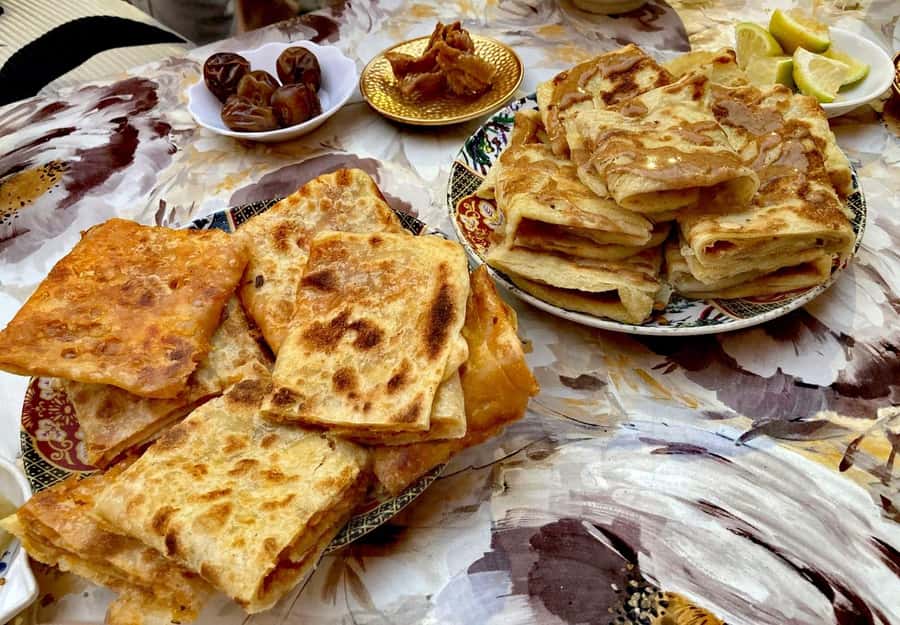
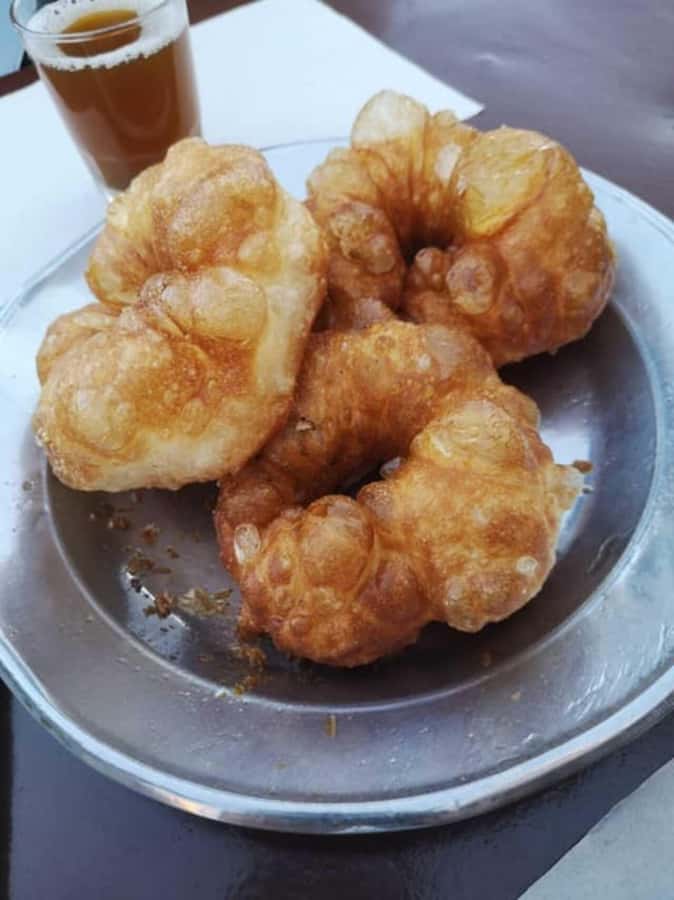
Msemen and harcha are listed among the possible dishes. Msemen is a layered Moroccan pancake, while harcha has a different, grainier texture. The tour may also include chebakia, a sweet pastry often associated with brunch and festive food. These are useful foods to try with a guide because the names can be unfamiliar and the same stall may offer several similar-looking options.
You may also receive fresh fruit juice, nuts, or another local snack. The exact menu depends on the time of day and food preferences, so do not treat the list as a fixed twelve-course menu. The strength of the route is its range, but the tradeoff is that you cannot choose every dish in advance.
At this stage, pace yourself. The tour is designed to keep feeding you, and a pastry that seems small can become surprisingly filling when followed by soup, bread, meat, and more sweets.
Mellah: Jewish Quarter food and local context
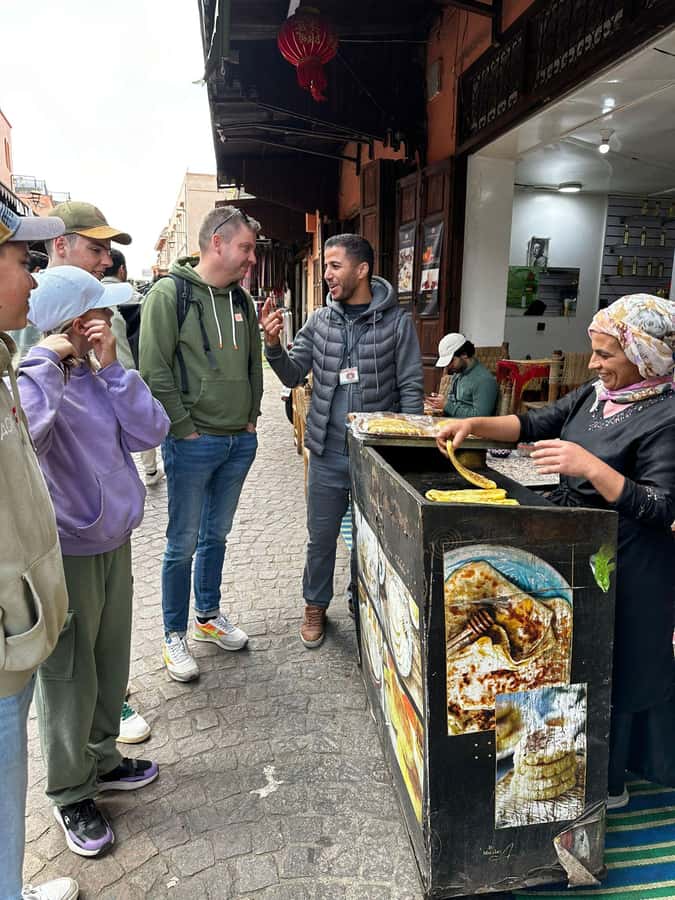
The walk then reaches Mellah, Marrakech’s former Jewish Quarter, for a photo stop and more snacks. This is one of the more appealing sections because the food comes with a sense of place. You are not simply standing at a restaurant table. You are moving through a neighborhood and stopping where local food is sold.
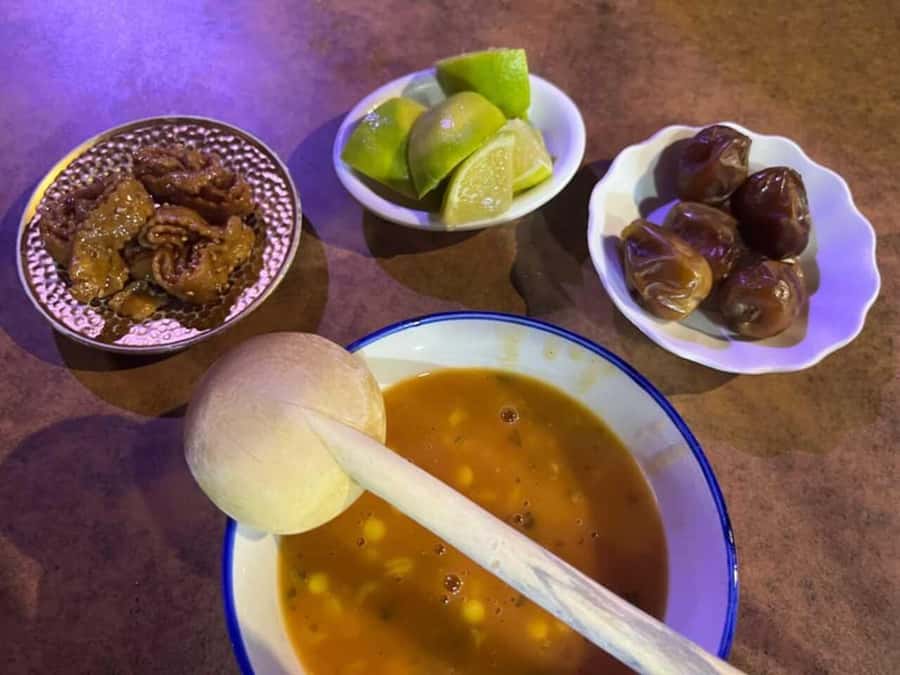
Possible tastings here include harira, Morocco’s well-known vegetarian soup, along with sweet treats and pancakes. Harira is especially pleasant during an evening tour, when a warm bowl gives the walk a slower, more settled feel. Khoudenjal, a hot herbal infusion, may also appear among the drinks.
A guide can explain how these foods fit into Moroccan life, including the difference between a snack, a breakfast dish, and a meal. The cultural information is one of the reasons this tour offers more than a market crawl. Guides such as Ahmad, Abdul, and Miriam have been praised for explaining both the dishes and wider customs, including changes in Moroccan society.
Mellah is also a good reminder that the route is not only about the famous square. You see a part of Marrakech that you might otherwise pass through without stopping. The photo stop is brief, so do not expect a long historical lecture or a formal sightseeing visit. The focus remains food.
Same city, a completely different day out:
- Agadir or Taghazout: Paradise Valley Atlas Mountains Tour
★ 4.4 · 2,905 reviews - Agadir/Taghazout : Quad Bike Safari Desert
★ 4.8 · 1,496 reviews - From Marrakech: Full-Day Trip to Agadir
★ 4.7 · 1,314 reviews - Agadir/Taghazout: Quad Bike and Sandboarding Tour
★ 4.7 · 1,286 reviews
Kasba: grilled dishes and Moroccan street cooking
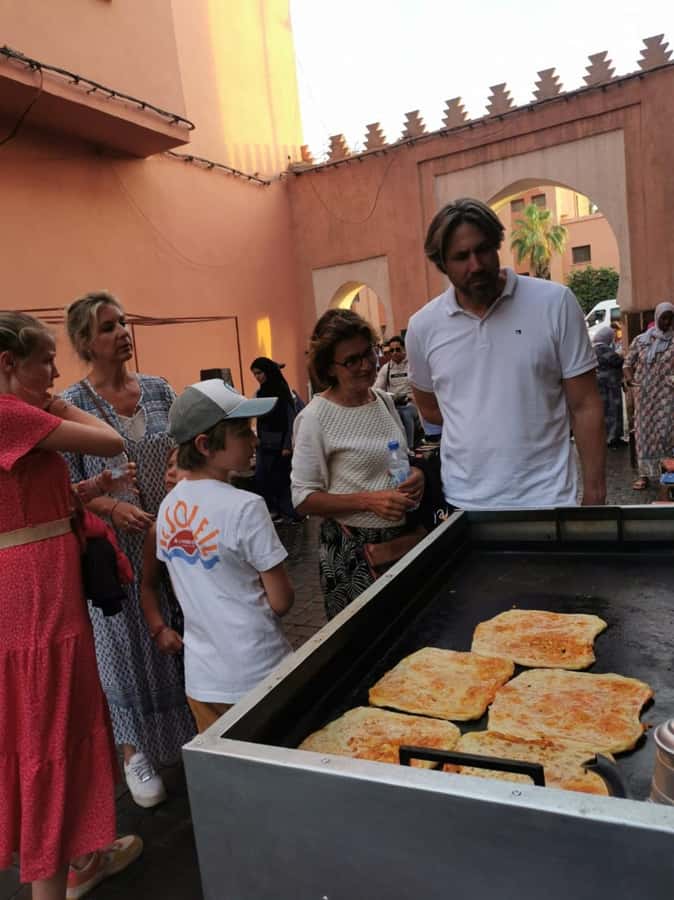
The next section moves through Kasba, with more walking, regional food, and local snacks. Depending on the time and the guide’s choices, you may taste chwa, grilled beef or chicken, or bread filled with eggs and vegetables, known here as khobzaa.
These foods help balance the earlier sweets and soup. Moroccan street food is not limited to pastries and mint tea. Grilled meat, eggs, bread, vegetables, and fresh juice all play a part in the ordinary food scene. You may also try maklla, described as Moroccan chakchokka, a cooked mixture built around vegetables and eggs.
This is where a local guide is particularly useful. You can watch how food is prepared and ask what to look for when choosing a stall later in your visit. The guide also helps you understand which items are spicy, which are sweet, and which may be unfamiliar in texture.
The pace is generally manageable, but this is still a walking tour through active Medina streets. Scooters, narrow lanes, and groups moving in different directions can make it hard to hear every explanation. Stay close, and speak up if you miss something. Guides have been described as waiting for the whole group before continuing, but you should still keep track of the person leading the walk.
Souk Semmarine: the busiest food section
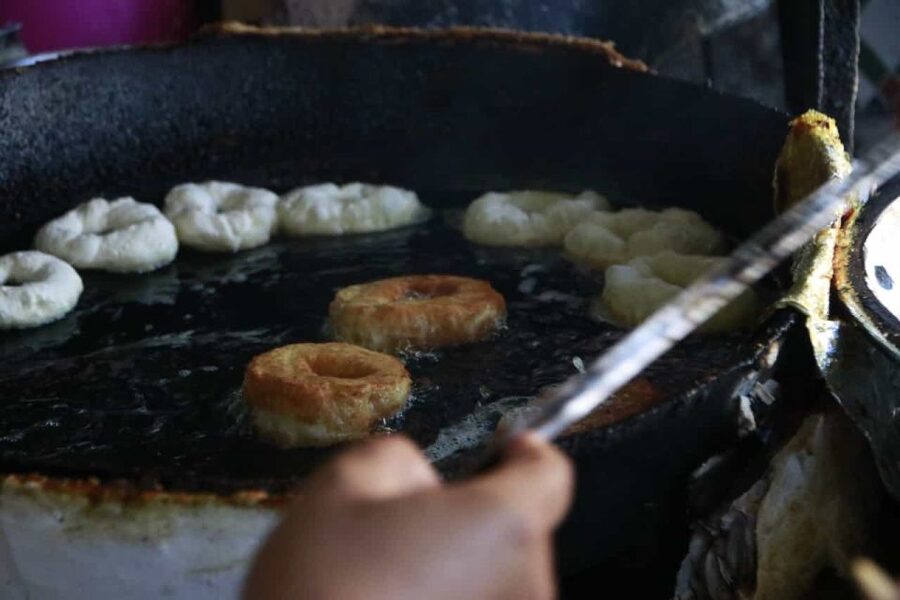
The route finishes its food loop in Souk Semmarine, one of the main souk areas of Marrakech. There is time for a break, food-market visits, shopping, and more tasting.
This is likely to be the most crowded part of the walk, and it is also where the contrast between tourist shopping and local eating is clearest. The tour is meant to show you food spots away from the most obvious tourist choices, but the souk itself is a major visitor area. You may encounter shopkeepers, scooters, narrow passages, and plenty of activity.
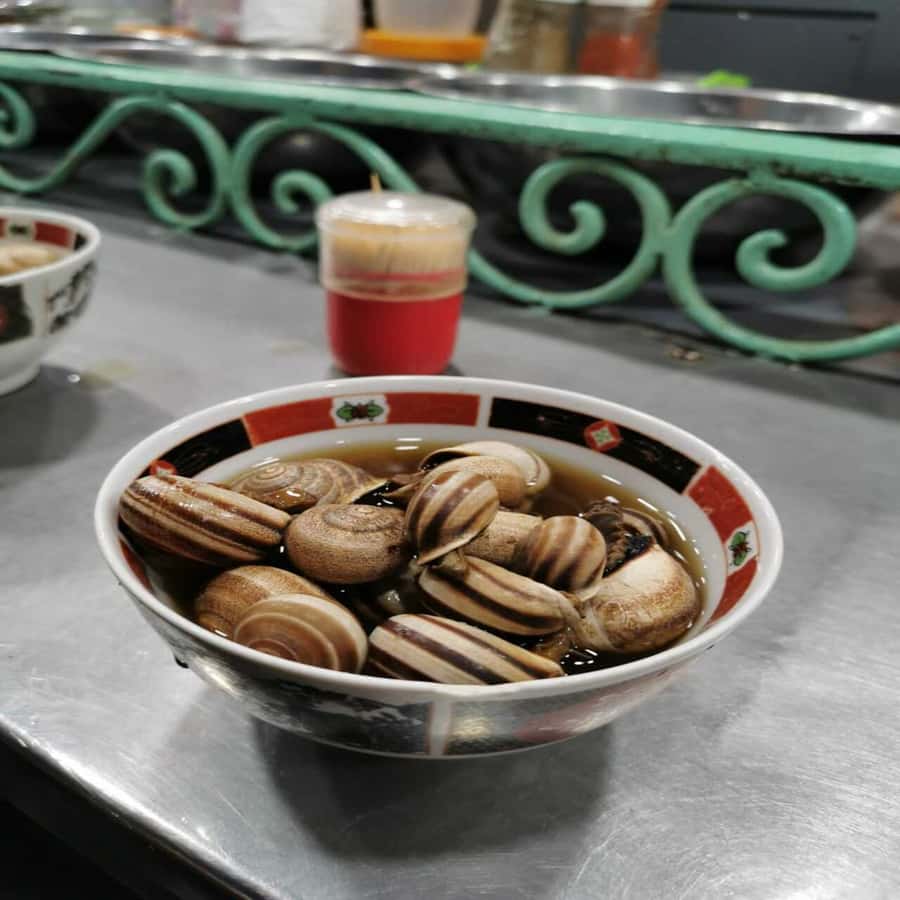
Potential dishes here include sardil mechoui, sardine balls cooked over coals, and berbouche, a snail soup. Snail soup is one of the tour’s more unusual possibilities. It is not for everyone, but a guide gives you the chance to understand what you are being offered before deciding. If you are curious about Moroccan food beyond tagine and couscous, this kind of stop is valuable.
Fresh fruit juice and nuts may round out the tastings. By this point, most people will have eaten enough for a full meal. The itinerary allocates roughly 25 minutes to each major area, so the walk keeps moving rather than allowing long, relaxed meals at individual stalls.
The group then returns to Café Argana. Since the tour begins and ends in the same area, you do not need to arrange a second pickup point.
What you may eat during the three-hour route
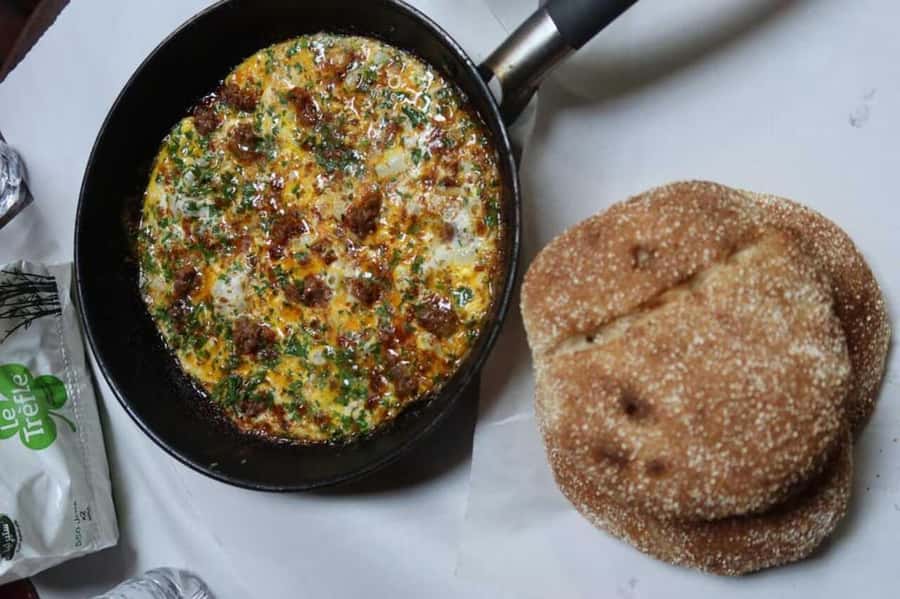
The menu changes with the time of day, season, availability, and your preferences. The full list of possible foods includes:
- Msemen and harcha, Moroccan pancakes
- Harira, a vegetarian Moroccan soup
- Chebakia, a sweet pastry
- Khoudenjal, a hot herbal infusion
- Khobzaa, bread with eggs and vegetables
- Raïb, Moroccan frozen yogurt
- Chwa, grilled beef or chicken
- Berbouche, snail soup
- Sardil mechoui, grilled sardine balls
- Maklla, a Moroccan chakchokka-style dish
- Assir, fresh fruit juice
- Nuts
You should not expect every person to receive exactly the same twelve dishes. The experience states that morning and afternoon offerings differ, and the guide adjusts for food preferences where possible. Still, the quantity is clearly substantial. Several named guides have been praised for serving full portions at many stops, so skipping a meal beforehand is sensible.
Tell the guide about allergies before the tour begins. Alternatives may be offered, but the information provided does not promise that every dietary restriction can be accommodated. If you have a serious allergy, explain it clearly at booking and again at the meeting point.
Why the guide matters more than the food list
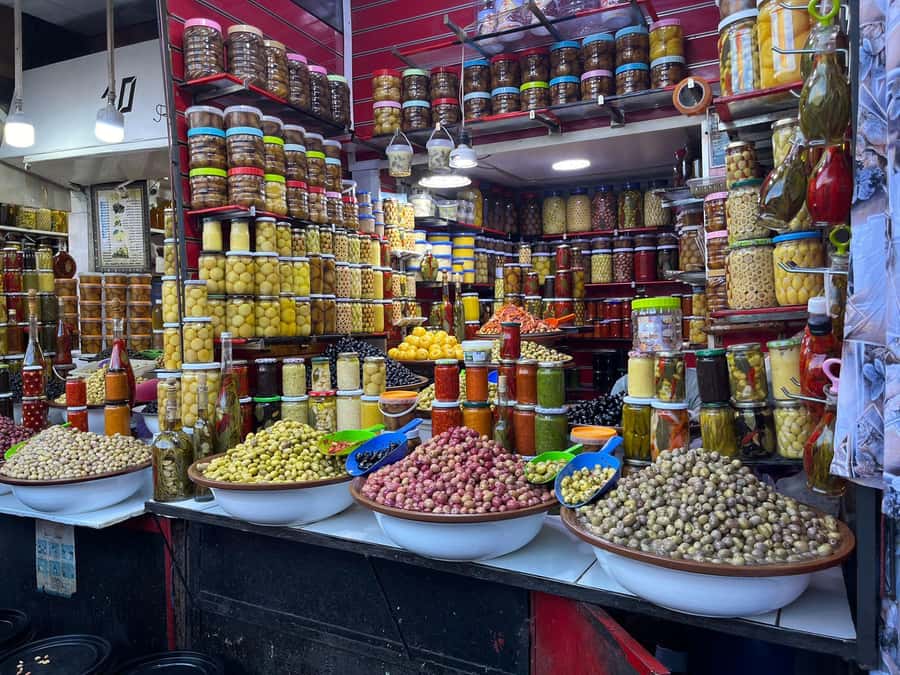
You could find Moroccan food on your own, but the difficult part is knowing where to stop, what to order, and how much to pay. This tour handles that first step for you.
The guides named for recent departures include Abdul, Abdoo, Ahmed, Ahmed Karim, Mariam, and Miriam. The strongest pattern is their ability to explain dishes in plain language while keeping the group together. Several guides also speak more than one language. The advertised languages are English, German, Dutch, and Arabic, while some departures have also included French-speaking support.
A good guide changes the tone of the evening. Instead of walking past a stall because you do not know what it sells, you can ask questions and try something with context. The tour also gives you a short list of places you may want to revisit. One useful tip is to save locations on your phone as you go, especially if you discover a juice seller, snack stall, or shop you want to find again.
The cultural side matters too. The guides discuss food traditions, everyday Moroccan life, and customs that may not be obvious from the street. That makes the tour a helpful introduction to the city, not just a series of tastings.
Is $34 good value for Marrakech?
At $34 per person, this is strong value if you are willing to eat a lot and walk for three hours. The fee includes the guide, walking route, food, drinks, and all tastings, so you do not need to keep paying at each stop.
The price also covers something difficult to arrange independently: access to a sequence of local food places and help ordering unfamiliar dishes. Even if you later return to only two or three stops, the tour can pay off by giving you confidence to order from other vendors during your stay.
A private tour will likely cost more than the shared option, but the published price is for the activity generally, so check the exact rate for your preferred format and date. Alcohol is not included, and hotel transportation is extra if arranged.
The main value question is appetite. If you want a slow, restaurant-style meal, this is not the right format. If you want variety, local snacks, and a practical introduction to Moroccan food, the price is easy to justify.
Timing, comfort, and accessibility
Wear comfortable shoes. The tour covers several Medina areas on foot, with repeated stops and time spent standing near food vendors.
Morning and evening versions offer different food possibilities. Evening departures can be pleasant for soup and grilled food, but bring a light jacket because the air may feel cooler later in the walk. A start around 5 p.m. has worked well for some departures, giving you an afternoon-to-evening food route without making the tour too late.
The information supplied about accessibility is mixed. The activity details say wheelchair accessible, while the suitability section says it is not suitable for wheelchair users and people over 70. Because the route uses Medina lanes, food stalls, and crowded souk passages, contact the provider before booking if mobility is a concern. Do not rely on the general accessibility label alone.
The tour does not allow alcohol or drugs. You do not need to bring money for the included food and drinks, though you may want cash or another payment method for shopping in the souks after the tour.
Who should book this food walk?
I would choose this tour for a first or second day in Marrakech. It gives you food ideas, basic orientation, and a guide who can help you feel more comfortable in the Medina. It also suits adventurous eaters who want to try dishes beyond the familiar Moroccan staples.
It is a particularly good match if you like small portions of many foods, though the portions may be larger than expected. Families with older children may enjoy the variety, but the walking and crowded lanes require attention. A private booking could make the experience easier for a group with specific food needs.
I would think twice if you dislike eating on the move, cannot manage a heavy meal, or need a fully accessible route. The tour is also less suitable if you want long stops for photography or shopping. Food is the main event, with sightseeing and shopping fitted around it.
Should you book the Marrakech street food tour?
Book it if you want an affordable, food-heavy introduction to Marrakech and prefer local stalls to polished restaurants. The best reasons are the wide range of dishes, the included food and drinks, and the chance to visit places you might not choose by yourself.
Go with a light meal beforehand, comfortable shoes, a jacket for a cool evening, and a clear explanation of any allergies. Keep your guide in sight in the souks, and save the locations of favorite stops.
At $34, this is an easy choice for curious eaters who want both a meal and a useful first look at Marrakech’s food culture. It is not a quiet dinner. It is a three-hour procession of tastes, questions, narrow lanes, and increasingly full stomachs. That is exactly why it works.
FAQ
How long does the Marrakech street food tour last?
The tour lasts about three hours, including walking between food stops and tastings in several Medina neighborhoods.
What food is included?
All tastings and drinks are included. Possible foods include msemen, harcha, harira, chebakia, grilled meat, sardine balls, snail soup, fresh juice, nuts, and other Moroccan specialties.
Do I need to pay for food during the tour?
No. Food and drinks included in the experience are covered by the booking price. Alcoholic drinks are not included.
Where does the tour meet?
The meeting point is in front of Café Restaurant Argana near Jemaa el Fnaa square. The directions also refer to Café Argan, marked with a green symbol, so confirm the exact café name and location before setting out.
Which languages are available?
The advertised guide languages are English, German, Dutch, and Arabic. Some guides on particular departures may also speak French.
Can I request alternatives for allergies?
Yes. You should tell the guide about allergies before the tour, and the guide will try to provide alternative dishes. The supplied information does not guarantee that every dietary restriction can be accommodated.
Is hotel pickup included?
No. Hotel pickup and drop-off are not included. Transportation to and from the meeting point may be arranged for an additional charge if you call ahead.
Just listed out of Agadir
- Agadir: 30 min Jet Ski Rental with Transfers★ 4.6 · 33 reviews
- Agadir: 2h Surf Lesson with Local Instructors★ 5.0 · 33 reviews
- Camel Riding Agadir★ 4.5 · 33 reviews
- Agadir : City Sightseeing Tour★ 4.7 · 33 reviews
- Surf Lessons in Taghazout | Learn to Surf in Morocco★ 5.0 · 33 reviews
- Agadir Quad Biking★ 5.0 · 33 reviews
- Agadir or Taghazout: Paradise Valley Atlas Mountains Trip★ 4.2 · 33 reviews
- Fun buggies in Agadir Forest and Beach Dunes★ 4.5 · 33 reviews
Agadir Tours, compared.
Agadir or Taghazout: Paradise Valley Atlas Mountains Tour
Read our review →
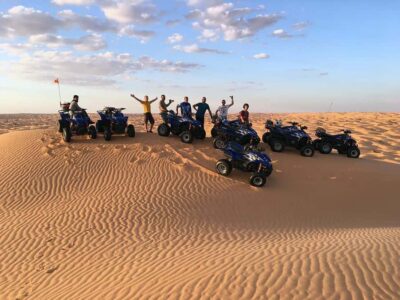
Agadir/Taghazout: Quad Bike and Sandboarding Tour
Read our review →
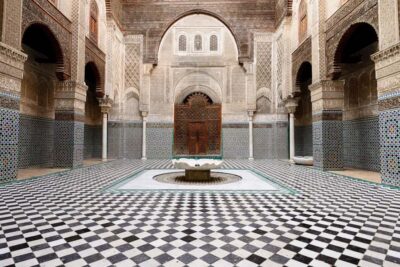
From Taghazout or Agadir: Marrakech Guided Day Trip
Read our review →
From Agadir or Taghazout: Quad Biking Safari Desert Trip
Read our review →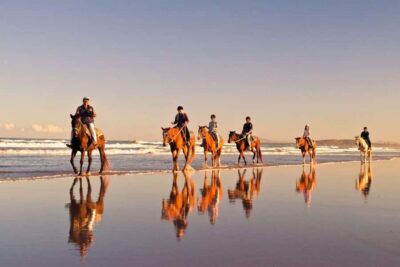
Agadir and Taghazout: 2-Hour Horseback Ride on the Beach
Read our review →Browse the lists this tour appears in