
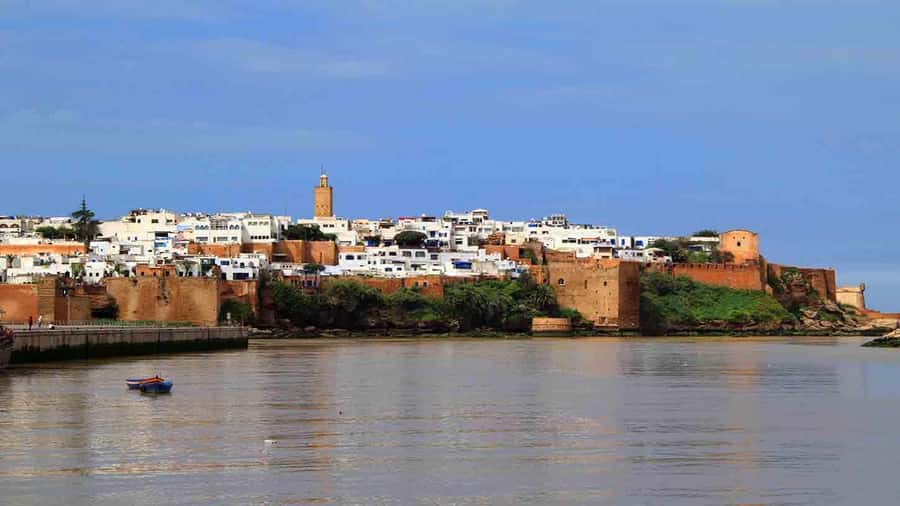
Reviewed · CASABLANCA TOURS
Rabat: Full-Day Trip from Casablanca
Rabat’s appeal is its calm, polished mix of royal buildings, old walls, ocean air, and narrow market streets. This six-hour trip from Casablanca gives you the city’s main sights without asking you to plan trains, taxis, or local directions.
I like the small-group format, limited to 15 people, and the dependable hotel pickup. I also like the way the day joins major monuments with ordinary streets, especially Souika Street and the Rue des Consuls. The main tradeoff is time: six hours moves quickly, and some stops are short enough to feel like a quick look rather than a full visit.
Key points to know before you book
- The Mohammed V Mausoleum is the visual centerpiece: Expect decorated tilework, polished marble, and a carefully framed view of Hassan Tower nearby.
- You see both official Rabat and everyday Rabat: The route pairs the Royal Palace and government district with the Kasbah and medina shops.
- Chellah adds an archaeological stop: You get about 30 minutes there, so the visit is useful but not leisurely.
- Pickup is included from your Casablanca hotel: The drive takes about one hour each way in an air-conditioned vehicle.
- Guide quality can shape the day: Guides including Sila, Khalil, Arafa, and Dinos have been praised for clear explanations and friendly service.
- Lunch costs extra: Food and drinks are not included, and one account noted a restaurant stop with large set menus, so ask about the plan before ordering.
From Casablanca to Morocco’s capital
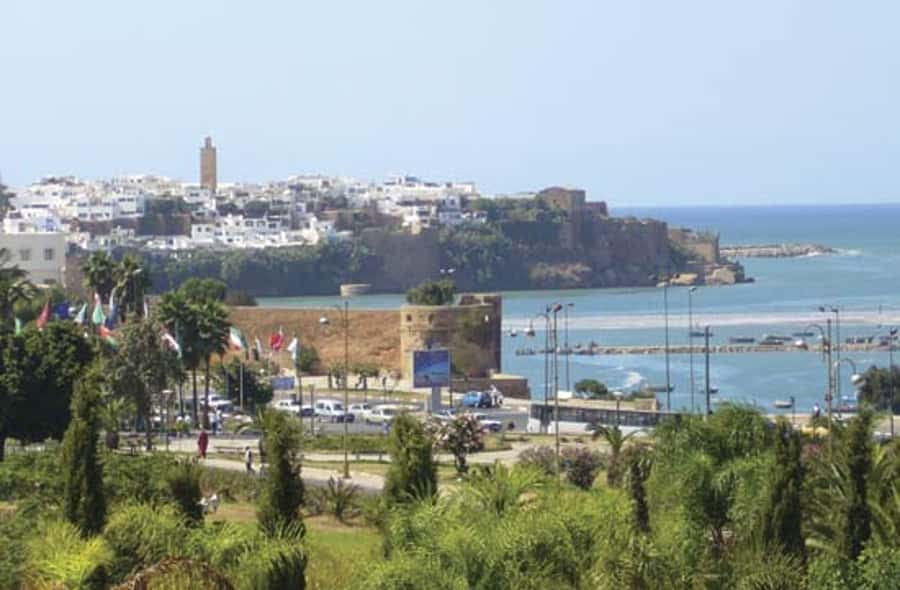
The day begins with pickup at your Casablanca hotel. The road to Rabat takes about an hour by van, giving you a simple way to cover the distance without arranging a train or negotiating city transport.
That transfer matters more than it may seem. Rabat’s sights are spread across several districts, from the Royal Palace and Chellah to the Kasbah and medina. A private driver or small-group vehicle lets you move between them with less effort, while a local guide can explain buildings and neighborhoods along the way.
The vehicle is air-conditioned, a useful detail in Morocco’s warmer months. The group limit of 15 keeps the outing smaller than a large coach tour, though the exact feel will depend on how many people are booked that day.
Past visitors have singled out drivers such as Mehdi and Khalil for punctual pickups, careful driving, and help with photographs. That is not a minor perk on a Casablanca day trip. Traffic can be demanding, and a calm driver gives you more time to look out the window instead of worrying about the road.
A few other Casablanca days worth comparing
- Casablanca Full-Day City Tour with round-trip hotel transfer
★ 4.7 · 266 reviews - Chefchaouen the Blue City Full-Day Trip from Casablanca
★ 4.5 · 79 reviews - Private Full Day Tour to Casablanca and Rabat
★ 5.0 · 63 reviews
A brief look at the Royal Palace
The Rabat visit begins at Dar El Makhzen, the Royal Palace. This is an exterior stop, with about 15 minutes for a guided visit and photographs. You should not expect a palace interior tour.
The palace complex includes the prime minister’s office, the Imperial College, the Ahl Fas mosque, a small racetrack, and barracks used by the Black Guard. Much of what you see is from outside, but the stop helps explain how Rabat functions as Morocco’s political capital.
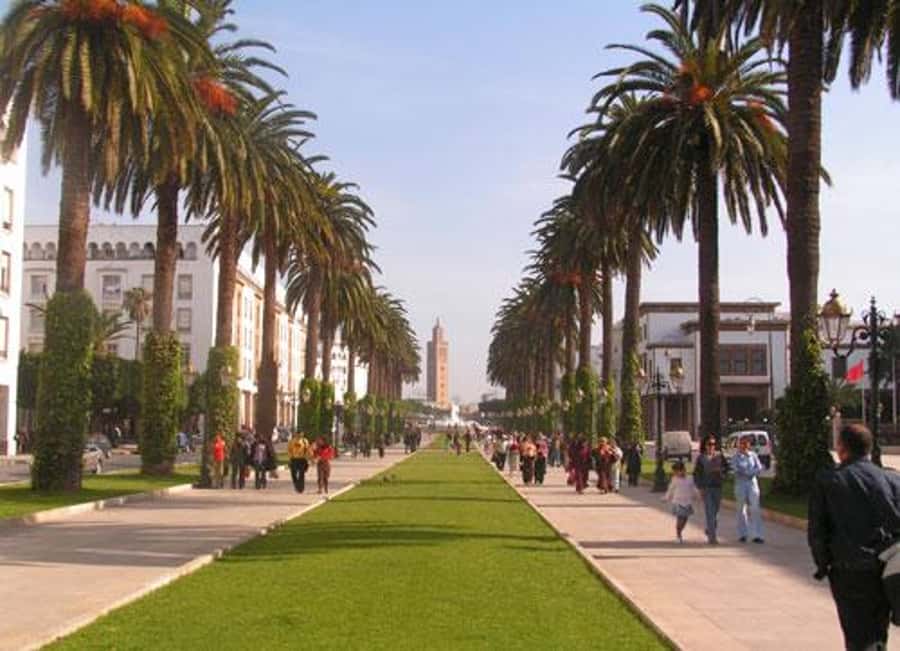
This is an official, orderly part of the city. It gives you a useful contrast with the tighter lanes and shopfronts later in the day. Your guide may also point out other important buildings as you drive, which adds context even when the vehicle does not stop.
Because the visit is short, I would treat the Royal Palace as an orientation stop rather than the main attraction. It is most useful for understanding Rabat’s government district and royal role.
Mohammed V Mausoleum and Hassan Tower
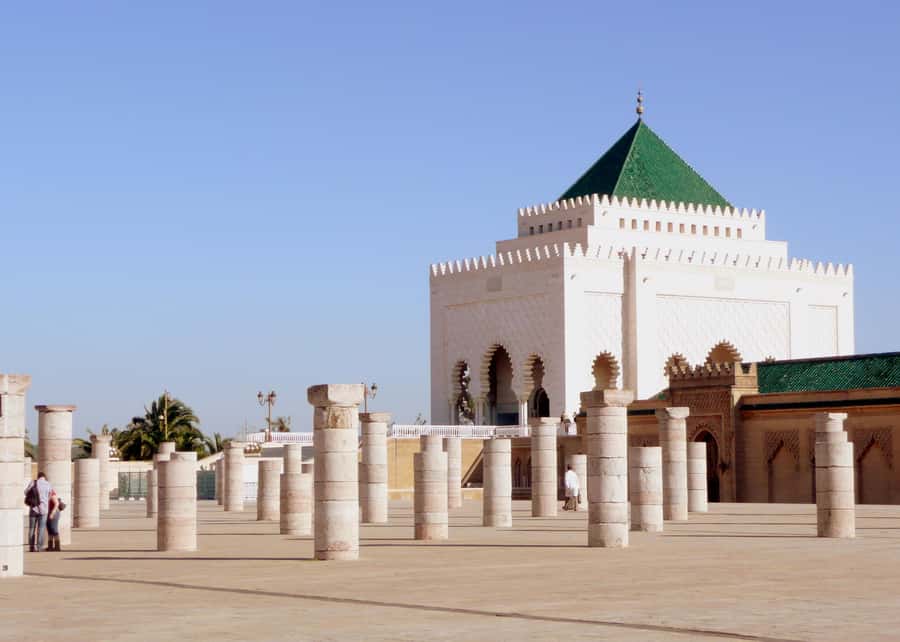
The next stop brings you to two of Rabat’s best-known monuments: the Mohammed V Mausoleum and Hassan Tower. The listed visit to the mausoleum lasts about 20 minutes, followed by roughly 10 minutes at the tower.
The mausoleum is the more detailed stop. Its burial chamber is decorated with patterned tiles, and the architecture combines strong geometric forms with fine Moroccan craftsmanship. You can admire the building from outside and look into the chamber area, where the tilework becomes the main visual reward.
The site honors Mohammed V, the grandfather of Morocco’s current king and an important figure in the country’s modern history. A good guide can turn what might otherwise be a quick photo stop into a clearer explanation of the monarchy and national identity.
Hassan Tower rises nearby as an unfinished minaret. Its scale and reddish stone make it easy to recognize, even though the stop itself is brief. The open plaza around the tower and mausoleum gives you room for photographs and a broad view of the complex.
I would pay close attention to the guide here, since the short schedule means you may not have much time to read or work out the story alone. Sila has been praised for explaining Rabat’s history, politics, traditions, and development in clear English. Arafa has also been described as a lively storyteller, making complex subjects easier to follow.
The short timing is the weak point. If you want quiet time inside the mausoleum area, detailed architectural study, or many photographs, 20 minutes may feel tight.
Walking through the Kasbah of the Udayas
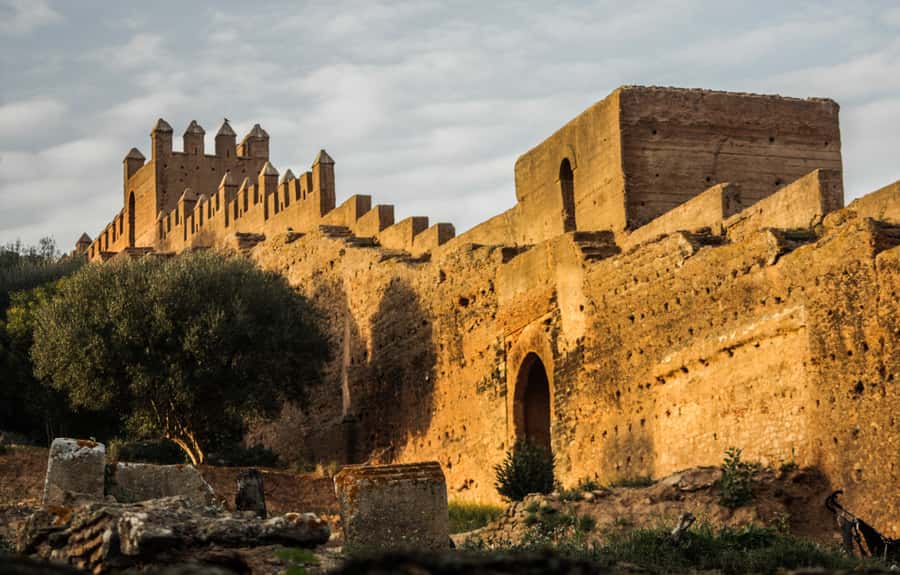
The route then moves to the Kasbah of the Udayas, a fortified quarter near the water. The guided visit is scheduled for about 15 minutes.
This is one of the most atmospheric parts of the trip. The Kasbah offers narrow lanes, old walls, and a change from the formal scale of the palace and mausoleum. You get a sense of Rabat as a lived-in city rather than only a capital filled with monuments.
The Kasbah is part of Rabat’s UNESCO World Heritage designation, which reflects the importance of the city’s historic districts and layered architecture. Your guide can help you see how the fortifications, streets, and sea-facing setting fit together.
Fifteen minutes is enough for a guided introduction and a few photographs, but it is not enough for a slow wander through every lane. If you are drawn to doors, painted walls, small details, and views toward Salé, stay close to the guide and use your free moments carefully.
The Kasbah is also one of the places where comfortable shoes help. The streets are narrow, and the day includes several walking sections. You do not need specialist footwear, but this is not a sit-in-the-van sightseeing tour.
Same city, a completely different day out:
- From Marrakech: Casablanca Tour with Hassan II Mosque Visit
★ 4.7 · 4,756 reviews - Casablanca: Hassan II Mosque Premium Tour with Entry Ticket
★ 4.5 · 2,971 reviews - Casablanca City Tour with Hassan II mosque ticket
★ 5.0 · 2,480 reviews - Casablanca: City Tour with Hassan II Mosque Entry Ticket
★ 4.6 · 1,137 reviews
Rue des Consuls and the old medina
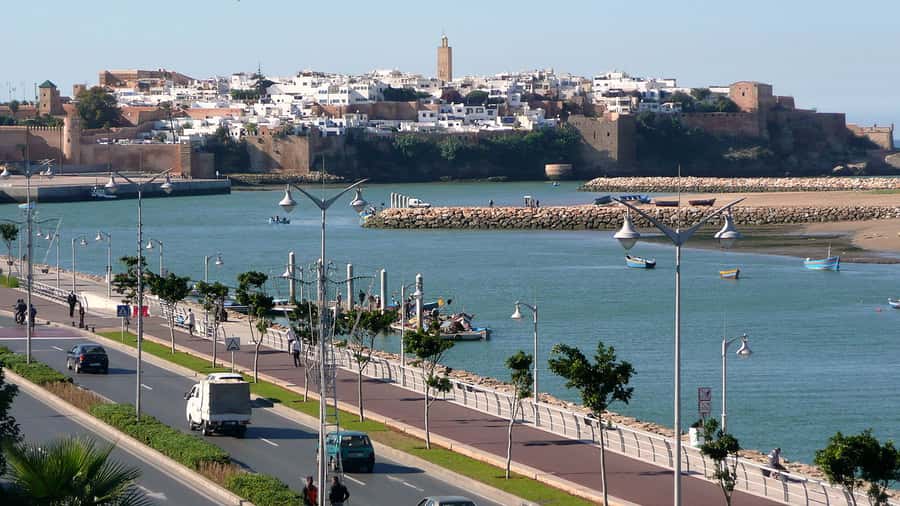
The medina visit lasts about 45 minutes, making it the longest walking section in the scheduled route. You will explore the narrow streets of Rabat’s old quarter, including Rue des Consuls and Souika Street.
Rue des Consuls is known for its architecture and is described as the most interesting street on the route. Souika Street is the busier shopping lane, where you can browse stores and get a feel for daily commerce in the old city.
This is where the trip becomes most practical and human. The palace tells you about the state. The mausoleum tells you about national memory. The medina shows you how people shop, work, and move through older parts of town.
You will have some time to browse, but do not expect a long shopping session. Forty-five minutes passes fast once you stop to look at textiles, crafts, food, or souvenirs. If you see something you want, ask the guide about the price and whether there is time to return later.
Rabat is often described as cleaner and quieter than many people expect from a Moroccan capital. That can make the medina easier to handle if you are new to Morocco, though it also means the experience may feel more controlled and less rough-edged than an old quarter in another city.
The shopping can be a good value, especially compared with tourist-focused areas. Still, keep your budget in mind. Food and drinks are not included, and any purchases are your responsibility.
Chellah: the day’s archaeological stop
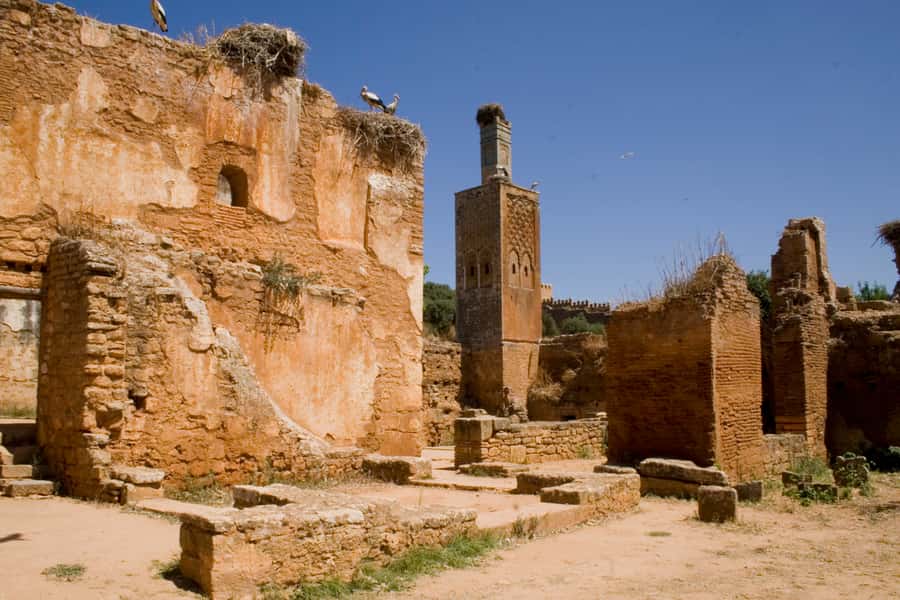
Chellah receives about 30 minutes. This historic site gives the day a different mood, with old ruins and a sense of earlier layers of Rabat’s past.
The short visit works well as an introduction. You can walk through the area, take photographs, and listen as the guide explains what you are seeing. It also breaks up the royal and urban stops with a more open historic setting.
The limitation is clear: 30 minutes is not a long archaeological visit. One account specifically found 45 minutes too short for the ruins, and Chellah is scheduled for less than that. If you enjoy taking your time at historic sites, reading every sign, or photographing small details, you may wish you had longer.
I would not book this day trip expecting an exhaustive visit to Chellah. Think of it as a concise stop that adds depth to the city tour. You see enough to understand why it belongs on a Rabat route, but not enough to explore every corner.
Free time and lunch expectations
After the guided stops, the schedule includes about 45 minutes in Rabat. This is the part of the day where you may have time for a meal, a drink, photographs, or a little extra shopping.
Lunch is not included in the $104 price. That is helpful because you are not paying for a meal you may not want, but it means you need to budget for it. One reported outing included a restaurant with large menu options, and sharing a menu was a practical response when the meal felt too much. Ask what is planned before you sit down, especially if you prefer a light lunch.
Some people have enjoyed eating near the water with views toward Salé, the sister city across the river. That kind of pause can be a pleasant finish to the sightseeing, but the exact arrangement may vary. The supplied schedule simply allows break time, not a guaranteed waterfront meal.
The free period also gives you a chance to ask the guide for help with purchases or directions. If you have already seen the main monuments, use the time for the medina or a relaxed stop rather than trying to force in another distant sight.
What the guides add to the experience
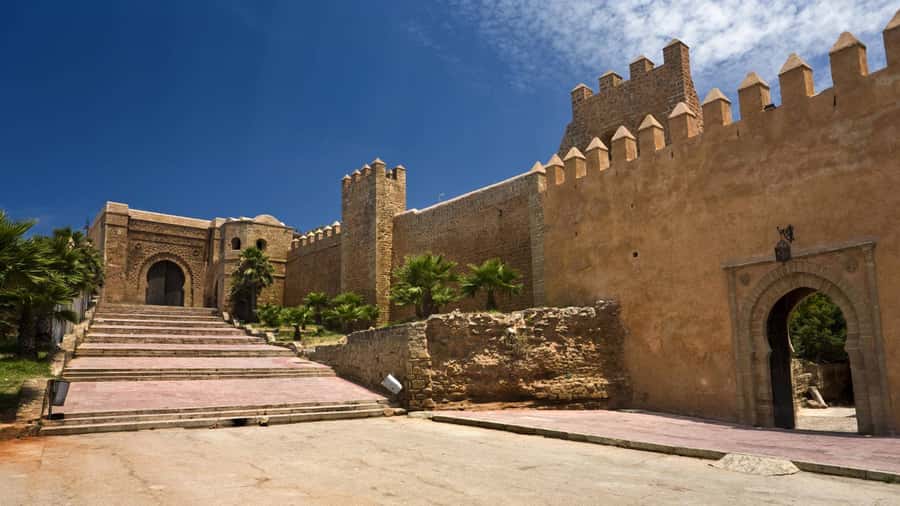
The strongest part of this tour is often the human service. Guides named Sila, Khalil, Arafa, Dinos, and Saleem have been praised for friendliness, historical explanations, flexibility, and attention to small needs such as photographs, snacks, and restroom stops.
Sila in particular has been described as warm, humorous, and able to discuss Rabat’s history, politics, traditions, and development. That range is useful because Rabat is not just a collection of monuments. The city’s royal role, modern institutions, old quarters, and relationship with Salé all make more sense when someone connects the pieces.
The experience can vary, though. One account described the outing as closer to being driven between key sights than receiving a guide-led tour at every moment. Another found the explanations in Rabat too brief. The schedule helps explain why: several visits last only 10 to 20 minutes, and the guide may sometimes give an introduction before letting you explore on your own.
If continuous guiding is important to you, say so at the start. Ask whether the guide will walk with you at each site or meet you at the vehicle afterward. That simple question can prevent mismatched expectations.
The listed languages are English, French, and Spanish. If you have a choice during booking, select the language in which you can best follow historical and cultural explanations.
Is $104 good value?
At $104 per person, the price is not the cheapest way to reach Rabat. A public train and self-guided sightseeing would usually give you more control over timing, but you would need to arrange transport, navigate between districts, and research each monument yourself.
This trip bundles hotel pickup, round-trip transport, a local professional guide, and visits to the major sights. For a first visit to Morocco, that convenience has real value. You also avoid losing time figuring out how to connect the palace district, mausoleum, Kasbah, medina, and Chellah.
The value is strongest if you are staying in Casablanca for a short time, dislike driving, or want a structured introduction to Rabat. It is less compelling if you already know the city, want long visits at archaeological sites, or prefer to set your own pace.
The small group helps keep the price more reasonable than a private tour while giving you a better chance to ask questions. The group limit is 15, but it is still worth checking the actual group size when you book if personal attention matters to you.
Free cancellation up to 24 hours before departure and the option to reserve now and pay later add useful flexibility. They do not change the tour itself, but they can make planning a multi-city Morocco trip easier.
Who should take this Casablanca day trip?
I would recommend it most strongly to first-time visitors based in Casablanca who want to see Rabat in one organized outing. You get a well-rounded introduction: royal Morocco, national monuments, an old quarter, a fortified neighborhood, and ruins.
It also suits solo visitors and couples who want company without joining a very large bus group. The tour has worked well for solo passengers, and guides have been praised for making people feel looked after.
Families and older visitors may appreciate the vehicle between districts, though the Kasbah and medina still require walking. Anyone with limited mobility should ask the provider for specific details before booking, since the available information does not describe accessibility conditions.
This is not the best choice for a slow cultural stay. If your priority is sitting in a café for hours, shopping without a clock, or studying Chellah in detail, spend a night in Rabat instead.
Practical ways to enjoy the six hours
Keep your morning flexible around the pickup. The drive from Casablanca takes about one hour, and a punctual start matters because the city schedule is compact.
Wear comfortable shoes and carry water. The medina, Kasbah, mausoleum area, and Chellah all involve some walking, while food and drinks are not included.
Bring small spending money for the medina and any optional meal. Souika Street is the main shopping stretch, and the guide may help you understand local prices, but you should still decide what fits your budget.
Take photographs quickly at the shorter stops. The Royal Palace, Hassan Tower, and mausoleum visits are concise, so listen first, then use the remaining minutes for pictures.
Ask questions as you go. Guides such as Sila and Arafa have been praised for answering questions and explaining Moroccan life beyond the standard facts. The more specific your questions, the more useful the drive and walking time can become.
Remember that the six-hour label includes the road to and from Casablanca. It is a full day in the sense of a day outing, but not six hours of sightseeing inside Rabat.
Should you book it?
Book this trip if you want a convenient, well-organized look at Rabat without spending a night there. The combination of hotel pickup, air-conditioned transport, a small group, and several major sights makes it a sensible choice for a short Morocco itinerary.
I would book it with realistic expectations. The tour gives you the outline of Rabat rather than unlimited time at each place. The Royal Palace is an exterior stop, Chellah is brief, the mausoleum visit moves quickly, and the guide may not walk beside you for every minute.
For the best chance of a rewarding day, choose it for the transport and local context, not simply for a checklist of monuments. If your guide is like Sila, Khalil, Mehdi, or Arafa, you may get useful stories about the city between stops as well as at them. At $104, that convenience is worthwhile when time is short and you want Rabat’s main character in a single outing.
FAQ
How long does the trip from Casablanca to Rabat last?
The activity lasts six hours, including approximately one hour of travel from Casablanca to Rabat and one hour for the return journey.
Is hotel pickup included?
Yes. Pickup and drop-off at your Casablanca hotel are included.
Which Rabat sights are included?
The route includes the exterior of the Royal Palace, Mohammed V Mausoleum, Hassan Tower, Kasbah of the Udayas, Rabat’s medina, and Chellah. It also includes break time in Rabat.
Is lunch included in the price?
No. Food and drinks are not included, so you should budget separately for lunch or refreshments.
What languages are available?
The live guide service is available in English, French, and Spanish.
Can I cancel the booking?
You can cancel up to 24 hours in advance for a full refund. The activity also offers reserve now and pay later booking.
Just listed out of Casablanca
- Private Day Trip to Rabat Departure from Casablanca★ 5.0 · 33 reviews
- Religious Casablanca: Private Spiritual Tour Including Hassan II Mosque Visit★ 5.0 · 33 reviews
- Private Casablanca Market Tour and Cooking Class with Chamsi★ 5.0 · 33 reviews
- Sunset Camel Ride in the Palm Grove Of Marrakech★ 5.0 · 34 reviews
- Private Full-Day Tour in Casablanca with Pickup★ 5.0 · 34 reviews
- Casablanca: 6-Day Tour To Marrakech Via Chefchaouen & Desert★ 4.7 · 34 reviews
- 3 Days Chefchaouen and Fez from Casablanca Private Tour★ 5.0 · 34 reviews
- Casablanca Private Full-Day Highlights Tour★ 5.0 · 34 reviews
Casablanca Tours, compared.
Hassan II Mosque Premium Tour with Entry Ticket
Read our review →
Casablanca City Tour with Hassan II mosque ticket
Read our review →
Private Tour of Casablanca with Hassan II Mosque Entry Ticket
Read our review →
Marrakech Day Trip with Camel Ride from Casablanca
Read our review →
Browse the lists this tour appears in