
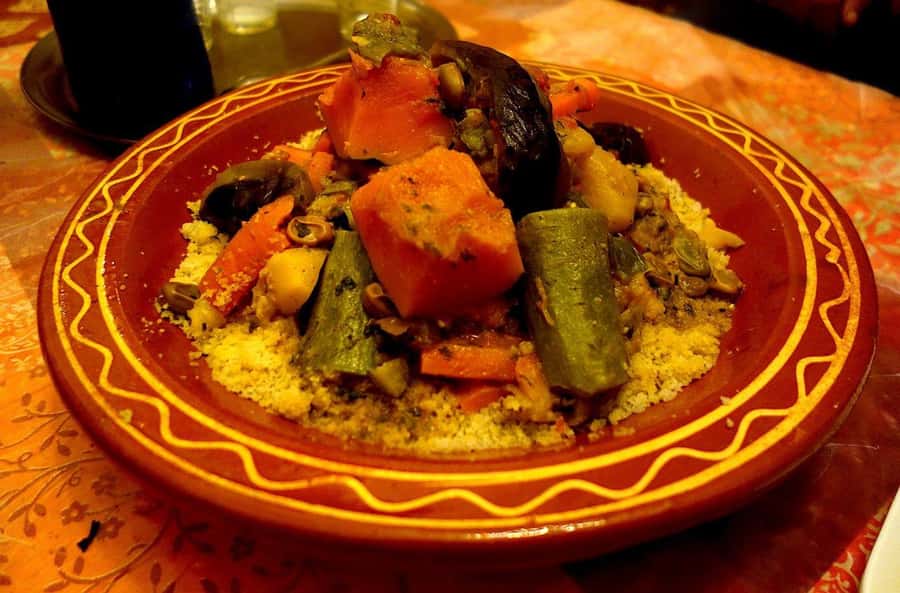
Reviewed · ESSAOUIRA DAY TRIPS
Essaouira: HOW TO BE A REAL MOROCCAN CHEF
Cooking tagine in a local home is the heart of this Essaouira experience. Chef Abdou welcomes you into his house, explains the spices, and has you prepare the dish yourself rather than simply watching a kitchen demonstration. The meal cooks while you drink mint tea, eat Moroccan pastries, and talk about food and daily life.
I like the hands-on format and the chance to choose your tagine, including options such as fish, chicken, lamb, and other combinations. I also like the personal touch: Abdou has helped people find fairly priced tagine pots and spices, shared recipes, taught Arabic words, and brought music into the evening. The main consideration is that the class takes place in a private home, so it offers a warm, informal setting rather than the polished space of a professional cooking school.
Key Points at a Glance
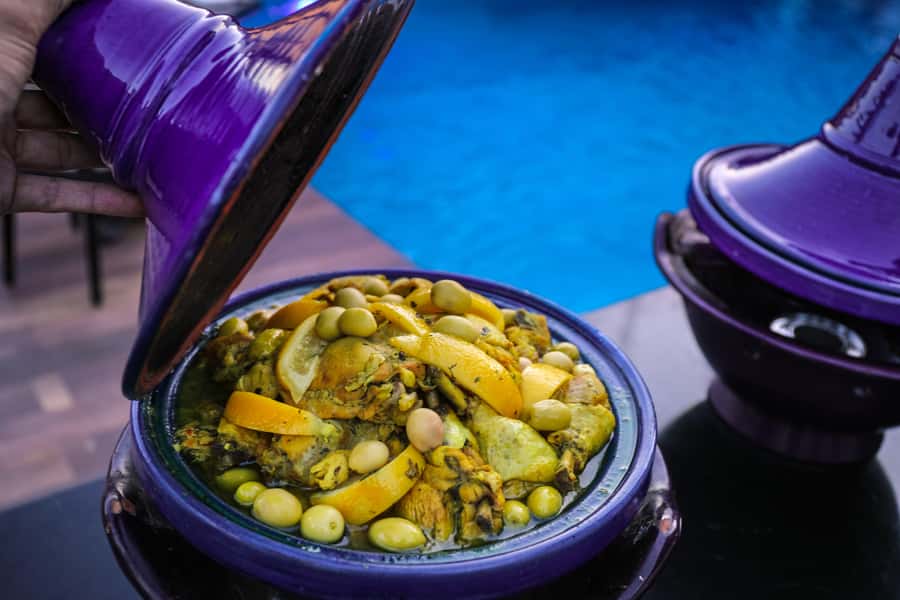
- Choose your own tagine: Depending on the session, you may select fish, chicken, lamb, or another Moroccan recipe before cooking.
- Cook every stage yourself: You chop vegetables, prepare seasonings, layer ingredients, and assemble the tagine with Abdou’s guidance.
- A real home setting: The class takes place in Abdou’s house, about a 15-minute walk from the Medina according to the activity details.
- Tea and pastries while you wait: Mint tea, Moroccan sweets, and sometimes music or traditional instruments fill the cooking time.
- Small and social: Groups are limited to 10 people, which keeps the lesson personal and makes the shared meal easygoing.
- Useful souvenirs: Recipes are provided, and Abdou may help you buy spices or a tagine pot at a local price.
Why This Cooking Class Feels Different
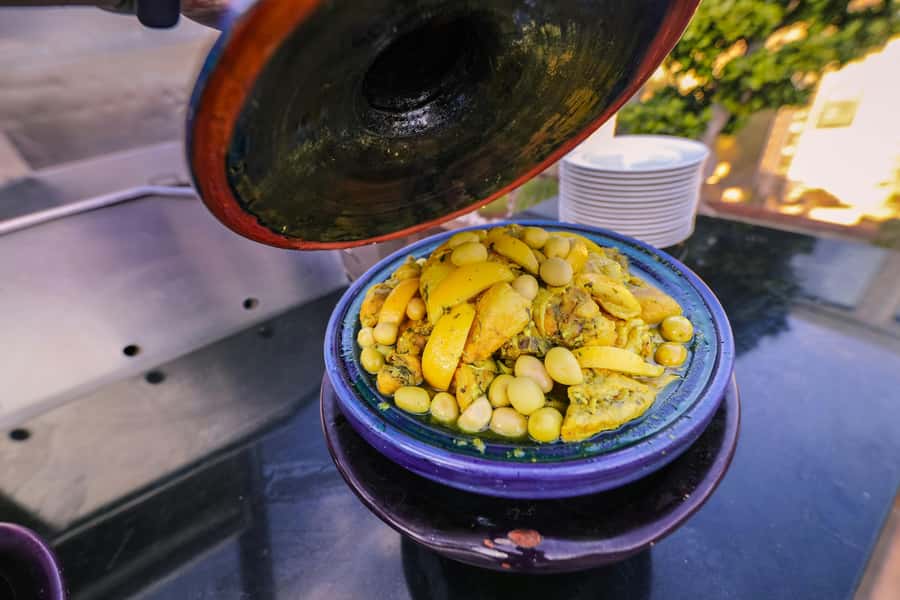
Essaouira has plenty of restaurants serving tagine, but eating one and learning to make one are two different experiences. This class gives you the basic logic behind Moroccan home cooking: how spices are combined, how ingredients are layered, and how a simple covered pot turns modest ingredients into a full meal.
The setting matters. You are not standing behind a glass panel in a large school kitchen. You are welcomed into Abdou’s home, where the pace is relaxed and conversation is part of the lesson. That can make the experience feel more personal, but it also means you should expect a domestic setting with a less formal structure.
The price is $45 per person for three hours. I consider that good value if you want more than a meal. You receive instruction, ingredients, utensils, mint tea, spice guidance, hands-on cooking, and the food you prepare. A restaurant meal in Essaouira may cost less, but it will not give you a recipe, practical skills, or the same chance to ask why a certain spice is used.
A few other Essaouira days worth comparing
- From Marrakech: Essaouira & Atlantic Coast Full-Day Trip
★ 4.4 · 1,100 reviews - Essaouira: Surf Lessons
★ 4.9 · 412 reviews - Essaouira Sand Dunes: Half Day Quad Bike Tour
★ 5.0 · 313 reviews
Meeting Abdou Near Essaouira’s Medina
The activity is based in Essaouira, in the Marrakesh-Safi region of Morocco. The cooking takes place in Abdou’s home, described as roughly 15 minutes from the Medina on foot. Some sessions also begin with a visit to the local market to collect fresh ingredients, though you should confirm that detail when booking because the core activity is the home cooking class.
That short walk can be useful early in your stay. Abdou has offered advice about restaurants, local shops, tagine pots, and spices. If you are new to Essaouira, a local introduction like this can help you make better choices during the rest of your visit.
Do allow time to find the meeting point and wear comfortable shoes. The activity lasts three hours, and starting times vary, so check the available time before you reserve. Morning and evening sessions can create different moods, but the main structure remains the same: welcome, preparation, cooking, and a shared meal.
Mint Tea Starts the Lesson
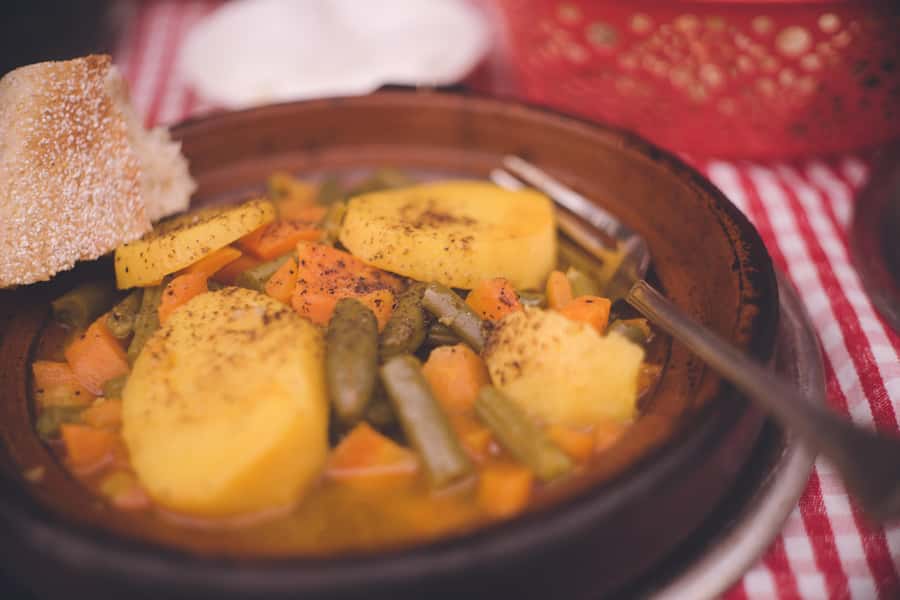
The class begins around a welcoming table with Moroccan mint tea. This is not just a drink served while you wait for instructions. Tea is part of Moroccan hospitality, and Abdou uses it to set the tone before the cooking begins.
You learn how the tea is poured and may pick up a few Arabic expressions along the way. Several sessions have included homemade Moroccan pastries, often prepared by Abdou’s sister, while the tagines cook. These sweets give you something to enjoy during the waiting period and add a family touch to the class.
I like this pause because it keeps the session from feeling rushed. Moroccan cooking often depends on patience, and the tea break gives you time to ask questions about Essaouira, food traditions, and local customs. If you want a fast lesson with every minute devoted to knife work, this relaxed pace may feel slow. If you want conversation and cultural context, it is one of the best parts.
Choosing and Preparing Your Tagine
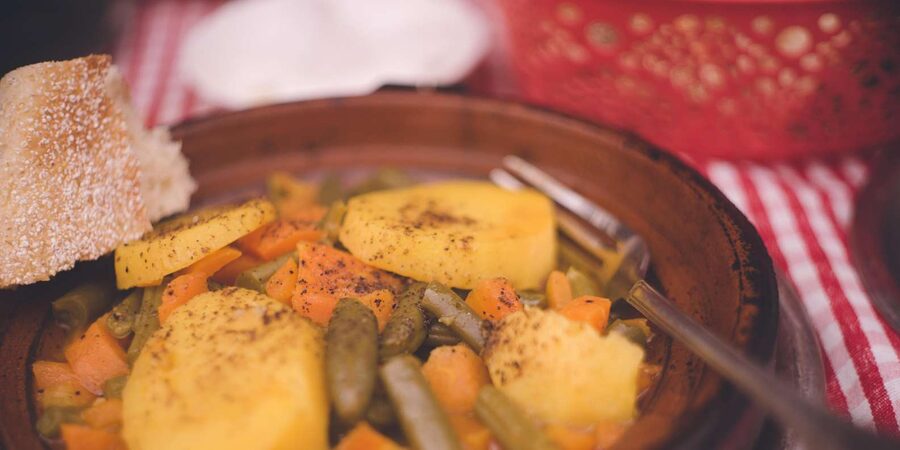
The central activity is the tagine. Before the class, or at the beginning, you may be able to choose the style you want to prepare. Options described in the activity include fish, chicken, lamb, and different combinations of vegetables and seasonings. Abdou has also offered several tagine choices so people in the same group can cook different dishes and sample one another’s food.
The cooking is genuinely practical. You prepare and cut the vegetables, make the marinade or seasoning mixture, and arrange the ingredients in the traditional layered manner. Abdou explains which spices are used and why, while adjusting the guidance to the dish and, in some cases, to personal taste.
Expect to hear about cumin, paprika, saffron, Ras el Hanout, and other Moroccan seasonings. The useful lesson is not simply memorizing a spice list. You begin to understand how Moroccan cooks balance savory, sweet, earthy, and aromatic flavors.
The method is simple enough for beginners, but it still teaches something valuable. You see how the tagine is assembled, how the ingredients sit in the pot, and how the covered cooking vessel builds flavor. The dish is then placed on the stove or fire to cook slowly.
One practical point deserves attention. If you choose chicken, the ingredient may be freshly slaughtered at the market while you watch. That detail was important enough for one participant to flag, and it may not suit everyone. If you are uncomfortable with that possibility, ask about the ingredients and preparation before choosing your tagine.
Same city, a completely different day out:
- Big dunes and atlantic coast tour 2 HOURS
★ 5.0 · 439 reviews - 3 hours ride on camel at sunset
★ 5.0 · 326 reviews - Essaouira Activities: Discover Essaouira by Quad
★ 5.0 · 274 reviews - From Essaouira: 1-Hour Horse Ride
★ 4.9 · 243 reviews
More Than One Dish, Depending on the Session
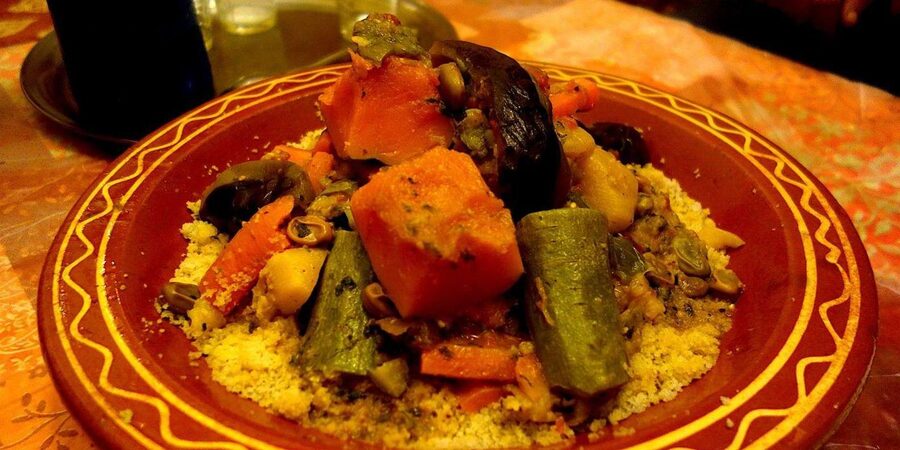
The experience description allows for more than tagine, with possible dishes such as pastilla or couscous. The strongest focus, however, is clearly tagine, and many sessions involve each person or pair preparing a different tagine.
Pastilla would offer a different lesson, since it combines pastry, chicken, almonds, and a touch of sweetness. Couscous would show another major part of Moroccan cooking. These dishes are described as possible additions rather than guaranteed items, so do not book expecting all three in every class.
The advantage of having several tagine choices is that a small group can create a shared tasting menu. You may work on fish while someone else prepares lamb or chicken, then compare the results at the table. This adds variety without turning the class into a complicated professional course.
Waiting for the Tagine With Tea, Music, and Conversation
Once the pots are cooking, the class shifts from kitchen lesson to social evening. Mint tea and pastries return, and some sessions include Moroccan music, singing, or traditional instruments. Arabic practice may also become part of the conversation.
This entertainment is not presented as a formal show. It is more like a host sharing part of his everyday culture with people in his home. That distinction is important. You should expect an informal gathering, not a scheduled performance with a fixed program.
The atmosphere appears especially well suited to couples, families, and groups of friends. Children have been able to take part in the preparation, including a two-year-old in one session, and Abdou has been patient with teenagers and young cooks. Still, children will need ordinary supervision around knives, hot cookware, and the stove.
Groups can include up to 10 participants. That is small enough for direct help, but the exact feel depends on who books that day. A group of eight friends may bring its own lively energy, while a mixed group may be quieter at first. The shared preparation gives everyone an easy way to start talking.
Sitting Down to Eat What You Made
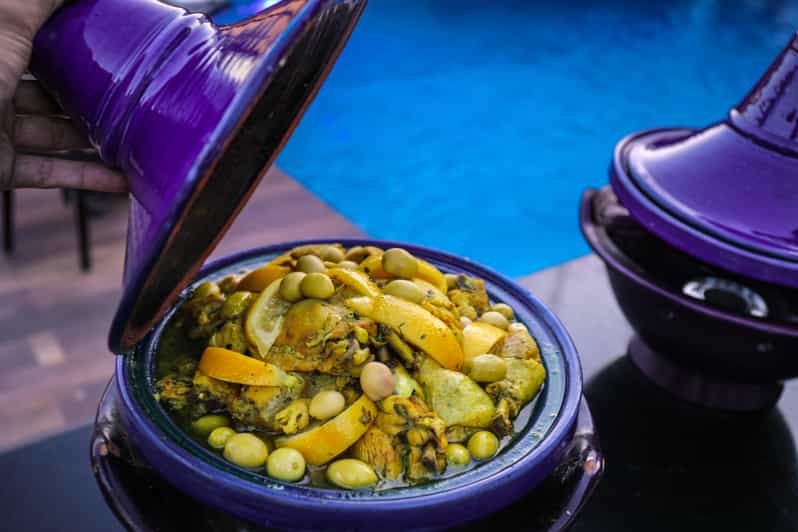
The final meal is the payoff, but it is not the only reason to book. You sit around a communal table and eat the tagines you prepared. Portions have been described as generous, so you should not plan a large dinner immediately afterward.
The food often tastes better because you understand the work behind it. You seasoned the ingredients, arranged the layers, and waited for the dish to cook. You also get to compare your creation with the tagines made by other people in the group.
Takeaway containers may be available if you cannot finish everything. That is a useful detail for solo diners or anyone who finds the portion too large. Some participants have also brought along a partner to share the meal, but extra people joining should be confirmed in advance rather than assumed.
The meal is a communal experience, not a private restaurant table. That makes it a good match for people who enjoy conversation and meeting others. If you want a quiet, private dinner, this class may not be the right choice.
The Personal Touch From Abdou and Isaac
Abdou is the main chef and host, and the strongest feature of the experience is his manner of teaching. He speaks English and French, with English described as fluent in several sessions. He has also used bits of Italian, Polish, German, and Arabic to help people feel included.
His teaching style is patient and practical. He explains each step, answers questions, and encourages you to take part rather than standing aside. That matters when you are working with unfamiliar spices or preparing a dish you have only eaten in restaurants.
Isaac sometimes helps host the experience. Together, Abdou and Isaac have added singing, dancing, stories, and conversation about local culture. These extras are not the main product, and they may vary by session, but they help explain why the class can feel more like an evening with local friends than a standard lesson.
Several sessions have also included advice beyond the kitchen. Abdou has taken people to shops selling spices at local prices and helped them find traditional tagine pots without paying an inflated tourist price. In one case, he delivered a tagine pot to a hotel after nearby shops were closed. Treat that as a generous personal gesture, not a promised part of the package.
What You Take Home
The most useful souvenir is the skill. You leave knowing how to prepare at least one tagine, with a clearer idea of how Moroccan spice mixtures work. Recipes have also been sent afterward, giving you a chance to repeat the meal at home.
You may also be able to buy Ras el Hanout, other spices, or a cooking pot. If you do, ask about the price and compare options before buying. Abdou’s local guidance can help, but the purchase is separate from the $45 activity price.
A tagine pot can be awkward to pack, especially if you are traveling with only hand luggage. Spices are easier to carry, and the recipes may prove more valuable than another decorative object. I like that the experience focuses on something you can use after Morocco rather than only something you can display.
Value, Group Size, and Practical Limits
At $45, this is not the cheapest way to eat in Essaouira. It is also not simply a cooking demonstration. You spend three hours preparing food, learning from a local chef, tasting tea and sweets, and eating a substantial meal.
The value is strongest for people who want cultural contact and practical instruction. It is weaker if you dislike group activities, have very limited time, or only want to sample Moroccan food without cooking.
The group limit of 10 is a sensible compromise. It keeps the cost reasonable while allowing Abdou to guide several cooks. A private lesson is not advertised, so do not expect one-on-one attention throughout the full three hours.
English and French are the listed teaching languages. That makes the class accessible to many international visitors, but you should choose the language that best suits your group when checking availability.
Free cancellation is available up to 24 hours before the activity for a full refund. You can also reserve and pay later, which helps if your Essaouira plans may change. Starting times depend on availability.
Who Should Book This Essaouira Cooking Class
I would recommend it to first-time visitors who want a friendly introduction to Moroccan food and culture. It is also a strong choice for couples, families, older children, teenagers, and small groups of friends.
You will get the most from it if you enjoy asking questions, handling ingredients, and sharing food with other people. It is particularly useful near the start of a stay, since Abdou may offer suggestions about restaurants, markets, spices, and local customs.
People with dietary restrictions should speak with the provider before booking. The cooking can be adapted in some situations, and one session included separate personal tagines for different dietary needs, but the activity information does not promise every possible adjustment.
The class may be less suitable if you are squeamish about market food preparation, uncomfortable in a private home, or hoping for a formal culinary certificate. It teaches home-style Moroccan cooking, not restaurant-level professional technique.
Should You Book It?
Book this class if you want to understand Moroccan food by making it yourself. The best reasons are the home setting, Abdou’s patient instruction, the ability to choose a tagine, and the relaxed meal with tea, sweets, and conversation.
I would not book it only because you want a guaranteed pastilla or couscous lesson. Tagine is the reliable centerpiece, while the other dishes and musical touches can vary.
For $45, the combination of food, instruction, recipes, and local advice is strong. You finish with a full meal and a method you can repeat at home. If that sounds better than another restaurant dinner in Essaouira, this is a smart use of three hours.
FAQ
Where does the cooking class take place?
The class takes place in a charming local house in Essaouira, about a 15-minute walk from the Medina according to the activity details.
How long does the activity last?
The cooking class lasts three hours. Starting times vary, so check availability for the date you want.
How much does the class cost?
The listed price is $45 per person.
Which languages does the chef speak?
The activity is offered in English and French. Abdou has also used some Arabic and a few words in other languages during sessions.
What food will I prepare?
Tagine is the main dish. Depending on the session and your selection, you may prepare fish, chicken, lamb, or another tagine style. Pastilla and couscous are possible additional dishes, but they are not guaranteed for every class.
Is the class hands-on?
Yes. You actively prepare the ingredients, cut vegetables, season the dish, layer the components, and assemble the tagine before it cooks.
Are food and drinks included?
Yes. Ingredients, utensils, mint tea, spice exploration, cooking instruction, and the meal you prepare are included. Moroccan pastries may also be served while the tagine cooks.
How large is the group?
The class is limited to 10 participants and is described as a small-group activity.
Can I cancel or pay later?
You can cancel up to 24 hours in advance for a full refund. The reserve-now, pay-later option lets you book without paying immediately.
Just listed out of Essaouira
- The Sunday Market in Had Draa & Local Food Tasting.★ 5.0 · 33 reviews
- Horse riding on the beach of Essaouira 2 hours★ 5.0 · 34 reviews
- Explore Essaouira’s Secrets: A Guided Tour with a Local!★ 4.7 · 37 reviews
- Essaouira 1 hour discovery ride on the back of a camel★ 5.0 · 37 reviews
- Individual kitesurfing lessons in Essaouira★ 5.0 · 38 reviews
- 2 hours horse ride beach and dunes in Essaouira Morocco★ 4.5 · 38 reviews
- Private Kitesurf Lesson in Essaouira Morocco★ 5.0 · 38 reviews
- Essaouira: Area Highlights Guided E-Bike Tour★ 4.9 · 39 reviews
Essaouira Day Trips, compared.

From Marrakech To Essaouira Mogador Full Day Trip | Small-group
Read our review →


Browse the lists this tour appears in