
Reviewed · AGADIR TOURS
Agadir: Unleash Your Adventure with Electric Bicycles!
Agadir’s best stories are not all found along the beach. This three-hour electric bike tour takes you through working neighborhoods, a public bakery, Souk El Had, old religious buildings, and small cafés where Moroccan tea comes with conversation. Young guides such as Saad, Dounia, Malika, and Ennis bring their own experience of growing up in Morocco.
I especially like the chance to see ordinary city life, not just postcard sights, and the small groups capped at four people. The public bakery, local Hammam, fresh fruit market, and tea stop give the tour real texture. The main caution is traffic: riding through Agadir can feel adventurous, and some bikes are a little dated or may not fit every rider perfectly.
Key points to know before you ride
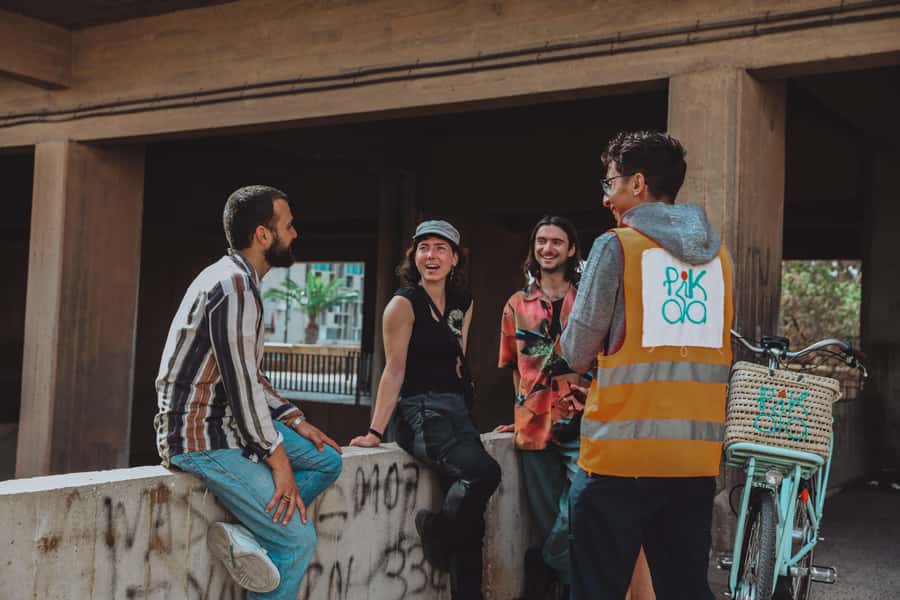
- Small groups of four: You get more time to ask questions and settle into the electric bikes.
- Local youth guides: Pikala trains young people to lead tours in English, French, and Arabic.
- A working Agadir itinerary: Expect bakeries, cafés, markets, post offices, churches, a synagogue, and city streets, not only monuments.
- Food and drinks included: Water, fruit, juice, Moroccan pastries, tea, and a final café stop are part of the outing.
- Traffic requires attention: The pace is manageable, but city cycling is not completely calm or car-free.
- Good value at $34: The price covers the bike, guide, food and drinks, local entrances, and three hours of guided time.
Why this bike ride shows more than Agadir’s beach
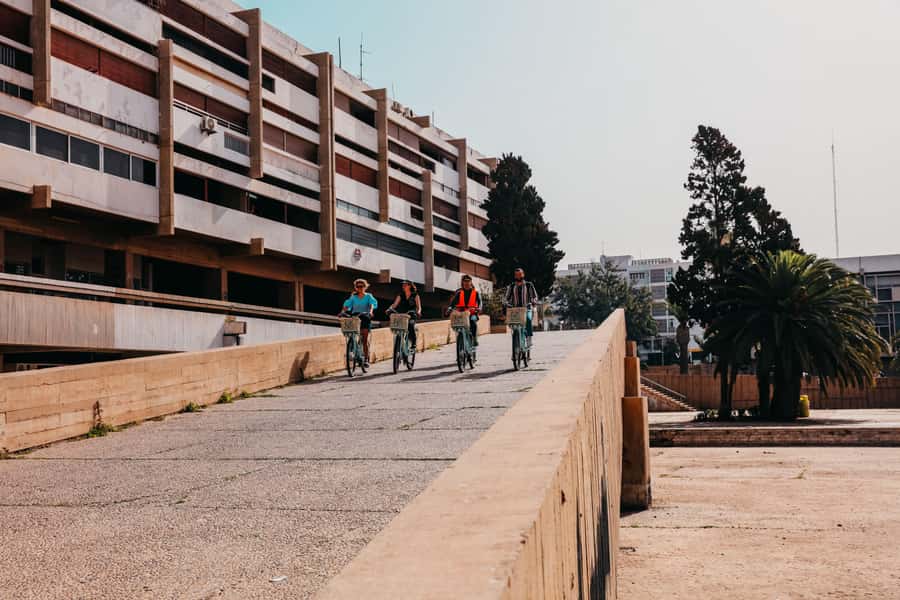
Agadir is easy to approach as a resort city. You can spend days near the seafront, enjoy the sun, and never see how residents shop, work, pray, meet, or take a break. Pikala’s electric bicycle tour changes that angle.
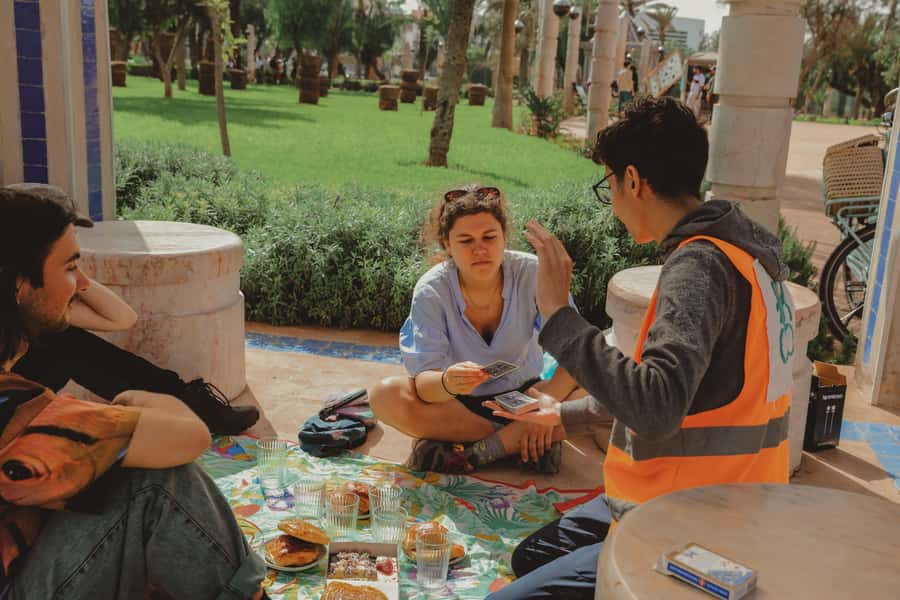
The aim is not to rush from one famous building to another. You move through several parts of the city with a young local guide who can explain family life, religion, modernization, and the experience of growing up in Morocco. The guides also add small personal touches, from Arabic words to stories and local card games over coffee.
The route includes notable buildings, but its strength is the mix. You may pause at the Main Post Office, pass a synagogue and Saint Anne church, walk through Souk El Had, and then sit down for tea and Moroccan pastries. That combination gives you a more useful first sense of Agadir than a list of monuments alone.
Pikala is also a local NGO focused on youth training and empowerment. Your booking supports a project that puts young people in guiding roles, while you get a more personal introduction to the city. That social purpose is a worthwhile part of the price, but the outing still needs to work as a tour. Happily, it does best when the guide’s personality leads the way.
A few other Agadir days worth comparing
- Marrakech: Street Food Tour with a Local Guide
★ 4.9 · 3,119 reviews - Agadir or Taghazout: Paradise Valley Atlas Mountains Tour
★ 4.4 · 2,905 reviews - Agadir/Taghazout : Quad Bike Safari Desert
★ 4.8 · 1,496 reviews
Starting near the tourist quarter
The meeting point is Pikala Agadir’s atelier near Hotel Igoudar in Agadir’s tourist area, next to Bank Populaire. Hotel pickup and drop-off are not included, so plan your route to the shop before the start time.
This is a practical location for anyone staying in the central tourist zone. Give yourself enough time to find the atelier, especially if you are not familiar with Agadir’s streets. Bring comfortable shoes and clothes. Sunscreen is supplied, but sunglasses, a hat, and a light layer may still be useful in strong sun.
The group limit is four people. That matters on a bicycle tour. You are less likely to feel lost in a large line of riders, and your guide can watch how confidently you handle the bike. Dounia has been praised for giving riders time to get comfortable before setting off, while Saad has been noted for keeping a steady pace.
Getting comfortable on the electric bikes
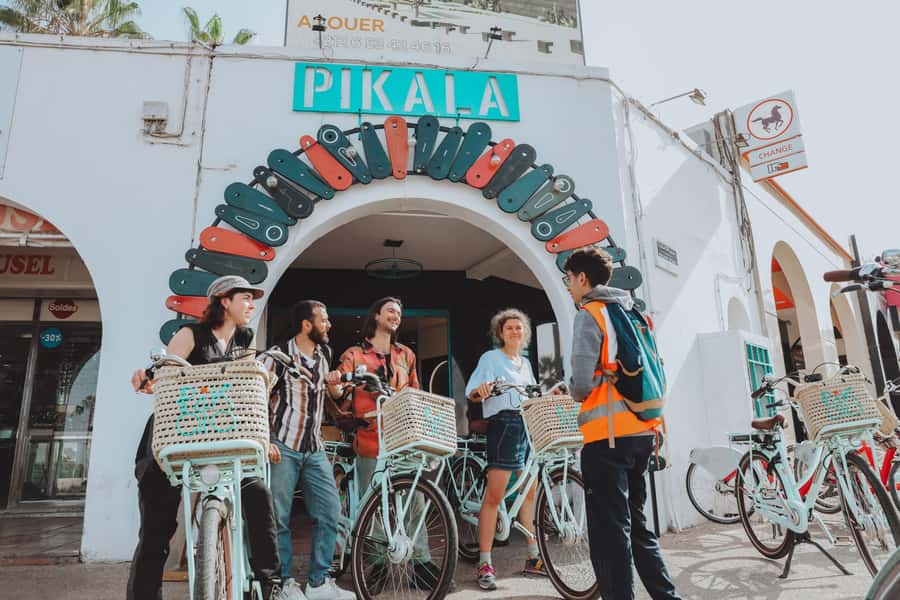
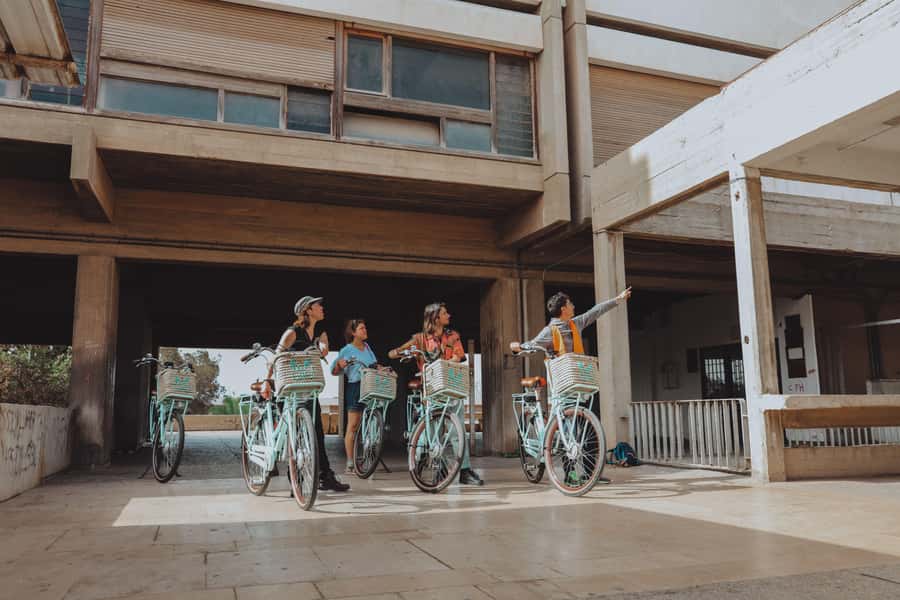
The electric bikes make this a practical way to cover more ground without turning the tour into a fitness test. You still pedal, but the motor helps when you are tired or when the route feels less easy than expected.
The bikes are described as comfortable beach bikes, although condition and fit may vary. One rider received a smaller mountain bike because the available bicycles were too large. Another described the bikes as a little dated. I would not book this expecting polished, high-end equipment. I would book it for the route, the guide, and the access to local places.
Ask for a size that feels safe before leaving. If you are short, tall, inexperienced, or uncertain on a bicycle, take a few minutes to test the brakes, saddle, and controls. The guides appear willing to adjust the pace, but you should speak up early.
Agadir traffic is part of the experience. One rider found cycling through the city challenging at times, while another called the traffic adventurous. That is fair. You are not riding on a silent country lane. Stay alert, follow your guide, and do not treat the electric motor as a reason to speed.
Pregnant people and anyone with back problems should not take this tour. It is also sensible to consider your comfort with city cycling before booking.
Mohamed V Mosque and the first city stories
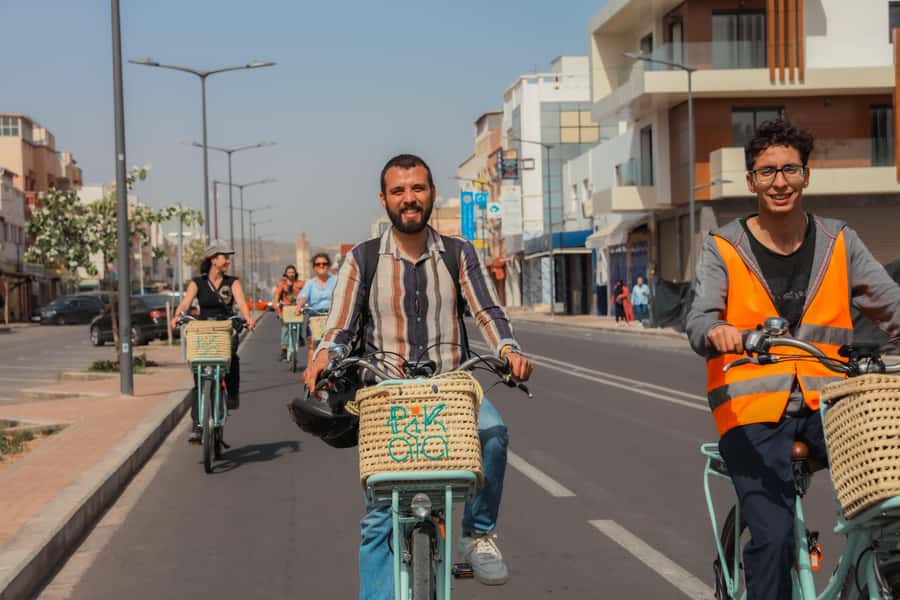
The first listed stop is Mohamed V Mosque, with about ten minutes for sightseeing. This is a short introduction to the city’s religious and architectural character.
Your guide can give this stop more meaning than a quick photograph. The wider tour includes discussion of family, religion, and modernization, so this is a natural place to ask how religious life fits into present-day Morocco. The tour does not promise an interior visit, so expect to view the site from the route rather than plan on a long architectural tour inside.
From here, the outing keeps moving through public parts of Agadir. You get a sense of how religious buildings sit alongside offices, shops, cafés, and everyday traffic.
Same city, a completely different day out:
- From Marrakech: Full-Day Trip to Agadir
★ 4.7 · 1,314 reviews - Agadir/Taghazout: Quad Bike and Sandboarding Tour
★ 4.7 · 1,286 reviews - Agadir: Crocoparc Skip-the-Line Entry Ticket
★ 4.8 · 1,268 reviews - From Taghazout or Agadir: Marrakech Guided Day Trip
★ 4.3 · 1,096 reviews
Post office, Civil Protection, and Agadir’s changing face
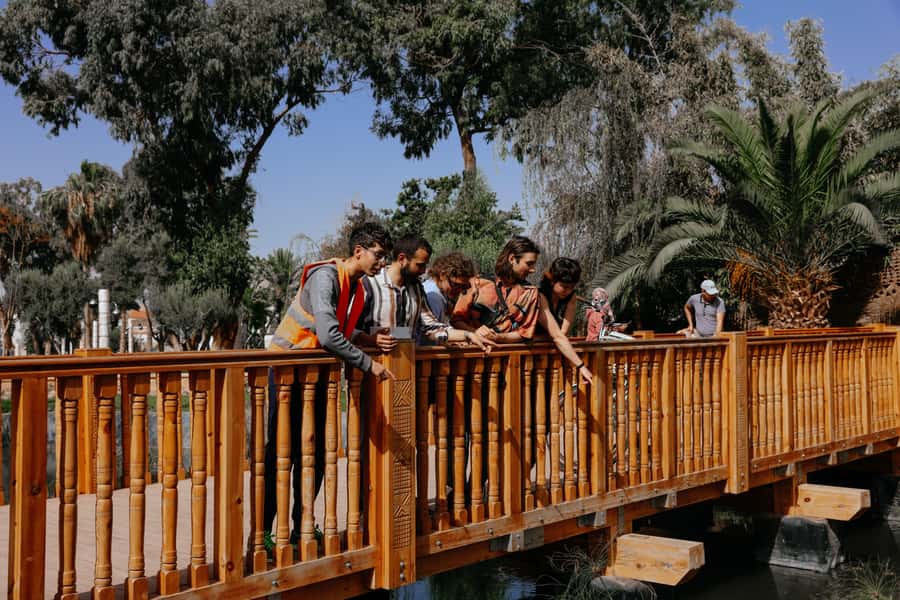
The Main Post Office is another short stop, followed by Civil Protection, where you have around twenty minutes for a break, photographs, and sightseeing. These are not the sort of places most people would put at the top of a sightseeing list, which is precisely why they help explain the city as a lived-in place.
The Civil Protection stop gives the ride a pause. You can get off the bike, stretch, and take photographs while your guide explains what you are seeing. The route also touches on Agadir’s architectural development, so pay attention to how public buildings reflect different periods and priorities.
This is a tour for people who enjoy context. If you only want major monuments and sweeping viewpoints, some of these stops may feel ordinary. If you want to understand how a city functions, they are useful.
Synagogue, Cinema Salam, and Saint Anne church
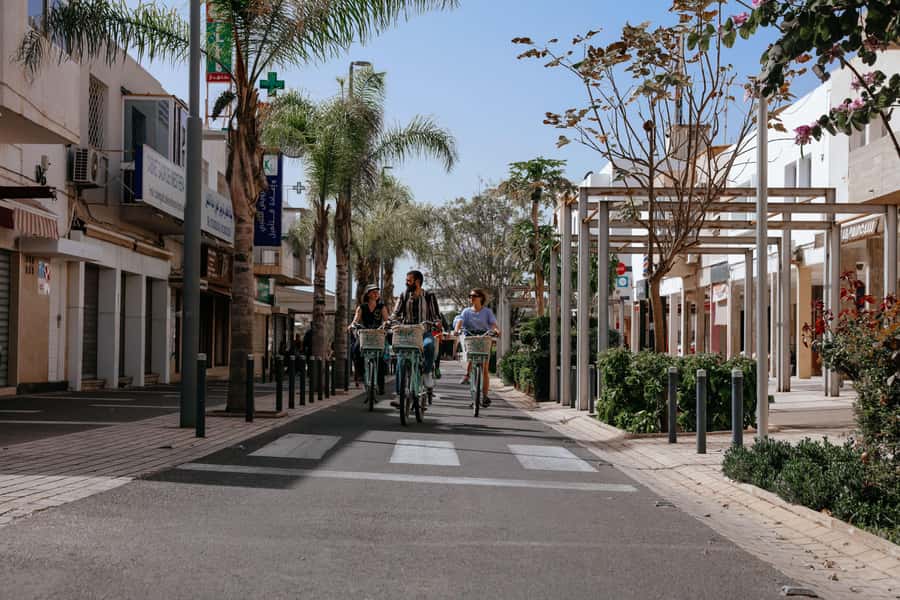
The route passes the synagogue, Cinema Salam, and Saint Anne church. The synagogue and church are mainly sightseeing or photo stops, and the timing varies from roughly ten to twenty minutes.
Together, these places point to Agadir’s varied religious and social past. You are not seeing one single version of Moroccan identity. The guide can help you think about coexistence, a central theme of the tour, and explain how different communities and modern influences appear in the city.
Cinema Salam adds another layer. A cinema is less formal than a mosque or church, yet it says plenty about entertainment, public life, and changing tastes. The itinerary also includes a quirky old vinyl record store, according to one route description from a past outing. Because the tour is led by local guides rather than delivered from a rigid script, exact stop details may have a little flexibility.
That personal style is one of the strongest parts of the experience. Ennis has been praised for combining friendly conversation with city knowledge, while Malika has been appreciated for allowing time to look around and take pictures. You are not simply being marched from one checkpoint to the next.
Quartier Industriel and the public bakery
The ride then passes through Quartier Industriel. This section helps move you away from the polished tourist center and toward the practical side of Agadir.
A public bakery is one of the most interesting promised stops. Bread is a daily part of Moroccan life, and a bakery offers a simple way to see how an essential food fits into the neighborhood. This is not a staged cooking show. It is a quick look at a normal service used by local people.
The tour also introduces you to the traditional Hammam bathhouse. The stop is valuable because a Hammam is more than a place to wash. It is tied to routine, social life, and local customs. The information provided does not promise a bathing session, so expect an explanation or visit rather than a spa treatment. Wear clothes and shoes suitable for walking between these stops.
Souk El Had, fresh fruit, and a taste of daily shopping
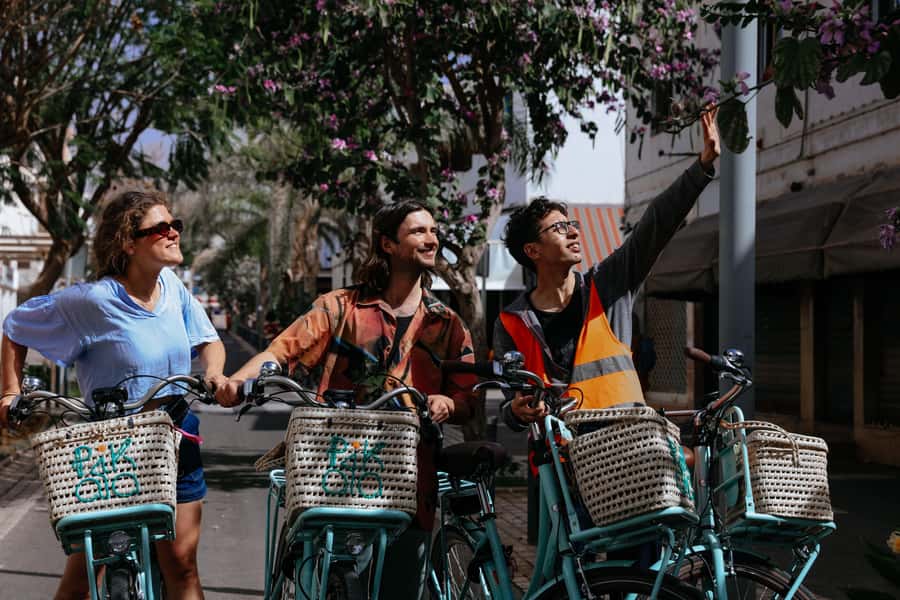
Souk El Had is the main market stop, with about twenty minutes for a guided visit and walking. This is where the tour becomes especially useful for first-time visitors who might otherwise find the market hard to read.
You can expect the guide to help you understand the flow of the market and the kinds of goods people buy. Fresh fruit is included, picked up from the Main City Market as part of the outing. That small detail makes the visit feel connected to daily shopping rather than a quick pass through a market made only for sightseers.
Twenty minutes is enough for a taste, not a full shopping expedition. If you want to browse every aisle, compare prices, or buy gifts, you may need to return on your own. Keep your attention on your bicycle group and belongings, as you would in any busy market.
A past tour also included a refreshing drink made with sugar cane, ginger, and lemon. The exact café or drink may vary, but water and fruit are included, and the food stops are a clear strength of this experience.
Royal Palace and the ride back to Pikala
The Royal Palace is a photo and pass-by stop near the end of the route. Do not expect an interior visit. The value is in seeing another part of the city’s public setting and hearing whatever background your guide can provide from outside.
After that, you return to Pikala Agadir. The route covers enough ground to give you a sense of the city’s layout, but three hours is short enough to fit into a wider holiday plan. I would schedule it early in your stay. You will learn where markets, cafés, religious buildings, and central streets are, then you can return later to places that caught your interest.
The final stop includes a quick tea visit at a second café. This is a good time to ask direct questions and compare what you have seen with life back home. One guide has played a local card game with riders over coffee, and the relaxed café setting is often where the tour’s personal side comes through most clearly.
Tea, juice, pastries, and the real value of $34
At $34 per person, the tour is priced fairly for a three-hour small-group outing. You receive the electric bike, live guiding, water, fruit, juice, Moroccan pastries at a cultural café, a second tea stop, sunscreen, and free entry to the local stops included in the route.
The food is not a full meal, so do not book it as lunch. Think of the included drinks and snacks as part of the cultural experience. Moroccan tea and pastries give you a chance to sit, taste something local, and talk rather than simply taking photographs.
The four-person group limit improves the value. A guide can answer more questions, adjust the ride, and spend time explaining personal subjects. The tour also supports Pikala’s youth training work, which gives your money a purpose beyond transport and sightseeing.
The main value, though, is access. A taxi or standard city tour could take you between landmarks, but it would not necessarily bring you into a public bakery, introduce the social role of a Hammam, or give you an easy conversation about Moroccan family life and modernization.
Who should book this Agadir experience?
I would choose this tour if you want a first look at Agadir beyond the resort strip. It suits curious couples, solo visitors, friends, and small families with riders who can manage city streets. The electric assistance helps if you want to cover ground without a hard workout.
It is also a good choice if you value direct conversation. The guides speak English, French, and Arabic, and several named guides, including Saad, Dounia, Ennis, and Malika, have led riders with patience and humor. Their personal stories are more useful than a memorized speech when you want to understand family, religion, and modern Morocco.
I would hesitate if you dislike traffic, need a very quiet ride, or expect new premium bicycles. Equipment can be a little worn, and the route includes regular urban movement. The guides can help, but they cannot remove city traffic from Agadir.
Book with flexible plans if useful: cancellation is free up to 24 hours before the tour, and you can reserve now and pay later. Starting times depend on availability.
Should you book the Pikala electric bike tour?
Yes, if your idea of sightseeing includes local streets, simple food stops, and honest conversation. The strongest parts are the young guides, the tiny group size, the bakery and market visits, and the café time that lets you ask what life in Agadir is really like.
Choose something else if you want a grand monument tour, a long market session, or a completely relaxed ride away from traffic. For most active visitors spending a few days in Agadir, though, $34 buys a useful and enjoyable introduction to the city, with the added benefit of supporting a local youth-focused NGO.
FAQ
How long is the Agadir electric bicycle tour?
The tour lasts three hours, including the bicycle ride, sightseeing stops, market visit, breaks, and café stops.
How much does the tour cost?
The price is $34 per person.
Where does the tour meet?
You meet at the Pikala Agadir atelier near Hotel Igoudar in Agadir’s tourist area, next to Bank Populaire.
Is hotel pickup included?
No. Hotel pickup and drop-off are not included.
Which languages are available?
The live guides speak English, French, and Arabic.
How large is the group?
The tour is limited to four participants.
What food and drinks are included?
The tour includes water, fruit, juice, Moroccan pastries at a cultural café, and a quick tea stop at a second café near the end.
Is the tour suitable for pregnant people or people with back problems?
No. The activity is not suitable for pregnant women or people with back problems. Comfortable shoes and clothes are recommended.
Just listed out of Agadir
- Agadir: 30 min Jet Ski Rental with Transfers★ 4.6 · 33 reviews
- Camel Riding Agadir★ 4.5 · 33 reviews
- Agadir: 2h Surf Lesson with Local Instructors★ 5.0 · 33 reviews
- Surf Lessons in Taghazout | Learn to Surf in Morocco★ 5.0 · 33 reviews
- Agadir : City Sightseeing Tour★ 4.7 · 33 reviews
- Agadir Quad Biking★ 5.0 · 33 reviews
- Agadir or Taghazout: Paradise Valley Atlas Mountains Trip★ 4.2 · 33 reviews
- Fun buggies in Agadir Forest and Beach Dunes★ 4.5 · 33 reviews
Agadir Tours, compared.
Agadir or Taghazout: Paradise Valley Atlas Mountains Tour
Read our review →

Agadir/Taghazout: Quad Bike and Sandboarding Tour
Read our review →
From Taghazout or Agadir: Marrakech Guided Day Trip
Read our review →
From Agadir or Taghazout: Quad Biking Safari Desert Trip
Read our review →
Agadir and Taghazout: 2-Hour Horseback Ride on the Beach
Read our review →Browse the lists this tour appears in