
Reviewed · FEZ TOURS
Shared Half Day Guided Fes Tour with Local Guide
Fez reveals itself best on foot, one arched gateway, tiled school, crowded souk, and copper workshop at a time. This half-day walk takes you through the old medina, from Bab Boujloud to the Chouara Tannery and the artisan squares where daily work still happens in plain view.
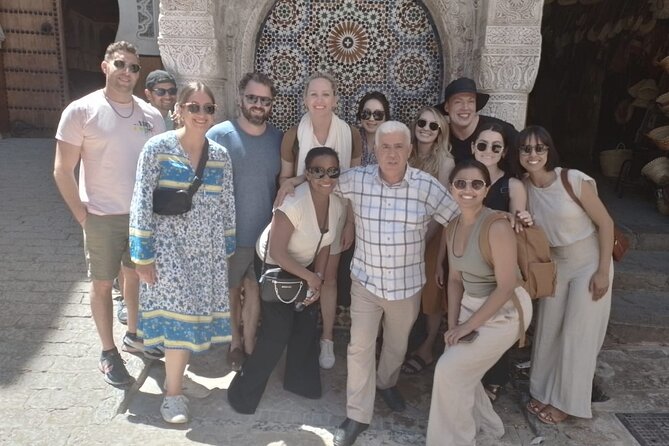
I like the small maximum group of 15, which should make it easier to hear your guide in the narrow lanes. I also like that Idriss, or Idrees, can add practical help beyond dates and monuments, including food ideas, restaurants, architecture, carpet shops, and places you may want to see after the walk. The main drawback is pace: three to four hours is enough for an introduction, but not enough for a slow look at every stop.
Key points to know before booking
- Bab Boujloud begins the walk: Start at Fez’s famous Blue Gate and enter the oldest medina quarter on foot.
- Idriss or Idrees guides the experience: The guide speaks English and French and brings local knowledge of the city’s food, buildings, and shopping streets.
- Two admission fees are extra: Bou Inania Medersa and Nejjarine Museum each cost about 20 dirhams, listed as roughly 2 euros.
- Chouara Tannery is included: The route reaches one of Fez’s best-known working craft sites near the Oued Fes.
- The route ends where it starts: Meet on Rue de la Poste and return there after the medina walk.
- The value is strongest for first-time visitors: At $17.45 per person, you pay mainly for orientation, local explanation, and a useful first look at Fez.
Why this Fez walk works well as a first introduction
Fez el-Bali can feel confusing within minutes. The lanes twist, names change from one souk to the next, and a short distance on a map can take much longer on foot. A local guide gives the city a human scale and helps you understand what you are seeing rather than simply passing through it.
The experience lasts about three to four hours and remains on foot. That makes it a good choice if you have one full day in Fez and want an organized start, or if you prefer to learn the layout before exploring alone.
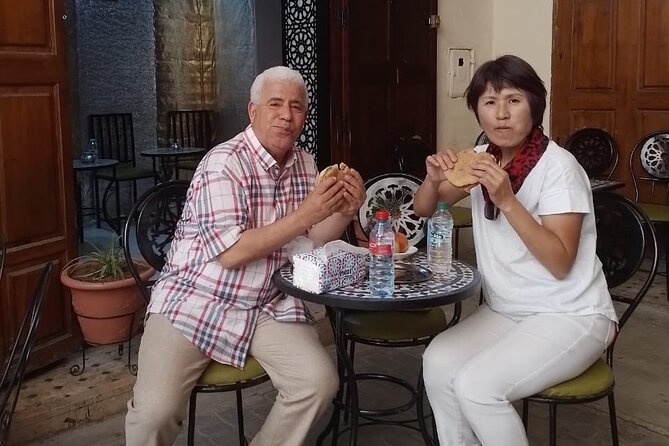
The guide’s role matters here. Idriss, also referred to as Idrees, is described as friendly, supportive, and well informed about the medina. He explains Moroccan history, local food, architecture, and the purpose of different buildings. He also seems to know people in the medina, which can make the walk feel less like a memorized speech and more like an introduction from someone who lives there.
The group can include up to 15 people. That is not a private walk, but it is still more manageable than a large coach-style group. In tight streets, a smaller group also creates less delay when the guide stops to explain a doorway, shop, or work area.
A few other Fez days worth comparing
- Fez Medina Guided Tour
★ 4.6 · 2,079 reviews - Explore Fes: Unforgettable Guided Walking Tour of the Medina
★ 4.7 · 1,339 reviews - Exclusive Fez Medina Walking Tour with Private Guide
★ 5.0 · 392 reviews
Bab Boujloud and the first steps into Fez el-Bali
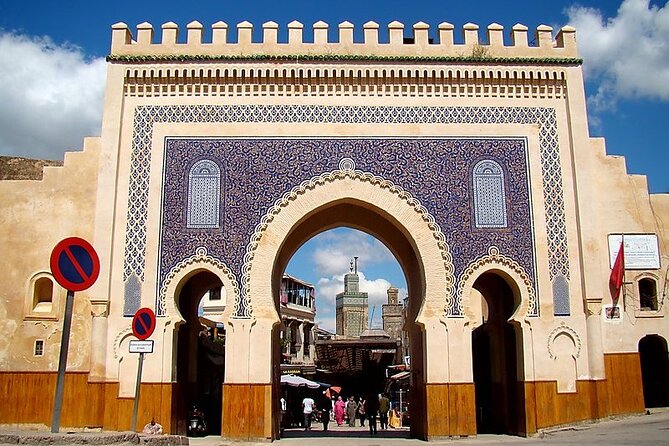
The walk begins on Rue de la Poste, close to Bab Boujloud, the blue-and-green gateway that most people picture when they think of Fez. The gate was first built in the 12th century and reconstructed in 1913 by the French as a grand triple-arched entrance.
Allow about 30 minutes here. The gate itself is free to see, but its real value is as a starting point. It marks the shift from modern Fez into the old medina, where cars give way to foot traffic and the streets narrow quickly.
Your guide can give you the basic map of the city before the route gets more involved. Pay attention at this point. Once you enter the medina, it is easy to lose your sense of direction, and knowing that Bab Boujloud is your western reference point will help later.
The first stretch leads past stalls and cafés before turning onto Talaa Kebira. This is not a quiet museum district. You will be moving through an active shopping street, so keep your group close and watch your step. The route is designed to show you Fez as a working city, not as a collection of isolated monuments.
Bou Inania Medersa, a school and mosque in one
A quick turn from Talaa Kebira brings you to Bou Inania Medersa, one of the most important buildings on the route. Built in the 1350s, it served as a theological school and contains a mosque.
The stop lasts about 20 minutes. Admission is not included. The supplied price is about 20 dirhams, also listed as roughly 2 euros, so bring a small amount of local currency or confirm the current fee before entering.
This stop gives useful context for the rest of the medina. You begin to see how religious study, worship, architecture, and city life fit together. Look for the details your guide points out rather than rushing through for a quick photograph. The building is not simply a pretty courtyard. Its design reflects its religious purpose and its role as a school.
The short visit also tells you something about the tour’s limits. You will get an explanation and a look inside, but you are not spending an hour studying every carved surface. If you enjoy architecture, you may want to return later at a slower pace, if opening hours and access allow.
Chouara Tannery and the working side of the medina
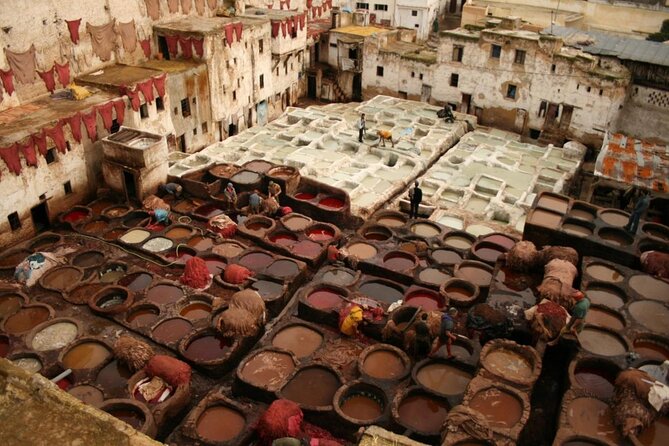
The route then heads toward Chouara Tannery in Fez el-Bali, the oldest quarter of the medina. It is near the Saffarin Madrasa and the Oued Fes, and the stop lasts around 30 minutes.
The tannery is one of the most memorable parts of the walk because it connects craft work with the physical layout of the city. This is not just a historical label. It is a place associated with leather production, and the surrounding streets are part of a wider network of workshops and shops.
A guide is especially useful here because the scene can be hard to read on your own. You may see vats, hides, shop displays, and workers, but an explanation helps place these details within Fez’s craft traditions. The visit is included, so you do not need to set aside another entry fee for this stop.
The tannery can also be the most intense stop for the senses. You might find the smells strong, particularly if you are not used to leather processing. That is a fair consideration when deciding how much time you want to spend nearby. Keep the visit in perspective: it is a working craft site within a busy old quarter, not a polished museum.
Same city, a completely different day out:
- Chefchaouen Day Trip from Fez (Shared Group Tour)
★ 4.6 · 2,394 reviews - Fes: Volubilis Roman Ruins, Mouly Idriss, & Meknes Day Trip
★ 4.6 · 2,375 reviews - Blue City magic: Affordable Day Trip from Fez to Chefchaouen
★ 4.6 · 1,960 reviews - From Fez: Sahara Desert 2-Day Tour with Merzouga Camp Stay
★ 4.8 · 1,716 reviews
Place R’cif, leather streets, and the route toward the river
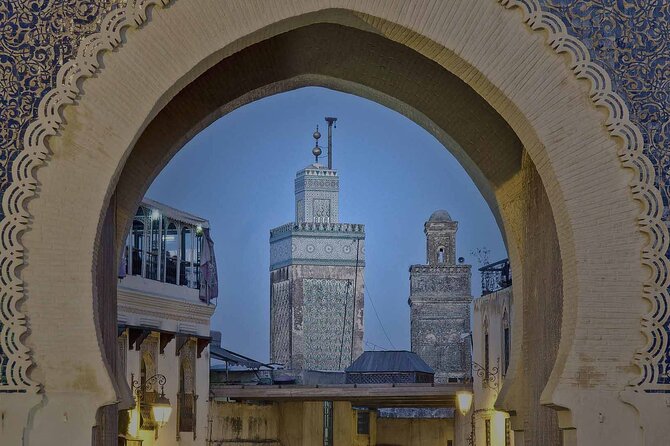
After the tannery, the walk continues through the dyers souk and along Leather Street, with mirror stalls and other small shops along the way. The route reaches Place R’cif, described as a charming point in the medina, before continuing toward Place Seffarine.
This part of the tour is less about one major monument and more about understanding how the medina is organized. A named street may focus on one trade, while another square acts as a meeting point or rest area. You get a look at the commercial life between the famous sights.
The route can feel crowded and visually busy. That is part of its character, but it also means you should not expect a smooth, open promenade. Wear shoes suited to several hours of walking and keep your phone and wallet secure in the packed lanes.
The guide’s local contacts may be useful here. If you are curious about carpets, food, or certain shops, this is the moment to ask questions. The walk is not limited to a fixed speech. The guide has been praised for adding places such as carpet shops and restaurants when people express interest, though extra stops will depend on time and the group’s wishes.
Place Seffarine and the sound of copper work
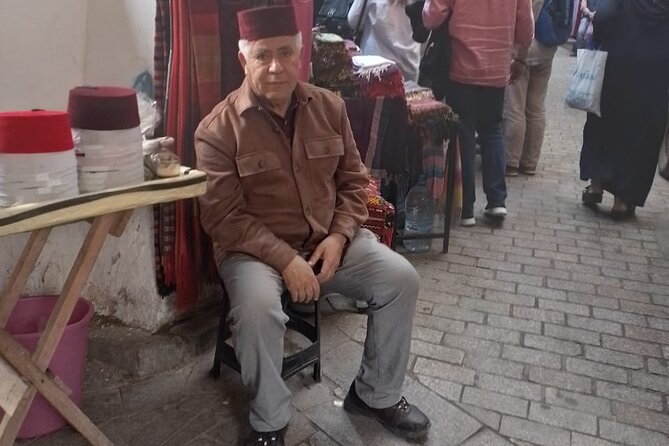
Place Seffarine is one of the most atmospheric pauses on the route. It is known for metalworkers shaping copper pots and pans, and the sound of repeated hammer blows gives the square its own rhythm.
The planned stop is about 20 minutes, although the route information also gives Place Seffarine a 30-minute position earlier in the sequence. In practical terms, expect this area to be part of the walk’s middle or later section, with time for a short break.
You can sit at Crèmerie la Place for sweet mint tea and watch the metalworkers at their benches. The tea is not presented as part of the tour price, so plan to pay for it yourself.
This is one of the places where the experience feels most useful. You are not simply told that Fez has traditional crafts. You see the work happening, hear the tools, and watch how the square functions as a place of production. For many people, that direct view will be more memorable than another formal explanation inside a monument.
Fes el-Bali, Souk el Attarine, and Moulay Idriss III
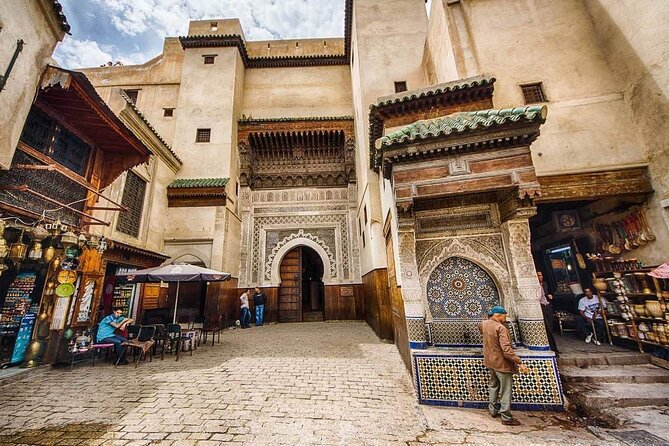
From Place Seffarine, the route returns to the main shopping streets of Fes el-Bali. Souk el Attarine sells clothing and jewelry, and the area is beside the ornate mausoleum of Moulay Idriss III.
The mausoleum was built in 1323 and is regarded as a central part of the medina. Access rules for religious sites can vary, so listen to your guide about what you can see and where you may enter. The walk still gives you a chance to understand the place’s importance and its position within the old city.
Shopping streets can be distracting. You may be tempted to stop at every display, but the time is limited. If you want to buy something, tell the guide early. That gives you a better chance of fitting in a purchase without losing the thread of the walk.
This is also a good place to ask about Moroccan food and later meals. Idriss has been praised for suggesting restaurants and local dishes, which is practical help when you are trying to choose dinner in a city with many options.
Nejjarine Museum and the final return to the Blue Gate
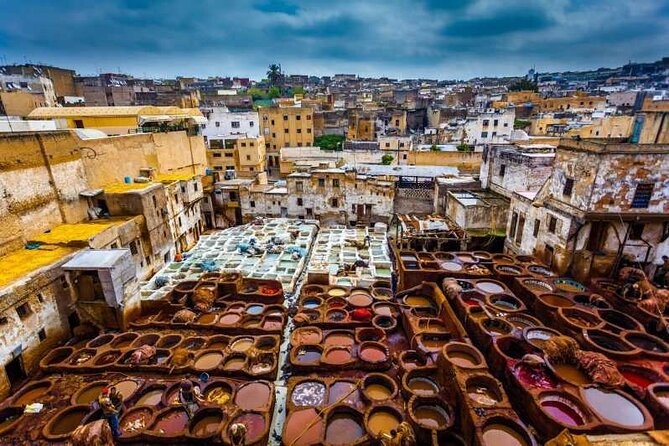
Near Place an-Nejjarine, the walk visits the Henna Souk and the Museum of Woods, Arts and Crafts. The museum occupies a restored fondouk, a type of traditional inn associated with merchants and trade.
Admission is extra, listed as about 20 dirhams or 2 euros. The visit lasts about 20 minutes, so you should expect a focused look rather than a long museum session.
The building adds a different layer to the experience. After seeing leather and copper work in active streets, you see craft objects presented in a restored historic setting. The contrast helps explain how Fez’s trades connect to both daily business and formal display.
The route then follows Talaa Seghira back toward Bab Boujloud, where you can find a place for a late lunch. Lunch is not included. Since the walk may finish after the usual midday meal, consider eating beforehand or asking the guide for a recommendation that fits your schedule.
The activity ends back at the meeting point on Rue de la Poste. That return is convenient, especially if you are staying near the western side of the medina or need a known place from which to continue independently.
What the $17.45 price really covers
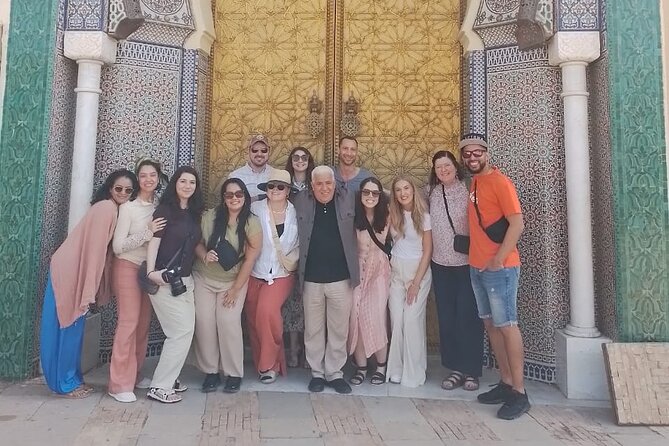
At $17.45 per person, this is an inexpensive way to get a structured first look at Fez. The price covers the English or French-speaking guide and the guided route, but not every entrance fee, food, or drink.
You should budget separately for:
- Bou Inania Medersa, about 20 dirhams or 2 euros
- Nejjarine Museum, about 20 dirhams or 2 euros
- Mint tea at Place Seffarine
- Lunch after the walk
The value comes from orientation and explanation. Without a guide, you can still walk through the medina, but you may miss why one street is linked to leather, why a square is filled with metalworkers, or how a school and mosque fit into the city’s religious life.
The price is especially fair if you are visiting Fez for the first time, have limited time, or want restaurant and shopping suggestions from a local person. It is less useful if you already know the medina well and prefer to wander at your own pace.
Group discounts are available, which may make the cost even lower for a larger booking. The experience is commonly reserved about 22 days ahead, so planning early is sensible if your dates are fixed.
Who should book this walk?
I would choose this tour for a first day in Fez, especially if the medina feels intimidating or you want cultural context before exploring alone. It suits people who enjoy walking, craft traditions, architecture, food advice, and small details about how a historic city works.
It also fits a short stay. In three to four hours, you see the Blue Gate, a religious school, a tannery, working souks, artisan squares, and a museum. You will not master the whole medina, but you will leave with useful landmarks and a clearer idea of where to return.
Families and older people should consider the pace and surface underfoot. The information says most people can participate, but the tour remains a walking activity through narrow streets. Anyone who needs frequent rest should ask about the pace before booking.
You should also be comfortable with a group setting. The maximum is 15 people, and the exact rhythm will depend on the group. The benefit is a lower price than a private guide. The trade-off is less control over every stop and less time for personal interests.
Should you book the Shared Half Day Guided Fes Tour?
Book it if you want an affordable, local-led introduction to Fez that combines major sights with working crafts. The strongest parts are the guide’s personal help, the included visit to Chouara Tannery, and the chance to see copperworkers and shop streets as part of ordinary medina life.
Do not book it expecting a private, slow architectural study or a full-day tour. The route is compact, the two main museum-style admissions cost extra, and lunch is your responsibility.
For most first-time visitors with only a few hours to spare, I think the balance is good. Start with the guide, note the places that deserve a second visit, then return to the medina on your own with a much better sense of direction.
FAQ
How long does the Fez guided tour last?
The tour lasts approximately three to four hours.
Where does the tour start?
The meeting point is on Rue de la Poste in Fès, Morocco.
Where does the tour end?
The activity ends back at the meeting point on Rue de la Poste.
Which language does the guide speak?
The guide speaks English and French.
What is included in the tour price?
The guided walking experience and the English or French-speaking guide are included.
Are the Bou Inania Medersa and Nejjarine Museum admissions included?
No. Each entrance fee is listed at about 20 dirhams, or approximately 2 euros per person.
What is the maximum group size?
The activity accepts a maximum of 15 people.
Can I cancel for a full refund?
Yes. You can cancel at least 24 hours before the start time for a full refund. Cancellations or changes made less than 24 hours before the start time are not refunded.
Just listed out of Fez
- Fez Cooking Class★ 5.0 · 33 reviews
- Fez Street Food Tour★ 4.5 · 33 reviews
- Discover Fes: Culture, handicraft & Hidden Treasures★ 5.0 · 33 reviews
- Moroccan Crepes & Pastries Kitchen★ 4.9 · 34 reviews
- Discover Fez and its hidden secrets★ 5.0 · 34 reviews
- Discover Fez with a local★ 5.0 · 34 reviews
- Fes Guided Tours★ 5.0 · 34 reviews
- Fes Guided Sightseeing Tour with Luxury Car All Inclusive Tickets★ 4.5 · 34 reviews
Fez Tours, compared.
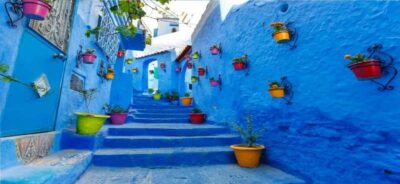
Chefchaouen Day Trip from Fez (Shared Group Tour)
Read our review →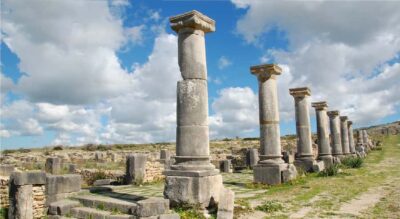
Volubilis Roman Ruins, Mouly Idriss, & Meknes Day Trip
Read our review →
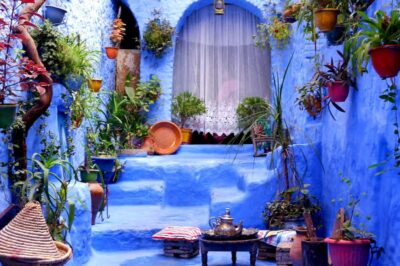
Blue City magic: Affordable Day Trip from Fez to Chefchaouen
Read our review →
Sahara Desert 2-Day Tour with Merzouga Camp Stay
Read our review →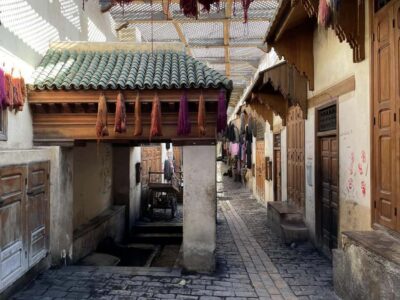
Museum, Al Attarine Madrasa & Tannery and Medina Tour
Read our review →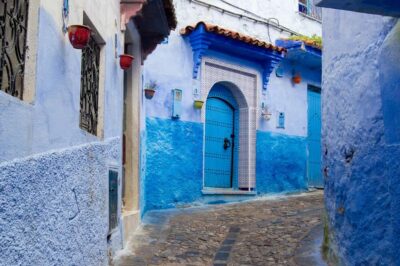
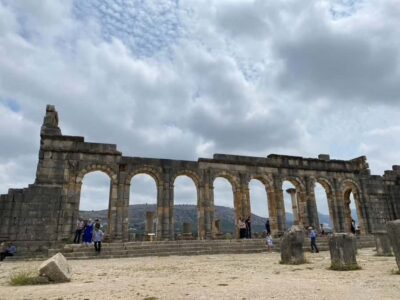
Volubilis, Moulay Idriss, & Meknes Full-Day Trip
Read our review →Browse the lists this tour appears in