
Reviewed · CASABLANCA TOURS
8D Morocco Luxury Private Tour From Casablanca By Imperial Cities
The best part of this eight-day private Morocco tour is the sheer range of scenery packed into one trip. You move from Casablanca and Rabat to blue-painted Chefchaouen, Roman ruins, medieval Fes, cedar forests, Sahara dunes, red gorges, kasbahs, and Marrakech.
I like the private vehicle and flexible pace, since your driver can adjust the route to your group rather than follow a fixed coach schedule. I also like the balance of city culture and outdoor time, especially the camel ride to a luxury desert camp and the walk through Todra Gorge.
The main drawback is the pace. Several days involve long drives and many stops, and the final transfer between Marrakech and Casablanca needs careful confirmation before you book. Admission fees, most meals, drinks, and tips are also extra.
Key points to know before booking
- Camel ride and private tent: Reach the Erg Chebbi camp by camel, then sleep in a private tent with a toilet and shower.
- Imperial cities covered: Visit Rabat, Meknes, Fes, and Marrakech, with Casablanca as the starting and ending point.
- Private transport: Your air-conditioned vehicle, fuel, parking, bottled water, and onboard restroom are included.
- Major nature stops: Cross the High Atlas, watch for Barbary macaques, walk in Todra Gorge, and see the Dades Valley.
- Seven nights included: Sleep in hotels or traditional riads, plus one night at the luxury desert camp.
- Price and planning: At $1,130.78 per person, the package offers strong convenience, but paid monuments and several meals remain outside the quoted price.
A grand Moroccan route from Casablanca
This is the kind of tour for someone who wants Morocco’s big story in one trip. You get Roman ruins, royal cities, mountain villages, desert life, and southern kasbahs without having to arrange a series of separate drivers and hotels.
The private format matters. You are collected from a hotel, riad, apartment, port, or another point in Casablanca, and the same road transport continues through much of the journey. That removes the need to negotiate taxis, compare rail connections, or work out how to reach remote desert areas.
The package costs $1,130.78 per person. That is not a budget tour, but it covers seven nights, private transport, fuel, a driver-guide, local guides in Fes and Marrakech, six breakfasts, two dinners, and the desert camp. You should still budget for monument admissions, most lunches, several dinners, drinks, and tips.
The experience has a five-star rating from 39 submitted ratings, with every rating recommending it. The praise centers on organization, the quality of the driver, and the tour’s ability to combine many destinations in a short time. One family also had the route reversed and hotel preferences adjusted because of flight timing, which suggests useful flexibility when you ask early.
A few other Casablanca days worth comparing
- Private Tour of Casablanca with Hassan II Mosque Entry Ticket
★ 5.0 · 1,102 reviews - Private Chauffeur Service – 100% Exclusive
★ 5.0 · 516 reviews - Private Guided Tour of Casablanca Including Mosque Entrance
★ 5.0 · 395 reviews
Day 1: Casablanca, Rabat, and blue Chefchaouen
Your pickup in Casablanca is designed to be simple. The driver collects you from your specified location, then you head north toward Rabat, Morocco’s present-day capital.
Rabat gives the first dose of royal and religious history. At the Chellah Necropolis, you see Roman and Islamic ruins within a medieval fortified site. The Kasbah des Oudaias and its Bab Oudaia gate provide a quieter contrast, while the Hassan Tower and the Mausoleum of Mohamed V explain Rabat’s importance as a modern capital.
The planned Rabat visit lasts about two hours. That is enough for the main sights, but not enough for a slow, open-ended city visit. You will need to stay aware of the clock because Chefchaouen is still ahead.
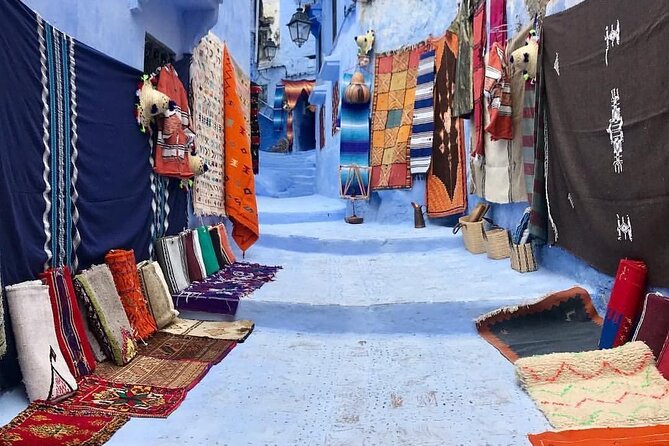
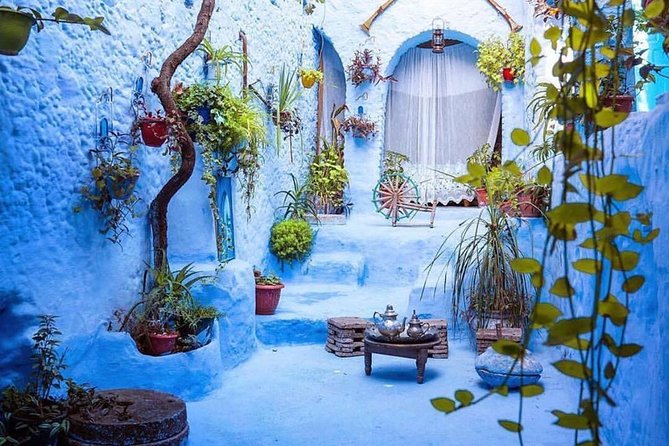
Later, you continue into the Rif Mountains. Chefchaouen is famous for its blue walls, steep lanes, white buildings, and mountain setting. Plaza Uta el-Hammam is the natural place to pause with mint tea, while the kasbah offers a fortress and dungeon to explore.
A walk uphill to the abandoned Spanish Mosque is scheduled near sunset. This is one of the most useful details in the whole route because it gives you a broad view back over the town. Bring shoes with a firm grip. The streets are cobbled and steep, and the route is more about walking and views than polished sightseeing.
Day 2: Chefchaouen, Volubilis, and Meknes
The second morning begins with more time in Chefchaouen. You can stroll through the medina, browse its markets, see the restored kasbah, and visit the Ras El Maa spring. Spanish and Moorish influences give the town a character different from the larger Moroccan cities.
Chefchaouen is photogenic, but do not mistake it for a place you can understand in a quick series of photographs. The steep lanes, local shops, mountain backdrop, and spring area reward a slower walk. The scheduled exploration time is limited, so your private format is helpful if you want to spend more time in one area and less in another.
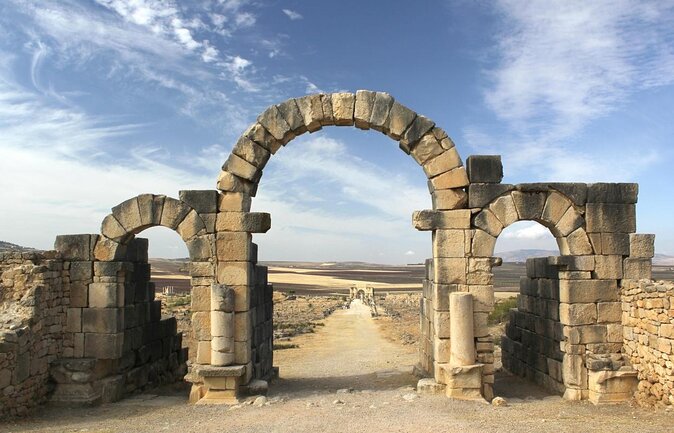
From the Rif Mountains, the route turns toward Volubilis. This Roman settlement is a UNESCO World Heritage site, known for its mosaic floors, basilica, temple, and triumphal arch. The ruins are spread outdoors, so sun protection and comfortable shoes are sensible. Entrance is not included.
The day continues to Moulay Idriss, a holy town for Moroccan Muslims, followed by Meknes. In Meknes, the main sights include the enormous Bab Mansour gate, the granary, the Sahrij or Swani basin, the old medina, and Place el-Hedim.
The schedule allows about two hours in Meknes before the drive to Fes. That makes this a useful introduction rather than a full study of the city. You sleep in a traditional riad in the Fes medina, which is an important part of the experience. A riad puts you close to the old city’s lanes, but it also means you should be ready for a less conventional hotel layout.
Day 3: Fes and its medieval medina
Fes deserves energy and patience. Its old city is a maze of narrow streets filled with markets, shops, mosques, craft stalls, and historic buildings. A private local guide is particularly valuable here because the layout can be confusing and the most interesting details are easy to miss.
You enter through Bab Boujloud, often called the Blue Gate, with its three arches. From there, the route moves into the souks, where you might see rugs, jewelry, leather goods, spices, and other handmade products.
The Chouara Tannery is one of the most memorable stops. Leather is still processed using old methods, and the dyeing vats make for a striking rooftop view. The smell can be strong, so accept the sprig of mint often offered at such viewpoints if one is provided, but do not feel pressured to buy leather goods afterward.
You also visit Al-Qarawiyyin Mosque and University, founded in the ninth century, and one of the oldest continuously operating universities in the world. Access rules can limit what you see inside religious sites, so the value often lies in the surrounding architecture and your guide’s explanation.
The route includes a choice of Bou Inania Madrasa or Al Attarine Madrasa. Both show off carved plaster, tilework, wood, and the refined style of Marinid-era buildings. The Mellah Jewish quarter, the Royal Palace, Borj Nord, and its weapons collection may also feature depending on timing.
For dinner, you can use a local restaurant or choose a meal with a Moroccan family in the medina. The family option is one of the more personal parts of the program. You can learn about recipes, ingredients, and food traditions directly at the table. It is optional, and the supplied dinner allowance covers only two dinners, so confirm exactly what is included.
Same city, a completely different day out:
- From Marrakech: Casablanca Tour with Hassan II Mosque Visit
★ 4.7 · 4,756 reviews - Casablanca: Hassan II Mosque Premium Tour with Entry Ticket
★ 4.5 · 2,971 reviews - Casablanca City Tour with Hassan II mosque ticket
★ 5.0 · 2,480 reviews - Casablanca: City Tour with Hassan II Mosque Entry Ticket
★ 4.6 · 1,137 reviews
Day 4: Cedar forests, the Ziz Valley, and the Sahara
Day four is a long road day, but it gives you a remarkable change of scenery. You leave Fes for Merzouga, crossing the Middle and High Atlas regions through Ifrane National Park.
Ifrane is known for alpine-style villages and is sometimes called Little Switzerland. You then climb to the Col du Zad Pass at 7,146 feet, with cedar forests and a chance to spot Barbary macaques. Wildlife is never guaranteed, but the forest break is a welcome change from hours in the vehicle.
After lunch in Midelt, the road crosses the Tizi-n-Talremt Pass and enters the Ziz Valley. Look for palm groves, oases, and ksars, which are fortified communal settlements tied to older trade routes. This is a good stretch for watching Morocco change outside the window, from forest and high mountain country to dry valleys and palms.
Erfoud is known for dates, fossils, and artisan workshops. A visit to a collective shows how fossil-bearing stone is cut and polished into tables, plates, and bowls. This can be interesting if you want to understand local craft, though workshop stops may also include a sales element. Buy only if you genuinely like something.
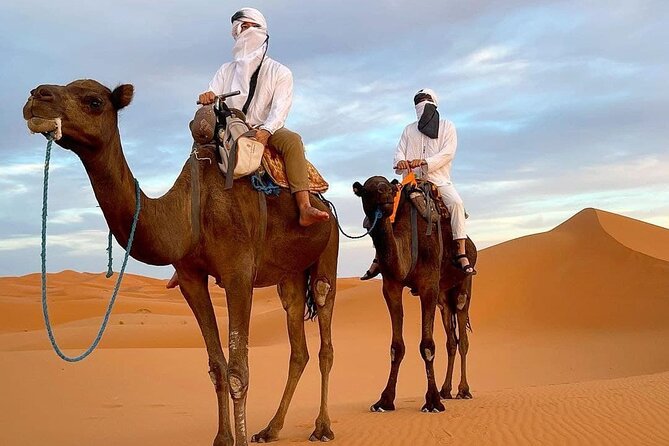
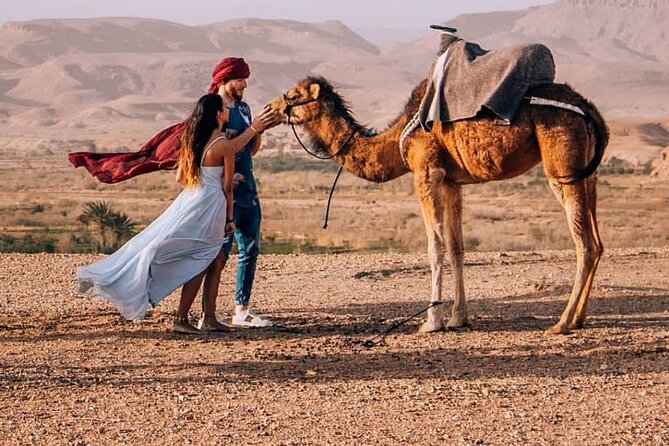
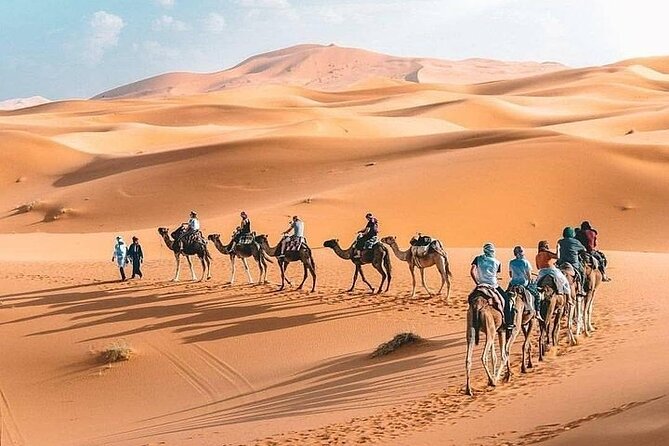
The day’s payoff is Erg Chebbi. Instead of driving directly to the camp, you cross the sand by camel. The ride is not a luxury spa experience. You sit high above the sand, adjust to the camel’s rolling movement, and watch the dunes change color as the sun lowers.
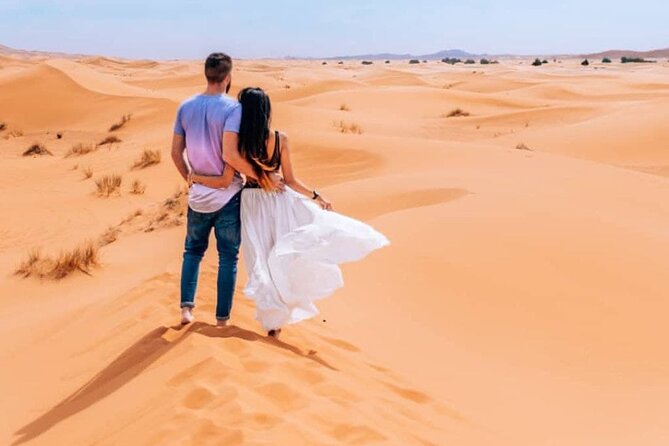
At camp, you can watch sunset from a nearby dune, eat dinner by the fire, hear traditional Berber music, and sleep in a private tent with a toilet and shower. That combination makes this more comfortable than a basic desert camp, but temperatures can still drop sharply at night. Pack a warm layer even if Casablanca was hot.
Day 5: Rissani, Todra Gorge, and Dades Valley
The desert morning starts early for sunrise. The light across the dunes is the reason to accept the early alarm, though you should expect a short night if dinner and music run late.
After breakfast, you leave for the Dades Valley, stopping in Rissani. Its market and livestock auction offer a view of everyday commerce, while Maison Tuareg displays carpets, jewelry, and leather work.
The route continues to Tinghir and Todra Gorge. The limestone cliffs rise about 984 feet, creating one of the trip’s strongest natural settings. You can take an easy walk or paddle in the cool water before returning to the road.
Todra Gorge is not just a photo stop. Allow yourself time to look up at the rock walls and notice how quickly the temperature and sound change inside the narrow section. The scheduled time for the broader day is about three hours, so ask your driver how much walking time is realistic.
You then pass through the Valley of a Thousand Kasbahs, with fortified buildings, farms, small settlements, and nomads tending animals along the way. The Dades Valley brings the day to a hotel overlooking the valley, near the unusual rock formations called Monkey’s Fingers.
The overnight setting is appealing, but this remains another active day after the desert. If you prefer slow mornings and long stays in each town, eight days may feel compressed.
Day 6: Ouarzazate, Ait Ben Haddou, and the Tizi n’Tichka Pass
The road to Marrakech begins through the Dades Valley. If you did not stop at a rose cooperative earlier, there may be time to do so on this return route.
Ouarzazate is Morocco’s film center. Productions including Black Hawk Down, Prometheus, and Game of Thrones used the area, and you can choose between a movie studio visit and the Cinema Museum. Those options are not included in the price, so ask about admission before choosing.
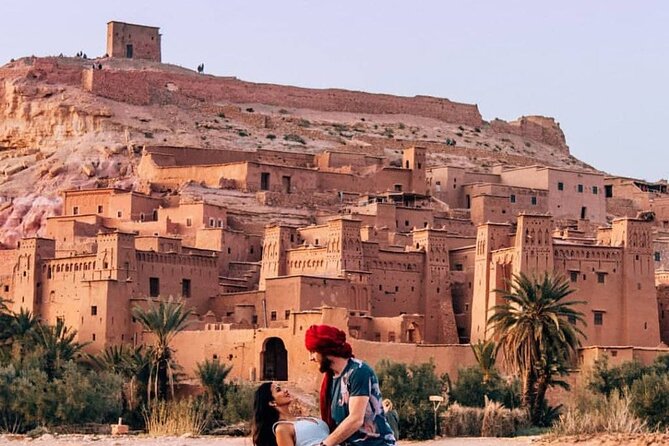
Taourirt Kasbah provides another look at fortified southern architecture. The star stop, though, is Ait Ben Haddou, a UNESCO-listed medieval kasbah made up of earthen buildings, lanes, and passageways. It is one of the most recognizable places on this route and rewards a slow climb through the settlement.
The drive then rises over the Tizi n’Tichka Pass. Mountain views are the attraction, but winding roads and changing elevation can make this a tiring stretch. If you suffer from motion sickness, bring whatever helps you and tell your driver early.
A stop at an argan oil cooperative in Taddert explains how oil is extracted from the argan nut for food, cosmetics, and health products. As with the fossil workshop, treat it as an educational stop first and a shopping opportunity only if you want one.
By evening, you reach Marrakech and Jemaa el-Fna. After quiet mountain and desert settlements, the square feels like a different country. Musicians, performers, food stalls, acrobats, dancers, and storytellers fill the space. A café above the square gives you a calmer view if the crowds feel intense.
Day 7: Marrakech’s palaces, gardens, and food square
A local private guide leads you through the Marrakech medina, souks, and Mellah. This is another place where a guide helps you understand what you are seeing rather than simply following a busy street.
The afternoon brings the Bahia Palace, El Badi Palace, and Saadian Tombs. Together, these sites show different periods of royal power, decoration, ceremony, and burial tradition. Admission fees are not included, so keep cash available if required by the sites.
Jardin Majorelle provides a change of pace. The garden was developed over four decades by French painter Jacques Majorelle and later connected with Yves Saint Laurent. Its strong colors and planted paths offer relief from the medina’s narrow lanes.
You return to Jemaa el-Fna in the evening. Food stalls serve full meals, fruit drinks, dates, and snacks. Prices and quality can vary from stall to stall, so look at the menu and cost before ordering. You can eat in the square or watch from an upstairs café.
Day 8: The final transfer needs attention
The last day is described as a Casablanca airport or hotel transfer, with time for shopping or a possible visit to the Marrakech Museum before departure. The driver is expected to get you to the airport with enough time for your flight.
This is the one point I would clarify in writing before paying. The route ends in Marrakech on day seven, while the tour begins and finishes in Casablanca and the final transfer is described as Casablanca based. The supplied details do not state the exact driving arrangement, travel time, or whether the final airport transfer carries an extra charge.
That does not make the tour unusable. It simply matters because Marrakech and Casablanca are separate cities, and your flight time will determine whether the transfer is comfortable or very early. Give the company your flight details and confirm the final drop-off city.
What the price includes, and what it does not
The strongest value comes from the private transport and the number of hotel changes handled for you. You receive an air-conditioned vehicle, fuel, parking, bottled mineral water, a restroom onboard, and pickup and drop-off service.
Accommodation covers seven nights in hotels or traditional riads, plus the luxury desert camp. Six breakfasts and two dinners are included. The wording does not cover every meal, so you should expect to pay for many lunches, drinks, and some dinners.
Monument entrance fees are extra. That includes places such as Volubilis, the Fes madrasas, Marrakech palaces, Jardin Majorelle, and possible film attractions. Tips for the driver, local guides, hotels, and restaurant staff are also not included.
At this price, the tour makes the most sense for a small private group that values convenience and wants a broad first look at Morocco. A solo person or couple may find the cost high compared with public transport, while a family or group can spread the private vehicle cost across several people.
Who should book this Morocco tour
I would choose this route if you want Morocco’s best-known regions in one organized trip and do not want to plan the desert section yourself. It suits first-time visitors, families, and groups with limited time.
The tour is also a good fit if you care about flexibility. The company has adjusted the direction of travel, hotels, rooms, and timing for at least one family with difficult flight arrangements. Request changes before departure rather than assuming they will be possible at the last minute.
I would hesitate if you want long stays in each city, independent meals every night, or a relaxed road schedule. The route has several long drives, and the desert, Todra Gorge, and Ait Ben Haddou all arrive after substantial time in the vehicle.
The private format can make the pace easier. You can ask for photo stops, adjust time at a market, or tell the driver when you need a break. One highly praised driver is Ahmad, whose steady service helped make the journey feel organized from city to desert.
Should you book it?
Book this tour if you want a well-organized overview of Morocco with the major imperial cities, a Sahara night, mountain roads, and southern kasbahs all included. The private vehicle, riads, desert tent, and local guides add real convenience, and the route offers far more variety than a city-only holiday.
Before booking, confirm three things: the exact Casablanca to Marrakech transfer on day eight, which monument fees are expected, and the final list of included meals. If you accept the long driving days and plan for extra costs, this is a strong choice for seeing a great deal of Morocco without managing every moving part yourself.
Free cancellation is available up to 24 hours before the start time. The experience depends on suitable weather, with a different date or full refund offered if poor conditions force cancellation.
FAQ
Is this Morocco tour private?
Yes. Only your group participates, and transport is provided in a private air-conditioned vehicle.
Where does the tour start and finish?
Pickup is offered from locations in Casablanca, including hotels, riads, apartments, and the port. The final transfer is described as a Casablanca airport or hotel transfer, but you should confirm the exact day eight arrangement because the route reaches Marrakech on day seven.
How many nights of accommodation are included?
Seven nights are included in hotels or traditional riads, with one of those nights spent in a luxury desert tent with a private toilet and shower.
Are meals included?
Six breakfasts and two dinners are included. Other meals and all drinks are not included.
Is the camel ride included?
Yes. The desert section includes a camel ride to the luxury camp at Erg Chebbi.
Are entrance fees included?
No. Entrance fees for monuments and attractions are not included in the tour price.
Can the tour be customized?
Yes. The duration and route can be modified to fit your schedule, and changes such as traveling in the opposite direction or adjusting hotel and room preferences may be possible when arranged in advance.
Just listed out of Casablanca
- Private Day Trip to Rabat Departure from Casablanca★ 5.0 · 33 reviews
- Religious Casablanca: Private Spiritual Tour Including Hassan II Mosque Visit★ 5.0 · 33 reviews
- Private Casablanca Market Tour and Cooking Class with Chamsi★ 5.0 · 33 reviews
- Sunset Camel Ride in the Palm Grove Of Marrakech★ 5.0 · 34 reviews
- Private Full-Day Tour in Casablanca with Pickup★ 5.0 · 34 reviews
- Casablanca: 6-Day Tour To Marrakech Via Chefchaouen & Desert★ 4.7 · 34 reviews
- 3 Days Chefchaouen and Fez from Casablanca Private Tour★ 5.0 · 34 reviews
- Casablanca Private Full-Day Highlights Tour★ 5.0 · 34 reviews
Casablanca Tours, compared.
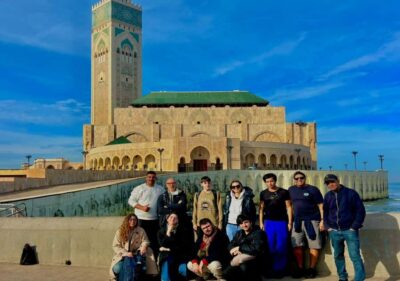
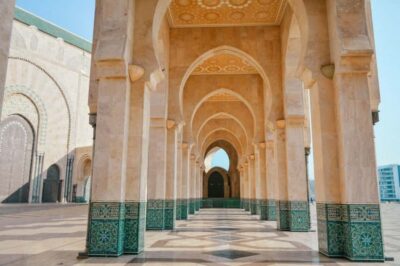
Hassan II Mosque Premium Tour with Entry Ticket
Read our review →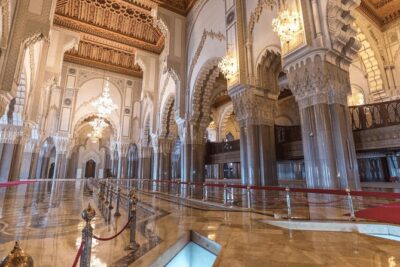
Casablanca City Tour with Hassan II mosque ticket
Read our review →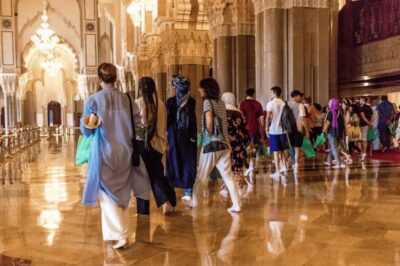
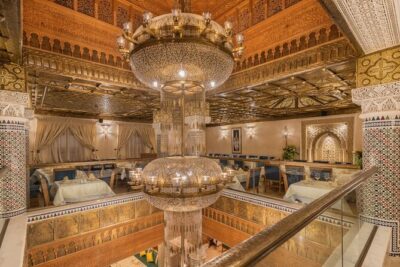
Private Tour of Casablanca with Hassan II Mosque Entry Ticket
Read our review →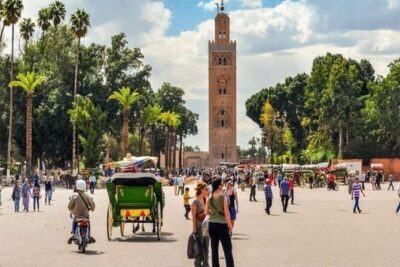
Marrakech Day Trip with Camel Ride from Casablanca
Read our review →
Browse the lists this tour appears in